
TEFLA AMPLIFIES INDIA AS MAJOR GLOBAL AGRI-TRADE & EDIBLE OILS HUB
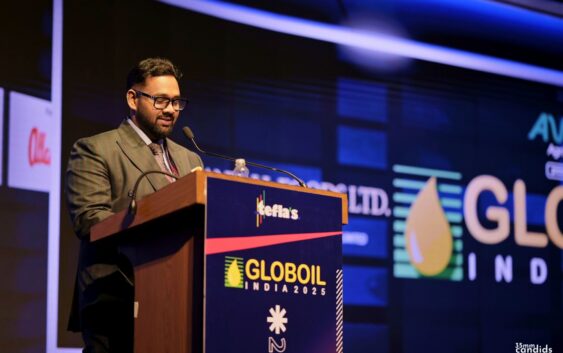

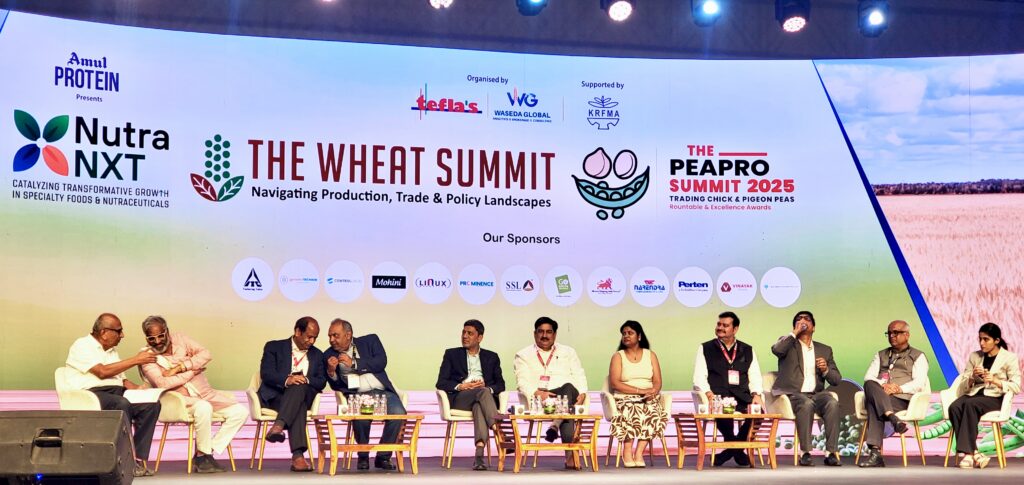
Globoil India 2025 is a major hub for global agri-trade and edible oils—bringing together industry leaders, policymakers, and international markets. Globoil India brings together a powerhouse lineup of experts, decision-makers, and industry pioneers to discuss market trends, sustainability, trade policies, and innovations shaping the future of edible oils, agri-trade, and bioenergy.
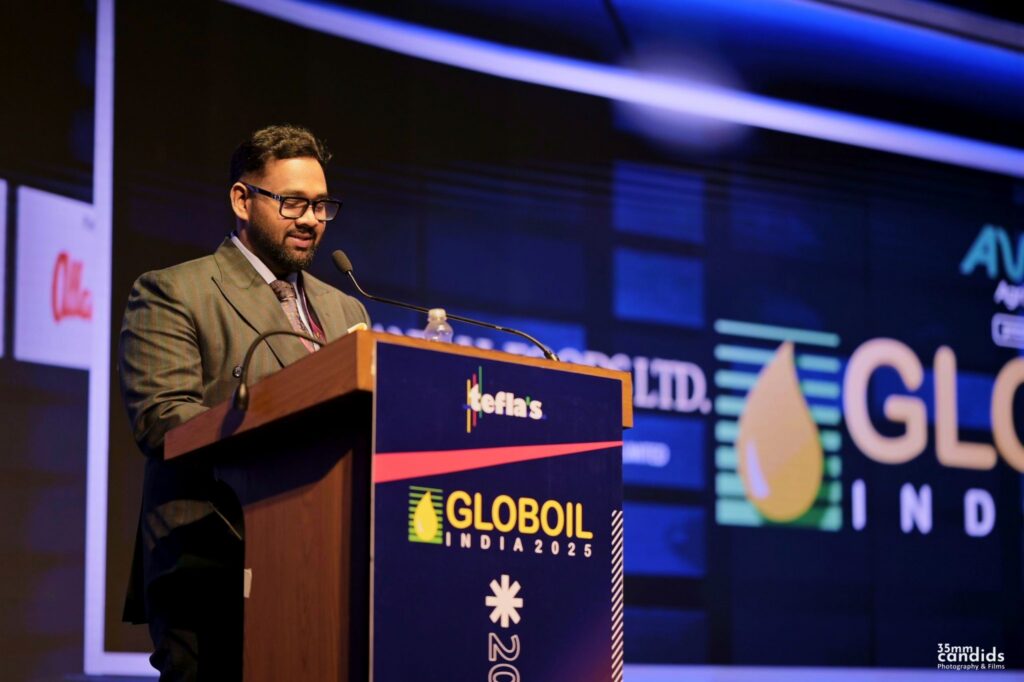
That sense of community and global connection is what makes events like Globoil truly special—1,400 delegates from 30+ countries is incredible! The energy must have been electric at The Westin Powai. It’s clear your leadership and vision, along with the collective effort of so many, are what keep this platform thriving year after year. Proud moment, for sure, said Aadil Singh, Director of Tefla’s and organiser of Globoil.
The 28th edition of Globoil India, the premier conference and exhibition for the global edible oils and agri-trade industry, focused on “Future-Proofing the Edible Oil Industry: Smart Solutions for Volatile Markets,” bringing together industry leaders, policymakers, and innovators to discuss sustainability, innovation, and market dynamics.
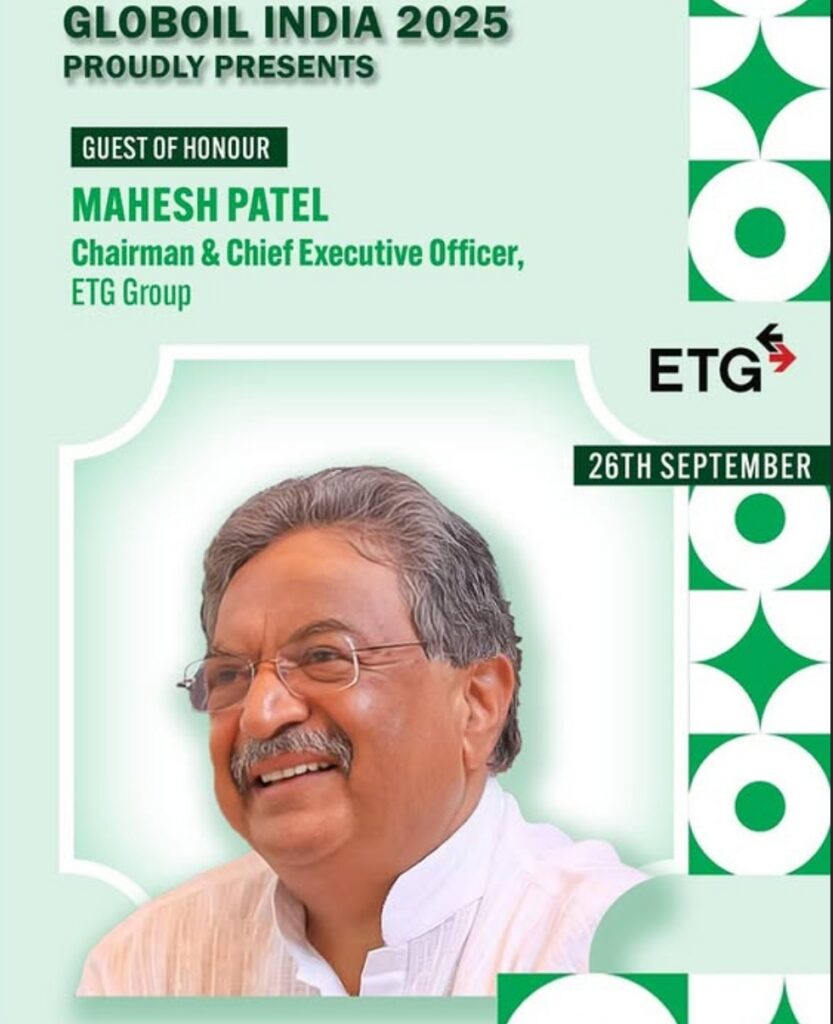
Mahesh Patel, Chairman & CEO of ETG, served as the Guest of Honour at Globoil India 2025, where he highlighted the growing necessity of robust, integrated supply chains and strategic investments in global food security across more than 40 countries.
Key insights and takeaways from his presence and vision at the summit emphasize:
Global Supply Chain Integration: Patel underscored the importance of building resilient and deeply integrated supply chains to manage geopolitical risks and climate-induced disruptions in the agricultural commodity market.
Investment in Food Security: A central theme of his vision remains driving strategic investments in global food security to meet the demands of an evolving worldwide population.
Shaping Commodity Flows: As a veteran agri-trade visionary, his discussions at the summit focused heavily on how major trading houses must continue to shape international commodity flows to keep food systems stable and accessible.
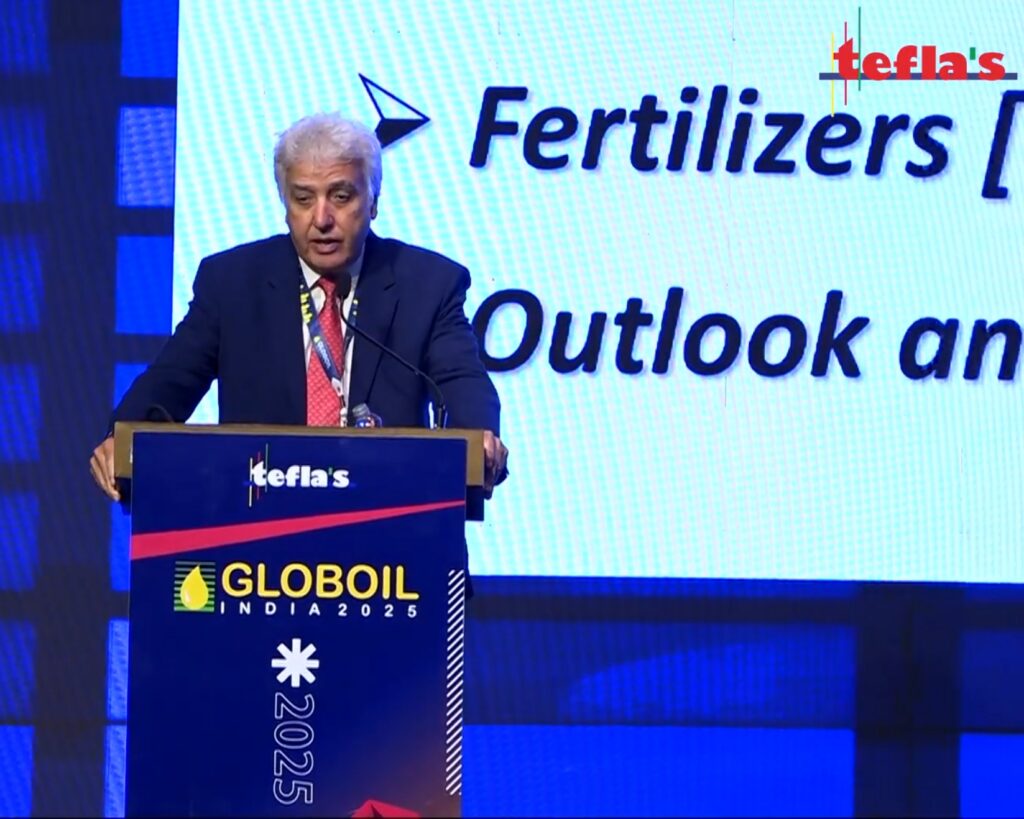
World Bank economist John Baffes forecasts a modest ~2% decline in global agricultural commodity prices, pointing to stabilizing food markets. While supply growth is catching up with demand, Baffes warns that climate anomalies, fertilizer costs, and geopolitical volatility remain significant risks that could quickly trigger sharp market swings.
Core takeaways from Baffes’ macroeconomic commodity outlook include:
Overall Stabilization: Following previous years of intense price volatility, agricultural and food prices are expected to hold broadly steady, or decline slightly, as supply conditions improve across major exporting regions.
Sector Divides: While grain and food markets are stabilizing, beverage commodities (like coffee and cocoa) may see deeper price declines as supply chains expand to meet previous deficits.
Fertilizer & Energy Pressures: The cost of inputs, particularly natural gas required for fertilizer production, remains highly vulnerable to energy market shocks, which could quickly drive up operational costs for farmers.
Geopolitical & Climate Vulnerability: Baffes emphasizes that the seemingly stable outlook is highly fragile. Extreme weather events, shifting biofuel demand, and sudden geopolitical or trade tensions remain key upside risks for commodity prices.
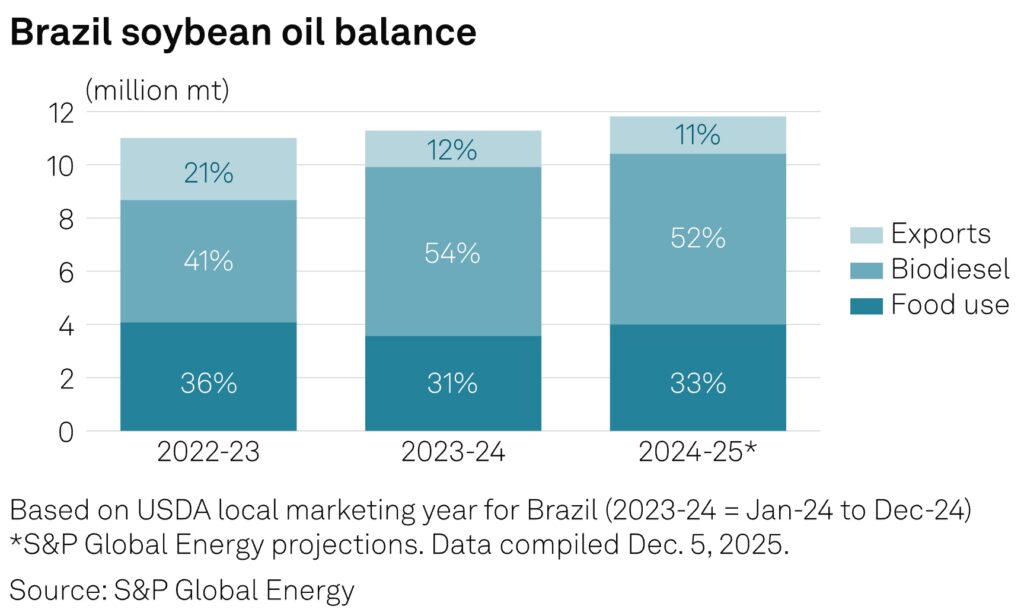
The Globoil 2025 session highlighted Argentina and Brazil as vital, conflict-free edible oil suppliers for India amid rising global tensions, with Argentina becoming a primary food security anchor due to increased shipments. South American supplies remain sensitive to fluctuating local policies, such as Brazil’s biodiesel mandates affecting export volumes.
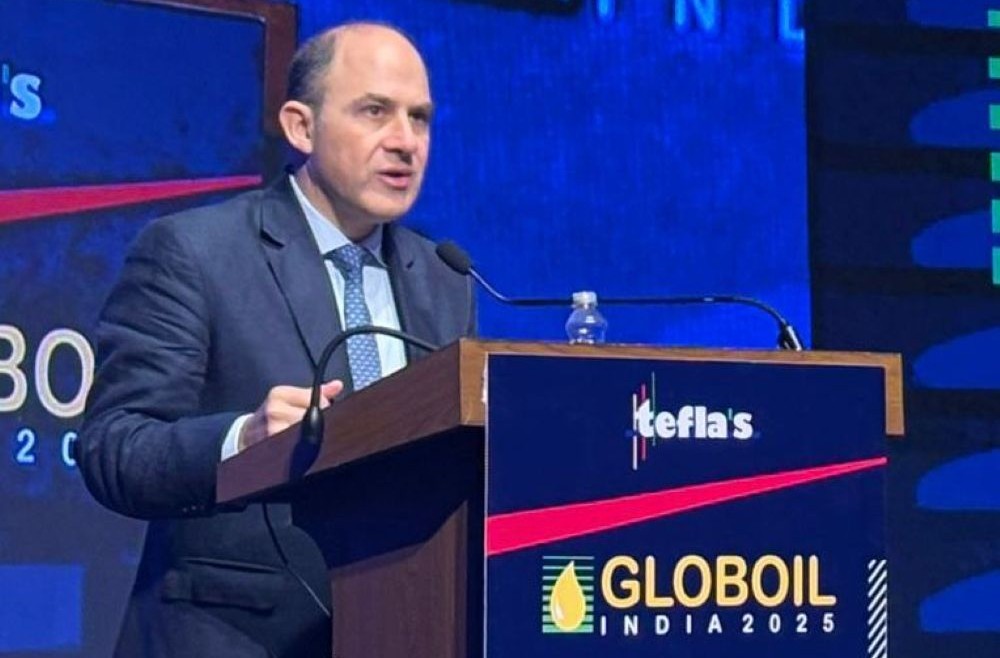
“We firmly believe that the vegetable oil sector, among others, can continue to serve as a pillar of mutual growth and cooperation in the years ahead,” Argentinean Ambassador to India, Mariano Caucino, said at the opening of Globoil in Mumbai.
“In a turbulent market, Argentina remains the most reliable supplier of soft vegetable oils for Indian consumers. Distant from war conflicts, with strong productive capacity and outstanding export constant performance, Argentina is India’s leading supplier of soybean oil and its third supplier of sunflower oil,” he said.
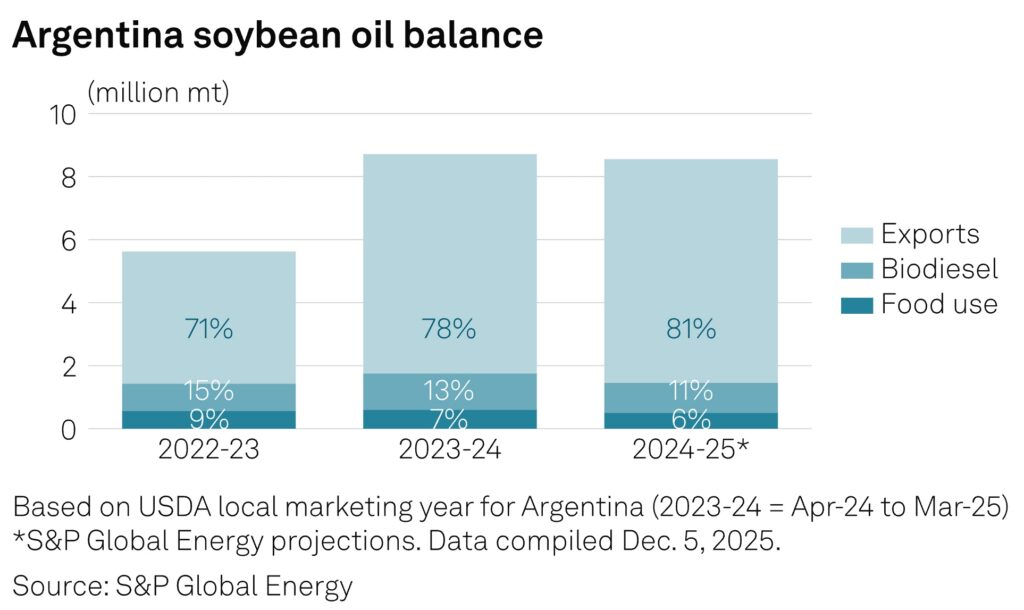
India’s reliance on South American imports is driven by low domestic yields, with recent customs duty reductions making local prices directly sensitive to regional market changes. The strategic trade corridor between India and Latin America is currently the definitive factor in balancing global vegetable oil liquidity.
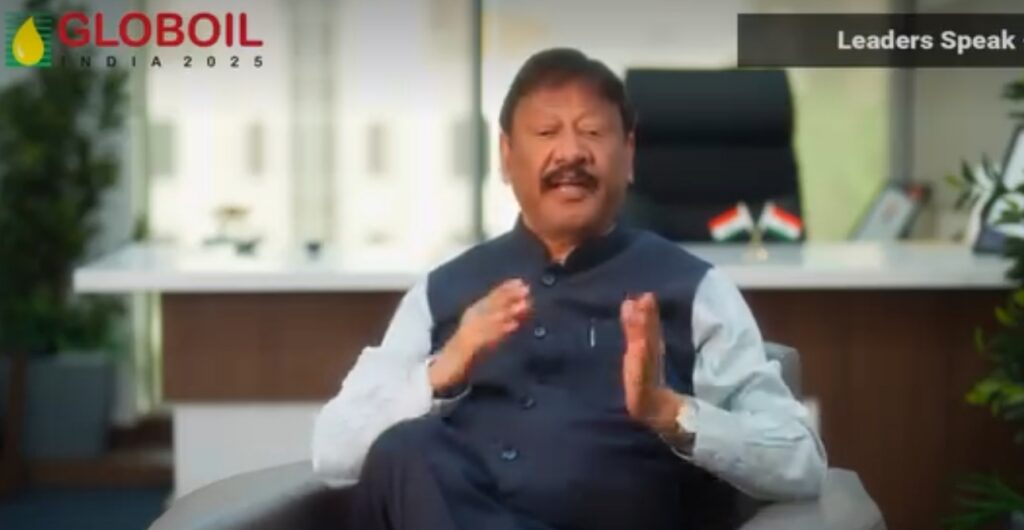
At Globoil India 2025, Angshu Mallick, Managing Director & CEO of AWL Agri Business Limited, highlighted a highly positive outlook for India’s FMCG sector, driven by easing inflation and rural demand outpacing urban consumption. While reaffirming the company’s market leadership in the edible oil sector—predicting steady annual volume growth of 8% to 10%—Mallick focused heavily on the company’s aggressive diversification. He outlined AWL’s multi-pronged expansion deeper into staples like rice, pulses, and sugar, targeting a ₹10,000 crore food portfolio by FY27. He also noted that while traditional trade remains vital for oil distribution, packaged food categories are experiencing explosive 40% annual growth via quick-commerce channels, transforming urban grocery supply chains.
On the sustainability and sourcing front, Mallick emphasized the strategic role of localized agriculture in stabilizing the industry. He spotlighted the company’s National Mustard Mission, which deploys thousands of model farms across Rajasthan and Madhya Pradesh to boost domestic crop yields by roughly 30%. This initiative aligns directly with national self-reliance goals to reduce dependence on costly oilseed imports. Ultimately, Mallick’s address painted a picture of a resilient, tech-driven agri-business leveraging premium brands like Kohinoor for metro markets, while simultaneously deepening its rural footprint to capture the next wave of Indian consumer spending.
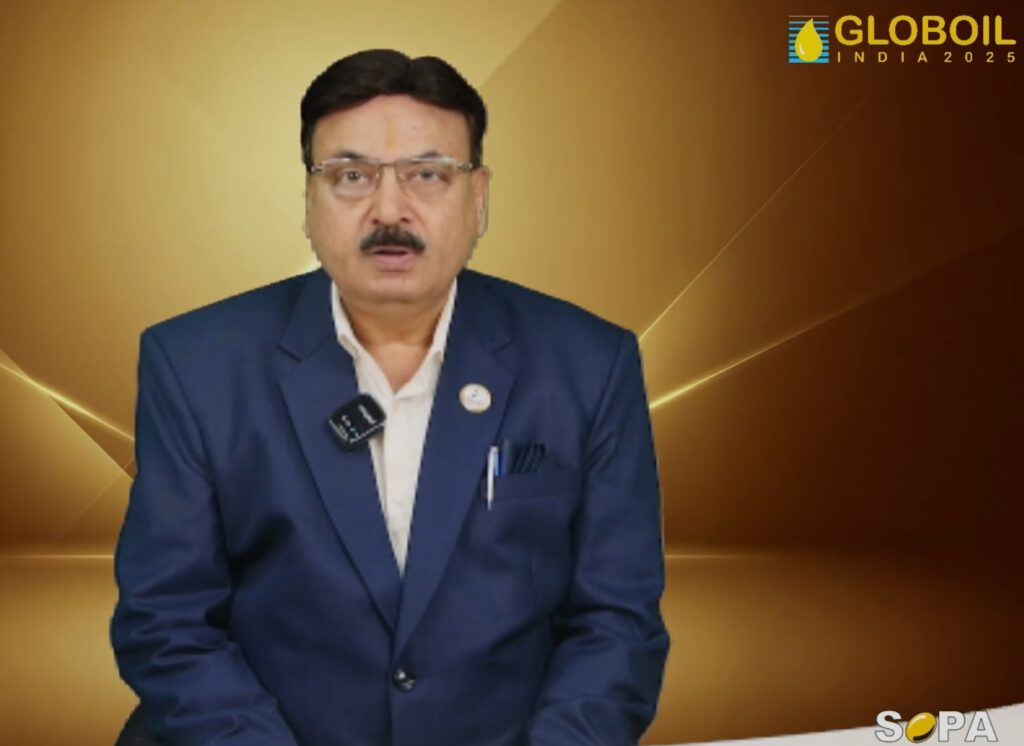
At Globoil India 2025 in Mumbai, Dr. Davish Jain, Chairman of SOPA and President of the Prestige Group of Industries, delivered a powerful keynote address focused on transforming India’s oilseed and agricultural sectors. He strongly advocated for a shift from traditional raw commodity trading toward high-value production and food innovation, which would significantly boost domestic business value. Additionally, Dr. Jain emphasized the critical integration of digital technologies and precision farming to elevate crop yields, shield the supply chain from climate vulnerabilities, and help the local industry successfully navigate the extreme volatility of global edible oil markets.
Central to his vision was a strong call for comprehensive farmer empowerment as the backbone of sustainable long-term agricultural growth. Dr. Jain highlighted that securing India’s food ecosystem depends on equipping farmers with robust market access, modern resources, and financial support to guarantee their long-term profitability. By bridging the gap between industry technology and grass-roots farming practices, his address laid down a strategic blueprint aimed at achieving self-reliance and future-proofing the country’s oilseed sector against global economic shifts.
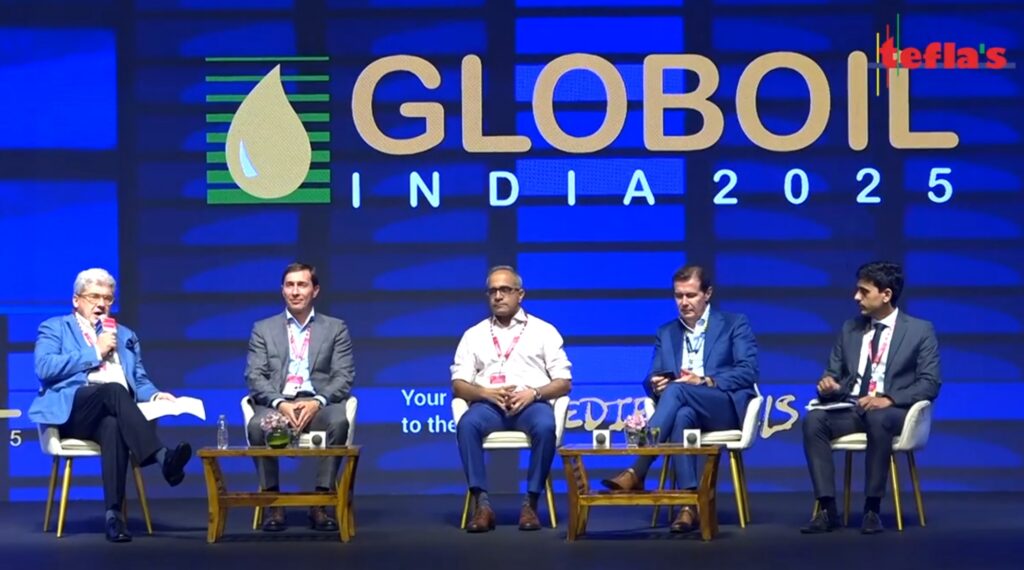
The global sunflower oil market faces severe tightening due to a sharp production drop in the Black Sea region, exacerbated by geopolitical disruptions, logistical constraints, and surging freight costs. Argentina has emerged as a key alternative supplier, but its output cannot fully cover the massive deficit, leading to market volatility and a surge in demand for other vegetable oils.
Long-term market dynamics are shifting, with sunflower oil’s premium expected to remain high due to strong demand from both the food sector and the expanding biofuel industry. Continued high freight rates are forcing major importers, particularly India, to constantly adapt purchasing strategies, ensuring that market stability remains dependent on geopolitical developments and alternative supply volumes
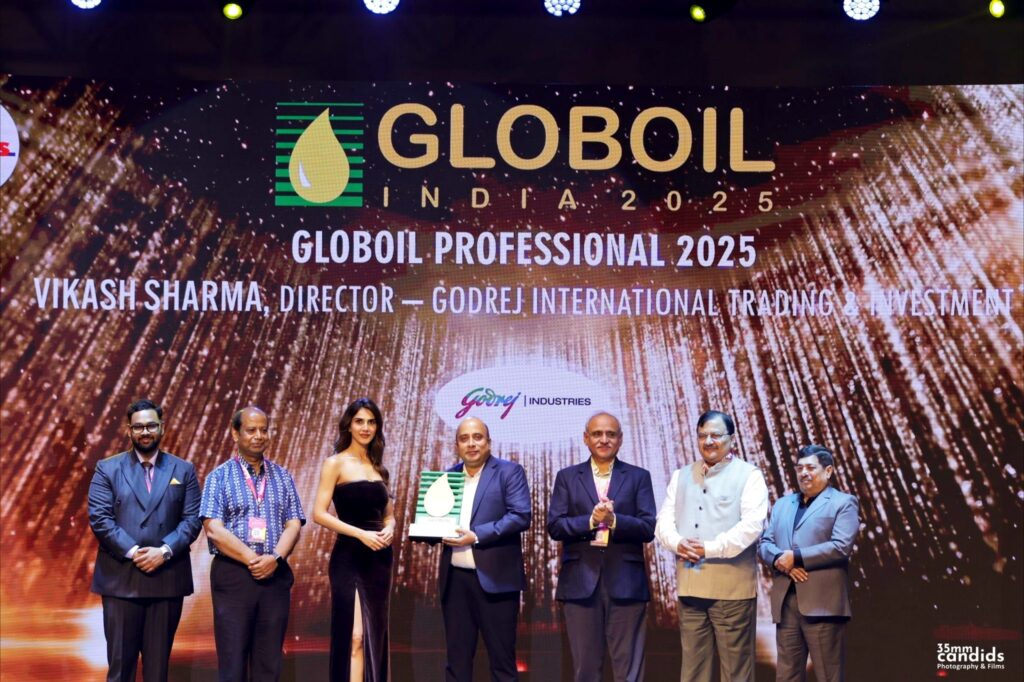
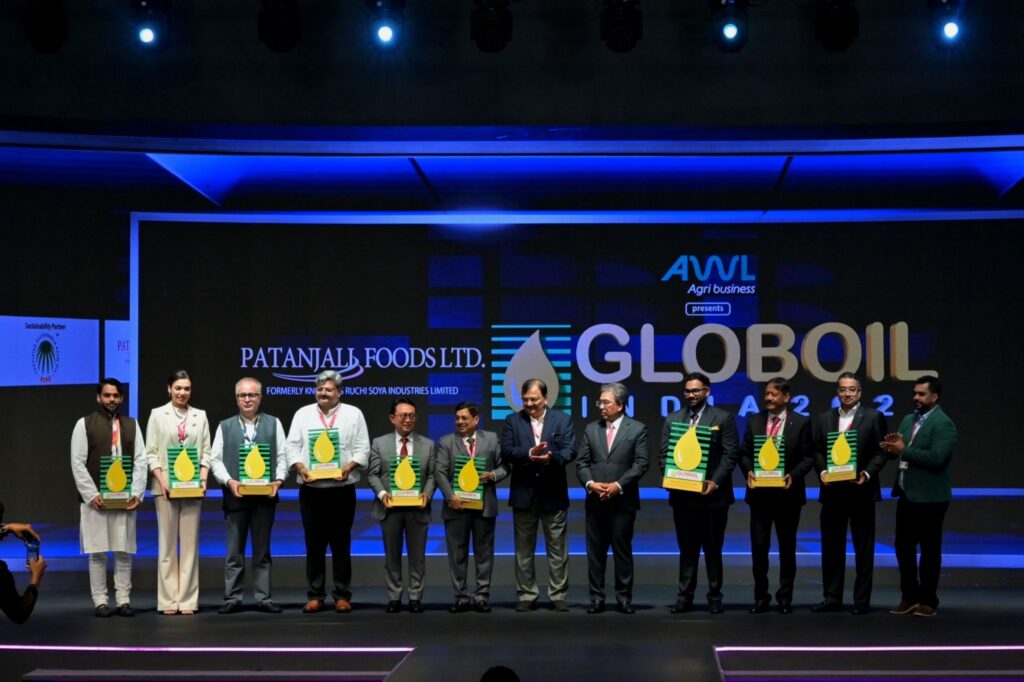
Beyond the boardrooms and business discussions, the heart of Globoil 2025 truly came alive during the Gala Networking Dinner and cultural evenings—a beautiful celebration of India’s vibrant heritage woven into the fabric of global collaboration.

Held at the elegant Westin Mumbai Powai Lake, the evening was graced by the graceful presence of actresses Bhagyashree and Vaani Kapoor, who added a touch of cinematic charm to the festivities.

The air was filled with rhythm and color as acclaimed singers Farid Ahmed and Babbar Mudasar delivered a soulful musical performance, setting the stage for an enchanting International Dance and Fashion Show. This dazzling showcase not only highlighted diverse cultural expressions but also symbolized the unity and creativity that define the global agri-trade community.


From traditional motifs to contemporary designs, every moment reflected the spirit of connection—where partnerships were nurtured not just through dialogue, but through shared joy, art, and celebration. It was more than an event; it was an experience that honored tradition while embracing the future.