
DMCC – GATEWAY FOR INDIA
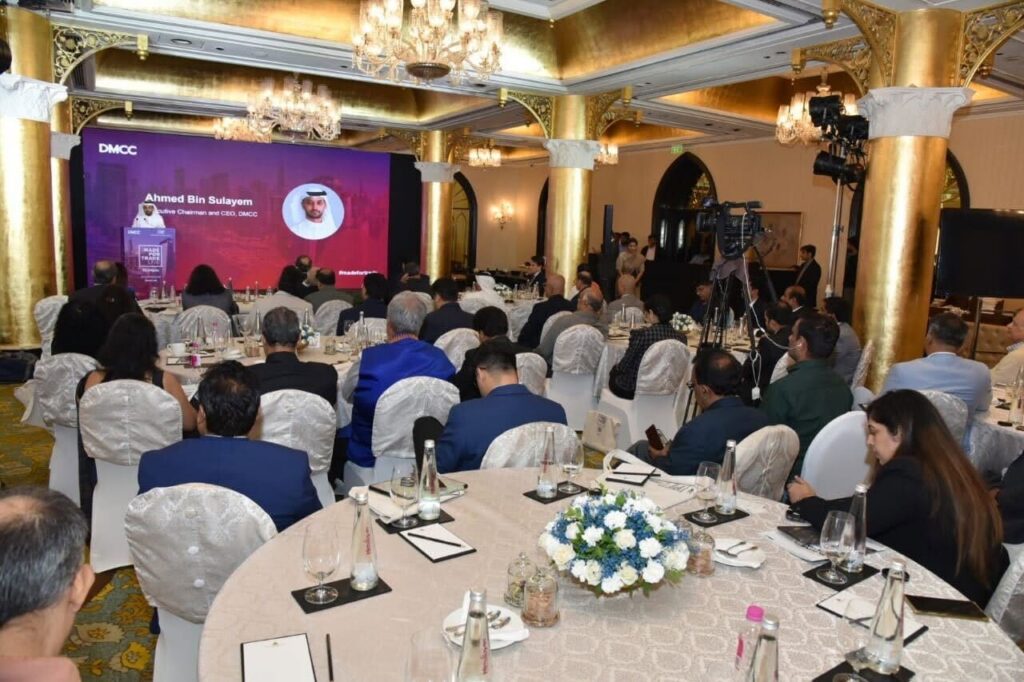
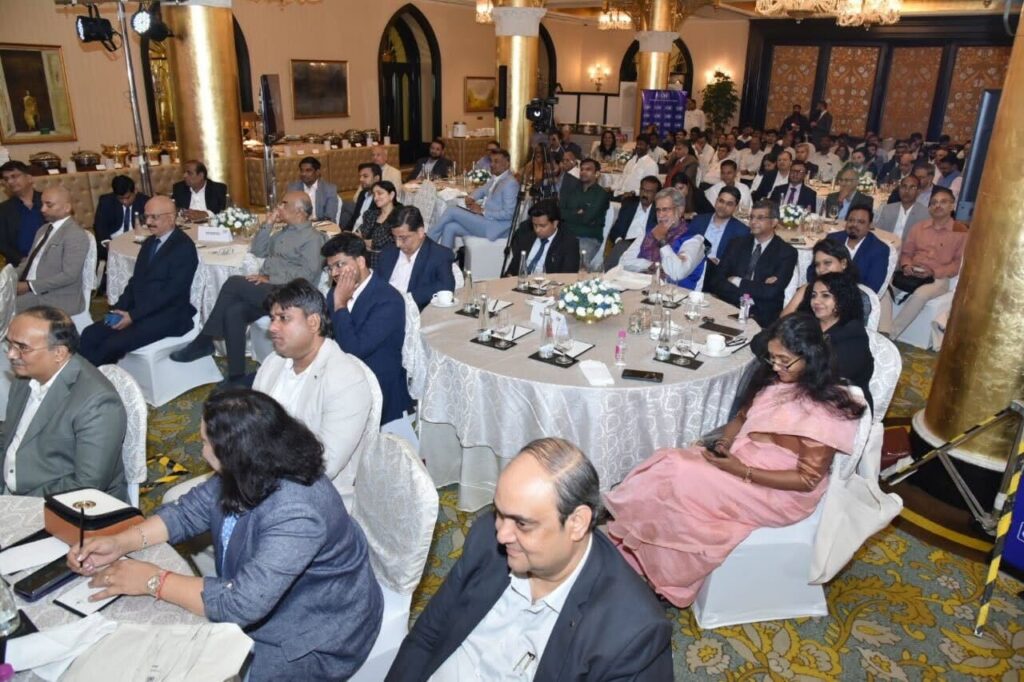
The *Made For Trade Live* event in Mumbai, organized in partnership with CII and the DMCC India Representative Office, spotlighted Dubai as a prime destination for Indian businesses looking to expand globally. With its business-friendly policies, strategic location, and access to emerging markets, Dubai offers a seamless launchpad for growth.
At the heart of it all, DMCC’s award-winning community provides companies with tailored infrastructure, industry-specific ecosystems, and exclusive networking opportunities—making it easier than ever to set up, scale, and succeed in a dynamic, future-ready hub.
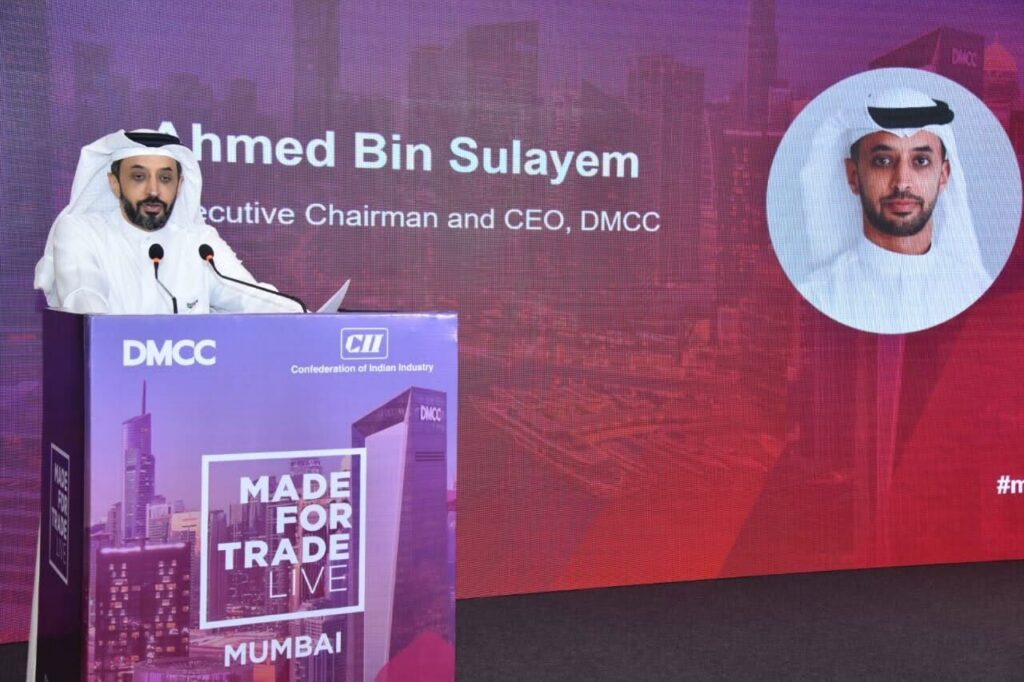
With bilateral trade between India and the UAE surpassing $100 billion in 2025, the Made For Trade event underscored a rapidly deepening economic partnership. Discussions highlighted how technology is accelerating cross-border commerce, enabling smoother, smarter, and more integrated trade. As both nations strengthen their ties, Dubai’s role as a global business gateway offers Indian entrepreneurs a strategic, future-ready platform to scale internationally—backed by innovation, infrastructure, and shared vision.
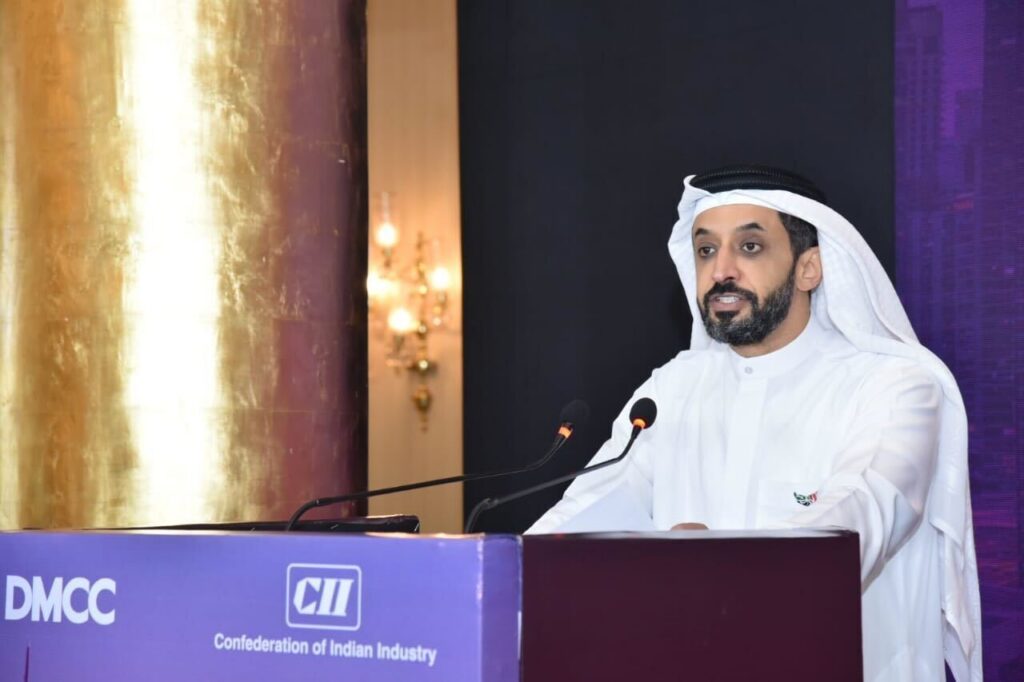
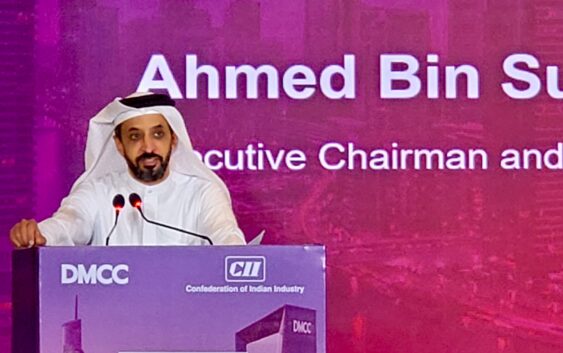
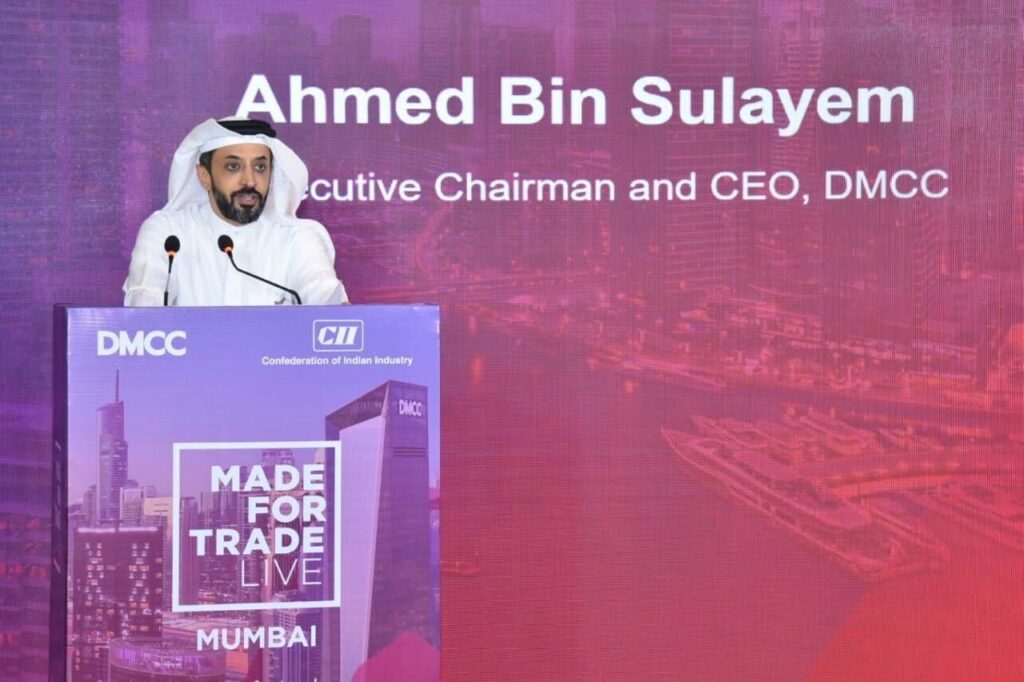
The ‘Made for Trade Live’ networking session hosted by DMCC in Mumbai, led by Executive Chairman and CEO Ahmed Bin Sulayem in partnership with CII, highlighted Dubai’s expanding economic ties with India and strong acceleration points for cross-border enterprise.
Strategic Growth & Bilateral Ties
Strong Indian Footprint: Nearly 4,000 Indian companies currently operate within the DMCC ecosystem, reflecting a steady 7.1% year-on-year increase.
Localised Facilitation: DMCC’s Mumbai representative office acts as a direct bridge, offering Indian business leaders simplified pathways, advisory support, and localized onboarding into Dubai’s market.
Key Sector Opportunities
Commodities & Trade: Heavy emphasis remains on traditional mainstays, including gold, natural and lab-grown diamonds, precious metals, tea, coffee, and agricultural foodstuffs.
Tech & Future Industries: High-growth segments like Artificial Intelligence, Web3, blockchain, crypto, gaming, and AR/VR are heavily supported by DMCC’s integrated digital and tech ecosystem.
Professional Services: High demand and robust frameworks exist for incoming management, marketing, accounting consultants, and proprietary capital market traders.
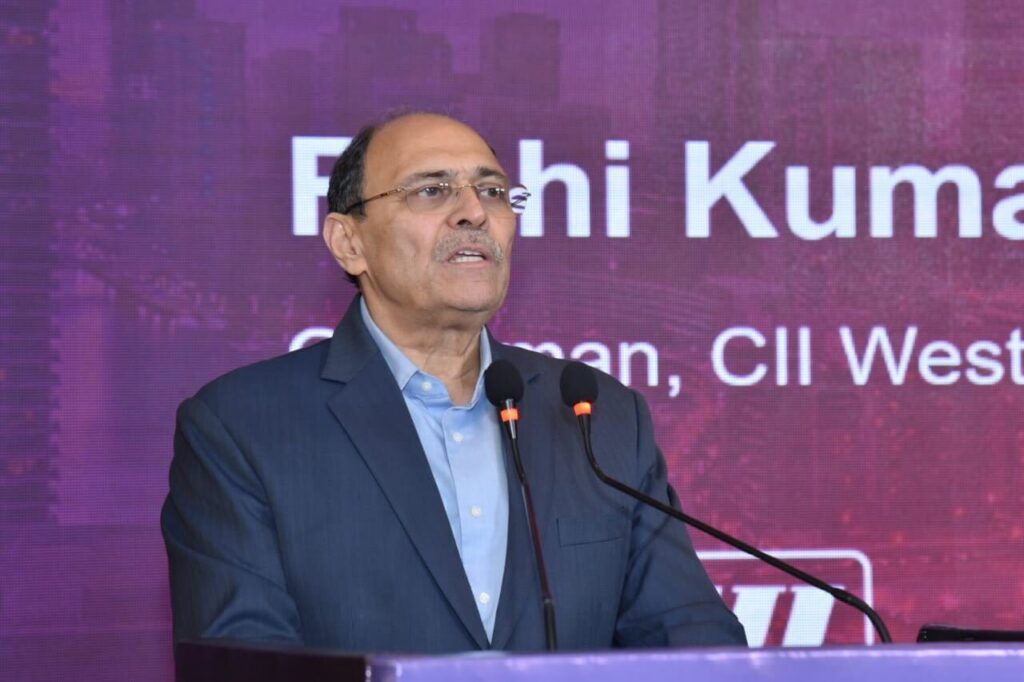
Rishi Kumar Bagla—the Chairman of the CII Western Region—delivered a strategic talk focusing on expanding India-UAE bilateral trade.
Key Highlights from Rishi Kumar Bagla’s Talk
Bilateral Economic Growth: He highlighted that India-UAE trade reached an estimated value of US$ 180 billion, heavily driven by active trade corridors and economic partnerships like the CEPA.
Internationalisation Strategy: He emphasised that a core focus for the CII Western Region is helping Indian enterprises tap into international ecosystems, reducing the barriers to global expansion.
Dubai as a Strategic Hub: He pointed to Dubai’s centralized time zone, pro-business infrastructure, and attractive policies as an ideal gateway for Indian companies to access European, African, and Middle Eastern markets.
Fostering Innovation: He detailed how cross-border cooperation enables local manufacturers and tech firms from states like Maharashtra and Gujarat to scale operations through free zones like DMCC.
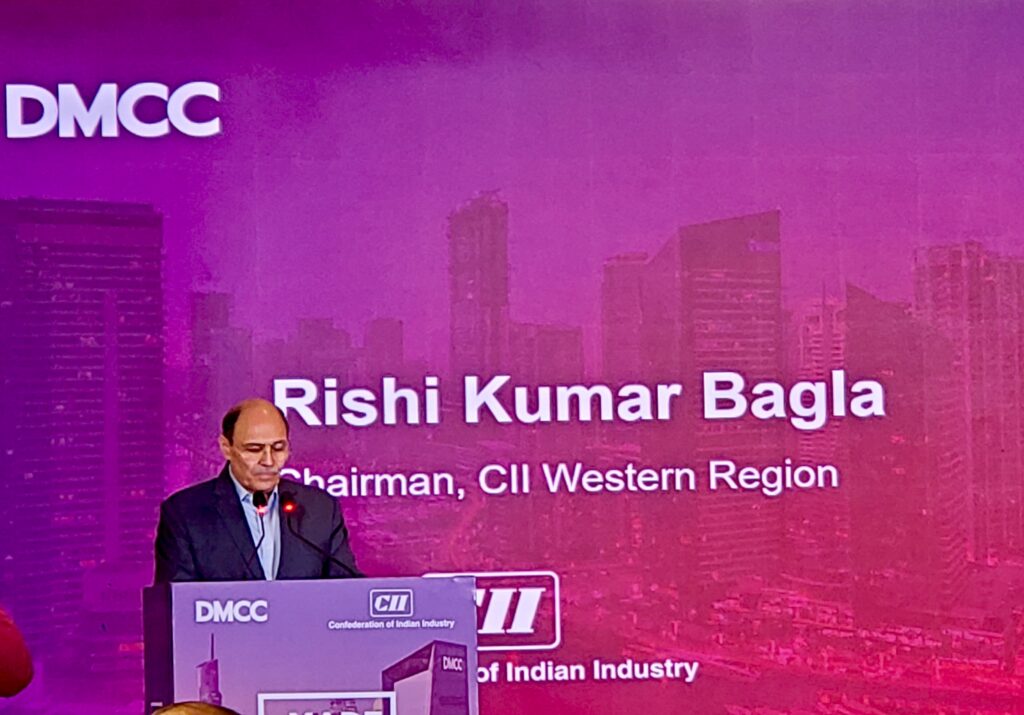
“India-UAE trade, valued at US$ 180 million per annum in the 1970s, reached US$ 85 billion in 2022-23 making UAE, India’s third largest trading partner for the year 2022-23 after China and US. As a Government of Dubai authority, DMCC has been at the forefront of creating a conducive ecosystem for #trade, #investment, and #growth, providing unparalleled infrastructure, services, and opportunities for businesses to expand and flourish.” – Mr. Rishi Kumar Bagla, Chairman, CII Western Region, and Chairman and MD, BG Electricals & Electronics Ltd.
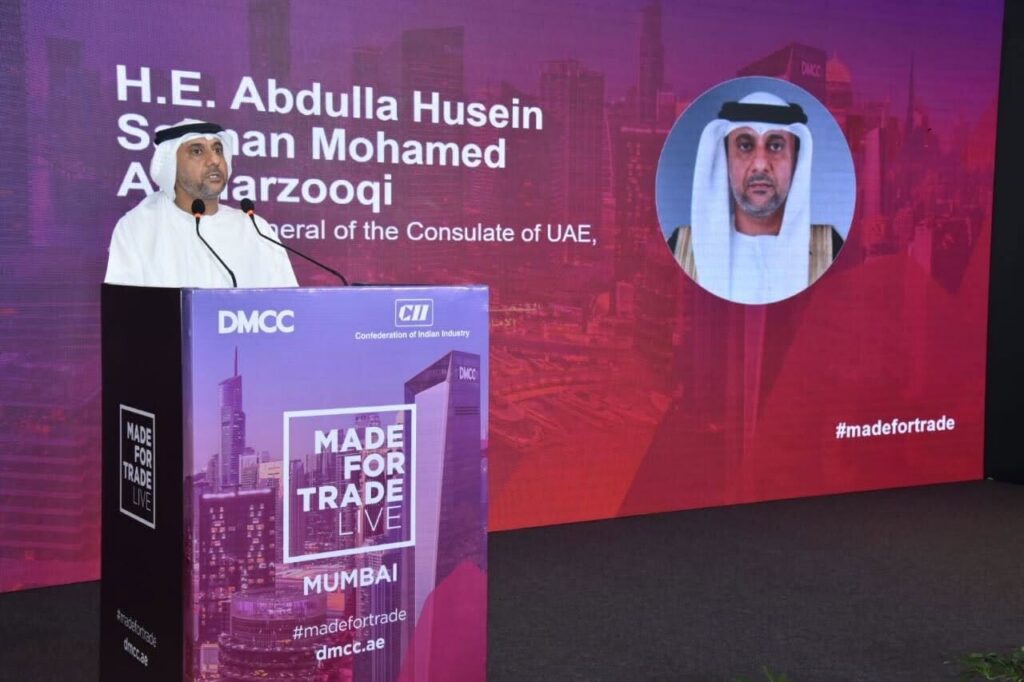
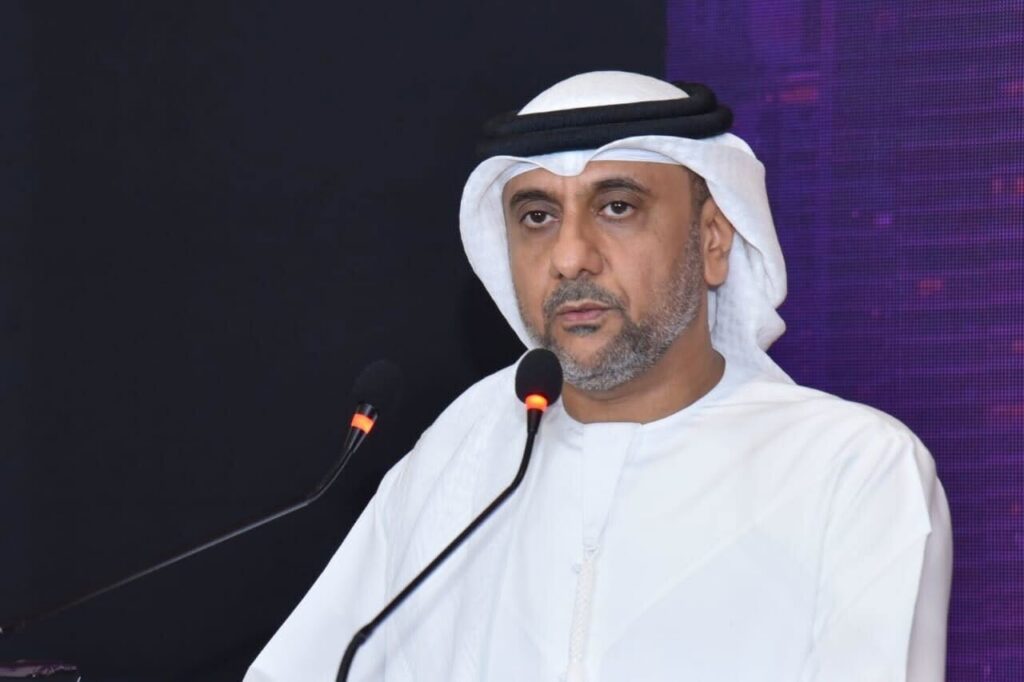
Keynote speaker H.E. Abdulla Husein Salman Mohamed Al-Marzooqi highlighted that India is Dubai’s second-largest trading partner, contributing 21.5% of FDI in Dubai, with 73,000+ Indian companies integrated into the Dubai Chambers. The address, part of the DMCC “Made For Trade Live” series, underscored Dubai as a strategic global gateway for Indian business expansion, capitalizing on the UAE-India CEPA agreement and targeting a USD 100 billion bilateral trade goal by 2030.
Trade and Bilateral Ties
Surging Trade: Bilateral UAE–India trade surpassed $85 billion, tracking toward a $100 billion target by 2030, bolstered by the India-UAE CEPA.
Market Position: India stands as Dubai’s second-largest trading partner, featuring over 73,000 Indian companies registered with Dubai Chambers.
Foreign Investment: India ranks as the largest foreign direct investment contributor to Dubai by value at 21.5%.
Business Ecosystem and Incentives
Tax Advantages: Dubai offers 0% personal income tax, 5% VAT, and a competitive 9% corporate tax framework.
Target Sectors: High-potential fields include IT and software, food and beverage, business services, consumer products, and textiles.
Logistics Support: Initiatives like the World Logistics Passport fast-track cargo movement to cut administrative expenses.
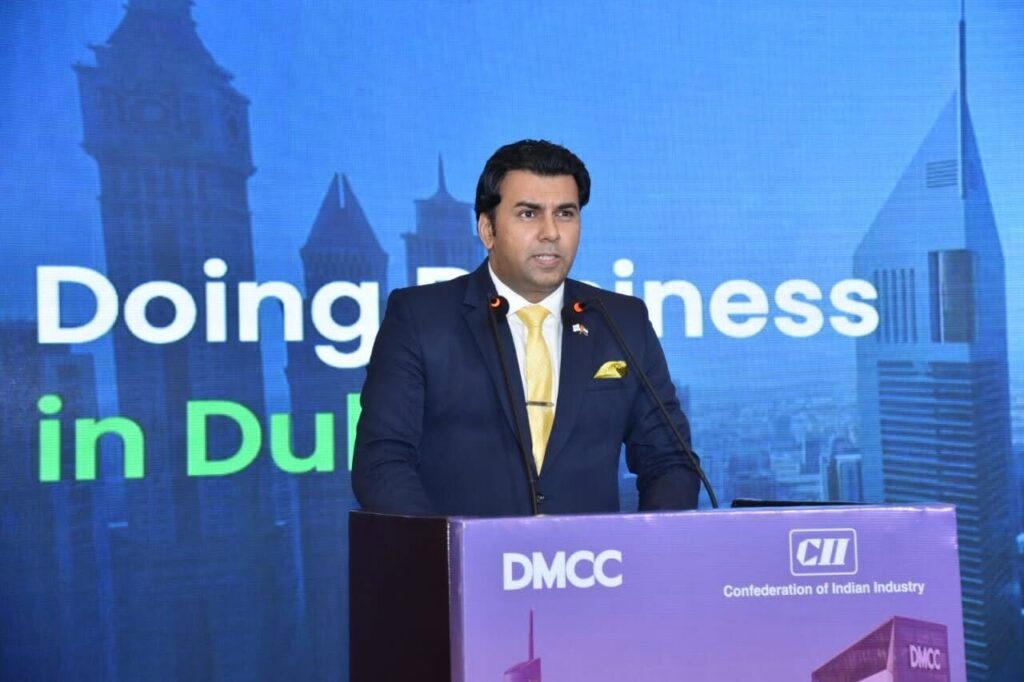
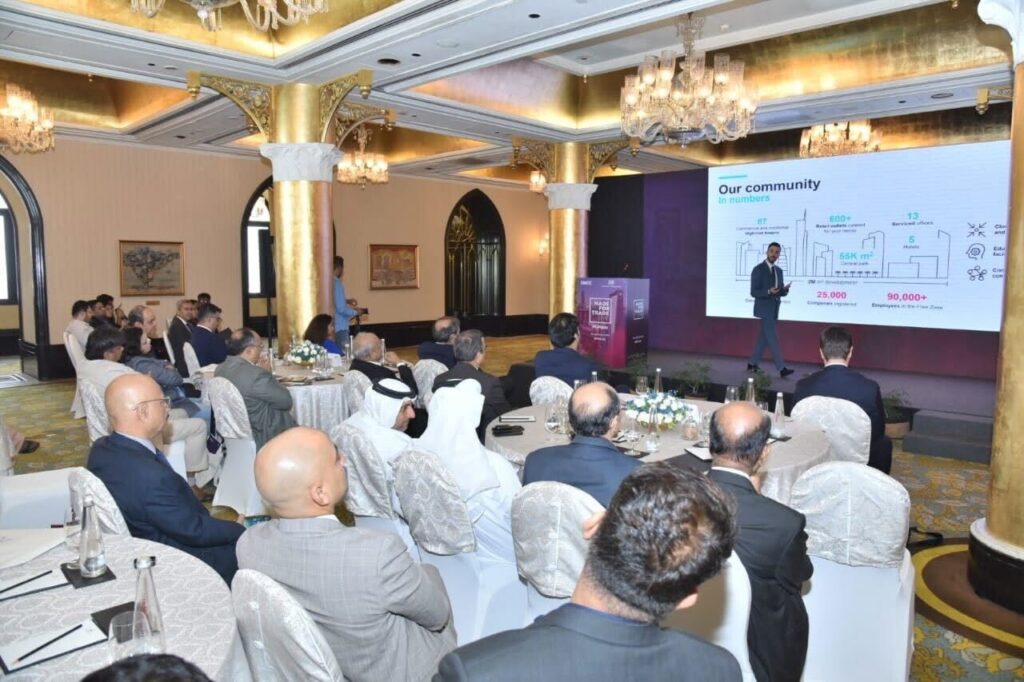
At the Made For Trade Live event in Mumbai, Abhijitsinh Jadeja, Chief Representative – India at Dubai Chambers, delivered a compelling case for Indian businesses to establish a presence in Dubai as a gateway to global growth. With bilateral trade between India and the UAE surpassing $100 billion in 2025, the economic synergy between the two nations has never been stronger—and Dubai sits at the heart of this transformation.
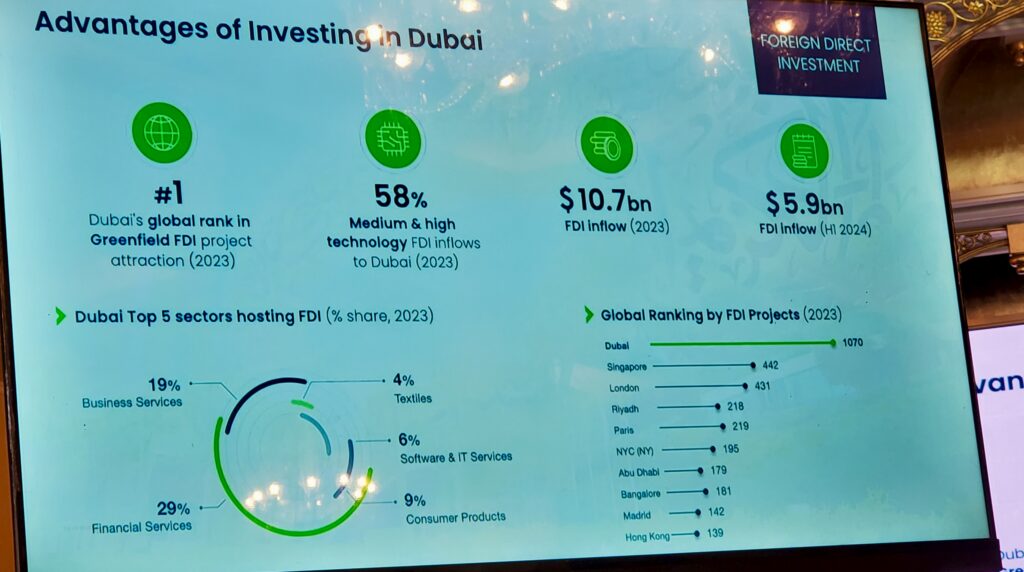
One of the most powerful takeaways was Dubai’s unmatched strategic advantage: a four-hour flight radius covering 2.5 billion consumers across Africa, Asia, and Europe. This makes it not just a regional hub, but a global springboard for Indian entrepreneurs, startups, and enterprises alike.
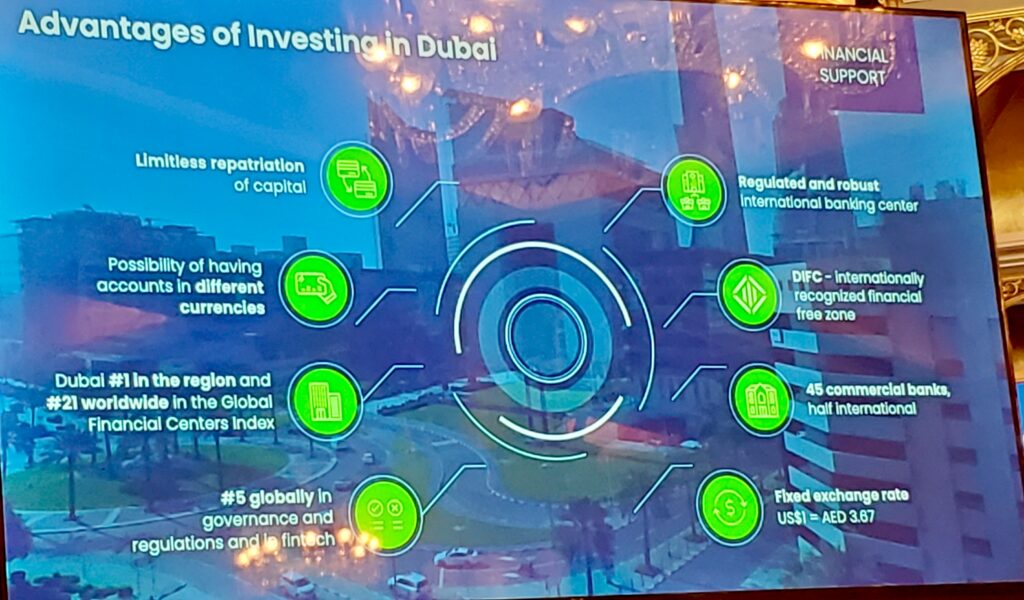
Jadeja emphasized that over 4,000 Indian companies are already thriving within the DMCC (Dubai Multi Commodities Centre) free zone, drawn by its business-friendly ecosystem. Key benefits include 100% foreign ownership, zero income and corporate taxes, full repatriation of profits, and streamlined setup processes that allow businesses to be operational in days, not months.
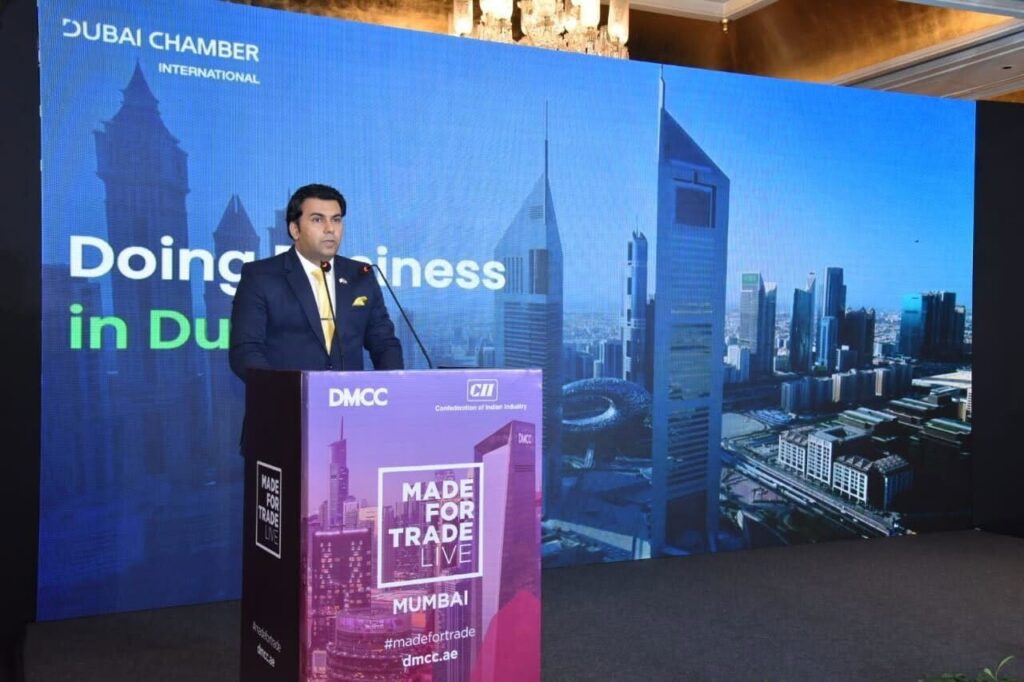
Beyond policy advantages, DMCC offers tailored infrastructure and support for key sectors—commodities, technology, fintech, energy, and luxury goods—enabling companies to plug directly into vibrant, industry-specific networks. From dedicated licensing to bespoke advisory services and exclusive networking events, the ecosystem is designed to nurture growth at every stage.
He also highlighted Dubai’s role as a technology-enabled trade hub, where digital platforms, smart logistics, and blockchain integration are redefining efficiency in cross-border commerce. With its central time zone, world-class connectivity, and high quality of life, Dubai isn’t just easy to do business in—it’s easy to live and scale in.
Ultimately, Jadeja’s message was clear: for Indian businesses ready to go global, Dubai isn’t just an option—it’s the smartest next step.
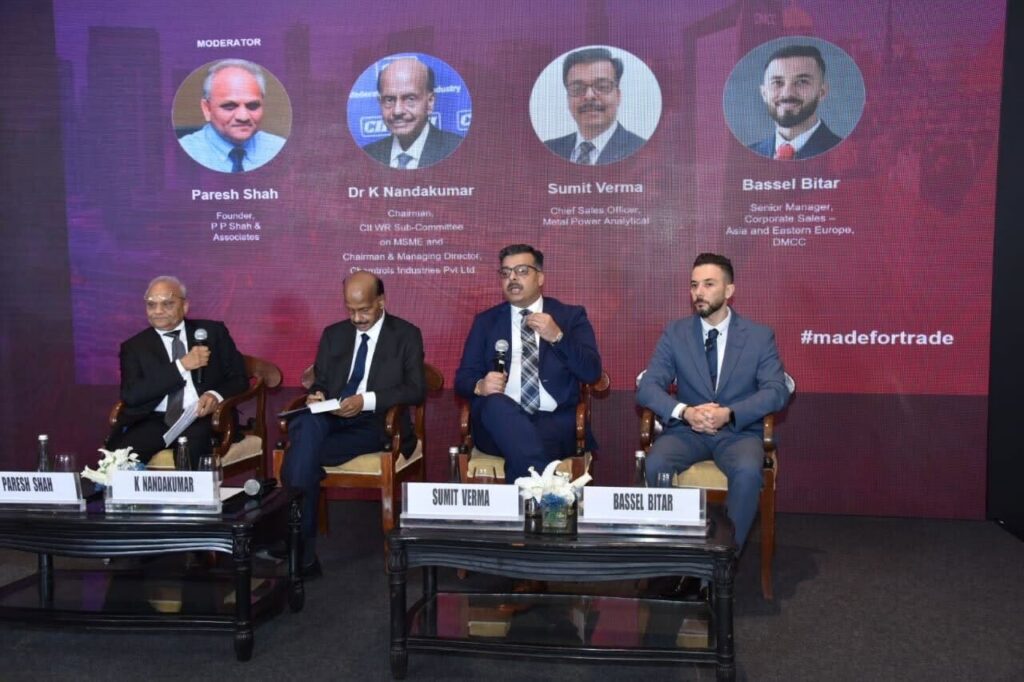
Panellists: Dr K Nandakumar, Chairman, CII WR Sub-Committee on MSME and Chairman & Managing Director, Chemtrols Industries Pvt Ltd, Sumit Verma, Chief Sales Officer, Metal Power Analytical, Bassel Bitar, Senior Manager, Corporate Sales – Asia and Eastern Europe, DMCC, focused on simplifying cross-border expansion and positioning Dubai as the primary international gateway for Indian businesses looking to scale globally.
The primary takeaways from the panel discussion featuring Dr. K. Nandakumar, Sumit Verma, and Bassel Bitar include:
1. Scaling Indian MSMEs Internationally
Global footprint: Dr. K. Nandakumar emphasized that Indian micro, small, and medium enterprises (MSMEs) must look beyond domestic borders to sustain long-term growth and global competitiveness.
Ecosystem support: Businesses can utilize the CII Western Region sub-committee networks to ease the transition from local manufacturing to international distribution.
2. Overcoming Export and Analytical Challenges
Quality compliance: Sumit Verma highlighted that entering strict global markets requires precise quality control and advanced analytical infrastructure.
Market trust: Meeting international material and engineering standards is vital for Indian manufacturers to secure corporate contracts in the Gulf and European regions.
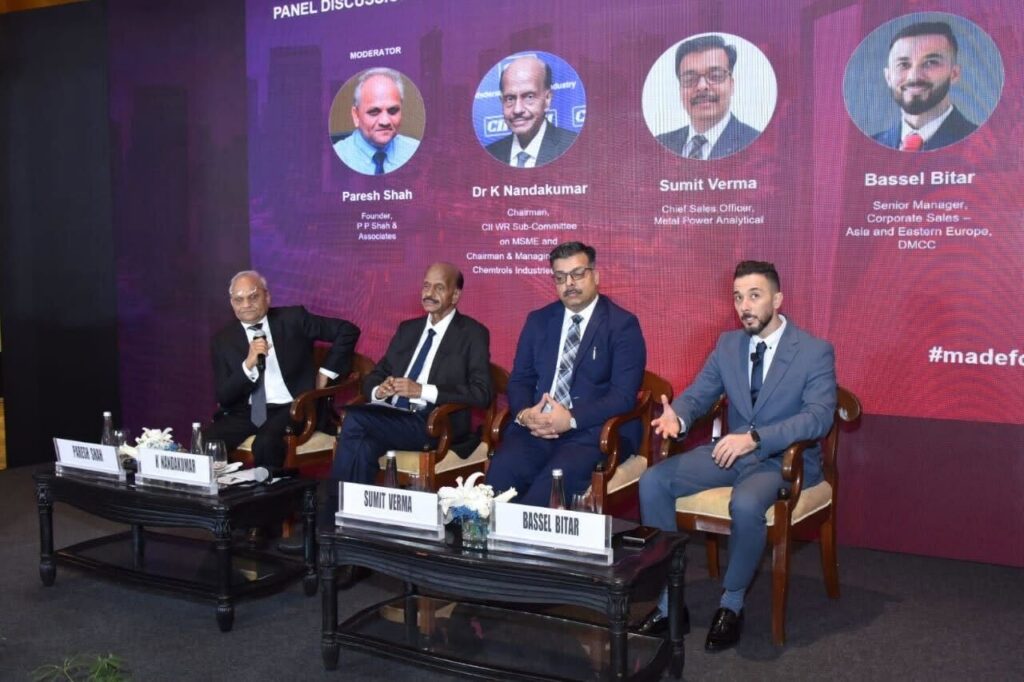
3. Dubai and DMCC as a Growth Launchpad
Favourable policies: Bassel Bitar outlined DMCC’s free zone advantages, which include 100% foreign ownership, full profit repatriation, and zero personal income tax.
Strategic proximity: Setting up a base in Dubai bridges Indian businesses directly to untapped markets across the Middle East, Africa, and Eastern Europe.
Simplified setup: DMCC offers streamlined corporate licensing and physical infrastructure, making it highly accessible for growing industrial firms.