

INHERITANCE OF JEWELRY INDULGENCE
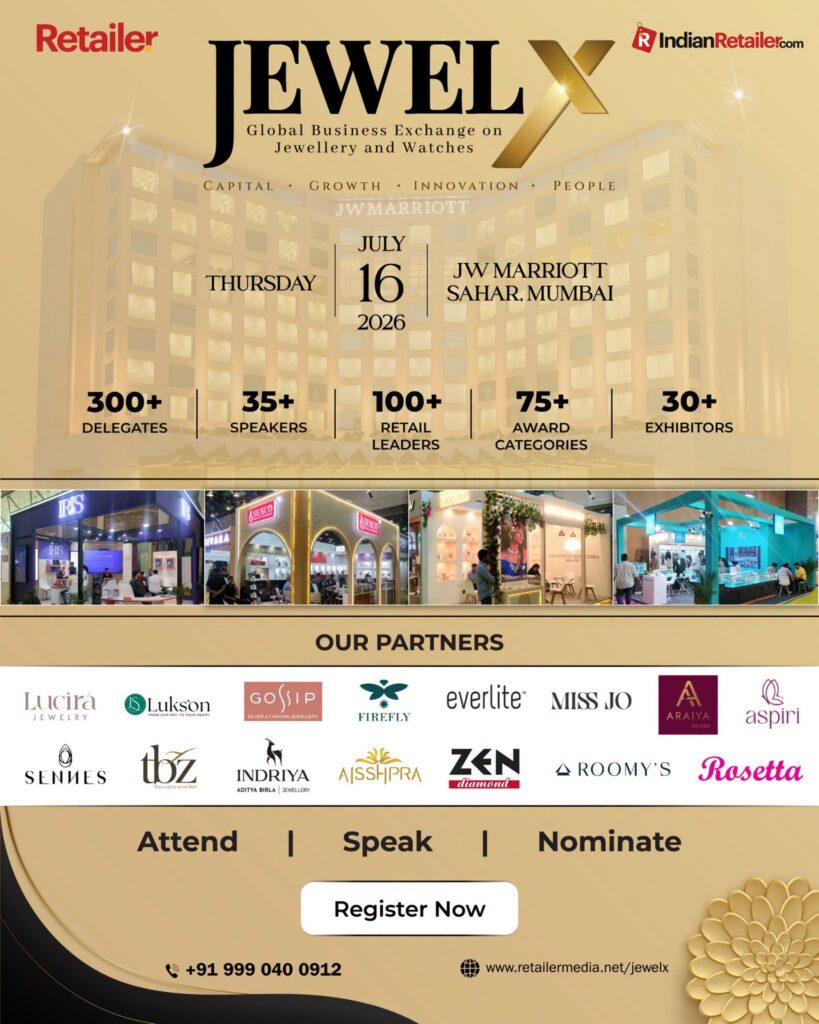
JewelX 2026 was a premier global business exchange and investment summit for the jewellery and watch industry that took place on July 16, 2026, at the JW Marriott Sahar in Mumbai. Organized by Retailer Media and IndianRetailer.com under the theme “Imagine Tomorrow’s Growth Today,” the event served as a major networking platform focusing on retail innovation, brand expansion, and franchise partnerships. The summit brought together over 300 industry delegates, 35 expert speakers, and 100 retail leaders to explore future market trends, including how organized retail is projected to capture nearly 40% of the Indian jewellery market.

A core segment of the event was the Franchise & Investment Conclave, designed for business owners, High-Net-Worth Individuals (HNIs), and retail investors looking to partner with top fine jewellery brands spanning gold, silver, fashion, natural, and lab-grown diamonds. Prominent brands like GIVA, Indriya, TBZ, and Palmonas participated to discuss omni-channel retail transformations and changing consumer behaviours. The day concluded with the JewelX Gala Awards, which celebrated excellence across more than 75 categories, layout out a clear roadmap for strategic growth and investment within India’s luxury ecosystem.
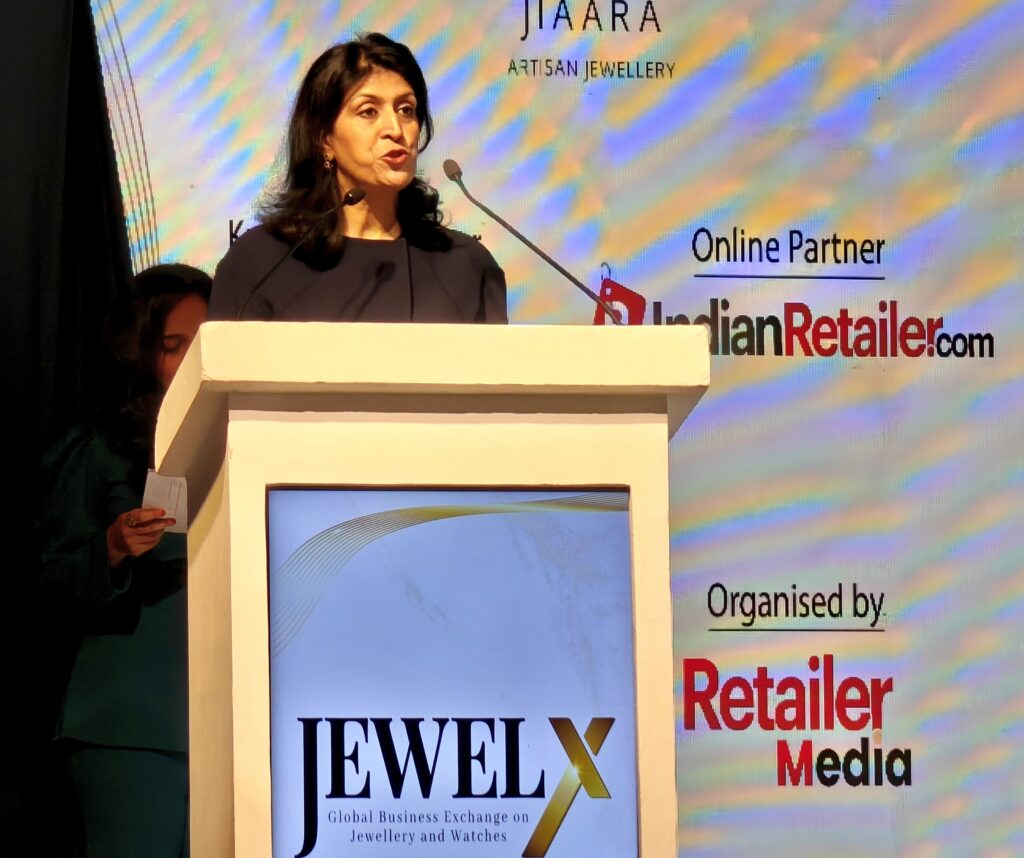
At the JewelX 2026 Summit in Mumbai, Ritu Marya outlined India’s jewellery market transition toward corporate structures through the “Triple G” framework of Growth, Gravitation, and Globalisation. This modernization continues to build upon the traditional “Three I’s” of Investment, Indulgence, and Inheritance, preserving the emotional and financial value of jewellery for consumers.
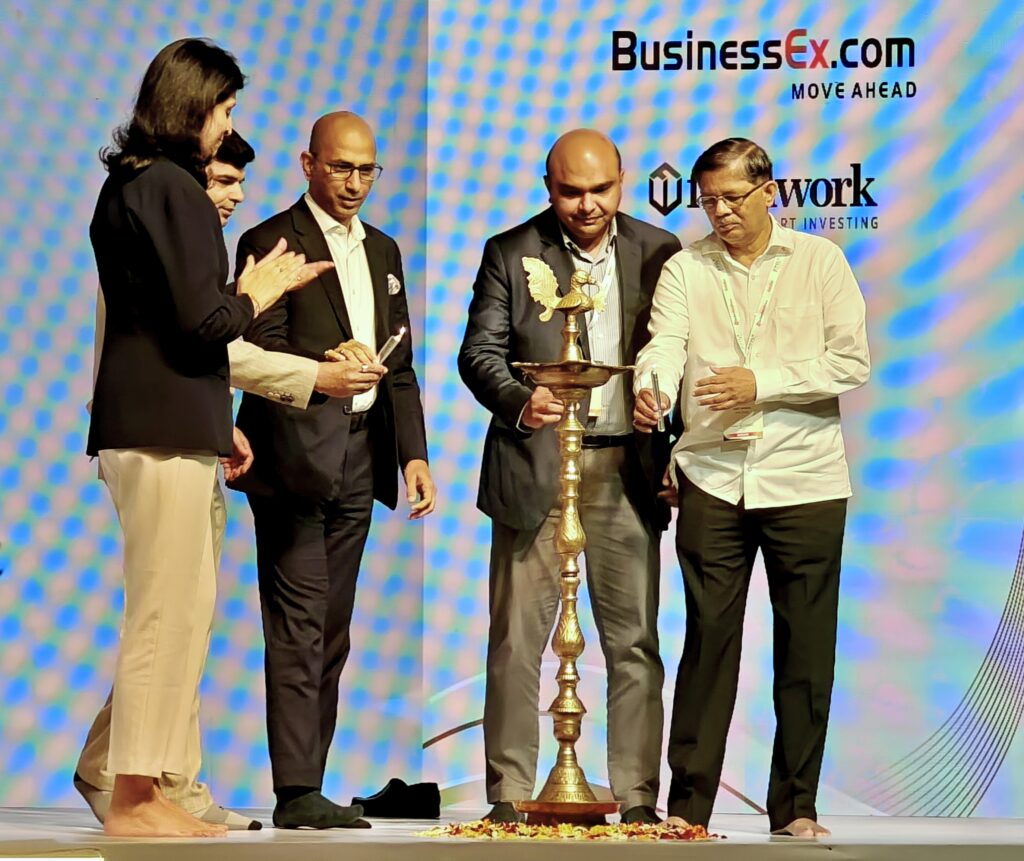
The lamp lighting at Jewels X 2026 in Mumbai was a truly auspicious moment — bringing together sponsors, speakers, and industry leaders in a celebration of heritage, craftsmanship, and new beginnings. ✨ A powerful start to what’s set to be a transformative year for the Indian jewelry world.
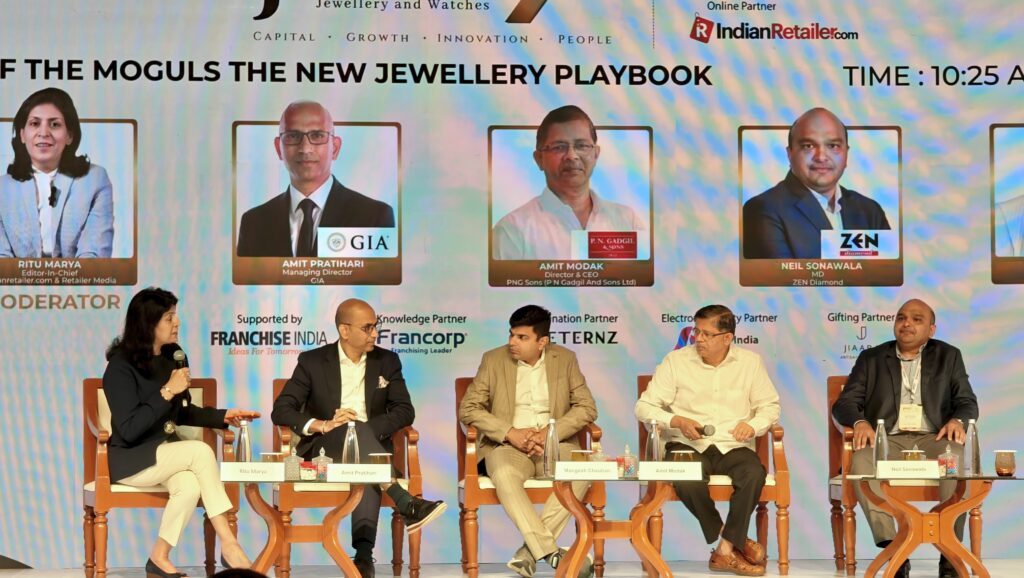
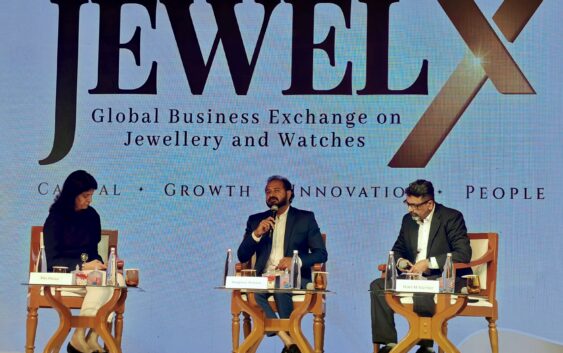
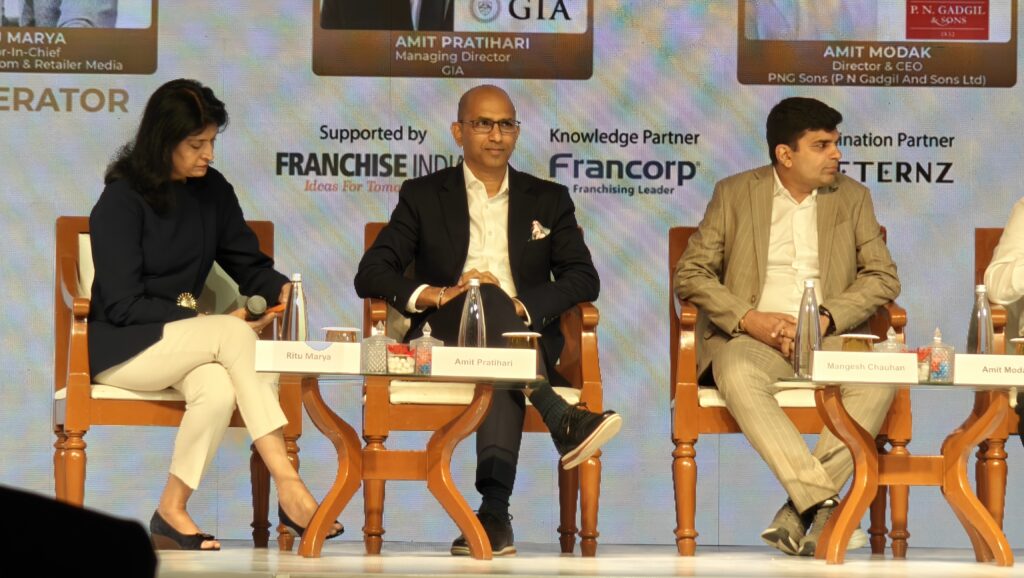
The panel session “Call of the Moguls: The New Jewellery Playbook” at the Jewelry X Summit Mumbai 2026:, brought together top leaders from across the industry, including experts in retail media (Ritu Marya), diamond grading (Amit Pratihari from GIA), manufacturing (Mangesh Chauhan from Sky Gold), legacy retail (Amit Modak from P.N. Gadgil & Sons), and international brands (Neil Sonawala from Zen Diamond).Together, they mapped out a “new playbook” for how jewelry brands must evolve to survive and thrive.
The Main Takeaway
India’s jewelry industry is going through a massive change. Brands are moving away from just selling a product. Instead, they are focusing on trust, modern design, and great customer experiences to win over today’s buyers.
Key Takeaways
Attracting Younger Buyers
Modernizing old, traditional brands to fit the tastes of younger generations.
Blending Old and New
Keeping traditional, handmade craftsmanship alive while creating fresh, modern styles.
Building Deep Trust
Finding new ways to earn and keep customer trust in a crowded, competitive market.
Shopping Anywhere (Omnichannel)
Smoothly mixing physical stores, online shopping, and interactive experiences.
Going Global
Taking Indian jewelry brands beyond India to find growth opportunities around the world.
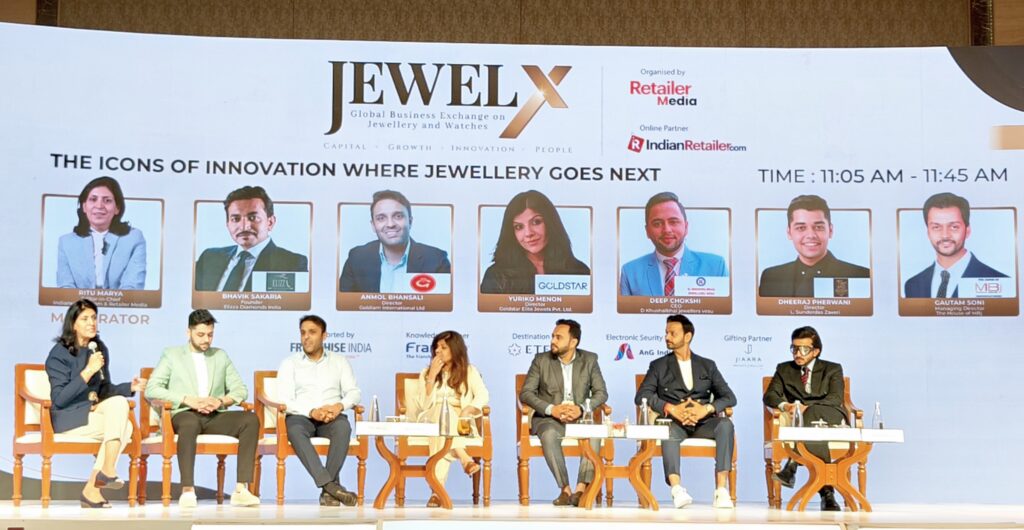
The Icons of Innovation panel at the JewelX 2026 Summit highlighted how modern jewelry brands must adapt to smarter consumers who demand transparency, digital discovery, and high personalization. Industry leaders from brands like Goldiam International, Goldstar Jewellery, and Elizza Diamonds emphasized that physical storefronts are transforming into “phygital” marketing hubs. Success now depends on a seamless omnichannel strategy that blends online research with immersive in-store experiences to drive revenue and build deep, long-term customer loyalty.
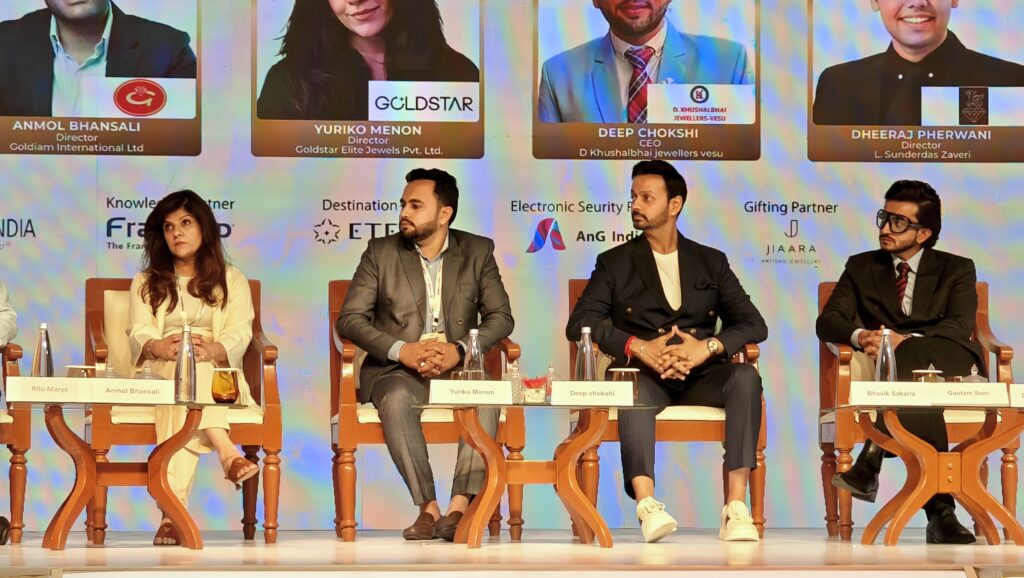
The discussion also mapped out critical avenues for geographic expansion, focusing heavily on India’s rising Tier II and Tier III powerhouse markets. As rising disposable incomes fuel domestic growth in these regional hubs, panelists agreed that it is equally time to accelerate global expansion. Rather than just relying on basic manufacturing, the path to global growth requires Indian brands to scale up through distinct design leadership, storytelling, and premium brand building.
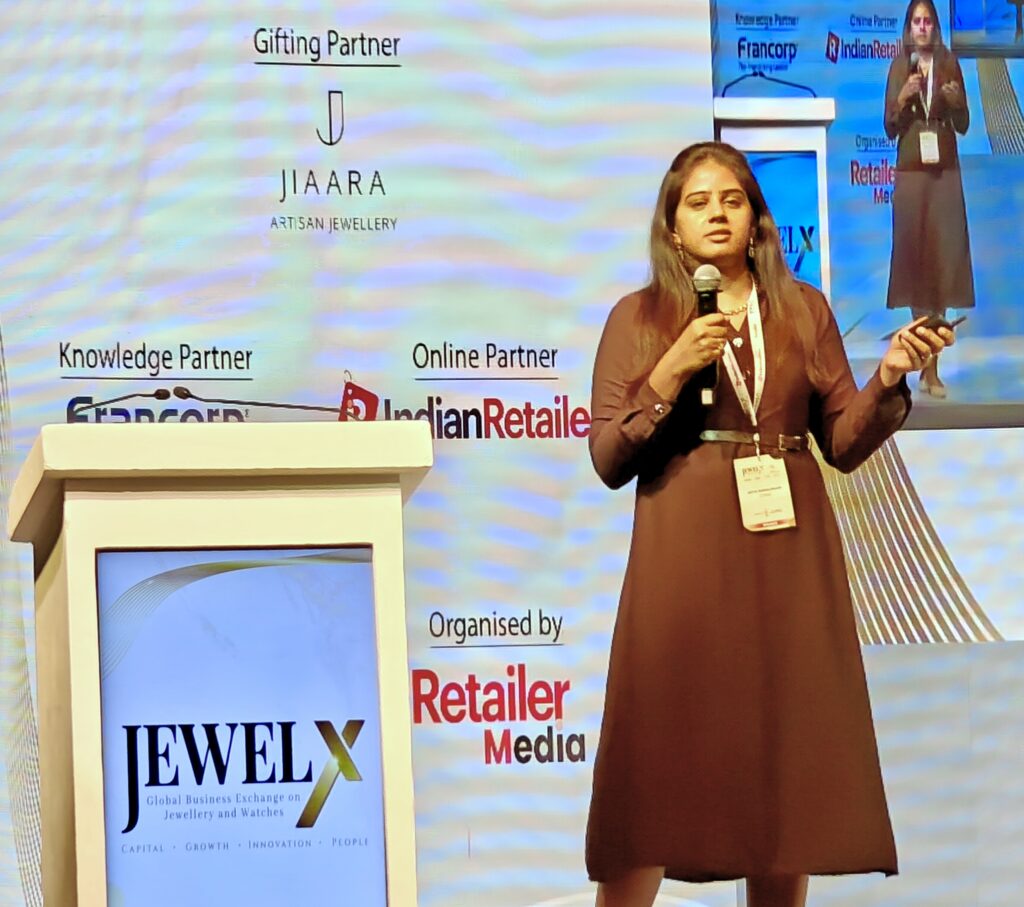
At the JewelX 2026 Summit in Mumbai, Eternz Founder and CEO Arthi Ramalingam detailed how digital platforms are transforming India’s $94 billion jewelry market as younger consumers increasingly view pieces as everyday lifestyle accessories. To capture this demand, curated marketplaces are leveraging verified quality certifications and trusted brand curation to build consumer confidence in high-value online transactions.
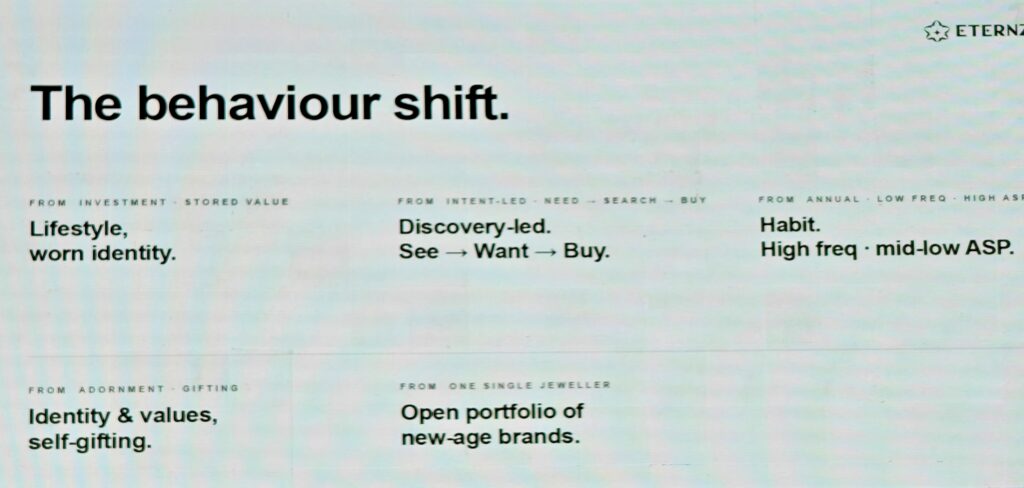
The integration of interactive technologies, such as AI-driven style recommendations and virtual try-ons, is crucial for replicating and enhancing the traditional retail experience online. Ultimately, the industry’s growth trajectory relies on an omnichannel strategy that merges digital marketplaces with physical experience centers and creator partnerships to accelerate direct-to-consumer scaling.
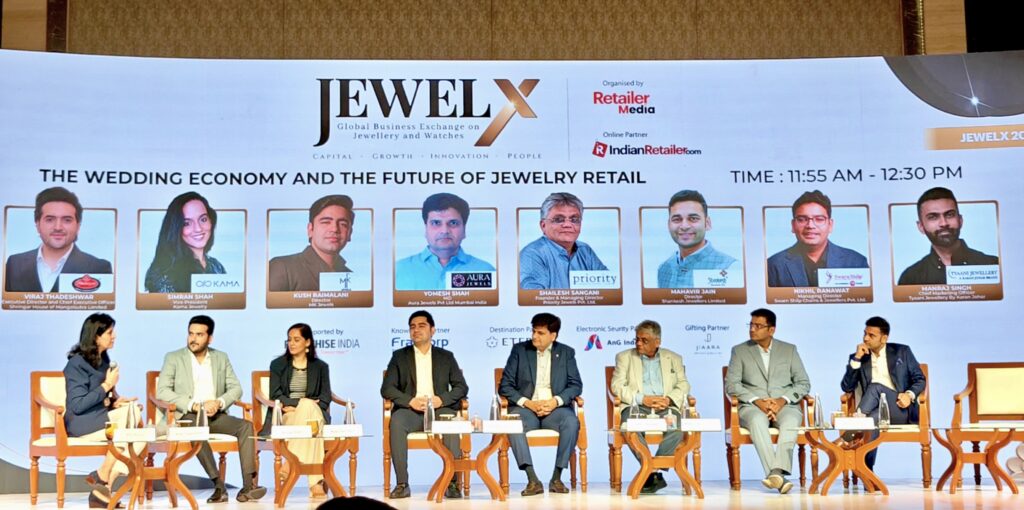
The JewelX 2026 Summit in Mumbai featured an impactful panel session titled “The Wedding Economy and the Future of Jewelry Retail,” bringing together top industry leaders to discuss how India’s multi-billion dollar celebration market is evolving. Moderated by Ritu Marya (Editor-in-Chief, Retailer Media), the session highlighted the critical shifts in bridal consumer behavior, product innovation, and retail strategies.
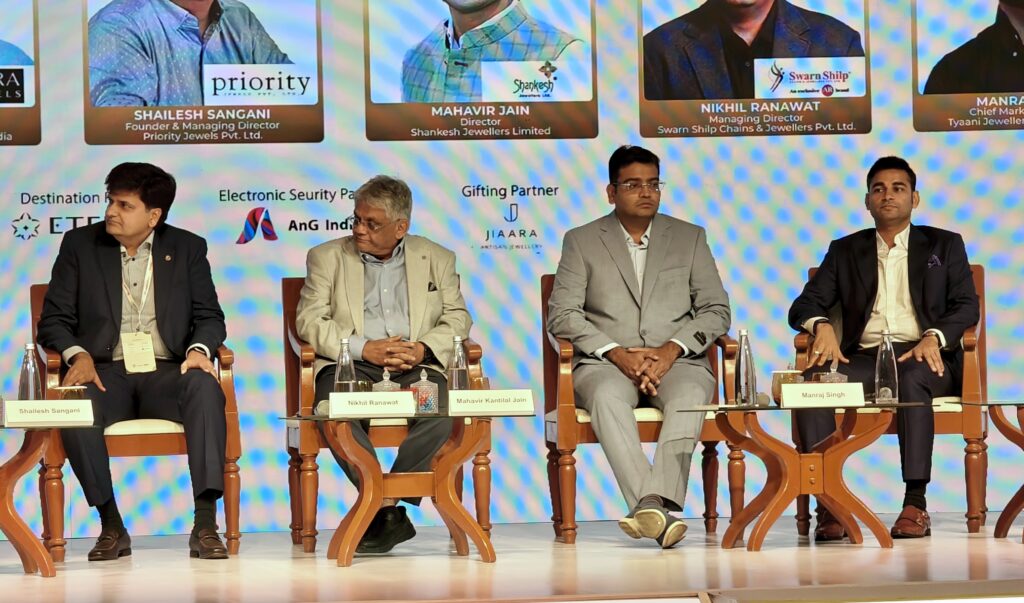
The JewelX 2026 Summit panel in Mumbai highlighted that the traditional Indian wedding remains the ultimate powerhouse for premium jewelry retail, with no alternative to its massive sales volume. Industry leaders emphasized that legacy items like the Mangalsutra continue to anchor the celebration economy. However, retailers must shift focus from treating jewelry purely as a bank-vault investment to creating design-led, experiential luxury that connects with modern couples.
A major shift is happening as modern brides move away from heavy, unwearable pieces in favor of lightweight, versatile, and highly practical designs. Evolving consumers want premium jewelry that blends rich Indian craftsmanship with international styles so it can be easily repurposed for everyday luxury wear after the wedding. This change is forcing brands to elevate the shopping experience through personalized bridal consultations and seamless digital storytelling.
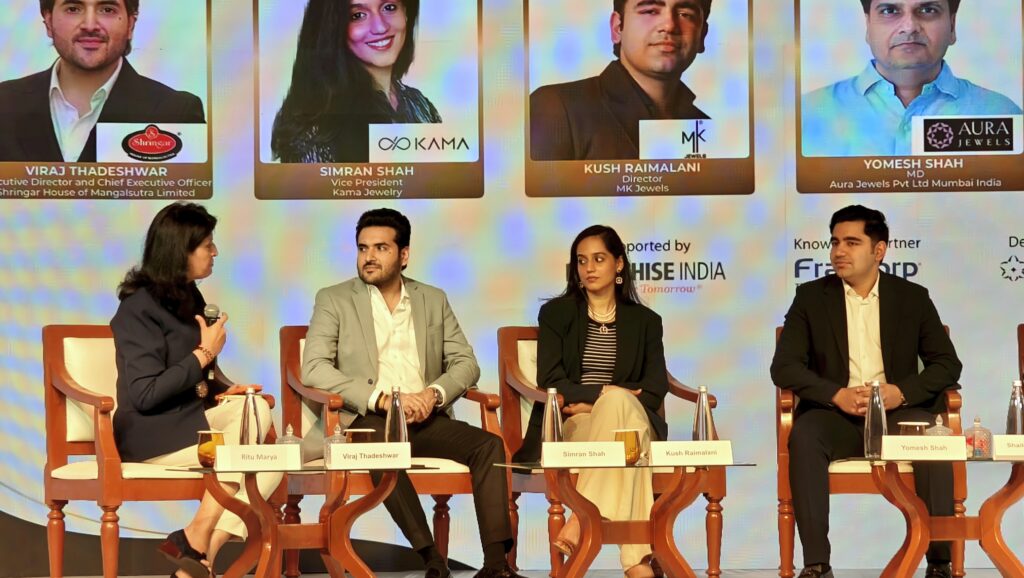
To capture this growing market, the jewelry sector is rapidly moving away from unorganized trading toward professional corporate structures and retail franchising. Panel experts noted that long-term success requires brands to actively predict future consumer desires rather than just reacting to current trends. As the wedding economy expands, the winners will be those who scale their operations efficiently while maintaining deep trust and emotional value.
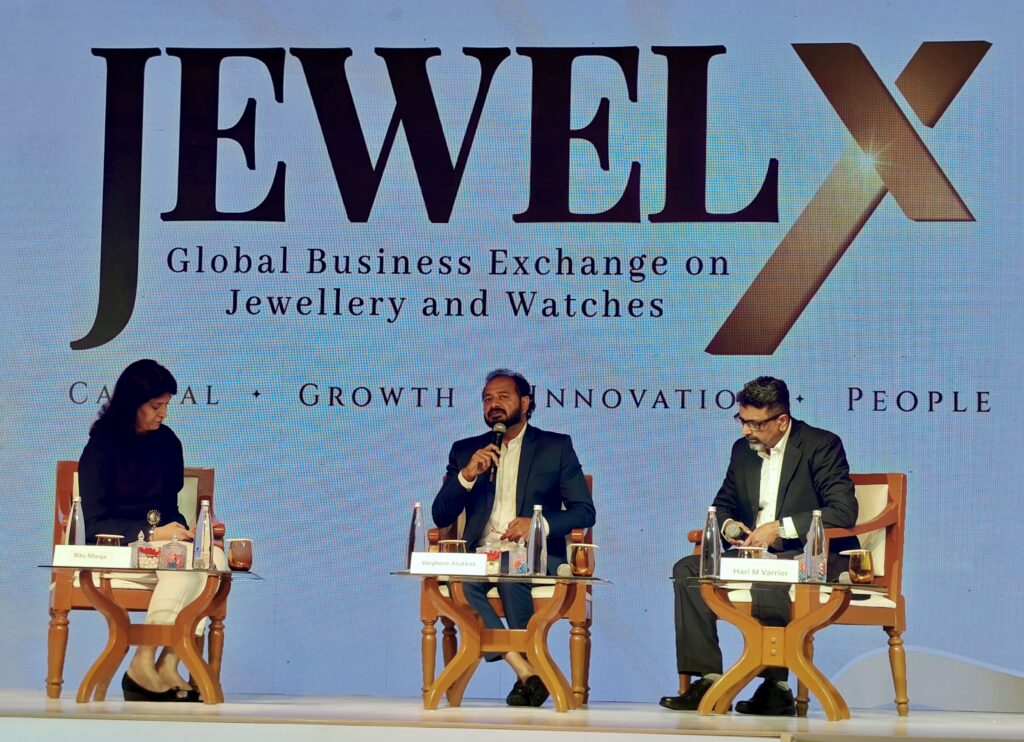
Key takeaways from the “From Legacy to Leading Edge: Rewriting the Rules of Jewellery Retail” fireside chat at JewelX 2026 featuring Varghese Alukkas and Hari Varrier of Jos Alukkas with Ritu Marya center on scaling heritage brands through professional management, transparency, and technology.
Transitioning to Professional Management: Moving from a traditional family-run setup to a structured, professionally managed enterprise is vital for sustainable scaling across a growing retail footprint (such as Jos Alukkas expanding to a 60-store chain).
Systems and Processes for Scale: Building robust operational systems and standardized back-end processes allows regional legacy brands to expand profitably and reliably.
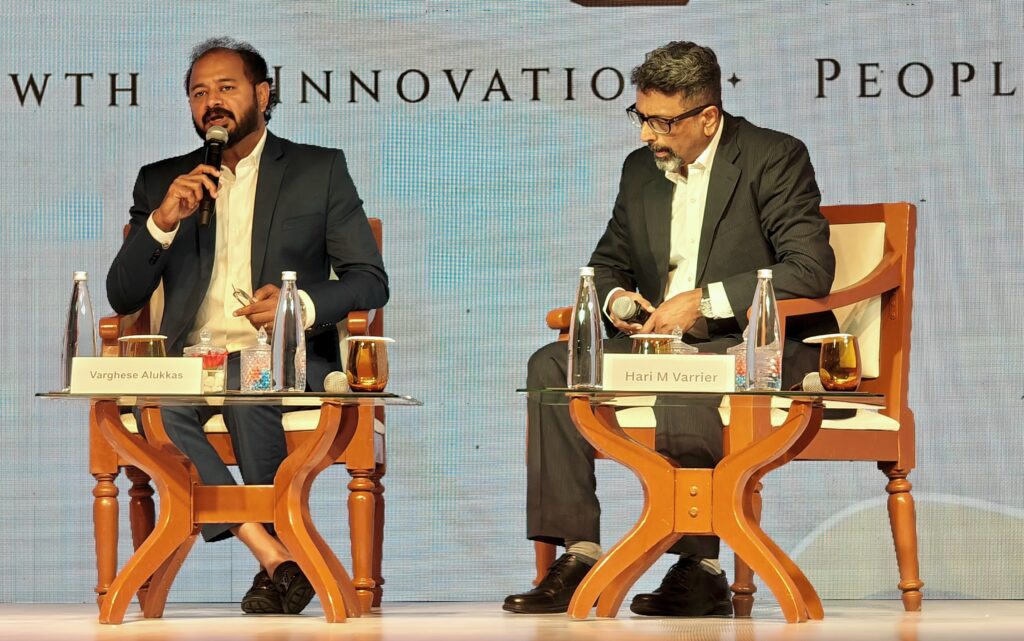
Transparency and Changing Consumer Behavior: Modern buyers demand complete pricing clarity and ethical sourcing, making transparency a core pillar for building long-term brand equity.
Technology for Trust: Deploying tech solutions across operations and customer touchpoints reinforces consumer confidence, streamlines old gold exchange programs, and adapts to evolving market demands.
The Foundation of Indian Retail: The bedrock of the Indian jewellery market remains anchored in the three foundational pillars—Investment, Indulgence, and Inheritance—even as rules of retail are being rewritten.
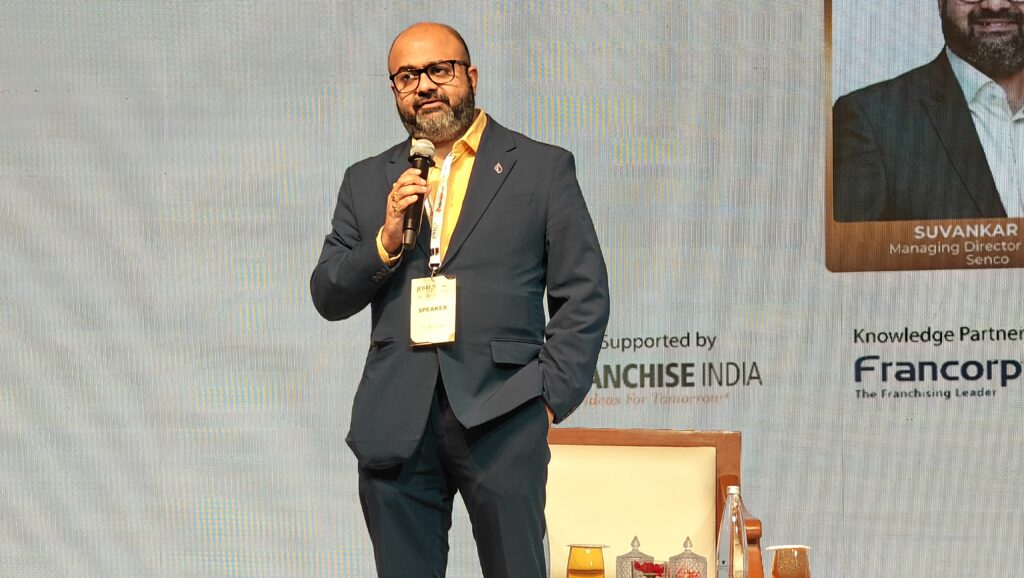
At the JewelX Conclave 2026, Suvankar Sen framed the future of the Indian jewelry industry around a massive transformation from an unorganized sector into a highly structured, $130-billion ecosystem by 2030. This shift is driven by rapid formalisation and strict regulatory standards like mandatory hallmarking, which have turned consumer trust into a foundational corporate currency. Alongside this structural change, a new wave of value-led consumption is taking over, where next-generation, financially independent shoppers view jewelry as a tool for personal self-expression rather than a simple financial safety net, sparking a massive boom in lightweight, purpose-driven lifestyle pieces.
To capture this evolving market, brands must merge cutting-edge technology with deep-rooted ethical principles through design innovation, seamless omnichannel retail, and radical transparency. The modern “phygital” retail journey perfectly blends virtual try-ons and data-driven personalization with physical showrooms, backed by advanced CAD and 3D-printing tools that bring complex heritage designs to life at lightning speed. Crucially, the industry’s future relies heavily on sustainability, requiring blockchained supply chains for traceable gemstones, recycled gold, and eco-friendly manufacturing practices that guarantee true ethical leadership from mine to counter.
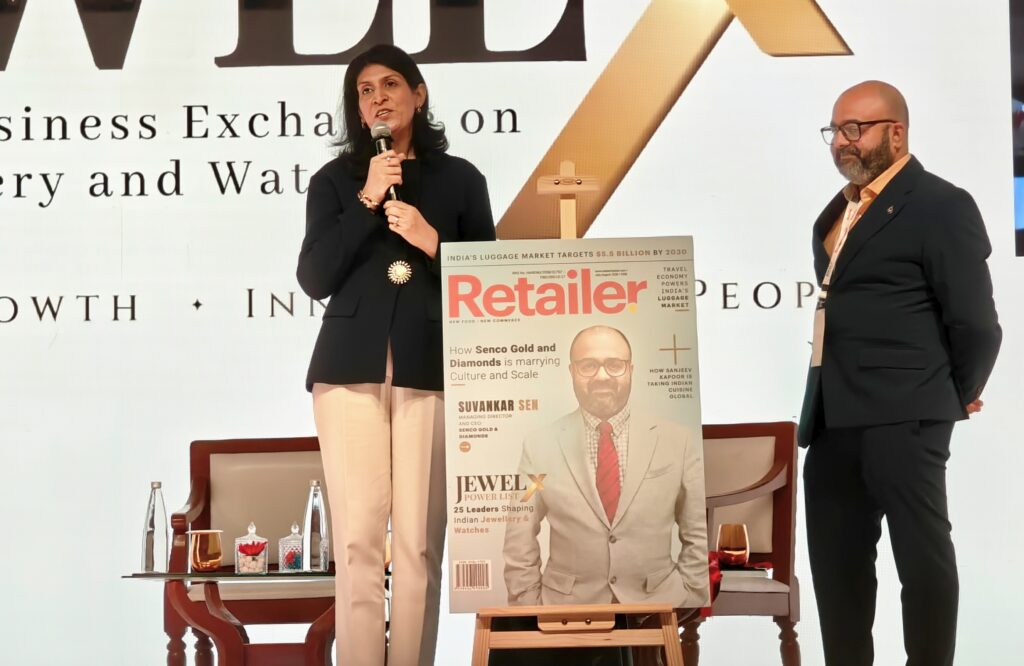
Retailer Magazine’s latest cover unveiling at Jewels X 2026 was a standout moment — spotlighting Suvankar Sen, MD & CEO of Senco Gold and Diamonds, as a key voice in India’s evolving jewellery narrative. With Ritu Marya presenting the feature, the edition not only celebrates innovation and cultural depth across the industry but also shines a light on the *JewelX Power List – 25 Leaders Shaping Indian Jewellery & Watches*. A powerful tribute to vision, craft, and leadership.
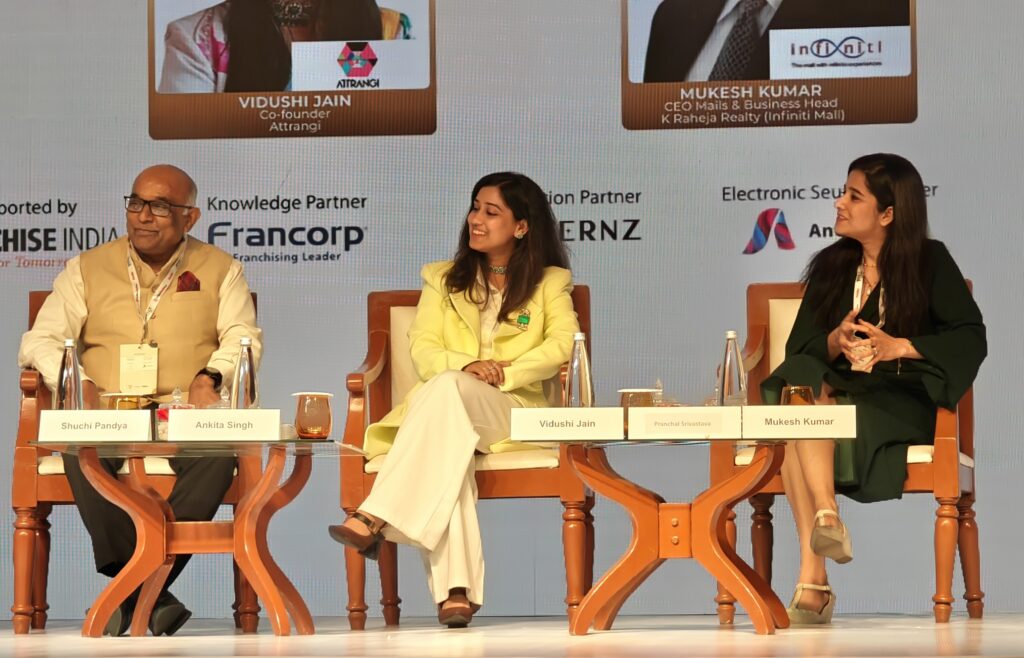
The Future of Jewellery Retail panel at JewelX 2026 revealed a structural evolution in the industry, proving that success now relies on a flawless blend of physical experiences, digital tools, and regional adaptability. Consumer preferences are shifting away from traditional high-street shops toward large, experiential flagship stores and premium malls like Infiniti Mall, where safe, comfortable, and story-driven spaces are used to build long-term consumer trust. This physical upgrade is moving fast into Tier II and Tier III cities, where rising incomes and social media are driving massive demand for modern, high-quality designs.
To expand profitably without huge overhead costs, innovative brands like Jiaara and Attrangi are using scalable franchise models, global brand collaborations, and smart omnichannel strategies. Because modern customers pre-shop online via digital catalogs and augmented reality before ever stepping into a store, the physical storefront has become a place to finalize trust, touch, and fit. Ultimately, the retailers leading this high-growth market are those using local customer data to customize their stock, marketing, and customer service to match the unique cultural traditions of every single region.