
EMBEDDED AI IN INSURANCE SECTOR IN INDIA

The India InsurTech Summit (IIS) 2025 took place on July 17, 2025, in Mumbai, organized by fintech advisory firm The Digital Fifth. The premier event brought together industry leaders, founders, and investors to discuss critical advancements in AI innovation, embedded insurance models, privacy-led technologies, and shifting regulatory frameworks. A major highlight was the curated investment pitching arena, which allowed growth-stage insurtech startups to pitch one-on-one to pre-approved venture capitalists and secure funding ranging from $250,000 to $1 million.
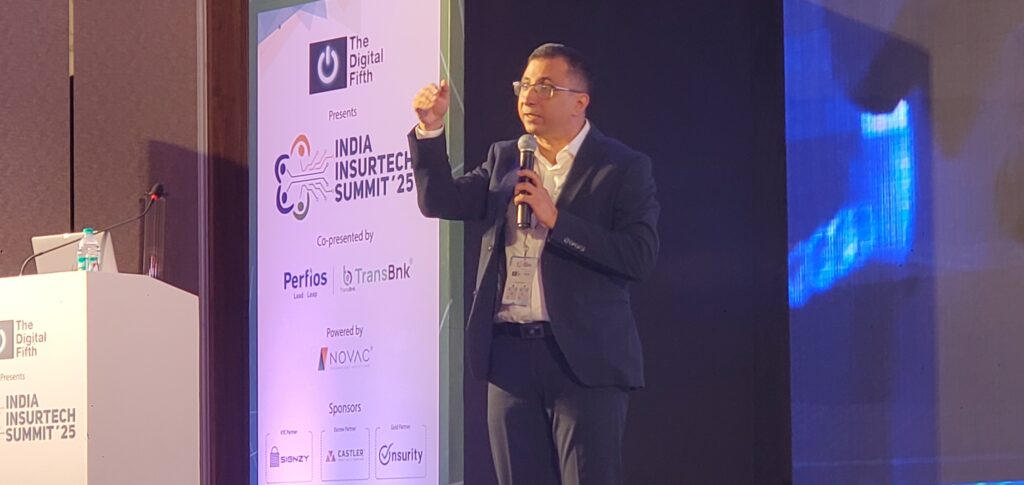
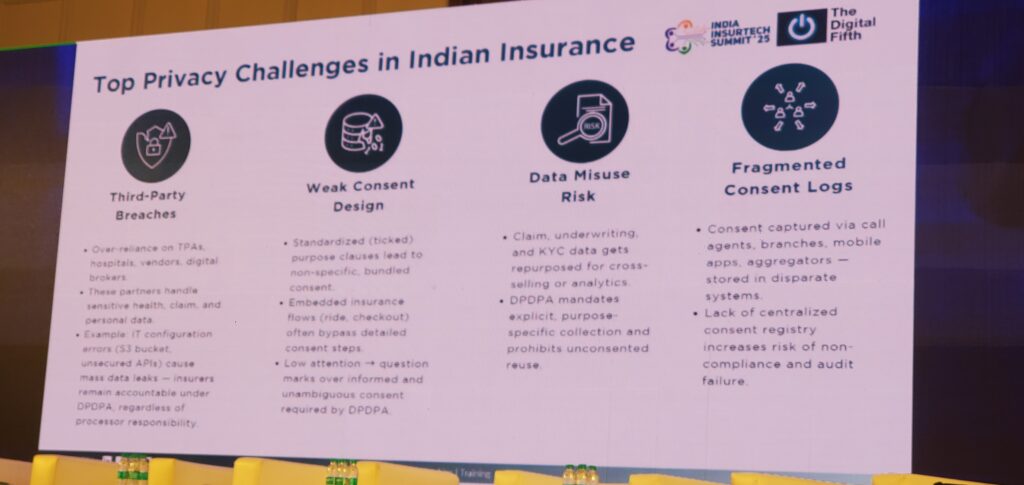
Shashank Shekhar, Co-founder of The Digital Fifth, emphasizes that insurers must shift to privacy-by-design. To operationalize the Digital Personal Data Protection Act (DPDPA), the insurance sector must re-architect consent flows, implement strict vendor risk management, and embed legal compliance directly into the customer’s digital journey.
Key Takeaways for Insurers
Redesign Consent Workflows: Insurers need to overhaul their embedded insurance journeys. Customers must receive clear, itemized notices and be allowed to easily review, provide, or revoke consent digitally.
Consent Managers & DPOs: Appointing a dedicated Data Protection Officer (DPO) and leveraging authorized Consent Managers is essential to handle complex data-sharing mandates securely.
Third-Party Vendor Accountability: Insurers process vast amounts of customer information with third-party tech partners, brokers, and TPAs. Organizations are fully accountable for breach liabilities, meaning stringent data-handling audits must be applied across the entire vendor ecosystem.
Tech & Process Transformation: Data minimization and purpose limitation require structural changes in IT systems. This means updating CRM systems and claims workflows to automate data erasure and prevent unauthorized data retention.
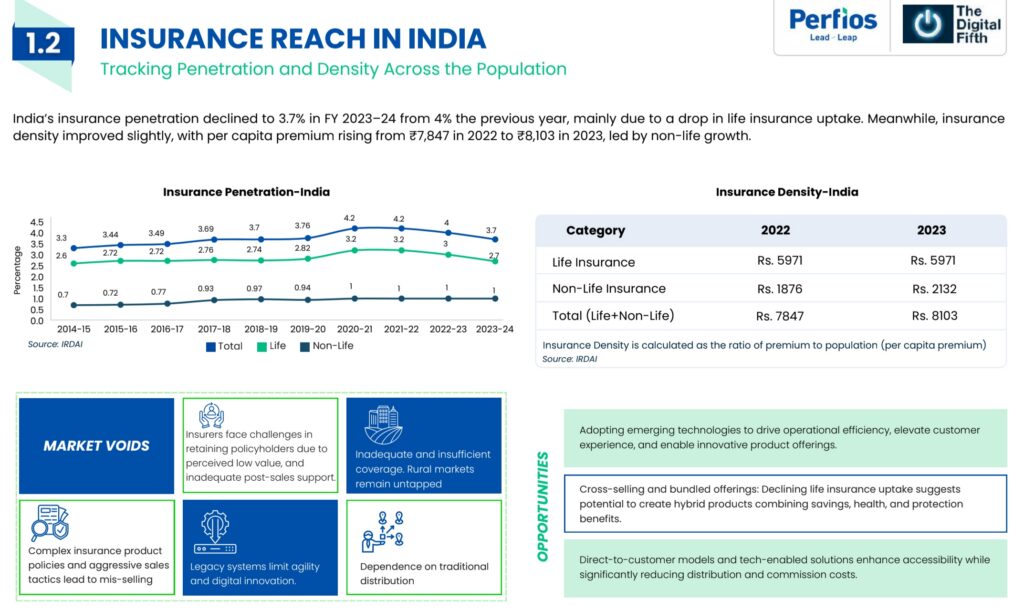
The “Reimagining Insurance: India’s Leap into the Future” report by The Digital Fifth and Perfios outlines a major technology-driven shift in India’s insurance sector, propelled by over $1 billion in projected insurtech funding and AI-led advancements. Key innovations such as embedded products and real-time claims processing are driving efficiency and expanding access to rural populations, shifting the industry toward a digital-first model.
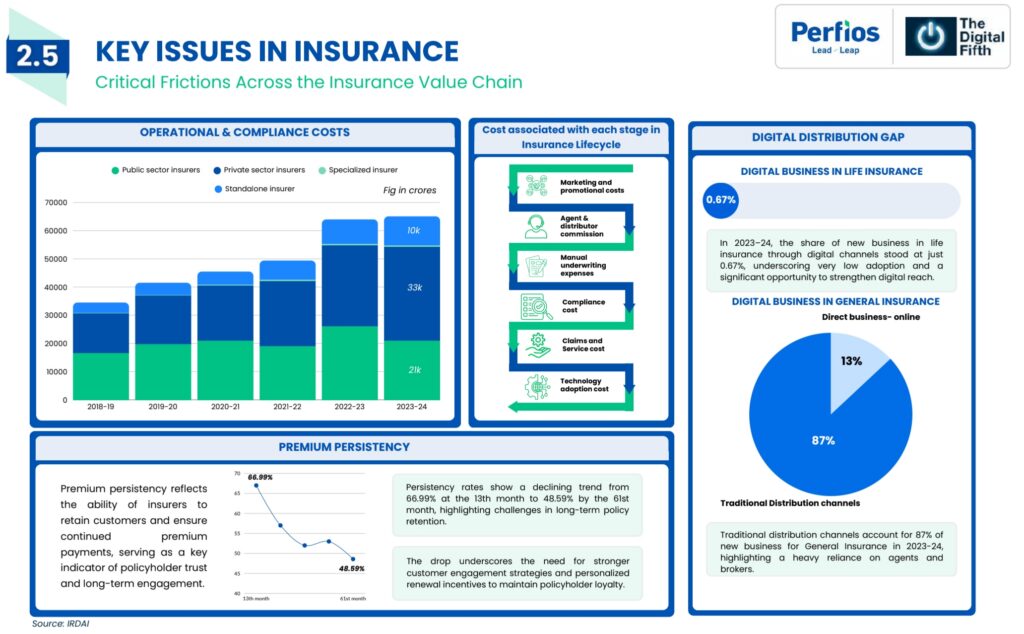
Regulatory reforms by the IRDAI, particularly the “Use & File” approach and the Bima Trinity framework (Bima Sugam, Vistar, and Vaahak), are crucial catalysts enabling faster product launches and enhanced digital penetration. This structural transformation aims to close historic coverage gaps through user-centric, technology-enabled solutions.
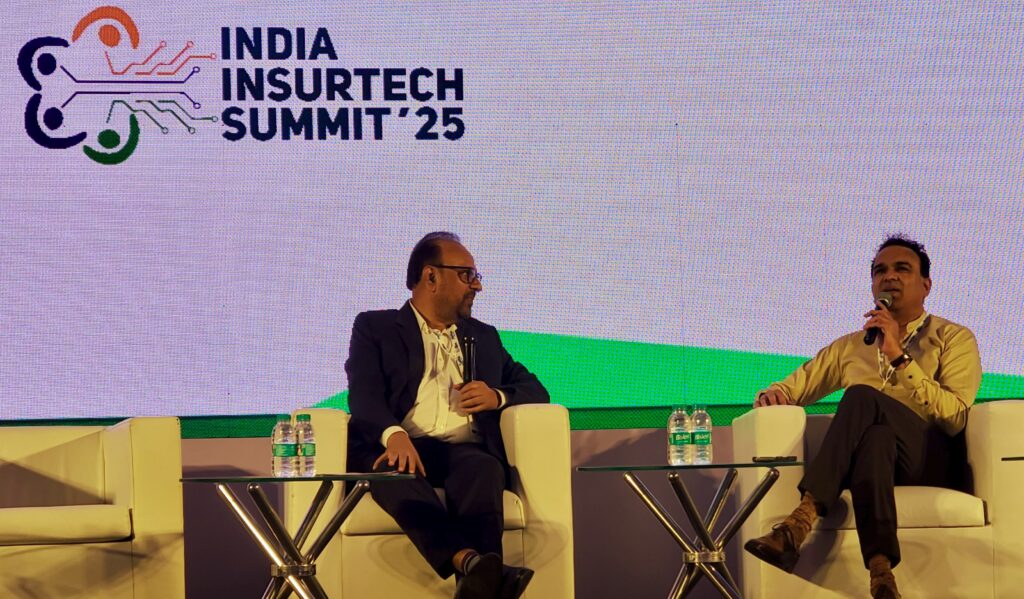
The fireside chat – One License, Many Possibilities: Rethinking Insurance with Composite License, Kamlesh Rao, MD & CEO, Aditya Birla Sunlife Insurance with Suresh Mahalingam Chairperson of the Board Aviva India Moderator at Insurtech Summit 2025, emphasizes on the shift to a composite license allows insurers to move from product silos to integrated, customer-centric models. It enables companies to cross-sell, bundle life and health coverage, and improve operational efficiency. Industry leaders emphasize this regulatory shift will require enterprise-level restructuring and better data utilization to drive market penetration.
The adoption of a composite license represents a major regulatory paradigm shift aimed at achieving universal insurance coverage in India by 2047. They outlined how a unified framework will systematically dismantle traditional product silos, enabling a transition toward customer-centric, integrated financial solutions. By eliminating duplicate processes, technology systems, and distribution infrastructures, companies can achieve substantial capital and operational efficiencies. For the end customer, this translates into a highly simplified journey featuring single KYC registration, unified premium tracking, and more affordable pricing driven by optimized backend redundancies.
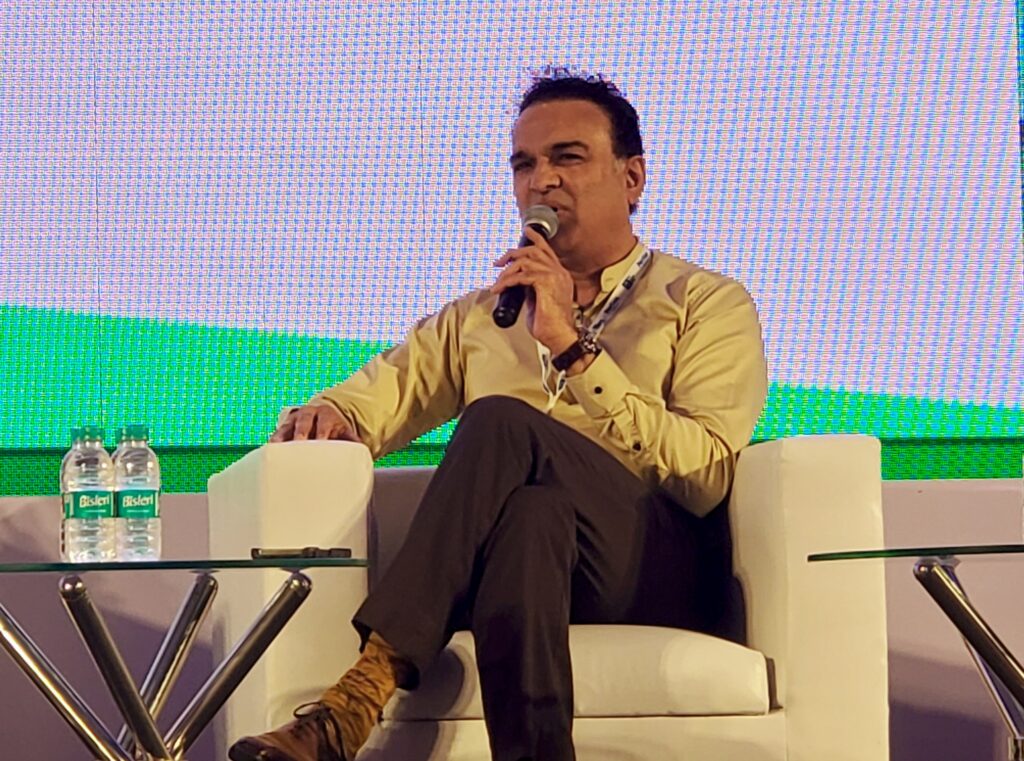
Furthermore, the integration of health and life data allows for advanced AI and machine learning underwriting, resulting in robust risk assessments and faster claims execution. Despite these massive opportunities, insurers must carefully navigate distinct business risks, complex risk models, and the intensive training required for intermediaries to sell multiple lines responsibly without mis-selling. From a market perspective, this composite structure is widely anticipated to be a far more powerful catalyst for increasing market penetration than expanding foreign direct investment. It will fundamentally alter competitive dynamics, driving strategic boardrooms to re-evaluate valuation structures and explore targeted M&A opportunities as firms seek to capture unmatched market scale and volume.
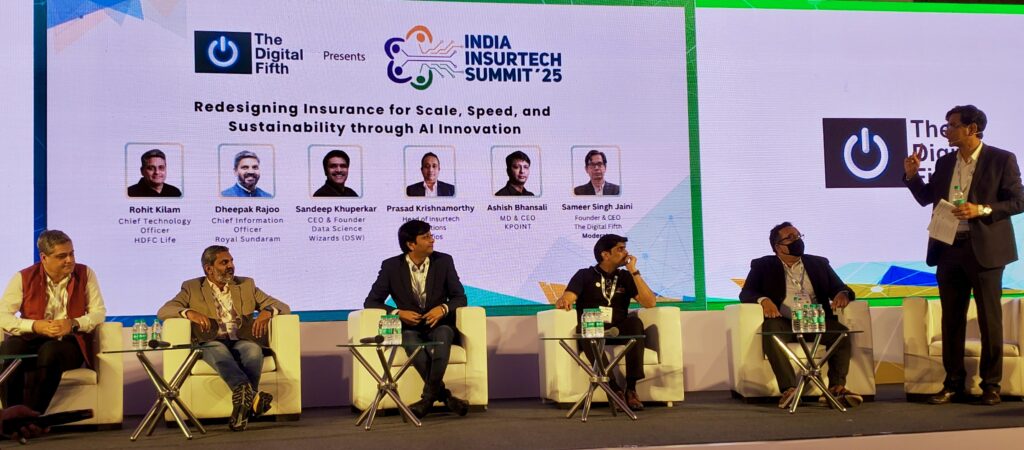
The panel discussion – Redesigning Insurance for Scale, Speed, and Sustainability through AI Innovation Accelerating Insurance Delivery Through Digital & AI Speed as a Strategic Lever – From Product Dev to Claims Instant KYC & Identity Verification Policyholder-Centricity as a Core Design Principle Rohit Kilam, Chief Technology Officer, HDFC Life – Speaker at India Insurtech Summit 2025, Dheepak Rajoo Chief Information Officer Royal Sundaram, Prasad Krishnamorthy Head of Insuretech Solutions Perfios, Ashish Bhansali MD & CEO KPOINT,Sandeep Khuperkar CEO & Founder Data Science Wizards (DSW), Sameer Singh Jaini, Founder & CEO, The Digital Fifth – Speaker at India Insurtech Summit 2025 and Moderator, The transformation of insurance relies on shifting from traditional systems to AI-driven predictive models, using speed as a strategic lever for instant underwriting and automated workflows. This approach streamlines operations, enabling digital identity verification and real-time processing that matches modern commerce.
Scaling these digital systems requires balancing rapid technological innovation with robust data governance, regulatory compliance, and ethical AI frameworks to ensure sustainable, customer-centric operations. These platforms are designed to manage risk efficiently while providing transparent, reliable financial protection.
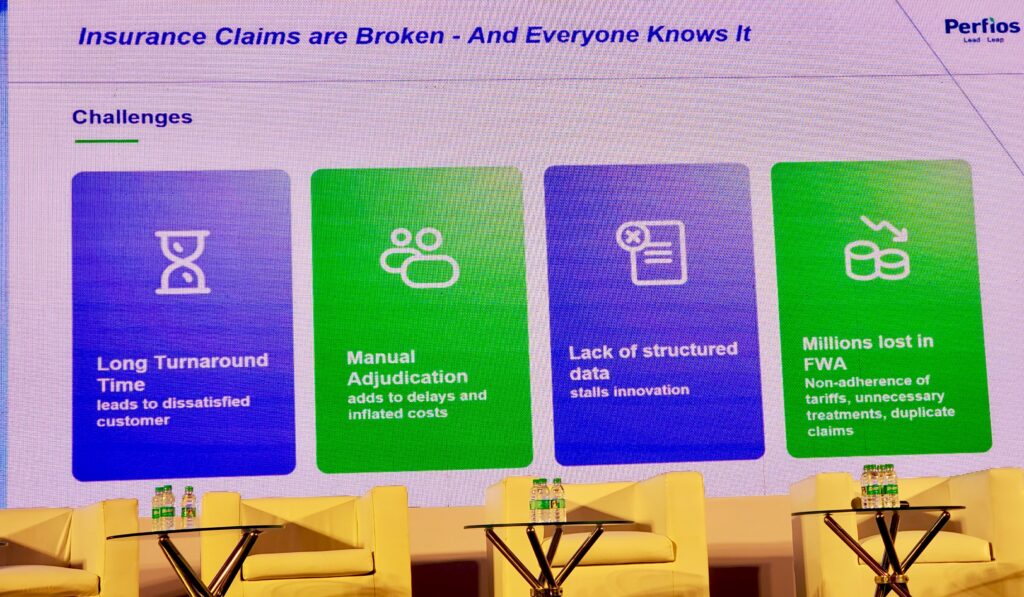
Pravesh Rawat’s session at the India InsurTech Summit highlighted how IHX (a Perfios company) is modernizing health claims from a traditionally fragmented experience into a frictionless, automated ecosystem.
Core Takeaways
AI-Driven Automation: Leveraging AI to eliminate manual data entry, streamline workflows, and speed up the overall claims processing lifecycle.
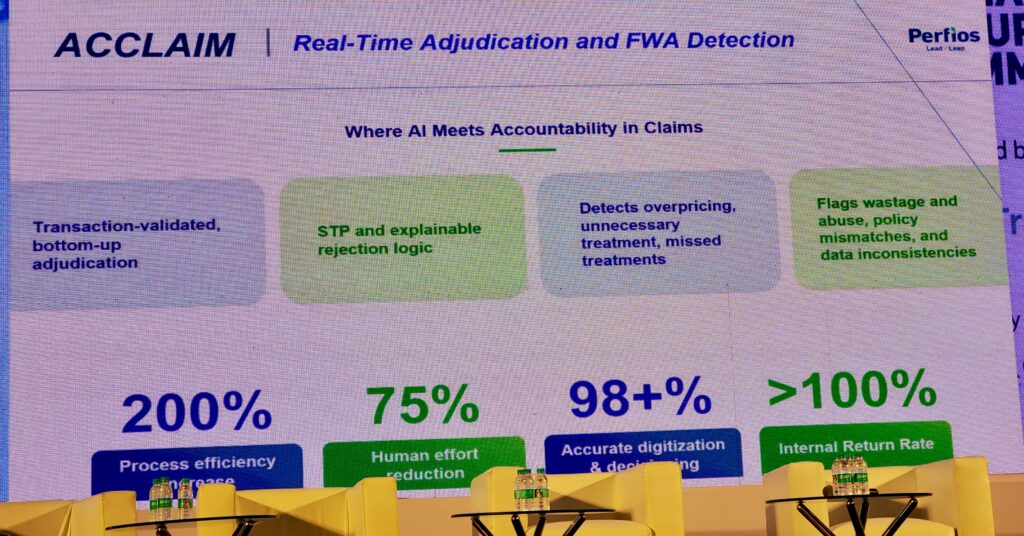
Real-Time Validation: Moving towards instant data checks and policy verification to significantly reduce claim turnaround times.
Seamless Integrations: Connecting hospitals, insurers, and TPAs on a unified digital network to eradicate administrative friction.

Key takeaways from – Future of Insurance: Redefining Protection for a Changing World, Sameer Singh Jaini, Founder & CEO, The Digital Fifth highlights that the future of insurance hinges on strategic technology investments in cloud-native systems for scalable growth and embedding insurance within digital consumer journeys. Key drivers include API-first distribution, context-driven underwriting, and forming strategic partnerships to foster agility and customer-centric, usage-based protection. Read more details about this topic at the India Insurtech Summit.
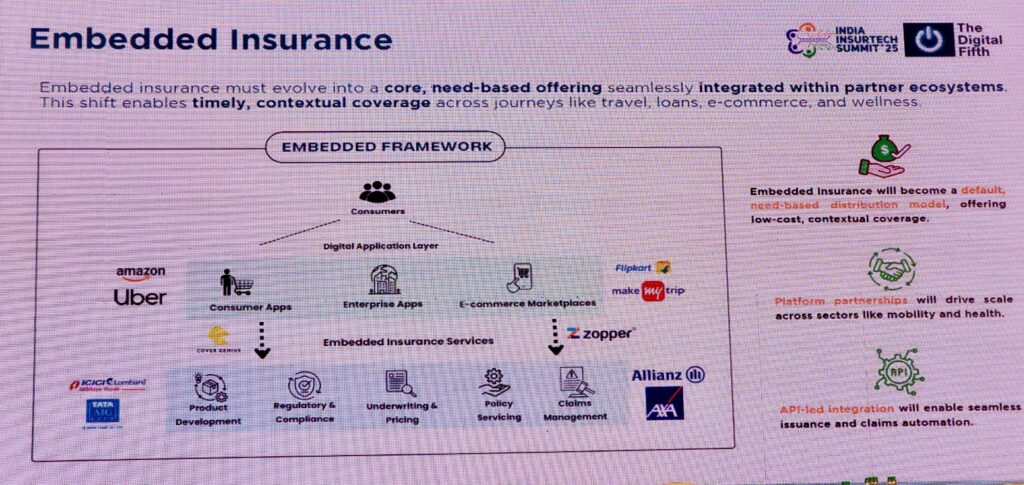
Driven by advanced API middleware and ONDC-based architectures, embedded insurance in India is evolving from simple retail checkouts into large-ticket commercial distributions, drastically reducing customer acquisition costs and expanding access to rural regions. As the ecosystem scales toward an estimated local market size of over INR 1.6 lakh crore by 2029, the future of Indian insurance will be defined by WhatsApp-driven conversational sourcing, real-time IoT underwriting, and anticipated regulatory shifts like composite licensing that permit single entities to market unified life and general coverage.
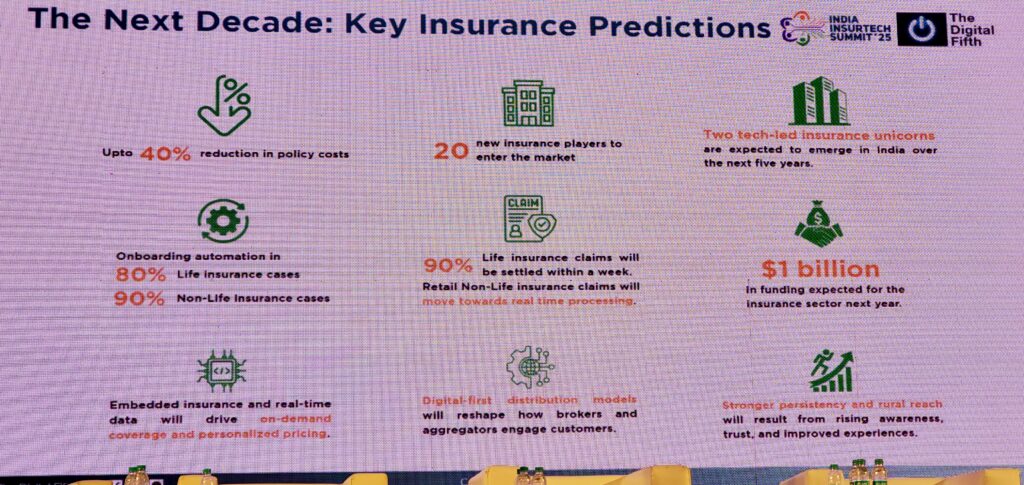
The Indian insurance sector is shifting toward digital-first distribution, with customer acquisition moving to automated platforms like WhatsApp and multilingual voice assistants to reach non-urban demographics. This shift is supported by impending regulatory reforms from the IRDAI, including composite licensing for unified product offerings and advancements in real-time, behavior-based pricing models.