

SOLANA EMPOWERS INTERNET CAPITAL MARKETS
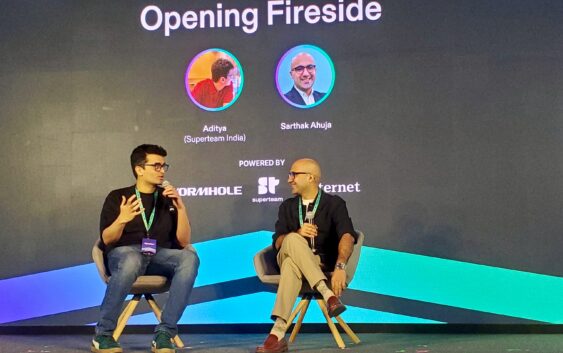

Solana APEX delivered a powerful one-day experience into the heart of the Solana ecosystem, featured expert-led talks, panels, and workshops. Designed for founders, it spotlighted cutting-edge applications and tokens, with a focused agenda on real-world asset tokenization, regulatory evolution, and institutional infrastructure—blending insight, innovation, and networking.
APEX Mumbai truly captured the rise of a new financial era—where internet-native capital converges with India’s dynamic markets, paving the way for scalable, inclusive innovation. A powerful vision in motion.
APEX Mumbai, part of the Solana Foundation’s regional series, brings together top founders, apps, and tokenized assets on Solana—open to all and co-organized with Superteam. A vibrant showcase of innovation shaping the future of finance.
Solana’s 2025 momentum marked a major leap toward institutional adoption, standing out among non-Ethereum platforms with its robust user base and developer activity. While on-chain usage normalized after mid-year peaks, it remained strong, signaling sustainable growth ahead.
While improvement of the network is an ongoing goal, Solana continues to be a leader in network performance and validator health–whether measured by decentralization, performance, or the robustness of the validator community.
The performance of the Solana network from January 2025 through July 2025 consolidated into a definitive two-phase trend: an extraordinary, record-breaking retail mania in Q1 followed by structured stabilization and technical upgrades in Q2.
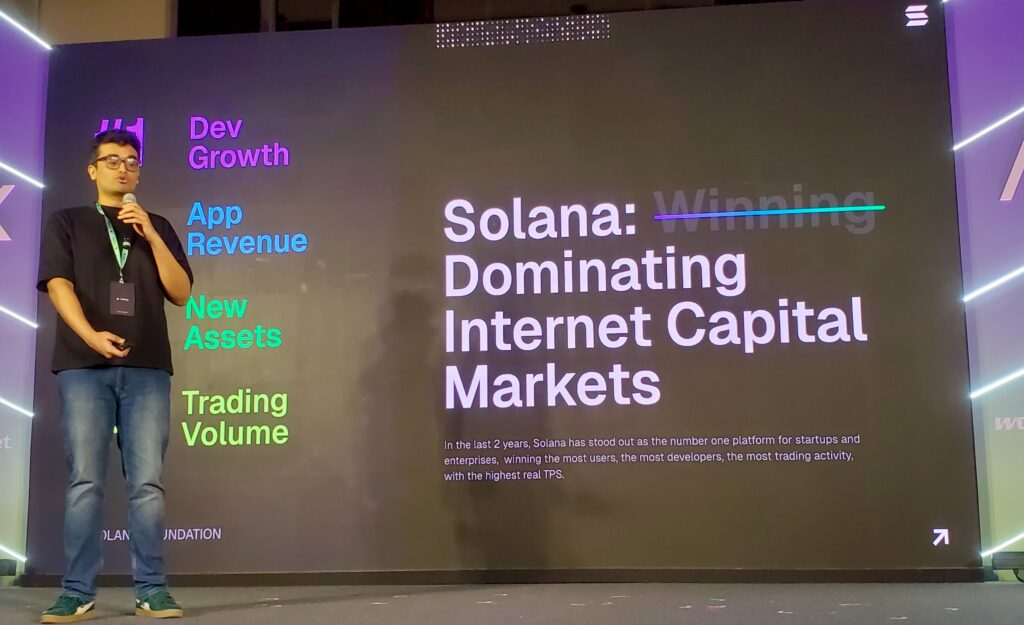
Aditya from Superteam India discusses Solana’s evolution into an “everything chain,” positioning it as critical infrastructure for global developers, institutions, and users. Moving beyond outdated metrics like total value locked (TVL) or theoretical TPS, the ecosystem is now measured by objective usage indicators such as developer growth, app revenue, and transaction volume.
A key driver of this adoption is the focus on real economic value (REV), where users actively pay priority fees for predictable, high-performance execution. Furthermore, Solana is increasingly catering to institutional needs through innovations like token extensions, which allow for compliant, permissioned assets on a public network, and atomic synchronization efforts like Fire Dancer to maximize speed.
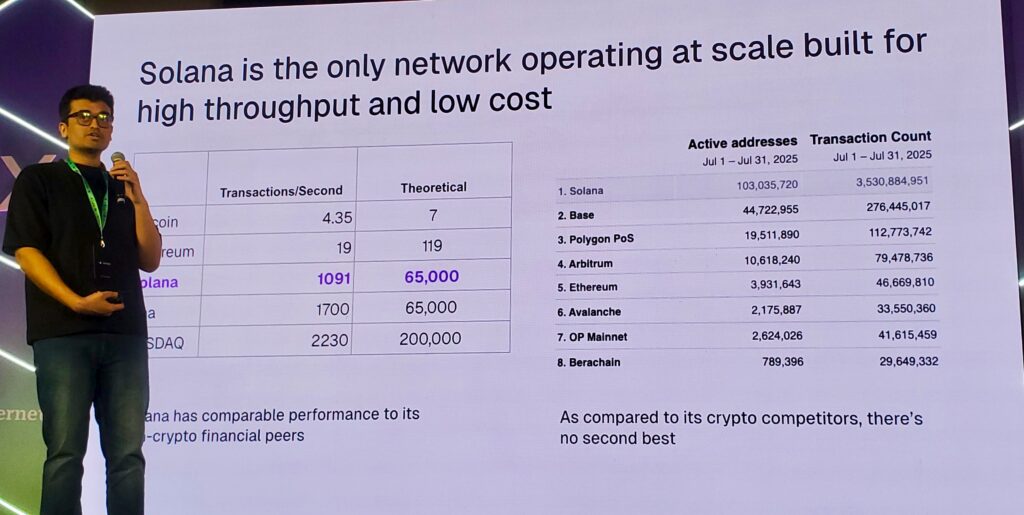
The performance of the Solana network from January 2025 through July 2025 consolidated into a definitive two-phase trend: an extraordinary, record-breaking retail mania in Q1 followed by structured stabilization and technical upgrades in Q2.
The explosive activity in the first half of the year was overwhelmingly driven by token launchpad platforms like Pump.fun. This caused massive transactional congestion that pushed the network to its absolute limits in January.
Despite handling unprecedented bursts of over 200 million daily transactions during the peak trading weeks, the underlying network maintained baseline uptime. It successfully bypassed major structural bottlenecks through immediate infrastructure iterations.
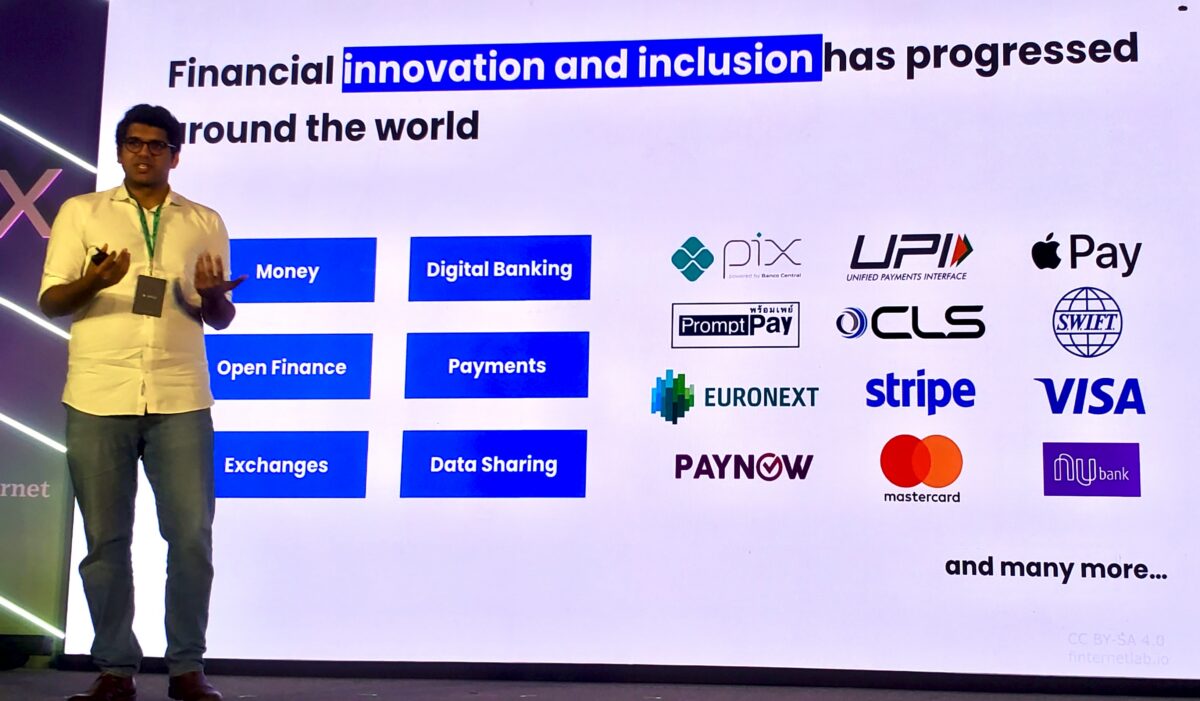
Siddharth Shetty’s presentation at Solana APEX 2025 Mumbai outlined the “Finternet,” a unified, open financial infrastructure designed to replace siloed banking with a composable, multi-ledger ecosystem. Leveraging lessons from India’s digital public infrastructure, the framework utilizes regulated “token managers” for real-world assets and highlights Solana as a high-throughput network suitable for global, compliant financial transactions.
Siddharth Shetty’s Finternet project is a unified, user-centric global financial network designed to replace fragmented, high-friction traditional infrastructure. By utilizing tokenization and public blockchain rails, the initiative aims to create a compliant, programmable ecosystem that restores user control over assets while ensuring privacy and regulatory oversight.
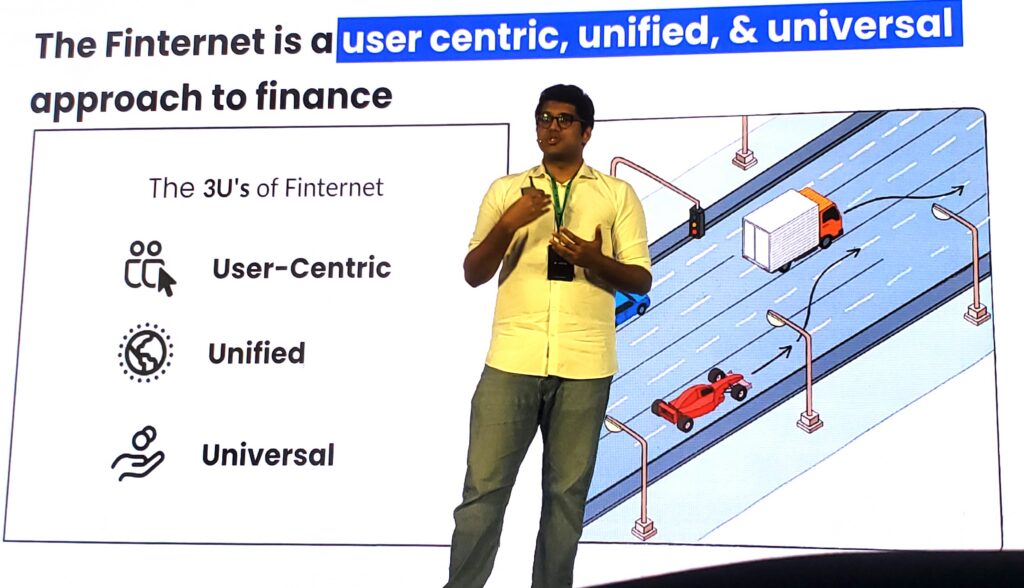
Siddharth Shetty’s Finternet concept is a universal, cryptographic financial infrastructure designed to give individuals and businesses direct control over all asset types, aiming to bring the interoperability of the internet to global finance. The architecture focuses on tokenizing diverse assets, providing instant finality, and using embedded compliance mechanisms governed by traditional financial institutions, or “token managers”.
Siddharth Shetty’s talk at Solana APEX 2025 advocates for an engineering-first “Finternet” model, which moves beyond siloed, sector-specific financial infrastructure toward universal, asset-agnostic rails. By utilizing tokenization to represent regulated, registered, and attested assets, the vision aims to restore individual agency and enable seamless global transactions. This approach prioritizes embedding compliance, legal frameworks, and consumer protections directly into the programmable flow of capital, ensuring that the system remains safe and scalable as it reaches billions of users.
Ultimately, the convergence of tokenization and agentic AI promises to revolutionize financial management by allowing individuals to programmatically execute complex tasks—such as inheritance or cross-asset management—without the need for cumbersome traditional intermediaries.
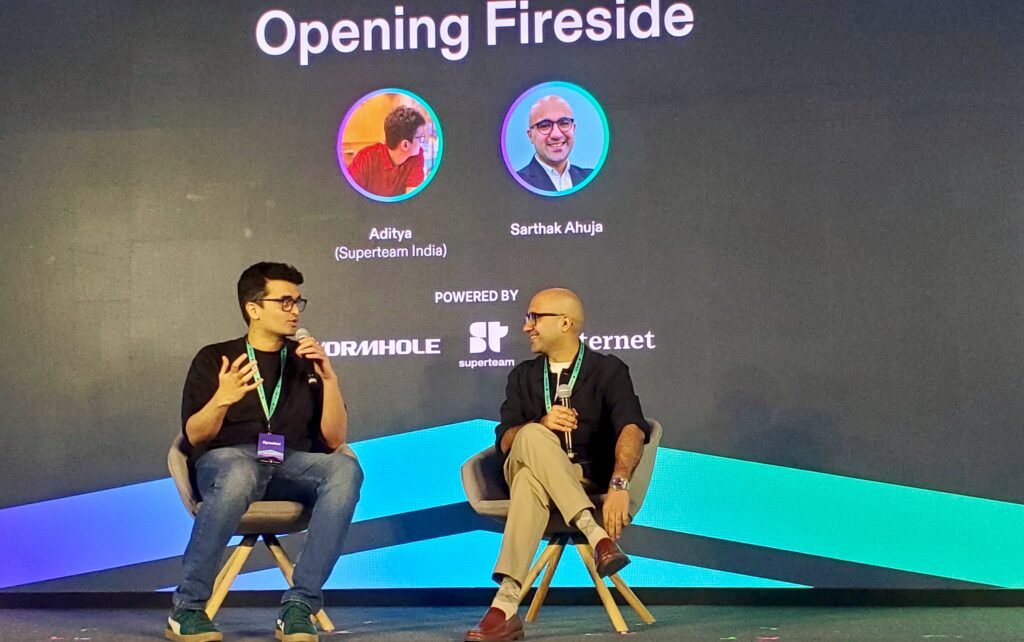
This fireside chat from Solana APEX 2025 featured a discussion between Sarthak Ahuja and Aditya Shetty on the state of the Indian business landscape, the potential for innovation, and the challenges in accessing capital.
Key Observations
The India Opportunity: Sarthak highlights that India is currently at a critical inflection point in its per capita GDP (around $3,000), which is driving a surge in discretionary consumption. He notes that businesses are increasingly looking for arbitrage opportunities—adopting lifestyle trends and products from the US that have not yet reached India, often due to differences in media consumption habits (such as the lack of TikTok in India).
Cultural and Indigenous Exports: Beyond importing trends, there is significant potential for Indian cultural and indigenous products to scale globally. Examples include the rising demand in the US for Indian health products like ashwagandha and psyllium husk (as a natural alternative to GLP-1 drugs) and the popularity of the “Indian mace” for strength training. Furthermore, he mentions that Indian media content, like the show Anupama, is finding success in international markets like South Africa.
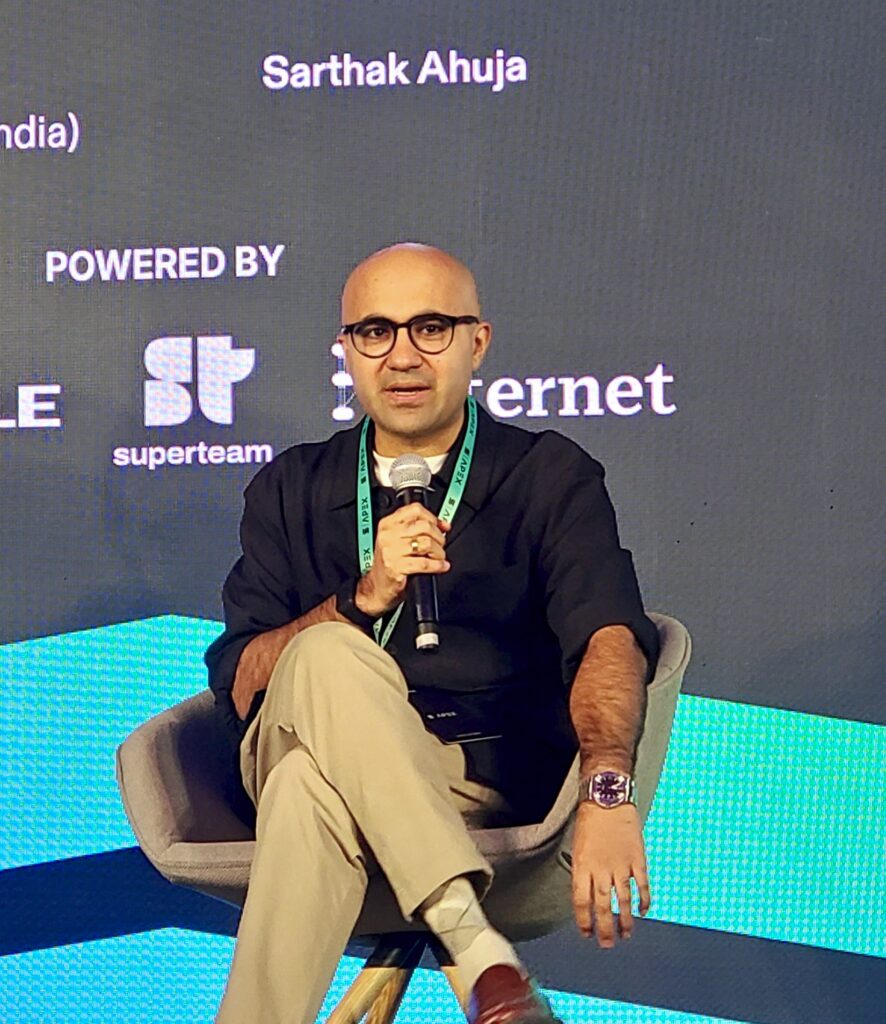
Challenges in Accessing Capital for Creators: A significant hurdle for modern Indian businesses—specifically in the creator economy—is the lack of tailored financial infrastructure. Sarthak shares his difficulty in finding adequate insurance to cover legal liabilities for media businesses, noting that traditional insurers are not yet equipped to handle the risks associated with the modern creator economy
Call to Action for Builders:
Sarthak suggests that there is a massive opportunity for tech/blockchain builders to solve these niche financial problems, such as creating decentralized insurance products for creators or platforms that allow creators to crowdfund by sharing future royalties without needing traditional institutional backing. He emphasizes that for these to be viable, builders must address complex questions regarding taxation, claim processes, and regulatory feasibility within India.
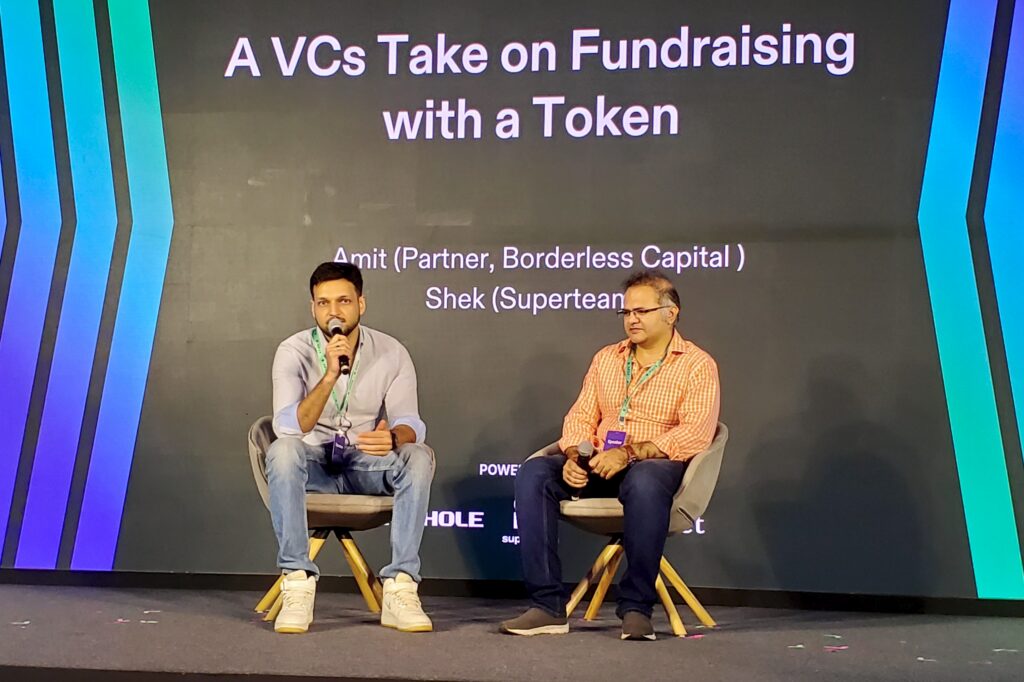
In this discussion, Shek of Superteam and Amit (Borderless Capital) highlight the nuances of fundraising and growth in the Web3 ecosystem. A primary distinction they note is that Web3 allows for faster liquidity and community-driven bootstrapping through mechanisms like airdrops and token incentives, compared to traditional Web2 models.
Key Takeaways for Founders:
Internal Governance is Paramount: The most common failure points for startups are not external market forces but internal issues like co-founder conflicts and governance mismanagement. These should be addressed at the earliest stage.
Tokenomic Discipline: Founders should not rush to launch a token—it is a critical milestone that is difficult to reverse if mismanaged. Ideally, over 50% of tokens should be allocated to the community, and fee burning should be viewed as a supplement to—not a replacement for—product innovation and reinvestment.
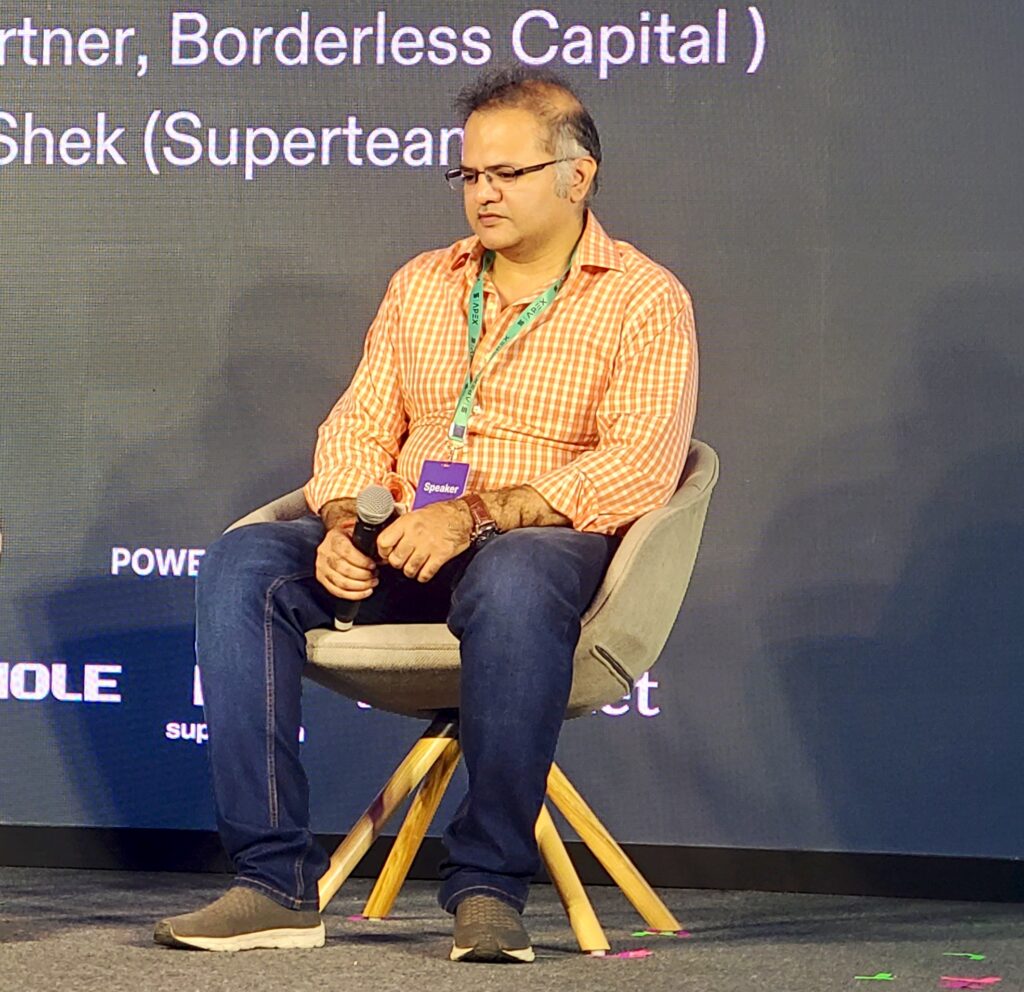
Alignment and Communication: Maintain team vesting schedules that are longer/stricter than investor vesting to ensure long-term commitment. Furthermore, prioritizing transparent communication with both investors and the community, especially regarding challenges, is essential for long-term project viability.
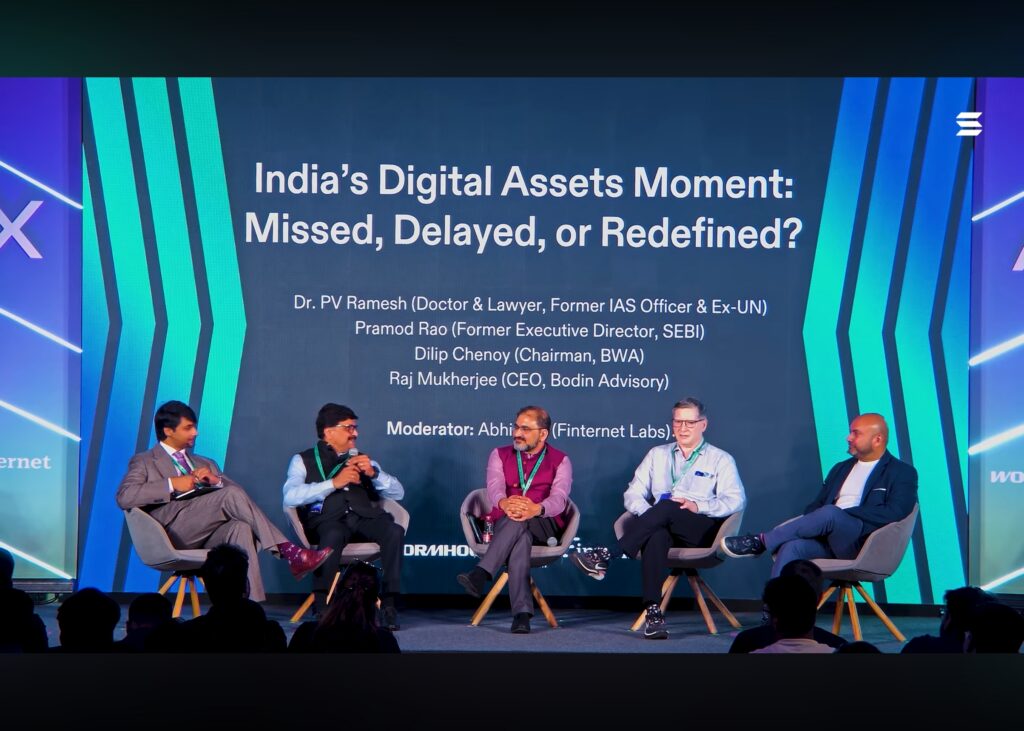
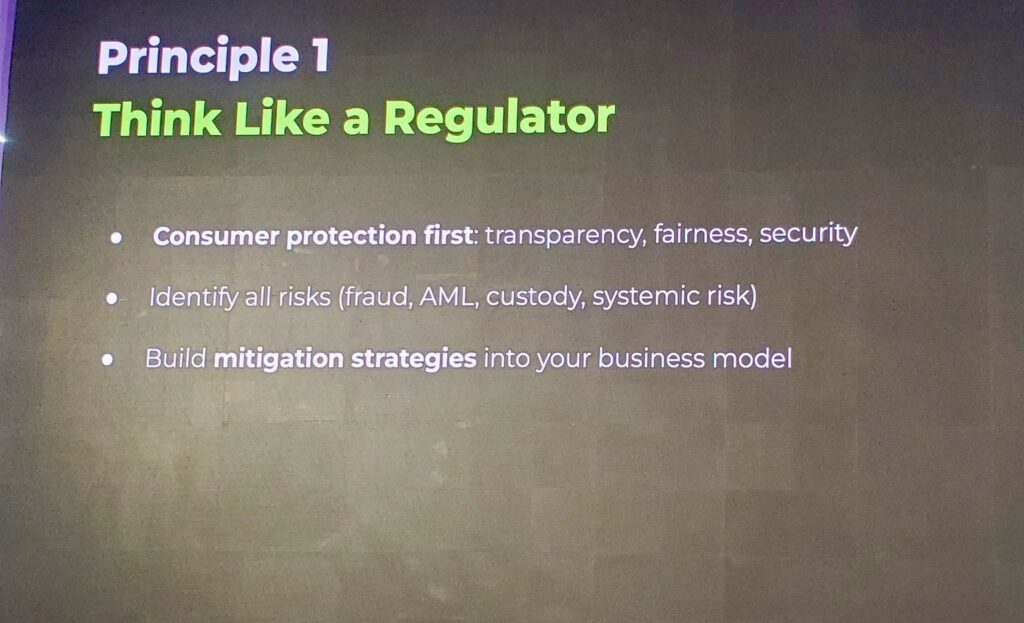
In this panel discussion – India’s digital assets Moment, industry experts and regulatory advisors analyze India’s position in the global digital assets landscape, emphasizing that while the country faces unique regulatory challenges, it has not “missed the boat.”
Key Observations:
The Three Waves of Regulation: The panel identifies a shift from initial “knee-jerk” reactions (2018) to nuanced attempts at mapping existing laws to digital assets (2020–2022), and finally to the current “third wave” (2025). This phase involves specialized regulators, clear frameworks for stablecoins, and a focus on financial stability and consumer protection.
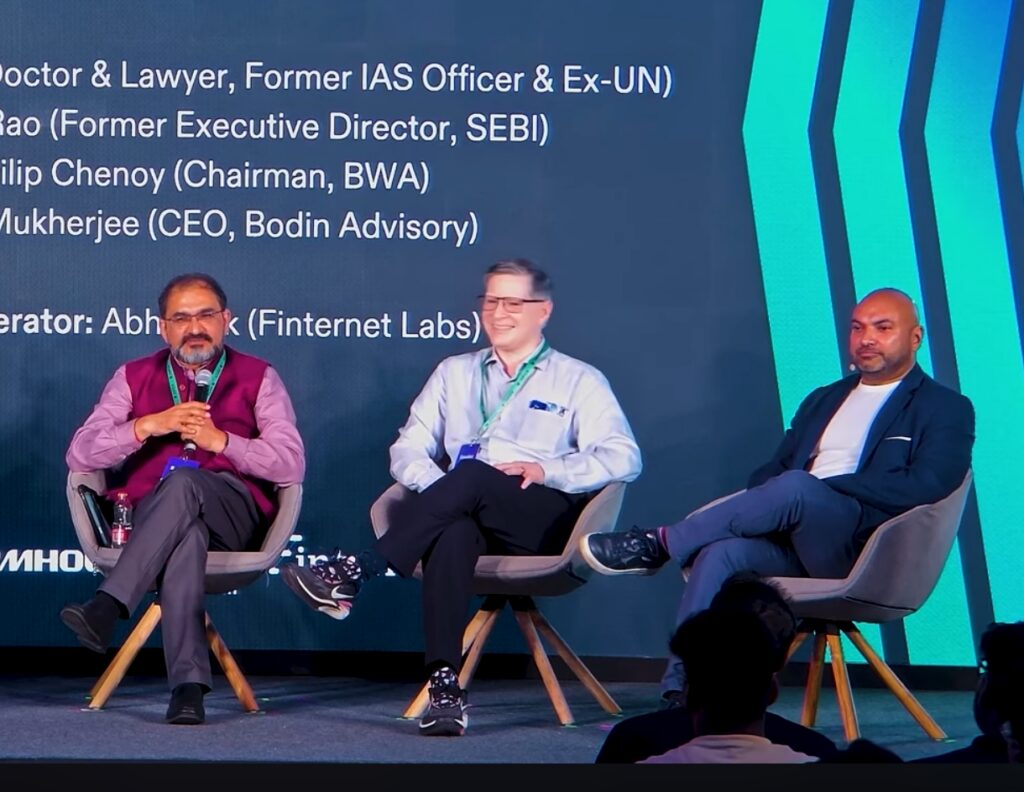
India’s Current Regulatory Posture: While India lacks an overarching digital asset regulator, a framework is developing through the Financial Intelligence Unit (FIU) for anti-money laundering (AML) compliance, along with taxation regimes and industry-led advertising guidelines. The panel highlights the importance of sandboxes—such as those by SEBI, RBI, and the IFSC in Gift City—as critical environments for testing innovation while maintaining regulatory oversight.
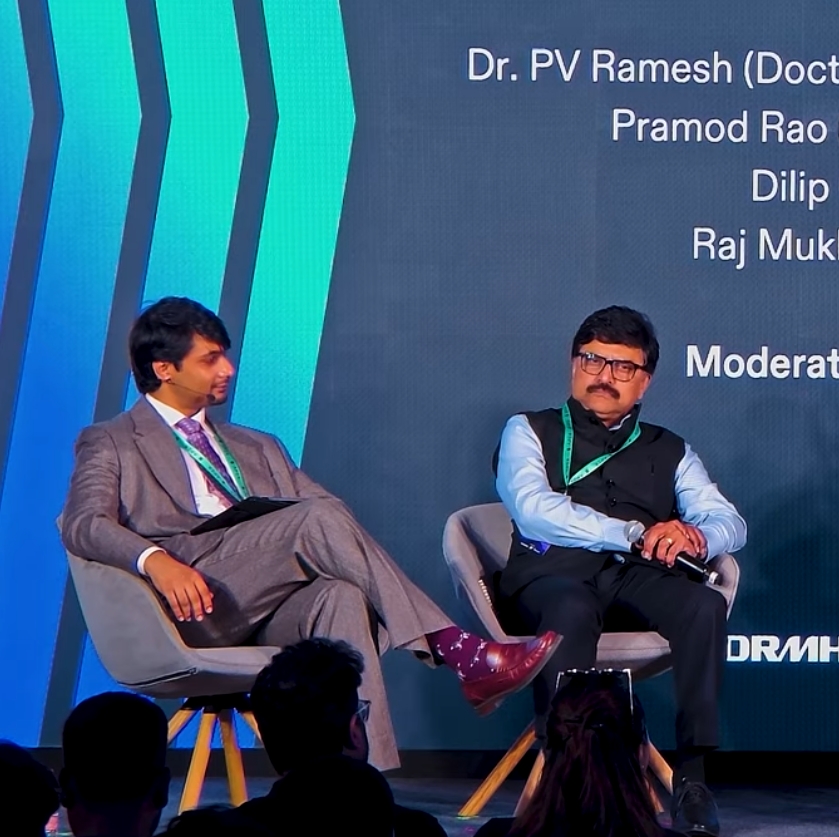
The Path Forward (Public-Private Collaboration): The consensus is that the industry must move from passive observation to proactive engagement. Developers and innovators are encouraged to:
Engage with Regulators: Present a unified, coherent voice to help regulators understand specific technological needs, rather than providing fragmented feedback.
Leverage Existing Frameworks: Use sandboxes to build products that demonstrate utility and consumer safety, which builds trust with regulators.
Focus on Real-World Utility: By aligning innovations with broader national goals—such as inclusive banking, capital mobilization, and insurance—the industry can accelerate the adoption of supportive regulations
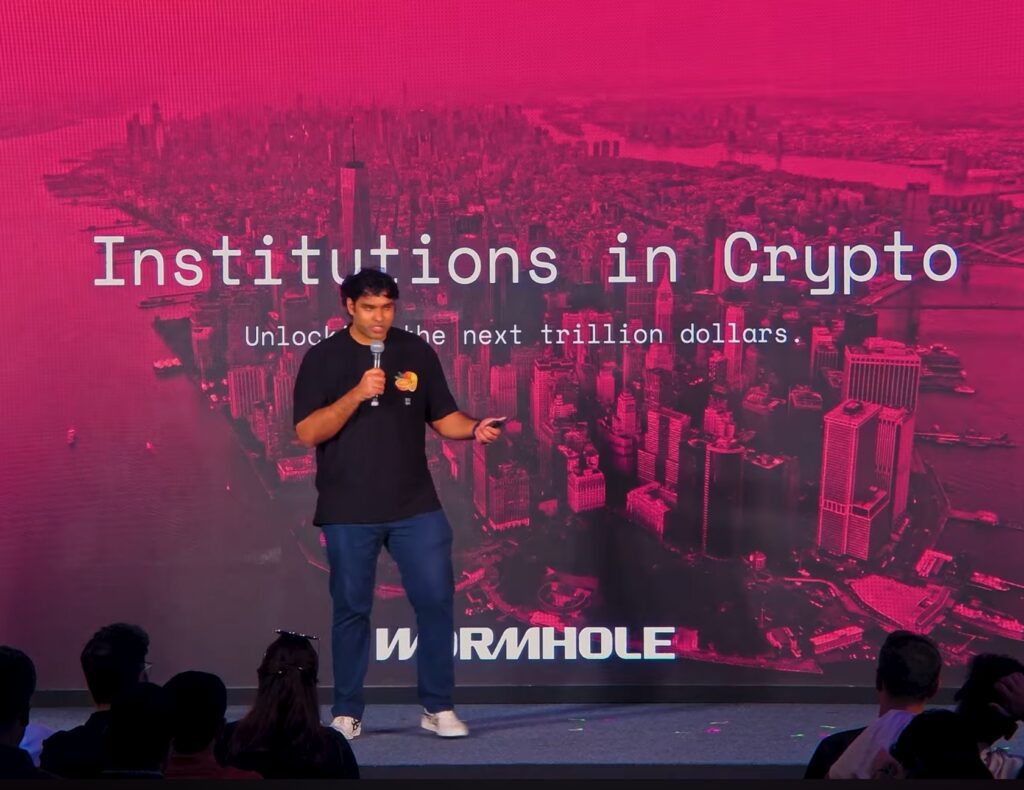
Rachit from Wormhole discusses the transformative potential of tokenizing real-world assets (RWA) and the critical role institutions can play in bridging traditional finance (TradFi) with decentralized finance (DeFi).
Key Observations
The Massive Untapped Opportunity: Despite crypto’s multi-trillion-dollar market cap, it remains a fraction of the broader global financial market. By bringing assets like insurance, real estate, gold, and debt markets on-chain, institutions can unlock significant value and utility currently unavailable to retail investors.
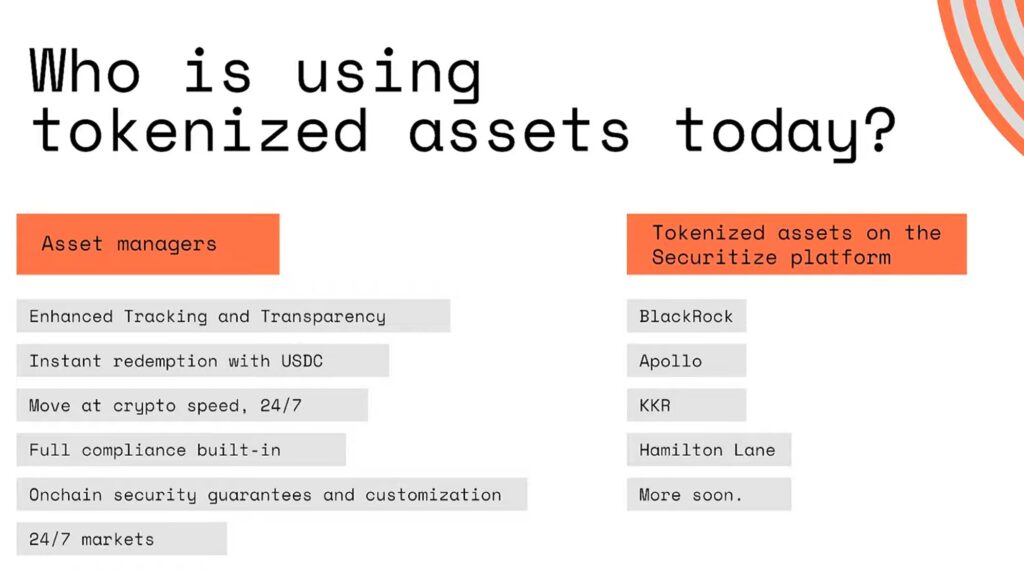
Benefits of On-Chain Assets: Tokenization addresses inefficiencies in traditional markets, such as restricted trading hours (e.g., 9-to-3:30 schedules) and high friction/costs. On-chain assets offer 24/7 liquidity, real-time settlement, and borderless investment accessibility.
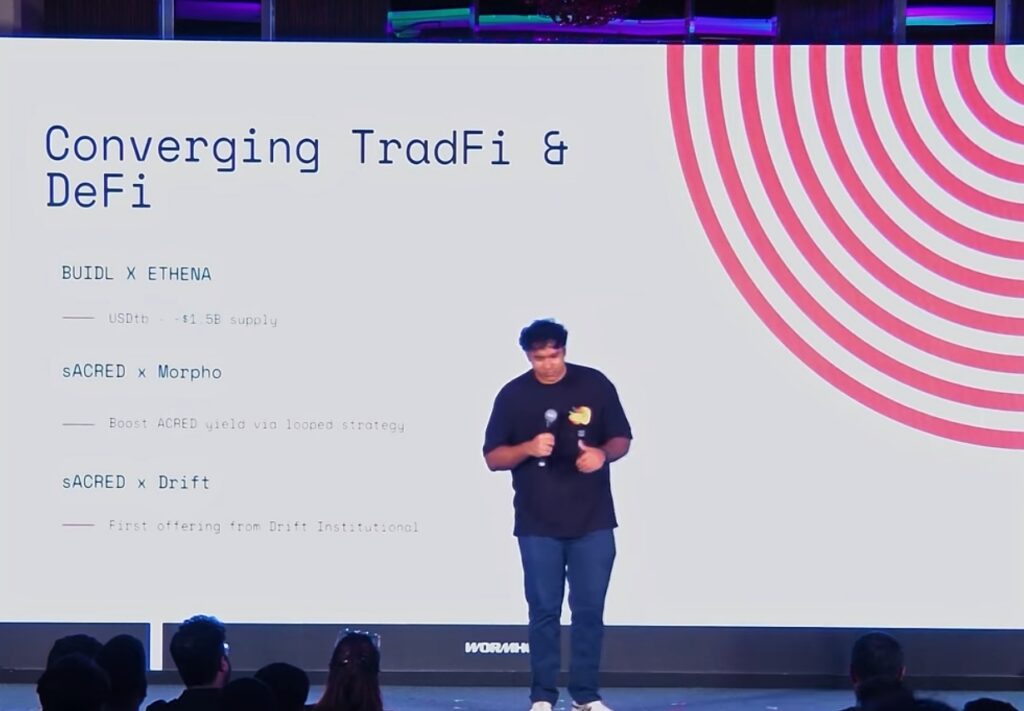
The Convergence of TradFi and DeFi: The future lies in composable financial products. Rachit illustrates this with examples where collateralized assets (like BlackRock’s BUIDL) are used in DeFi protocols (like Morpho or Drift) to allow for sophisticated strategies—such as looping loans against tokenized positions—that are far more efficient than traditional banking products
Institutional Leadership: Institutions are essential for setting benchmarks and driving mass adoption. By establishing secure, regulated on-ramps, they can change how retail users interact with money, making global investments more accessible to local markets like India.