
INDIA’S INNOVATIVE FRAGRANCE & FLAVOUR ECOSYSTEM
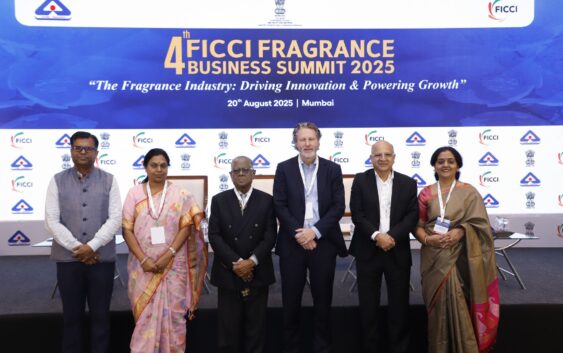
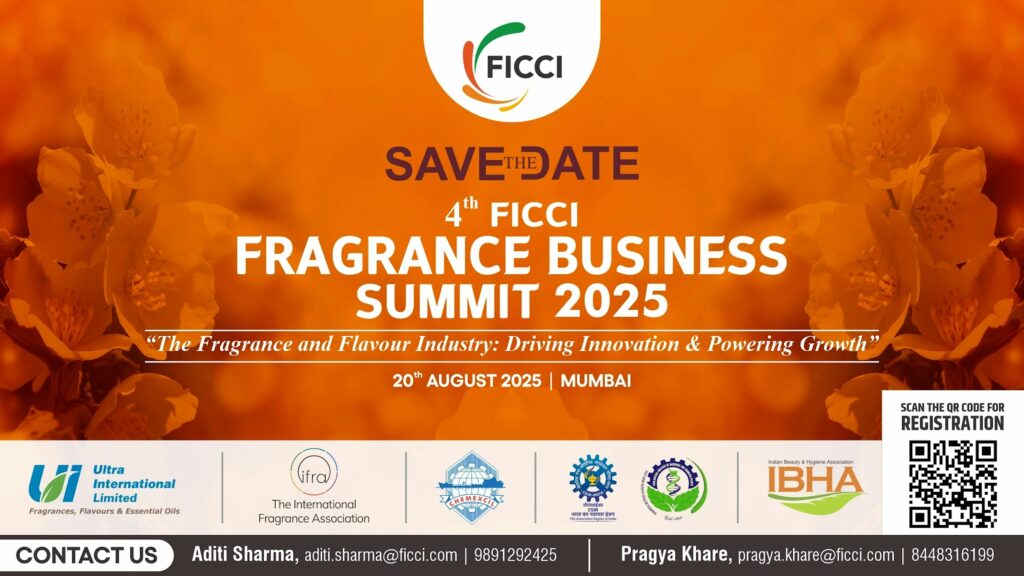
The 4th FICCI Fragrance Business Summit, was held on August 20, 2025, in Mumbai, brought together industry leaders, stakeholders, and policymakers to foster growth and innovation within India’s rapidly expanding fragrance industry. Organized by the Federation of Indian Chambers of Commerce & Industry (FICCI), the summit focused on the theme “The Fragrance Industry: Driving Innovation & Powering Growth” to further solidify India’s position as a global fragrance powerhouse.
With an impressive 11% annual growth rate, India’s fragrance industry is well on its way to becoming a significant player in the international market. The summit featured a diverse range of participants, including natural-resource growers, ingredient suppliers, perfume houses, downstream companies, regulators, researchers, and international partners.The inaugural session gathered high-profile speakers, such as senior government leaders, heads of statutory bodies, President of the International Fragrance Association (IFRA), distinguished industry partners, and FICCI Fragrance Task-Force co-chairs. These key figures shared their insights on policy priorities and market potential, setting the tone for the rest of the summit.
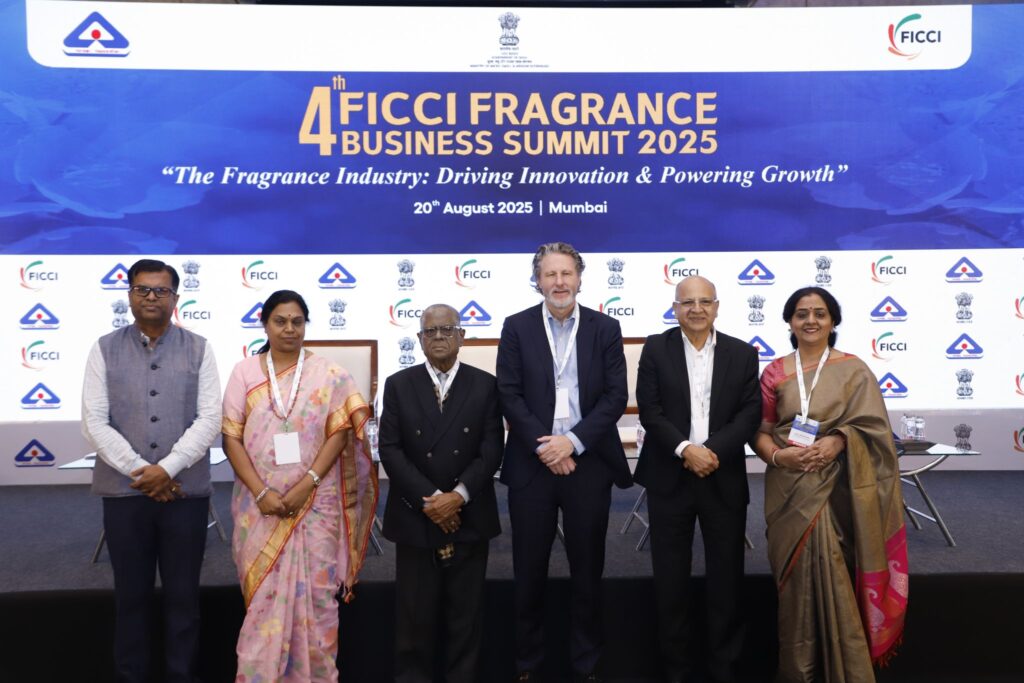
The event consisted of various sessions that delved into pertinent topics like “Cultivating Aromas, Connecting Future” and “Positioning India as a Global Hub for Aroma Ingredients.” These discussions focused on creating a more vibrant, competitive, and sustainable fragrance ecosystem in India while addressing the challenges and opportunities within the sector.
Overall, the 4th FICCI Fragrance Business Summit aims to stimulate dialogue, foster collaboration, and drive innovation within the Indian fragrance industry, ultimately propelling its growth and success on the global stage.
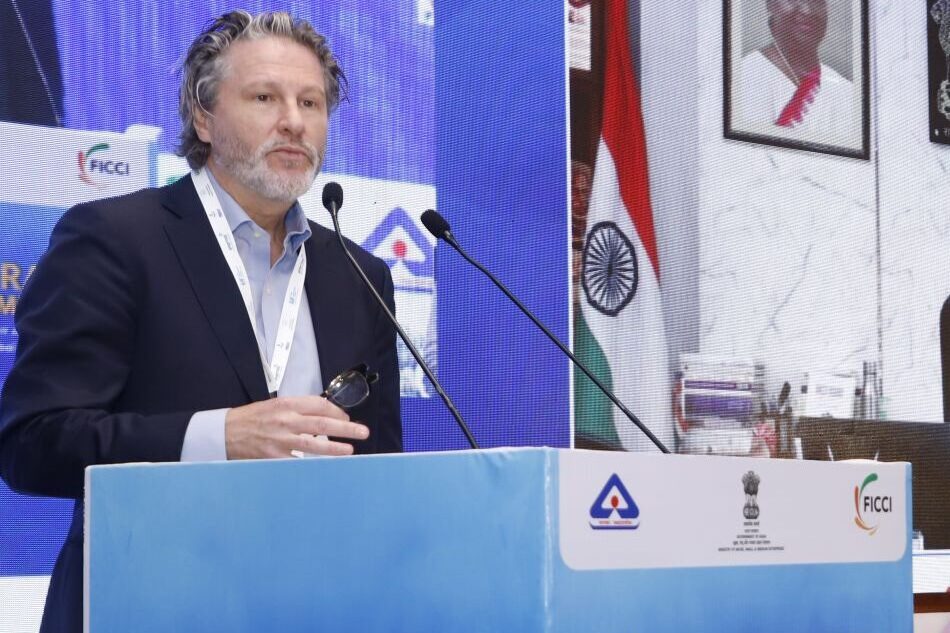
At the 4th FICCI Fragrance Business Summit 2025 in Mumbai, Mr. Michael Carlos, Chairman of the FICCI Fragrance Taskforce and Chairman Emeritus of IFRA, placed strong emphasis on education, natural ingredients, and innovation as central pillars for the advancement of India’s fragrance industry. He highlighted the critical need for building capacity through targeted education initiatives such as FICCI’s collaboration with Hindu College, which prepares new industry talent and ensures students are equipped for real-world challenges in perfumery and fragrance science.
He highlighted three pillars crucial for the future of India’s fragrance industry: education, naturals, and innovation. He emphasized the significance of AI, safe product development, and enhanced support for SMEs to nurture the next generation of perfumers. Carlos stressed the importance of investing in education and training programs to equip aspiring perfumers with the skills and knowledge required to thrive in the industry. He also acknowledged the value of India’s diverse natural resources and their potential to propel the nation’s fragrance industry to new heights.
The Aroma Mission is empowering farmers and tribal communities through the cultivation of climate-resilient crops, driving rural economic growth and biodiversity. Responsible sourcing and adherence to global safety and regulatory standards were identified as critical for industry competitiveness. The role of artificial intelligence and technology in developing safe, market-driven fragrance products was highlighted as key for future growth. Support for small and medium enterprises and partnerships across academia, government, and industry are vital to help India become a global fragrance powerhouse.
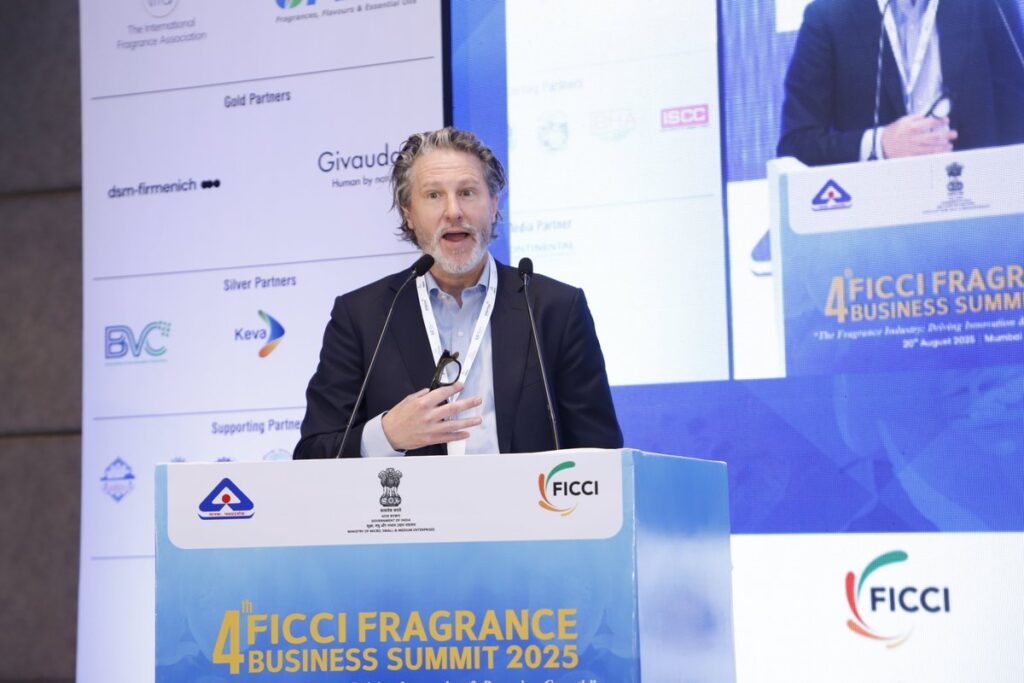
Mr. Michael Carlos emphasized the transformative potential of artificial intelligence in elevating both the sophistication and efficiency of the fragrance industry, particularly in product design and operational processes. Moreover, Carlos underscored the role of innovation in developing safe and sustainable fragrance products, particularly through AI and advanced technologies. He urged that AI-driven innovation could help Indian firms achieve higher global relevance, leapfrogging traditional industry challenges. Support for small and medium enterprises (SMEs) was a major focus, with calls to ensure they receive equitable access to resources, technical guidance, and market entry opportunities necessary for meaningful growth. Mr. Carlos positioned safe product development as a non-negotiable foundation, advocating for strict alignment with global safety standards to build consumer trust and regulatory compliance.
Mr. Carlos highlighted how international best practices, digital transformation, and collaborative frameworks can empower even smaller players in the value chain. Altogether, AI, heightened safety priorities, and stronger SME support were presented as essential levers for India’s fragrance sector to thrive internationally. Carlos’s insights at the summit emphasized the need for a collaborative and forward-thinking approach to ensure the continued success and global competitiveness of India’s fragrance industry.
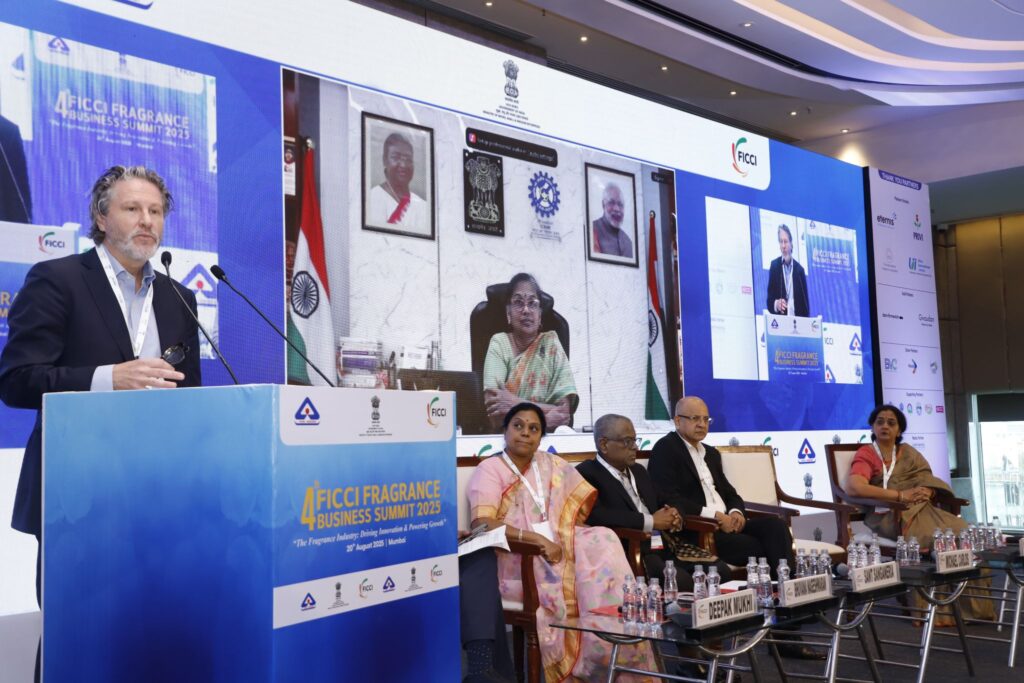
The Aroma Mission in India promotes sustainable cultivation of aromatic crops like lavender and lemongrass, empowering farmers and boosting rural incomes while supporting biodiversity and climate resilience. It aligns production with global sustainability and regulatory standards, strengthening India’s position as a top supplier of natural fragrance ingredients.
The mission has expanded cultivation across multiple states and established essential oil distillation units, generating substantial rural employment. Innovation, particularly safe product development and adoption of AI, is key to meeting evolving market demands and improving efficiency. These advancements enable both large companies and SMEs to compete effectively in the international fragrance market. This integrated approach fosters growth, sustainability, and global competitiveness for India’s fragrance industry.
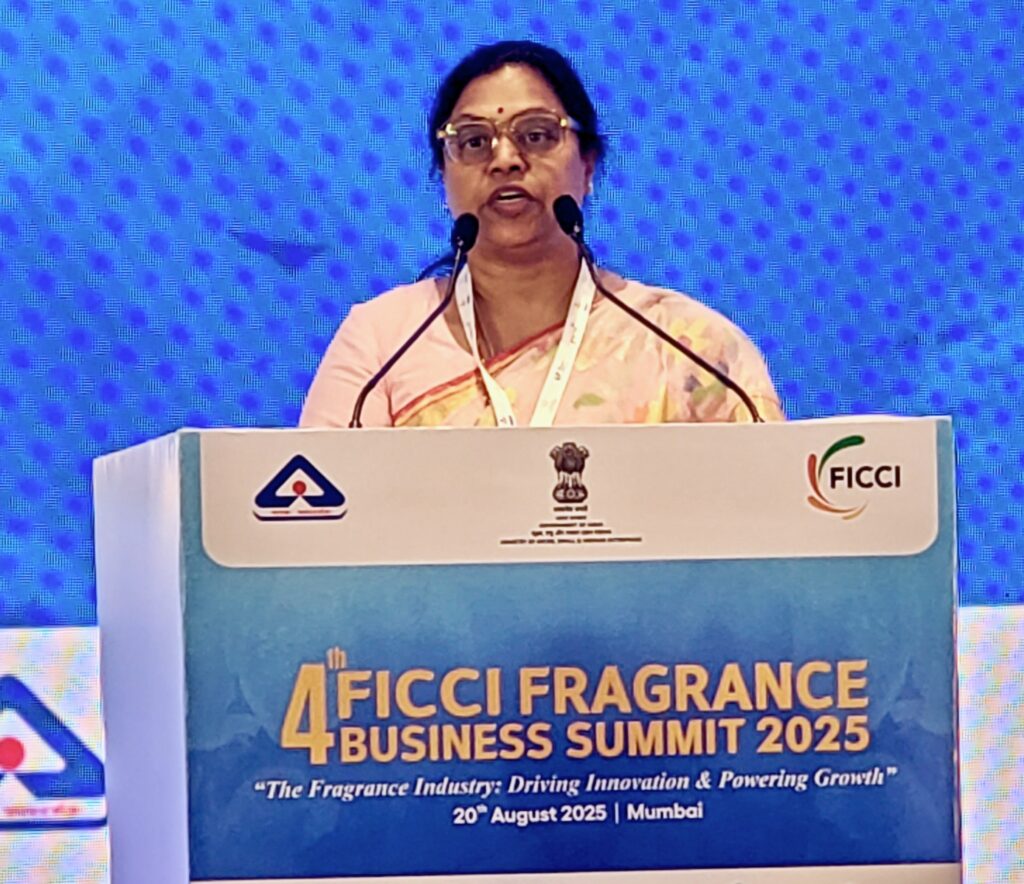
At the 4th FICCI Fragrance Business Summit 2025 in Mumbai, Ms. Bhuvna Nageswaran, Co-Chair of the FICCI Fragrance Taskforce, highlighted the unique and vital role of the fragrance industry in India. She noted that despite being smaller in scale compared to other sectors, the industry holds significant economic importance due to its deep roots in India’s rich cultural heritage. Ms. Nageswaran emphasized the industry’s strong links with agriculture, science, and various industrial sectors. She shared that the Indian flavour and fragrance industry is valued at USD 4.8 billion and meets nearly 10–15% of the global demand for essential oils and aroma chemicals. This reflects India’s increasing footprint in the global fragrance value chain and points to considerable untapped potential for further innovation and growth. Her welcome address established the fragrance industry as both culturally significant and economically promising for India’s future.
Ms. Bhuvna Nageswaran proposed linking agriculture and the fragrance industry through initiatives like the Aroma Mission, which empowers farmers and tribal communities by promoting the cultivation of climate-resilient aromatic crops such as lavender and lemongrass. This mission fosters rural economic growth by providing end-to-end technology solutions, value addition, and establishing sustainable aroma clusters.
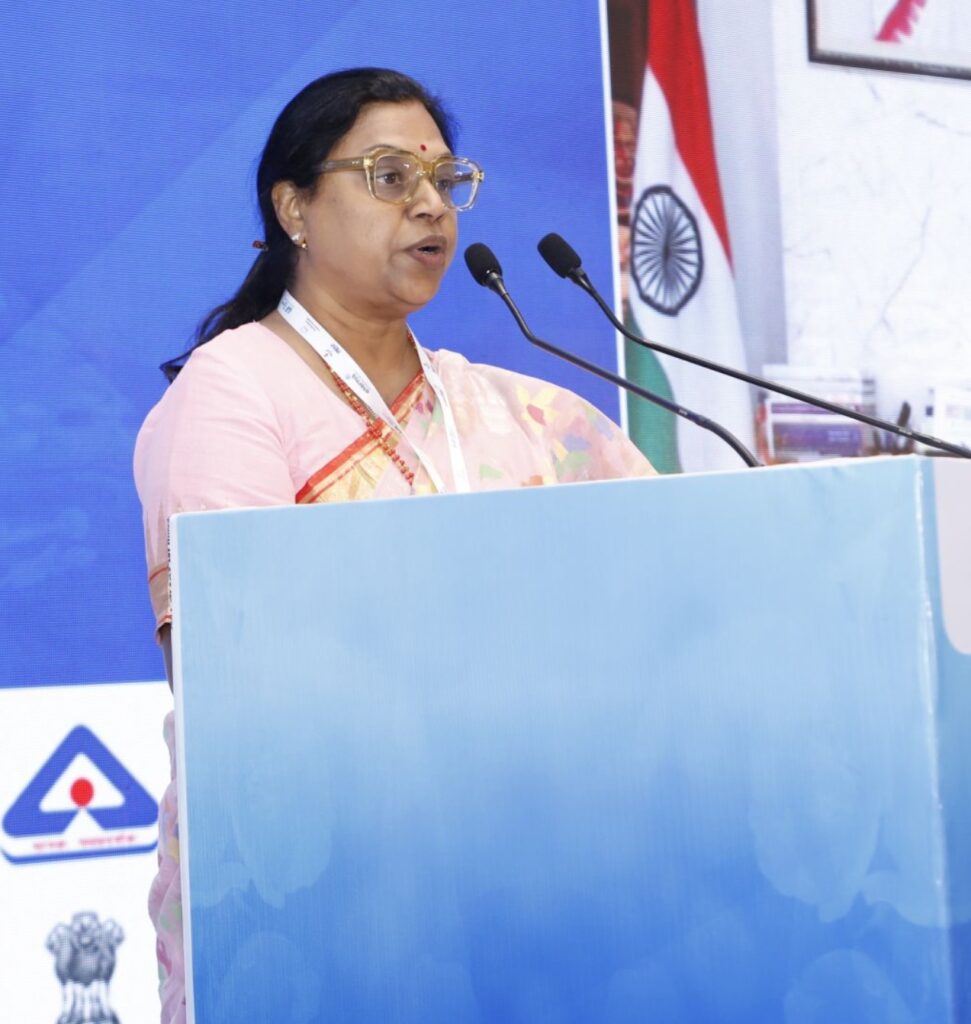
She emphasized the integration of traditional agricultural knowledge with modern science and technology to boost essential oil production and quality. Collaboration between industry, government, and research institutions like CSIR supports this linkage, ensuring sustainable sourcing aligned with global standards. By doing so, the fragrance industry benefits from reliable, high-quality raw materials while uplifting rural livelihoods. This approach strengthens India’s global position as a leading supplier in the fragrance value chain.
Ms. Bhuvna Nageswaran highlighted the fragrance industry’s unique role in India by emphasizing its vital economic importance despite its smaller scale compared to other sectors. She noted that the industry is deeply rooted in India’s rich cultural heritage and has strong connections with agriculture, science, and industry. This blend of tradition and modernity positions the fragrance sector as a crucial contributor to the economy.
She shared that the Indian flavor and fragrance industry is valued at USD 4.8 billion and fulfills 10–15% of the global demand for essential oils and aroma chemicals. This reflects India’s growing presence and untapped potential in the global fragrance market. Her remarks underlined the industry’s significance as both culturally rich and economically impactful for India’s future growth.
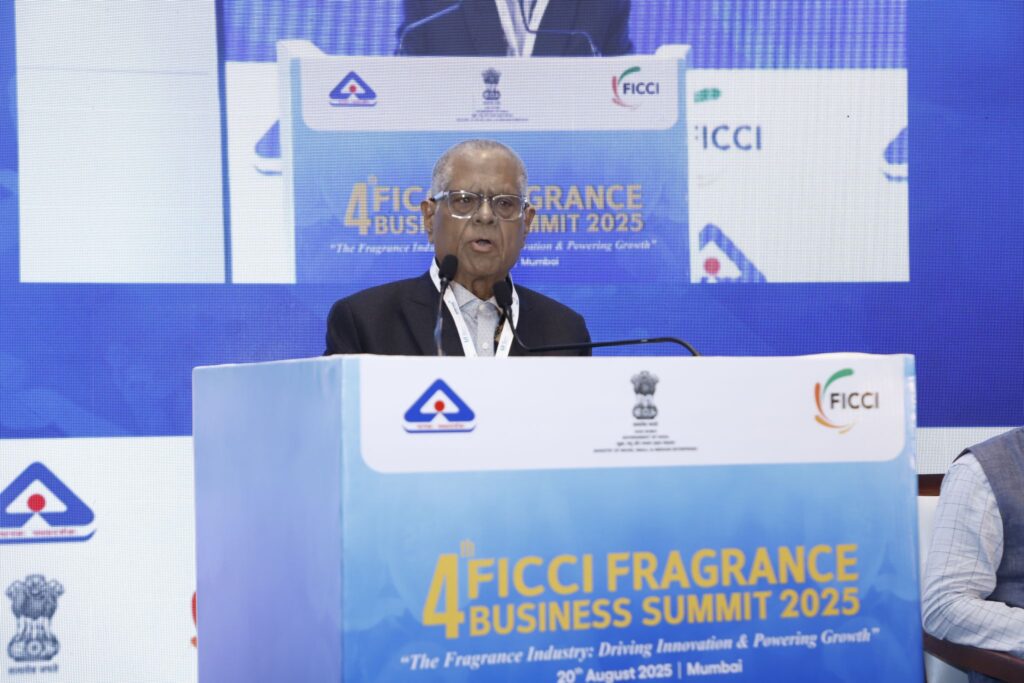
Mr. Sant Sanganeria, Founder Chairman & MD of Ultra International Ltd and Managing Trustee of the Sant Sanganeria Foundation, traced India’s fragrance journey as a blend of tradition, innovation, and farmer empowerment. He highlighted the transformative impact of collaborations between industry, government, and CSIR, which have uplifted livelihoods from the lavender fields of Jammu to the rose valleys of Rajasthan. Mr. Sanganeria emphasized the growing role of startups that integrate artificial intelligence with aroma science, pushing the boundaries of fragrance innovation.
Advocating the slogan ‘vocal for local, local to global,’ he called for expanding perfumery education, establishing aroma clusters, and increasing support for women, youth, and MSMEs. He envisioned India becoming a global fragrance hub rooted in sustainability, biodiversity, and the cultural pride of being ‘crafted with love in Bharat.’ His vision underscores a future for India’s fragrance industry that combines heritage with technology and inclusivity.
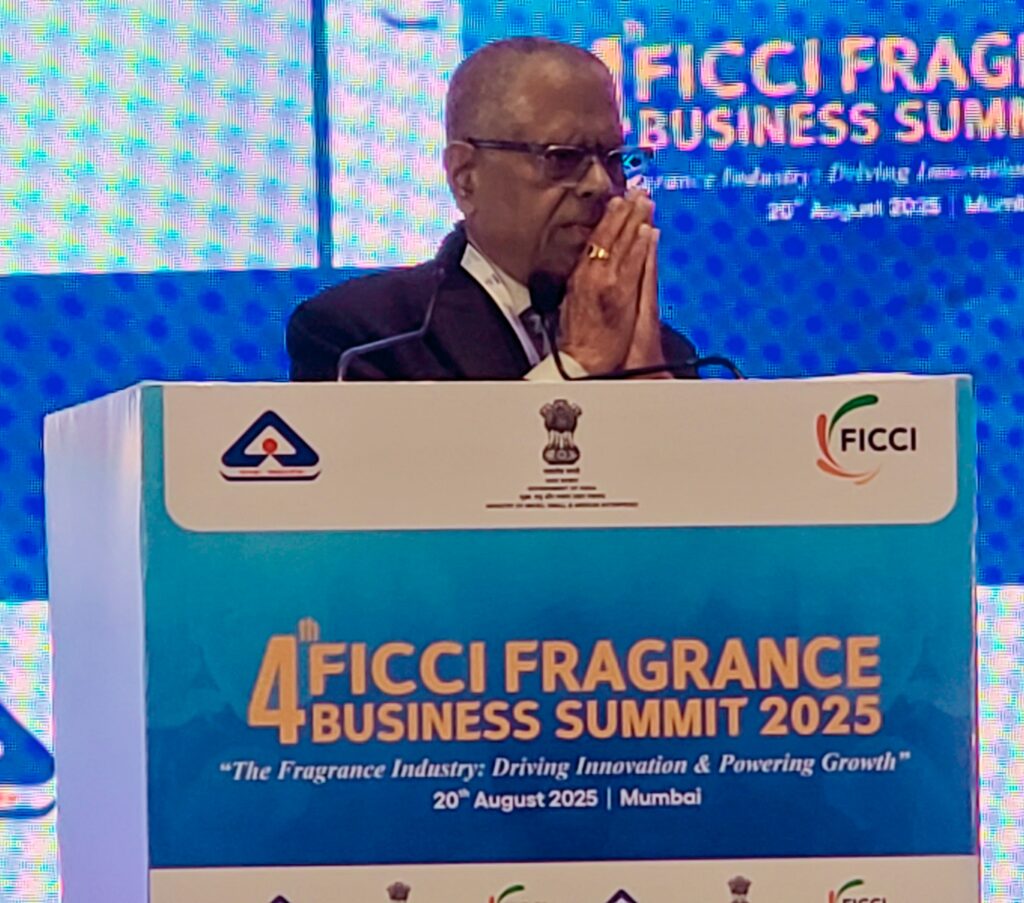
To build national aroma clusters, policy steps should include establishing dedicated technology and training centers like the Fragrance and Flavour Development Centre (FFDC) in Kannauj to support farmers and MSMEs with cultivation, processing, and quality assurance. The government should foster collaboration among industry, research institutions like CSIR, and academia to enhance innovation, sustainable farming, and skill development. Financial incentives, subsidies, and grants could be provided to encourage cultivation of aromatic crops and the creation of distillation and processing units in cluster regions.
Emphasis on inclusive growth should be made by empowering women, youth, and tribal communities with targeted training and market access. Infrastructure development including roads, power, water, and logistics support must be prioritized to ensure seamless cluster operations. Lastly, aligning production and product standards with global regulations will ensure competitiveness and promote exports from these aroma clusters.
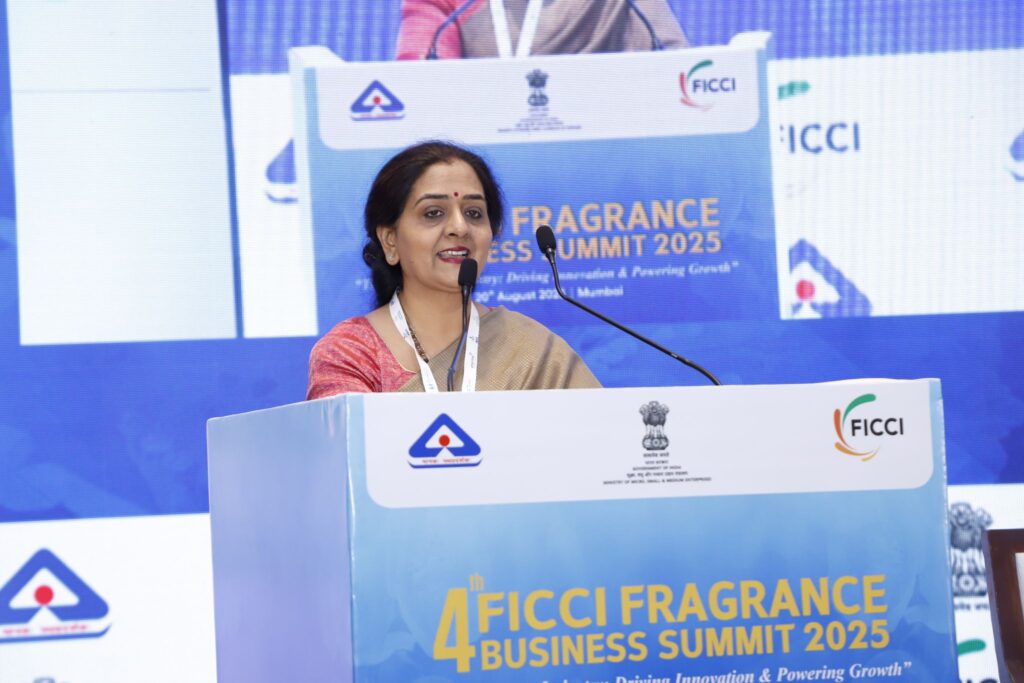
Professor Anju Srivastava, Principal of Hindu College, University of Delhi, highlighted the critical challenge of eliminating the gap between academic learning and industry expectations in education today. She emphasized the need for education to be more skill-driven and industry-relevant to prepare students to contribute effectively from their first day at work. Professor Srivastava stressed that collaboration between academia and industry is essential for building a workforce ready for future demands. She pointed to Hindu College’s innovative Certificate Course in Sustainable Perfumery, developed with IFRA, Ultra International, and industry partners, as a model initiative. This multi-disciplinary program combines science, sustainability, and practical skill training, including internships and mentorship from industry leaders. She underscored that such programs align with the National Education Policy’s goals of fostering innovation, sustainability, and employability, and called for continued academic-industry collaboration to position India as a global leader in the fragrance sector.
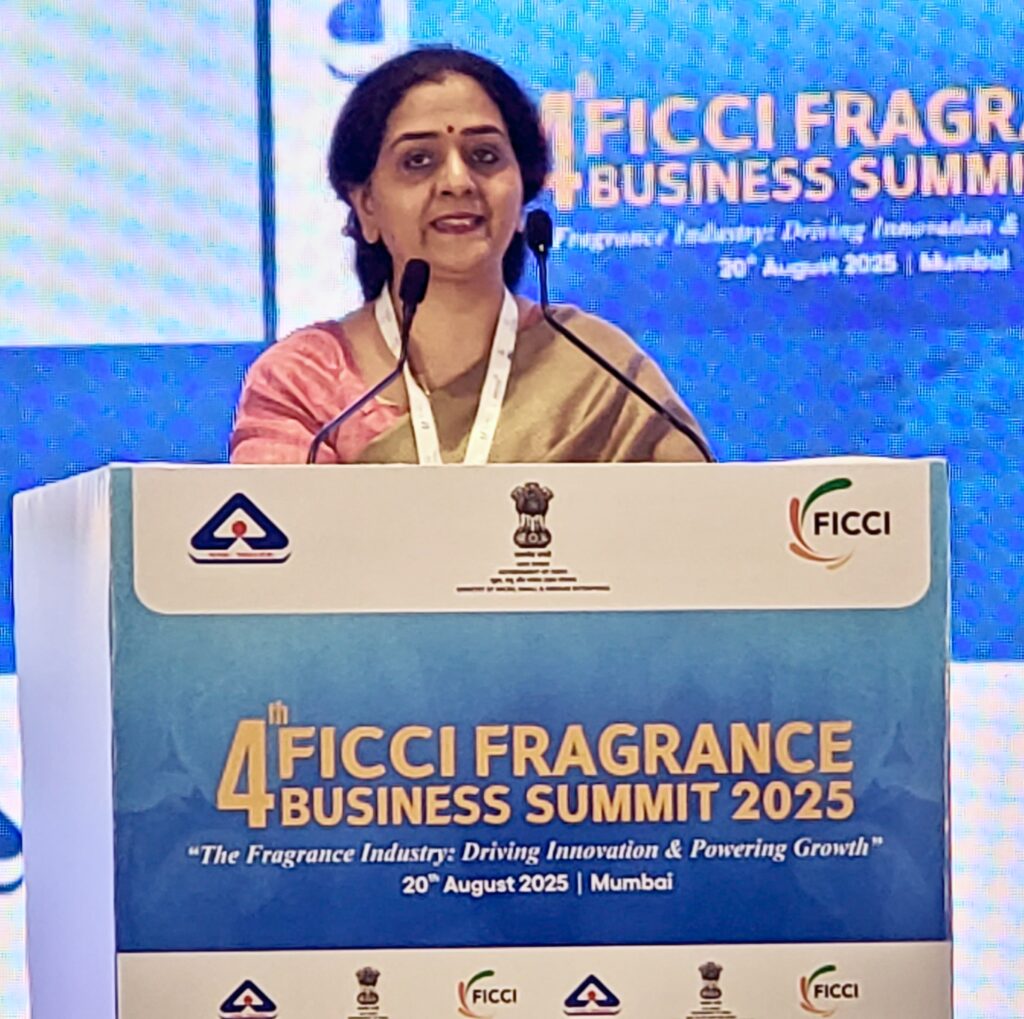
Hindu College’s Certificate Course in Sustainable Perfumery is an industry-led, skill-based program designed to bridge the gap between academic learning and industry needs. Developed in collaboration with IFRA, Ultra International, and other industry partners, the course spans 38 weeks and combines scientific knowledge with sustainability principles and practical skill training. It includes internships and mentorship from leading perfumers and industry experts, making it employment-oriented and aligned with real-world demands.
The program’s curriculum covers fragrance creation, raw materials, quality control, and sustainable practices, reflecting the vision of the National Education Policy to foster innovation and employability. The course aims to equip students to contribute effectively to the global fragrance sector from day one. This pioneering initiative exemplifies how academia and industry can collaborate to nurture future-ready talent for India’s growing fragrance industry.

Dr. N. Kalaiselvi, Director General of CSIR and Secretary of DSIR, Government of India, addressed the 4th FICCI Fragrance Business Summit, urging CSIR labs and industry stakeholders to collaborate on developing climate-resilient crops under India’s Aroma Mission. This mission, launched by CSIR, aims to revolutionize the rural economy, market dynamics, and growth opportunities by providing end-to-end technology and value-addition solutions across the country.
Dr. Kalaiselvi emphasized CSIR’s contributions to R&D in essential oils, aroma chemicals, and natural extracts while promoting stronger industry-academia linkages. To achieve global positioning, she highlighted the Indian fragrance industry’s need to capitalize on its unique biodiversity and traditional knowledge. She also stressed the importance of aligning innovations with sustainability, circular economy principles, and evolving consumer preferences.
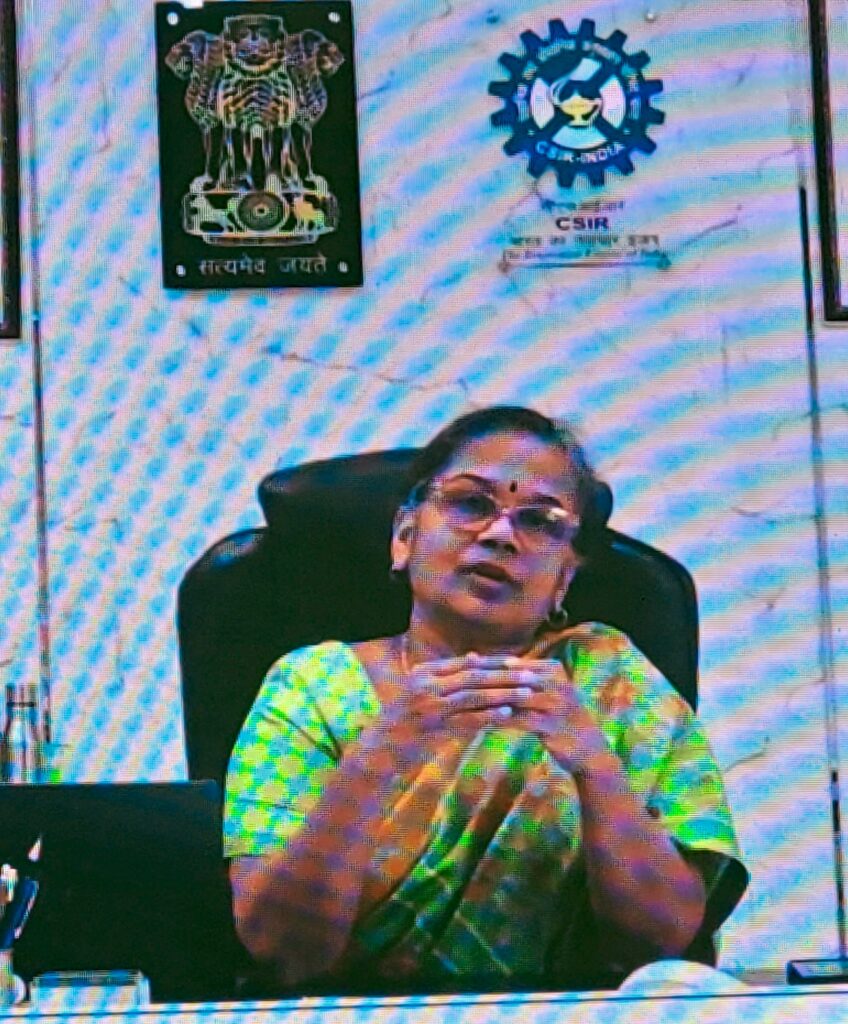
“Fragrance is not just about aroma, it is about science, technology, and the power to drive growth across diverse industries. Under Aroma mission, we are working closely with the farmers and tribals in different States to uplift their family incomes and provide better lifestyle,” she added and stated that that in Jammu & Kashmir, under the Lavander mission also known as Purple Revolution, farmers have shifted from traditional crops like maize to lavender cultivation, leading to higher incomes.
Dr. Kalaiselvi called for a robust ecosystem that combines tradition with cutting-edge science and encouraged stakeholders to collaborate in achieving this vision. She added that policies and frameworks should not only support business growth but also ensure responsible sourcing, quality standards, and global competitiveness. With talent, resources, and heritage, India has the potential to emerge as a fragrance powerhouse, she concluded.
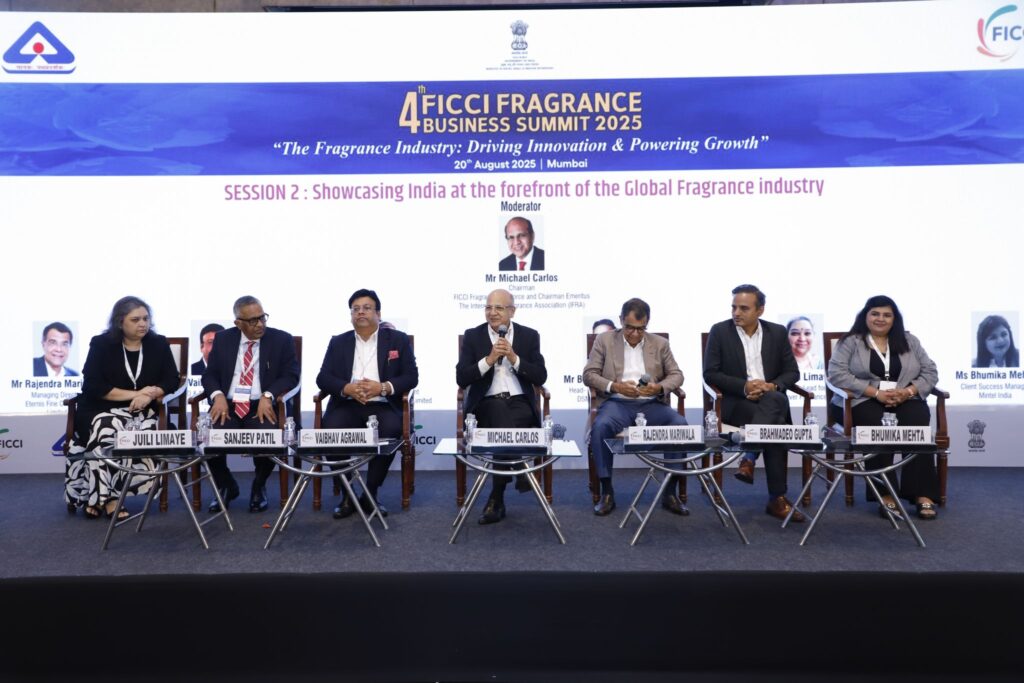
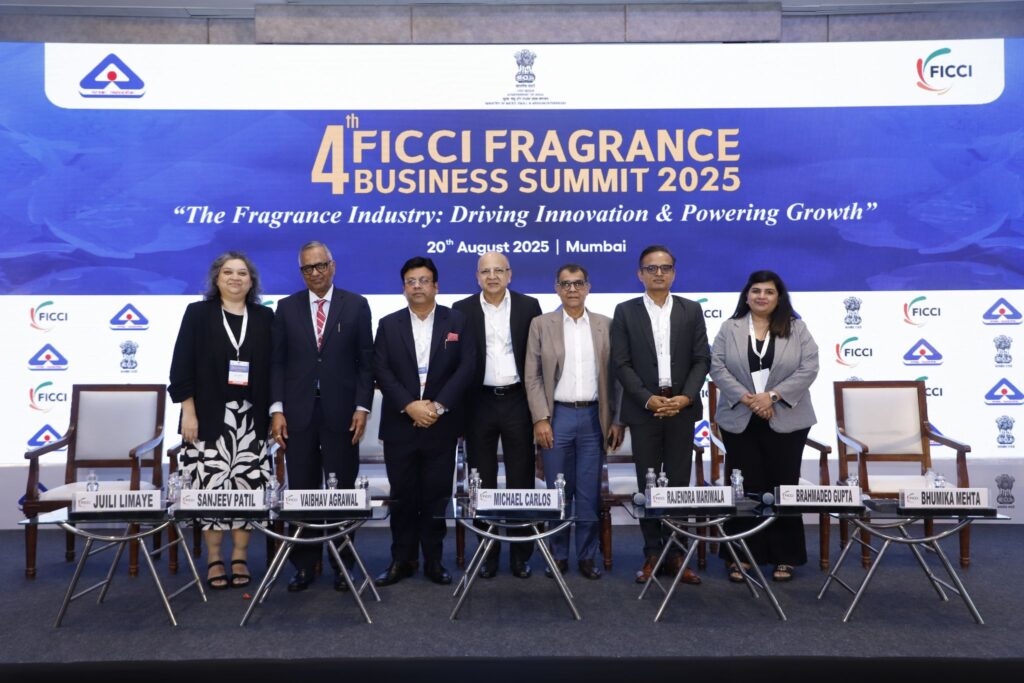
At the 4th FICCI Fragrance Business Summit session on “Showcasing India at the Forefront of the Global Fragrance Industry”, leaders from across the sector discussed how India is leveraging its heritage, resources, and innovation to strengthen its global fragrance footprint.
Key Insights from Speakers
Ms Juili Limaye (HUL) emphasized how evolving consumer preferences are reshaping fragrance design strategies, with rising demand for naturals, personalization, and sustainability-driven choices. She stressed that design innovation is pivotal in aligning products with diverse consumer sensibilities.
Ms Bhumika Mehta (Mintel India) highlighted how market intelligence is driving decision-making in fragrance innovation by decoding shifts in consumer behavior, wellness trends, and sustainability expectations.
Panel Highlights
India’s Unique Strengths:
Rich cultural and botanical heritage in fragrances.
Abundant access to natural raw materials, ranging from essential oils to aromatic crops.
Large-scale manufacturing capabilities coupled with growing R&D and innovation.
Increasing role in global supply chains and exports.
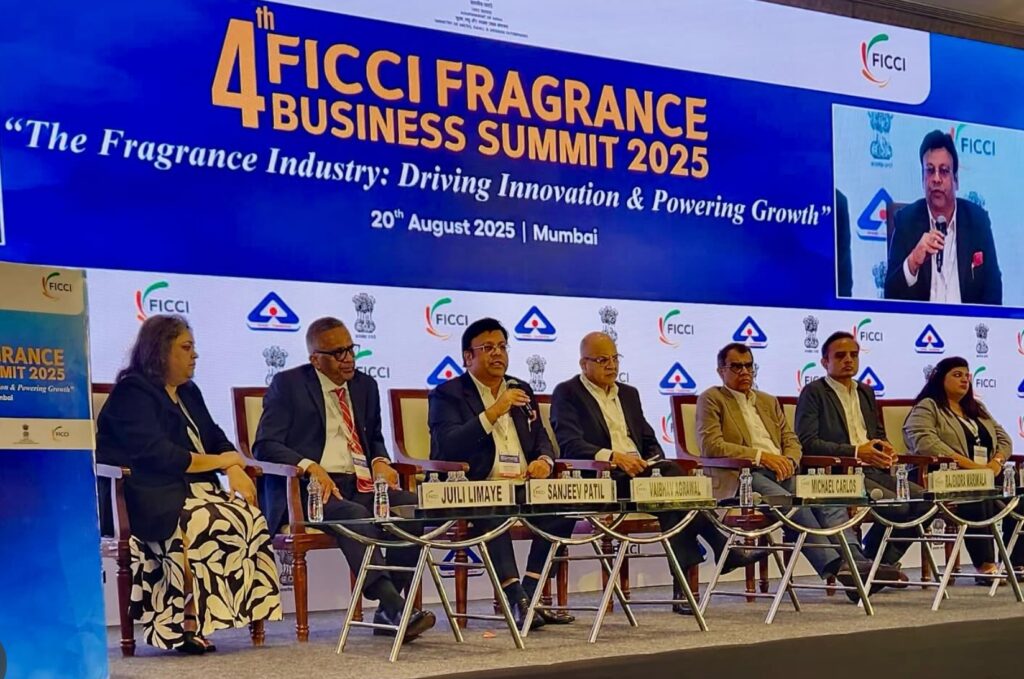
Role of Naturals and Sustainability: The panel stressed that consumer demand for natural-origin ingredients and eco-friendly practices is accelerating. India is well-positioned due to its biodiversity, traditional agriculture, and growing adoption of sustainable cultivation practices.
Climate Advantage: India’s diverse climatic zones provide an edge in cultivating aromatic crops, making the country a potential global hub for natural fragrance ingredients.
Institutional Contributions: Agencies like CSIR (Council of Scientific & Industrial Research) and CIMAP (Central Institute of Medicinal and Aromatic Plants) were acknowledged for their pioneering role in supporting aromatic crops, innovating extraction technologies, and promoting sustainable development of natural ingredients.
Takeaway
The session underlined that India is evolving from being a supplier of raw materials to a value-added leader in the global fragrance industry. By combining naturals, sustainability, design innovation, and scientific research, India is positioning itself as a major force in global fragrance markets.
India’s fragrance industry offers promising export opportunities and growth potential in specific product categories driven by global demand for natural, sustainable, and luxury fragrances.
Indian perfume exports are growing at over 15% annually, with strong demand from key markets such as the Middle East, Europe, USA, and Southeast Asia. The global perfume market is expected to surpass $70 billion by 2030, with India emerging as a top exporter of natural and luxury fragrances.
Key export drivers include India’s rich tradition of attars and natural oils, competitive manufacturing costs, and diverse product offerings ranging from oud and attars to modern eau de parfums.
Top importing countries for Indian perfumes include the Middle East, Europe, North America, and Asia-Pacific, with a growing preference for organic, vegan, and niche luxury perfumes.
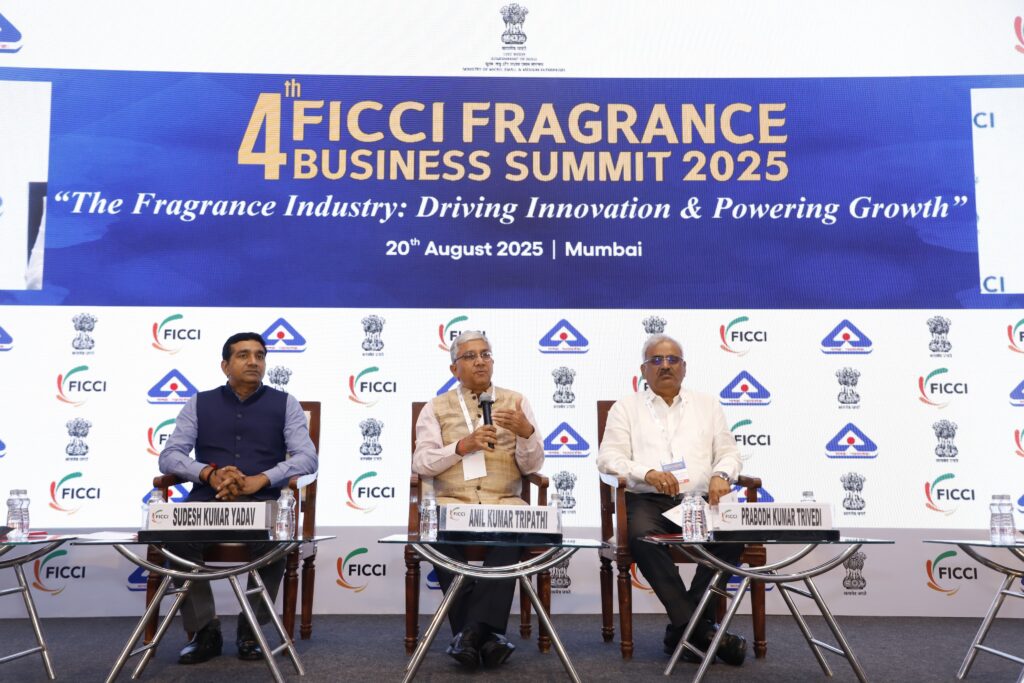
The session on “Aroma Mission – Perspective from CSIR” at the 4th FICCI Fragrance Business Summit, chaired by Prof. Anil Kumar Tripathi, emphasized how CSIR has been central to building India’s fragrance value chain through science-led innovation and farmer empowerment.
Key Highlights
Aromatic Crop Cultivation
CSIR institutions, particularly CIMAP and IHBT, have introduced improved and high-yielding varieties of aromatic crops like mentha, lemongrass, palmarosa, and rose. These varieties not only enhance oil quality but also improve resistance against pests and climatic stress.
Advanced Distillation Technologies
Efforts were showcased in modern distillation units and eco-friendly extraction methods, which reduce post-harvest losses and raise oil recovery efficiency, making smallholder cultivation more profitable.
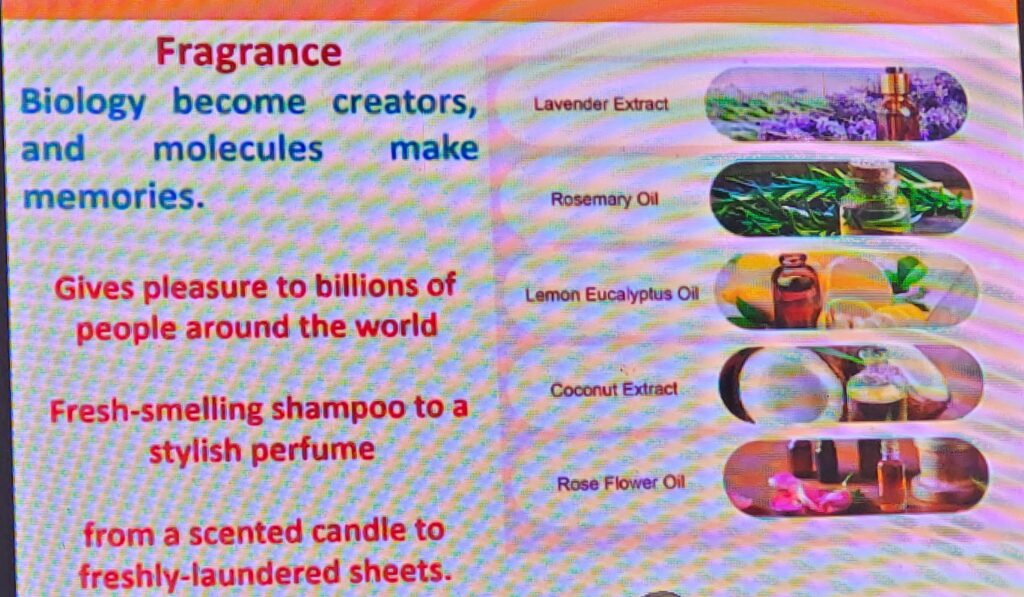
Skill Development and Training
Training modules, farmer field schools, and incubators are enabling rural communities to adopt scientific practices in cultivation, harvesting, and processing. Women farmers and rural entrepreneurs received special mention as beneficiaries of the Aroma Mission.
Strengthening Rural–Industry Linkages
By creating reliable raw material supplies, CSIR is helping perfume, flavor, and aromatherapy industries access consistent quality feedstock domestically, reducing dependence on imports. This is aligned with the Atmanirbhar Bharat vision.
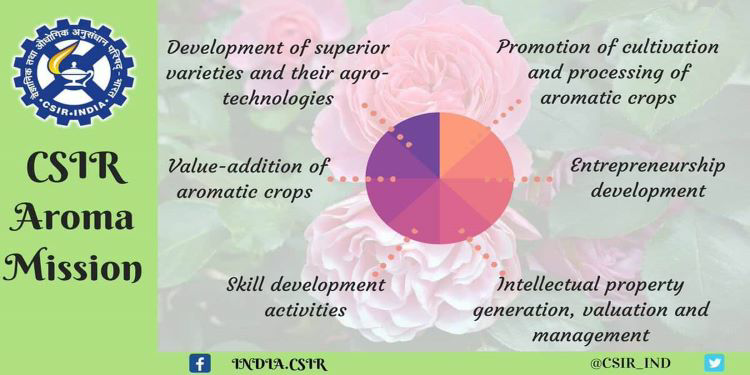
The Aroma Mission Project, also known as the Lavender or Purple Revolution, has been instrumental in boosting the cultivation of fragrant crops and enhancing India’s position in essential oil production. This initiative, which began in Jammu and Kashmir, has significantly transformed farmers’ livelihoods by empowering them to cultivate high-value aromatic crops like lavender, reaping substantial profits and improving their quality of life.
The Council of Scientific and Industrial Research (CSIR) has played a vital role in implementing the Aroma Mission through its nodal laboratory, the Central Institute of Medicinal and Aromatic Plants (CSIR-CIMAP) in Lucknow. Other participating institutions from Palampur, Jammu, Lucknow, and Jorhat have also contributed to the mission’s success.
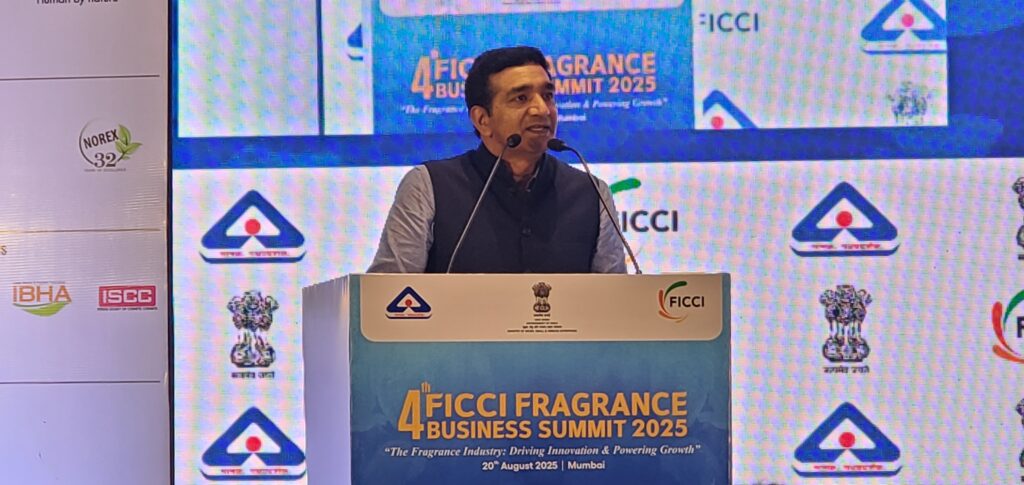
As part of this mission, lavender and rosemary plants were distributed to farming societies in Himachal Pradesh, along with ball seeds provided to a society in Baijnath. The Aroma Mission offers end-to-end technology and support for cultivation, processing, and marketing of these aromatic crops, ensuring farmers receive the knowledge and resources needed for successful production.
Dr. Sudesh Kumar Yadav (CSIR-IHBT) (above pictur|)
Emphasized work in Himalayan aromatic species such as rose, lavender, and wild marigold, with focus on cultivation in mid- and high-altitude belts, linking biodiversity with rural income.
The primary objectives of the Aroma Mission include facilitating aromatic crop cultivation for high-demand essential oils in the aroma industry, encouraging rural job growth, and boosting the country’s aroma industry. By focusing on sustainable farming practices and promoting the use of native aromatic plants, the mission aims to create a robust and thriving aroma sector in India.
As the Aroma Mission continues to expand, it seeks to establish India as a global hub for opportunities in the aromatic plant industry. By promoting research, innovation, and education in this field, the mission aims to create sustainable livelihoods for farmers while meeting the growing demand for high-quality essential oils in the aroma industry.
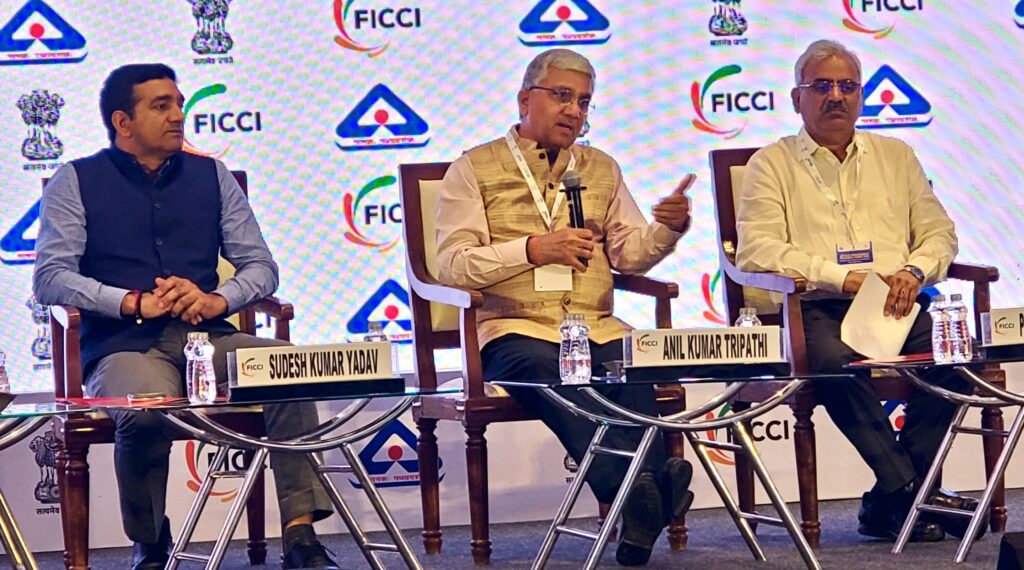
Dr. Prabodh Kumar Trivedi (CSIR-CIMAP)
Highlighted the national impact: over 50,000 farmers have been trained, and lakhs of hectares brought under aromatic crops. He stressed CIMAP’s role in translational research for commercially viable plant varieties.
Strategic Takeaways
CSIR’s Aroma Mission is evolving into a socio-economic model combining agriculture, technology, and entrepreneurship.
Regional tailoring of crops and technologies ensures that different parts of India contribute distinct aromatic raw materials.
Industry partnerships will be critical in scaling innovations, branding, and global positioning of India’s fragrance sector.
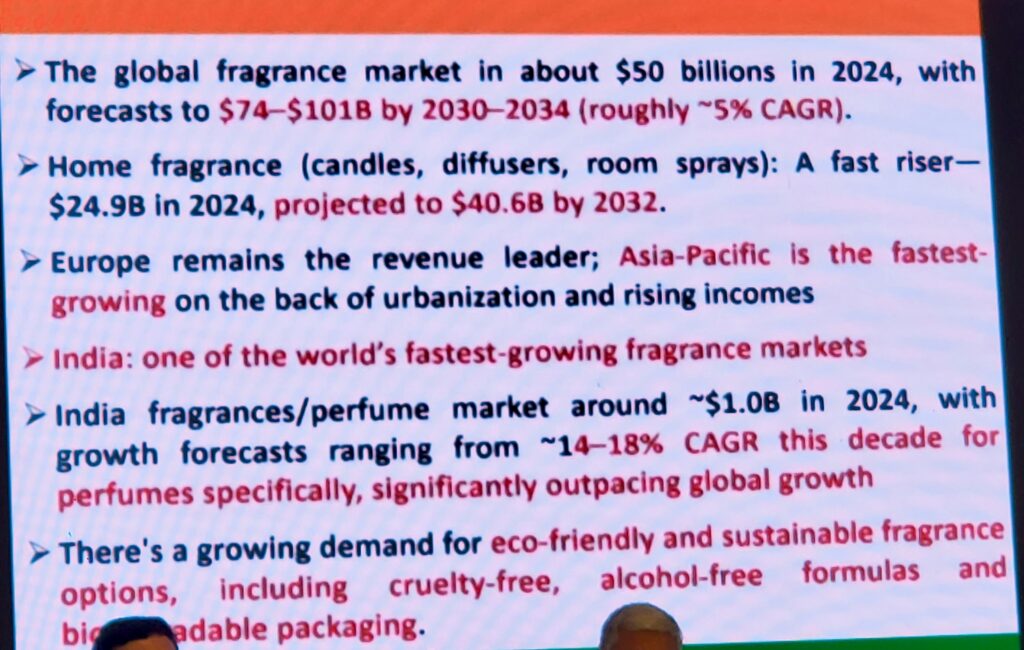
Global Fragrance Market Landscape
The global fragrance market stands at about $50 billion in 2024, with forecasts ranging from $74 billion to $101 billion by 2030–2034, translating to an estimated 5% CAGR (Compound Annual Growth Rate).
Home fragrance—including candles, diffusers, and room sprays—is a particularly high-growth segment: its market value, $24.9 billion in 2024, is projected to reach $40.68 billion by 2032.
Regionally, Europe continues as the market’s revenue leader. However, Asia-Pacific is the fastest-growing territory, driven by urbanization and increasing incomes.
India’s Fragrance Market Momentum
India is identified as one of the world’s fastest-growing fragrance markets, and local demand is quickly accelerating.
In 2024, the Indian fragrances and perfume market is valued at approximately $1 billion, with expected annual growth rates (CAGR) between 14–18% for this decade—perfume sales in particular are projected to outpace global averages.
These growth rates underscore why industry, policymakers, and rural sector programs such as the Aroma Mission see value in supporting local cultivation, innovation, and supply chains.
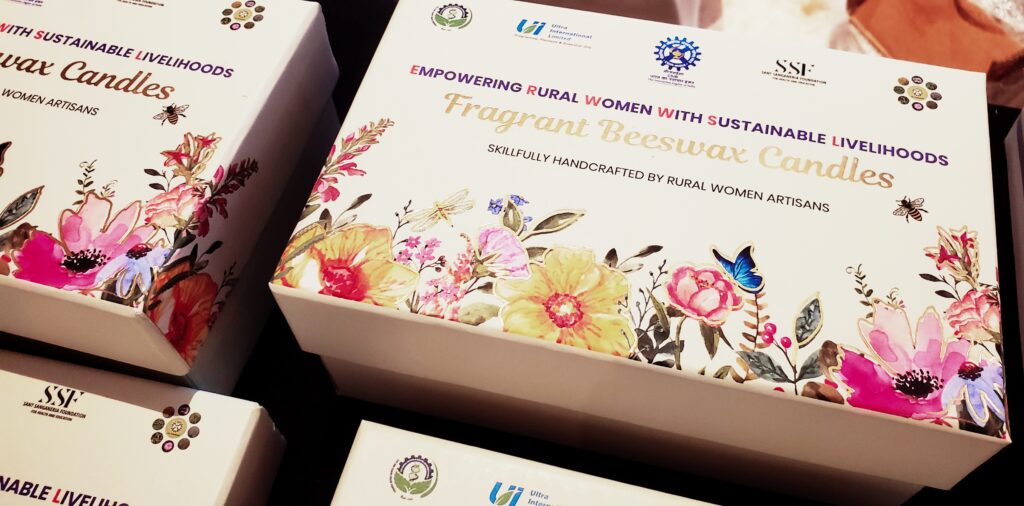


The CSIR Aroma Mission empowers rural women artisans by providing skill development in aromatic product making, including fragrant candles, incense sticks (agarbatti), and dhoop, along with training in fragrance blending and small-scale entrepreneurship. Supported by various CSIR institutes, such as CSIR-IIIM and CSIR-NEIST, these programs aim to foster self-reliance, create rural employment, and contribute to India’s growing aroma industry.

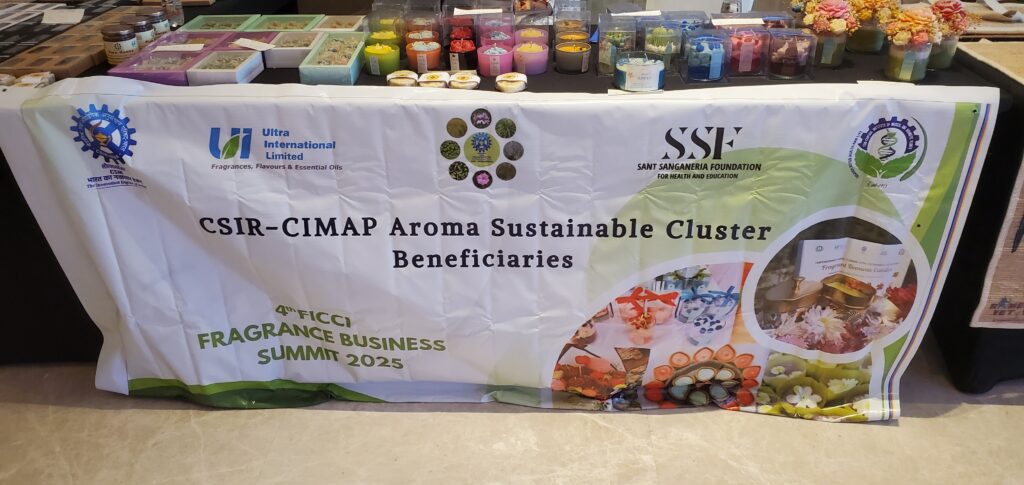
The initiative is a core component of the larger Aroma Mission, which seeks to transform the aroma sector by fostering rural employment and developing high-value medicinal and aromatic plants. Through science-led interventions and skill-building, CSIR aims to bring transformative progress to rural women, fostering sustainable development and economic prosperity.
Ultra International is a global manufacturer and supplier specializing in fragrances, flavors, and natural ingredients, including essential oils. The company, formally established in 1987, manages its supply chain from sourcing raw materials to delivery, emphasizing sustainability and ethical practices.

Ultra International Limited specializes in creating custom fragrance experiences for personal and home care products, utilizing a combination of scientific knowledge and creative intuition. The company develops diverse taste profiles for applications including dairy, sweets, and pharmaceuticals, offering natural, artificial, and nature-identical options. Additionally, Ultra International sources concentrated essential oils globally through methods like steam distillation and CO2 extraction for use in aromatherapy and other products.