
SUCCESS OF STRATEGIC FINANCIAL RETIREMENT

The Outlook Money 40 After 40 Summit & Expo 2025 was an innovative platform that addressed the intricate aspects of financial and retirement planning, with a special focus on the needs of corporate professionals. This unique initiative aimed to assist individuals in securing their financial future while also helping them achieve significant life milestones.
Participants of the Outlook Money 40 After 40 Expo received guidance and tailored solutions for various financial goals, such as:
Planning for their children’s education abroad: The expo offered insights into various investment options and strategies to help secure the necessary funds for children’s education overseas.
Purchasing a luxury car: Attendees learnt about financing options and budgeting methods to make the dream of owning a luxury car a reality.
Buying a second home: Experts provided advice on property investment, real estate trends, and mortgage options to help individuals make informed decisions when purchasing a new home.
Enjoying hassle-free banking: The event covered a range of banking solutions, including wealth management and customized banking services, to help individuals optimize their financial well-being.
Accessing comprehensive health insurance solutions: The Outlook Money 40 After 40 Expo offered insights into health insurance options and strategies for maintaining adequate coverage throughout retirement.

The IDFC FIRST Bank presented Outlook Money 40After40 Retirement Expo was a pioneering two-day event focused on various aspects of retirement planning. The event brought together experts and industry leaders to discuss crucial issues and provide valuable insights to attendees
By providing a comprehensive and tailored approach to financial planning, the Outlook Money 40 After 40 Expo empowered corporate professionals to make informed decisions about their financial future, enabling them to achieve both their short-term and long-term goals with confidence. Speakers highlighted several aspects of retirement planning, including how to deal with investments, how to fight biases, the importance of insurance and lifestyle and mindset changes. Esteemed speakers: Industry leaders such as Ankur Warikoo, Shri Gaur Gopal Das, Sarthak Ahuja, and Ronnie Screwvala shared their knowledge on topics like financial management, investment strategies, and wealth creation.
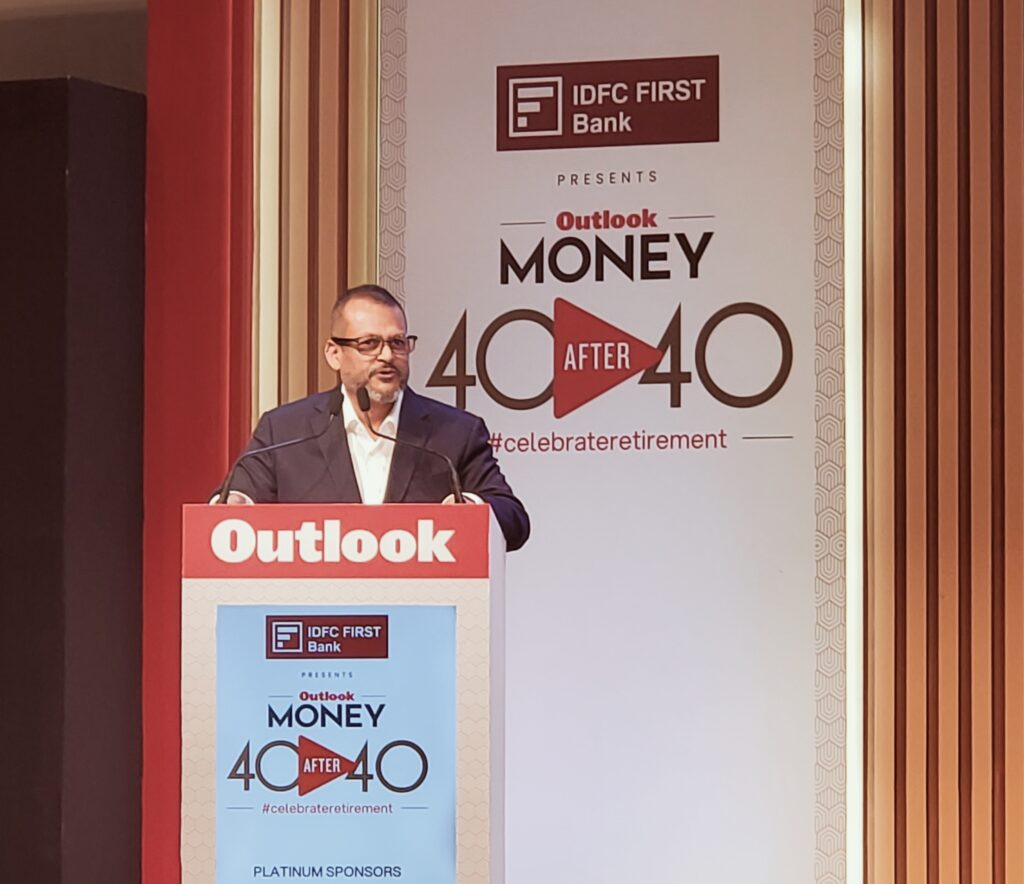
In his opening remarks at the Outlook Money 40After40 Retirement Expo, Indranil Roy, CEO of Outlook Group, emphasized the critical importance of retirement planning, particularly for a nation like India with its sizable youth demographic. With a large portion of the population expected to age over the coming decades, the need for comprehensive and effective retirement planning has never been more pressing.
Roy’s address highlighted the necessity for individuals to take proactive steps towards securing their financial futures and ensuring a comfortable and worry-free retirement. By addressing the importance of retirement planning, especially within the context of India’s youthful population, Roy underscored the relevance of initiatives like the 40After40 Retirement Expo in equipping individuals with the knowledge, tools, and resources needed to plan effectively for their golden years.
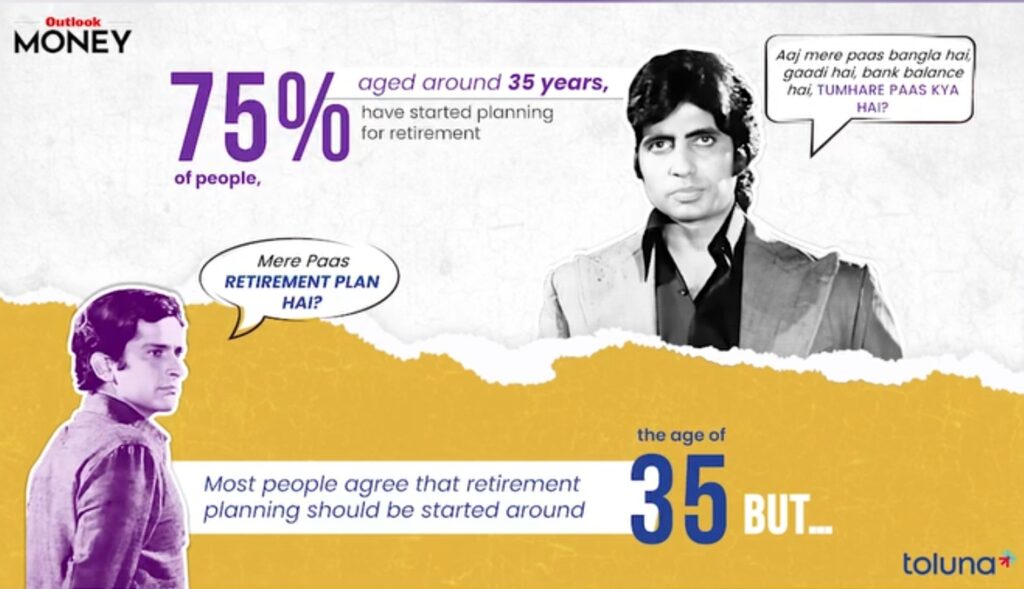
At the Outlook Money 40After40 Retirement Expo, Indranil Roy, CEO of Outlook Group, drew attention to a recent survey conducted by Outlook Money in collaboration with Toluna. The survey revealed that while 75% of respondents are investing, there appears to be a disorganized approach towards retirement planning among the participants.Roy’s remarks emphasized the importance of addressing this issue and the need for comprehensive retirement planning solutions in India. With a large and growing population, the country must take proactive steps to ensure that its citizens are well-equipped to secure their financial futures and enjoy a comfortable retirement.
Events like the Outlook Money 40After40 Retirement Expo serve as crucial platforms for raising awareness about retirement planning and providing individuals with access to expert advice, educational resources, and innovative financial solutions. By bringing together industry leaders and fostering dialogue on this critical topic, such initiatives aim to promote a more organized and informed approach to retirement planning in India.
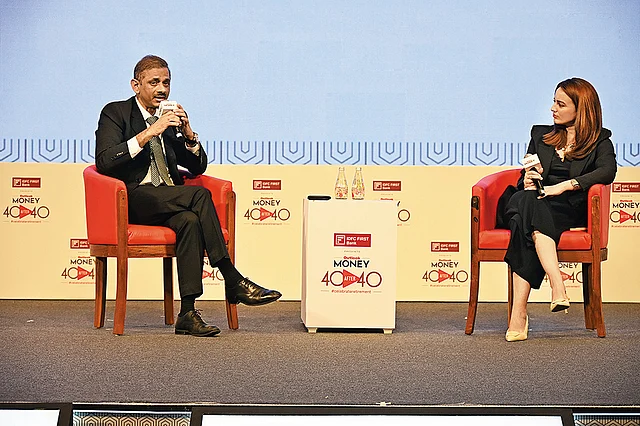
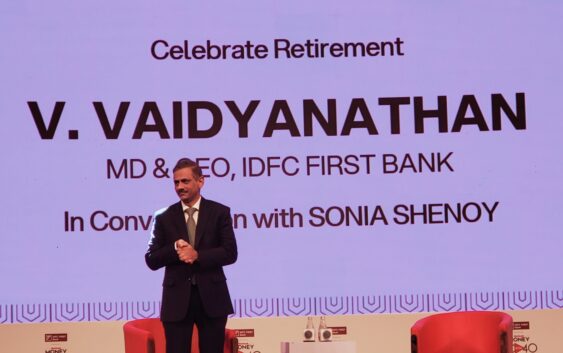
V. Vaidyanathan, MD, and CEO of IDFC FIRST Bank, shared his perspective on retirement during the Outlook Money 40After40 Retirement Expo. He emphasized the importance of embracing retirement as a positive milestone and a transition to a new phase of life. Vaidyanathan’s views highlight the need for a mindset shift surrounding retirement, encouraging individuals to see it as an opportunity for personal growth, self-discovery, and pursuing new passions. By celebrating retirement and embracing this change, individuals can approach this stage with optimism and enthusiasm, ultimately leading to a more fulfilling and rewarding experience.
“They should be involved and engaged in some social, or commercial activity or have something to forward to”. social
V. Vaidyanathan, MD, and CEO of IDFC FIRST Bank, shared his perspective on retirement during the Outlook Money 40After40 Retirement Expo. He emphasized the importance of embracing retirement as a positive milestone and a transition to a new phase of life. Vaidyanathan’s views highlight the need for a mindset shift surrounding retirement, encouraging individuals to see it as an opportunity for personal growth, self-discovery, and pursuing new passions. By celebrating retirement and embracing this change, individuals can approach this stage with optimism and enthusiasm, ultimately leading to a more fulfilling and rewarding experience.
V. Vaidyanathan, managing director (MD) and CEO of IDFC FIRST Bank, said that one should celebrate retirement and see it as a transition to another phase of life. “They should be involved and engaged in some social, or commercial activity or have something to forward to”.
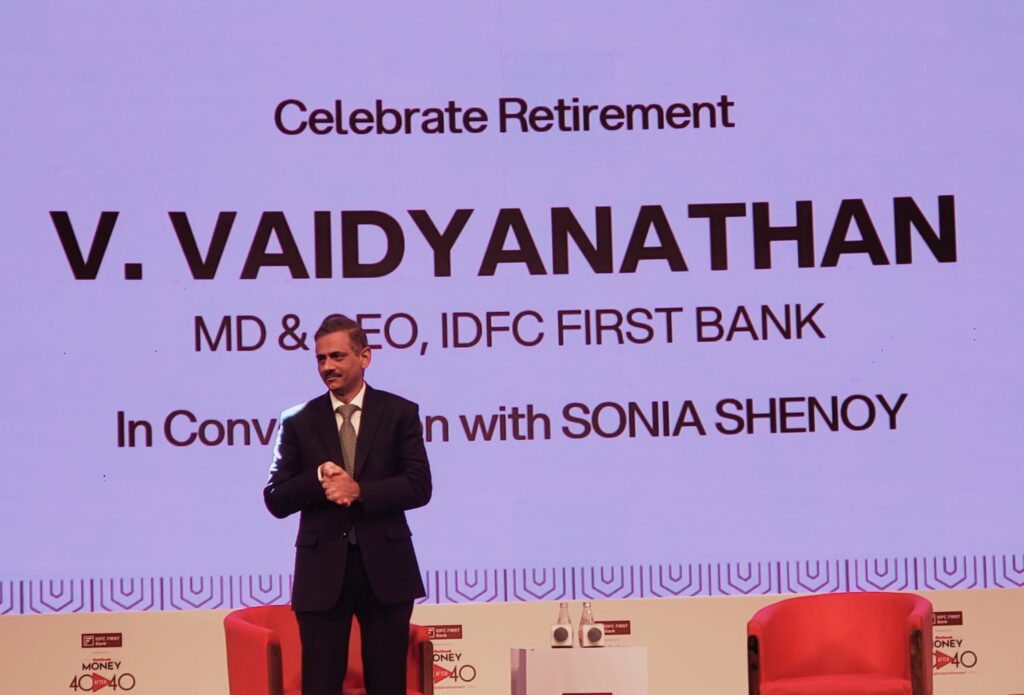
The fact that 60 per cent of Indians believe funds will not last them more than 5-10 years into retirement, means that “retirement planning is the need of the hour,” he added.
Talking to Sonia Shenoy, business journalist, he said: “One must start early because a lot many think they will start planning when they are older. But then they do not have time for their money to compound.”
During the Outlook Money 40After40 Retirement Expo, V. Vaidyanathan, MD, and CEO of IDFC FIRST Bank, emphasized the importance of taking advantage of various government-backed schemes designed to help individuals save for retirement. He highlighted several options available to people, such as the Employees’ Provident Fund (EPF), Public Provident Fund (PPF), National Pension System (NPS), and Atal Pension Yojana (APY). By participating in these schemes, individuals can secure their financial future and build a stable foundation for a comfortable retirement. Vaidyanathan’s advice underscores the significance of leveraging government initiatives to create a comprehensive retirement plan tailored to one’s unique needs and goals.
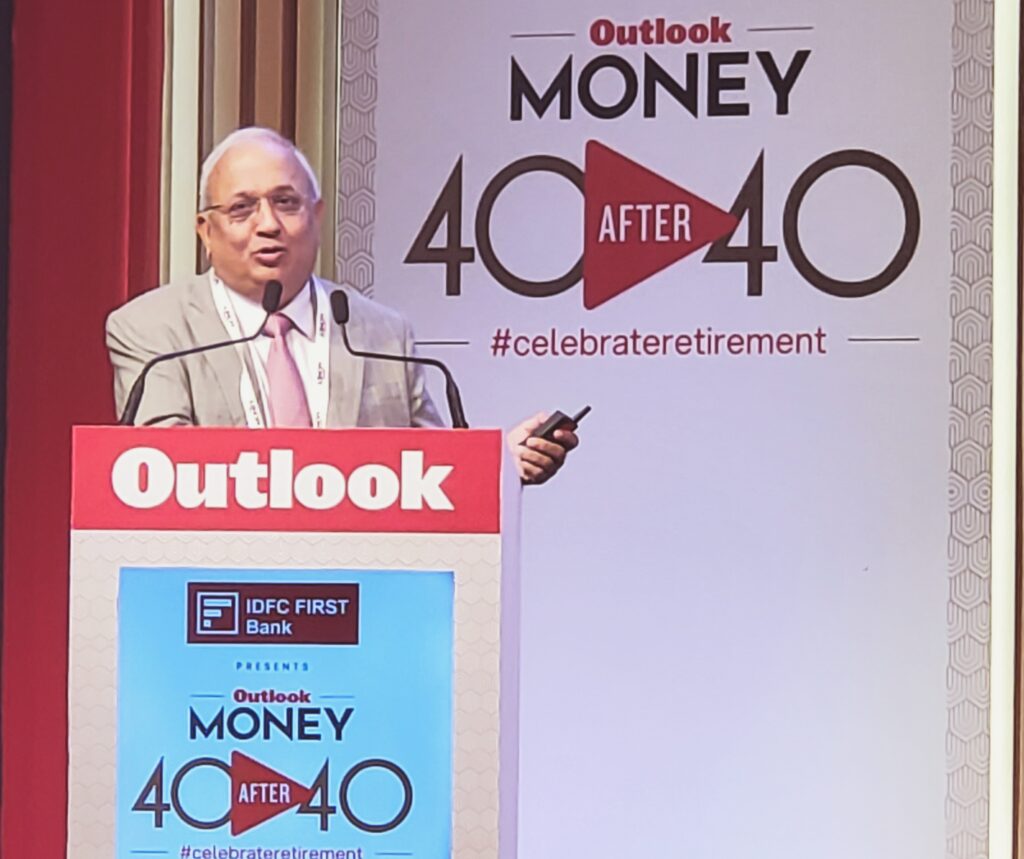
Samir Arora, the founder, group chief investing officer (CIO), and fund manager of Helios Capital, shared his insights on how to identify potential multi-bagger stocks during the Outlook Money 40After40 Retirement Expo. His investment strategy emphasizes the importance of eliminating bad stocks through careful selection and research. The key is to eliminate the bad ones, he said.“
It is easier to know what is bad than to know what is good. That is the formula. The end result is you will get multi-baggers over time.”
Arora’s method involves a combination of fundamental analysis, understanding the underlying businesses, and avoiding companies with red flags such as excessive leverage, poor corporate governance, or inadequate growth potential. By filtering out weaker investment options, he focuses on identifying high-quality companies with strong growth prospects, competitive advantages, and sustainable business models.
Furthermore, Arora stresses the significance of holding onto good investments for the long term, allowing them to grow and generate substantial returns over time. His disciplined approach, emphasizing patience and a deep understanding of the businesses he invests in, has led to his successful track record in discovering multi-bagger stocks.
Overall, Samir Arora’s investment strategy serves as a valuable lesson for investors looking to create wealth by making smart, well-researched investment decisions and avoiding common pitfalls that can hinder long-term financial success.
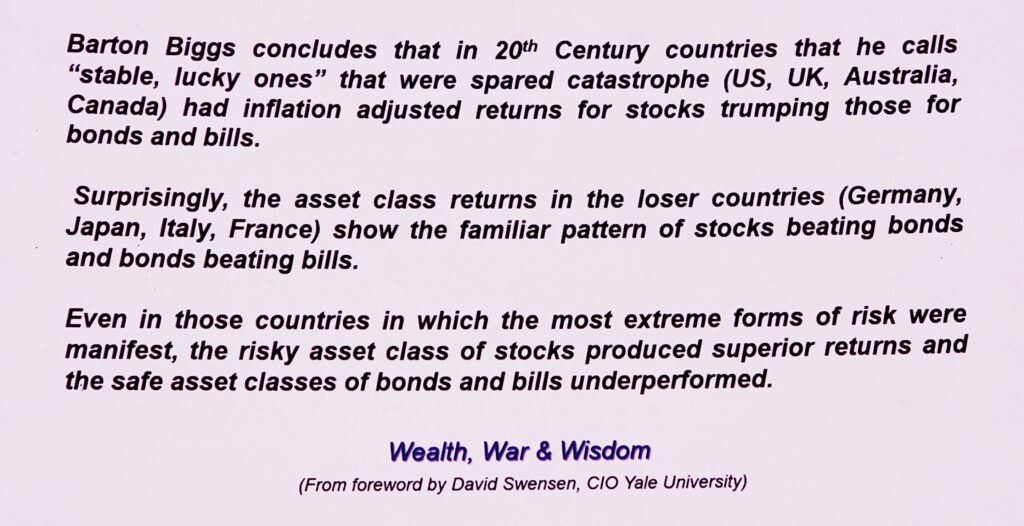
Samir Arora, the founder, group chief investing officer (CIO), and fund manager of Helios Capital, highlighted the long-term advantages of investing in equities compared to fixed income assets such as bonds or fixed deposits. Drawing upon the research presented in the book “Triumph of the Optimists: 101 Years of Global Investment Returns,” Arora emphasized how equities have historically outperformed fixed income assets over an extended period.
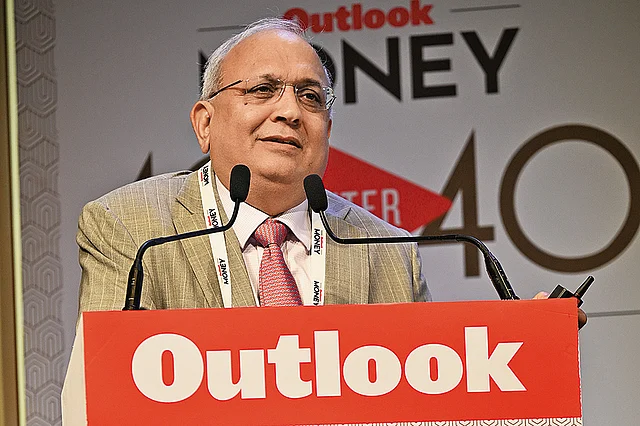
The book’s authors analyzed data from 15-16 countries between 1900 and 2000, revealing that equities generated an average return of 5-6% per annum higher than fixed income assets over this 100-year timeframe. This substantial difference in returns demonstrates the potential benefits of investing in equities for the long term.
Arora’s reference to this study underscores the importance of maintaining a long-term investment horizon and focusing on the growth potential of equities to build wealth. While fixed income assets may offer stability and predictability, the historical data presented in “Triumph of the Optimists” suggests that equity investments can generate superior returns over time, making them an essential component of a well-diversified portfolio.
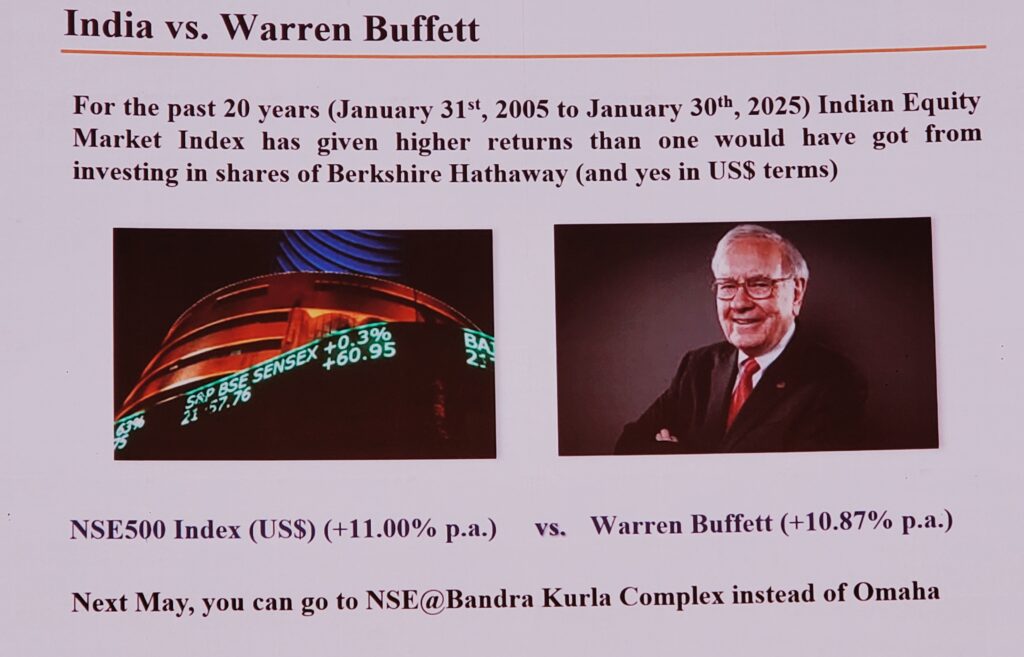
Samir Arora made a striking comparison between the performance of the Indian equity market and the returns generated by renowned investor Warren Buffett. He claimed that in the last 20 years, the Indian equity market, when measured in dollar terms, has outperformed the returns achieved by Buffett’s investments.
This comparison highlights the impressive growth and potential of the Indian stock market, showcasing its ability to generate significant returns even in comparison to one of the most successful investors of all time.
Arora’s assertion indicates that the Indian equity market presents a compelling opportunity for investors seeking long-term growth. With its resilience and continued investor interest, even amidst global uncertainties, the Indian stock market has demonstrated its ability to deliver impressive returns and outperform major global peers over extended periods, making it a potentially lucrative option for those looking to diversify their investment portfolios.
Samir Arora further supported his investment philosophy by sharing a personal example of his successful long-term investment in Kotak Mahindra Bank. He revealed that he purchased the bank’s shares back in 2004 or 2003 and has held onto them for approximately 25 years. During this time, the stock value has soared by over 400 times, which serves as a testament to the potential rewards of identifying and investing in high-quality companies for the long term.
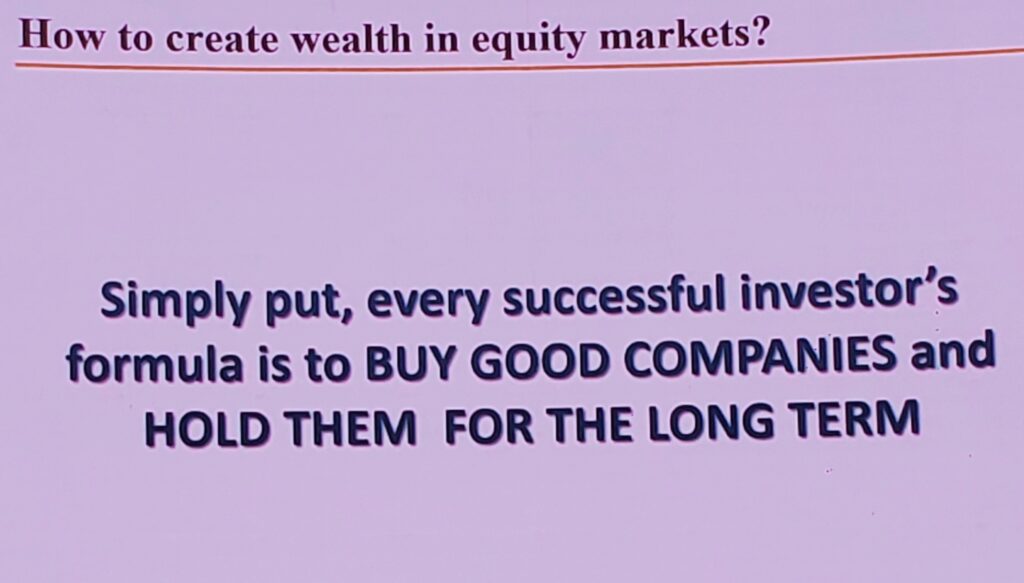
Arora emphasized that in 2003, it would have been impossible to predict the incredible growth that Kotak Mahindra Bank’s shares would experience. This anecdote underlines the importance of conducting thorough research, selecting strong companies with solid fundamentals, and holding onto these investments over an extended period to reap substantial returns.
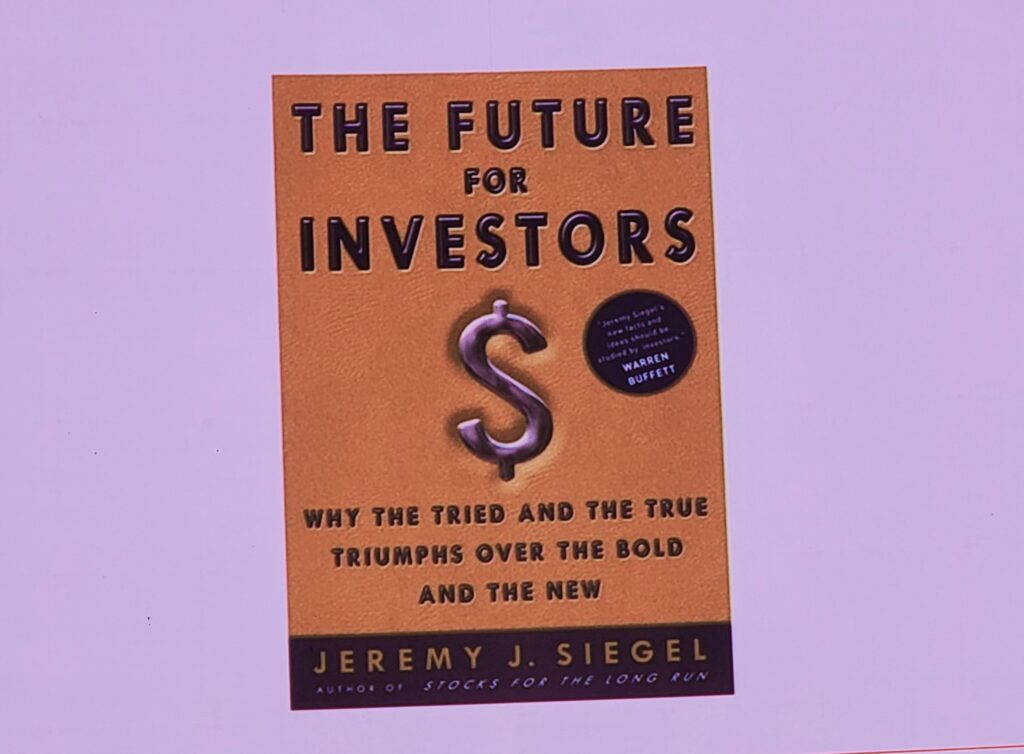
Ultimately, Arora’s example of Kotak Mahindra Bank’s stock performance demonstrates the power of patience and long-term thinking in building wealth through equity investments. By adopting a similar approach, investors can increase their chances of achieving significant capital appreciation and financial success in the markets.
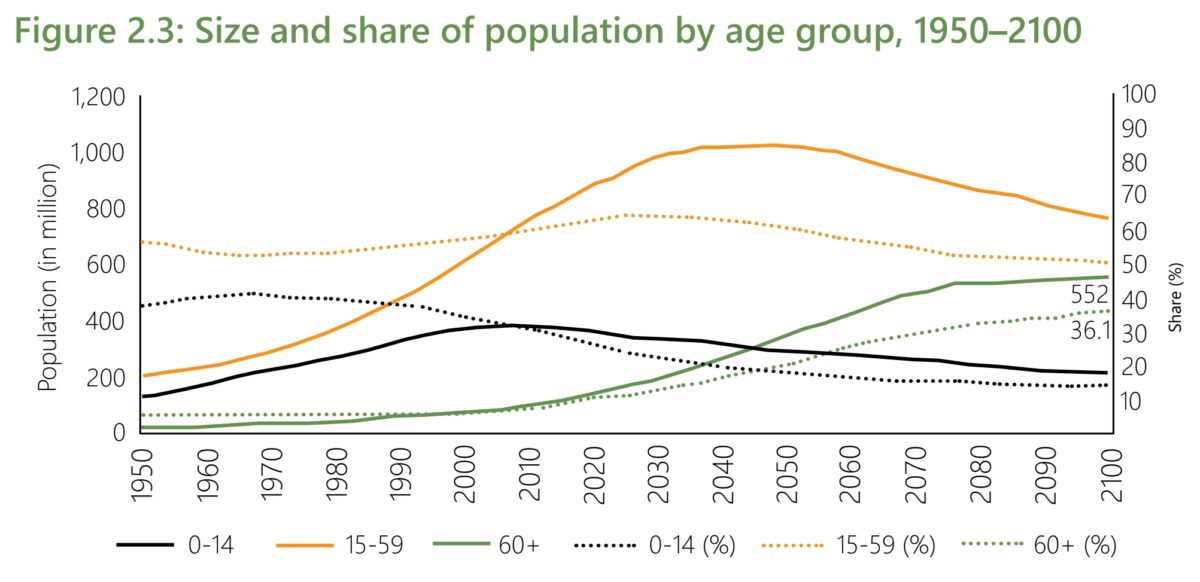
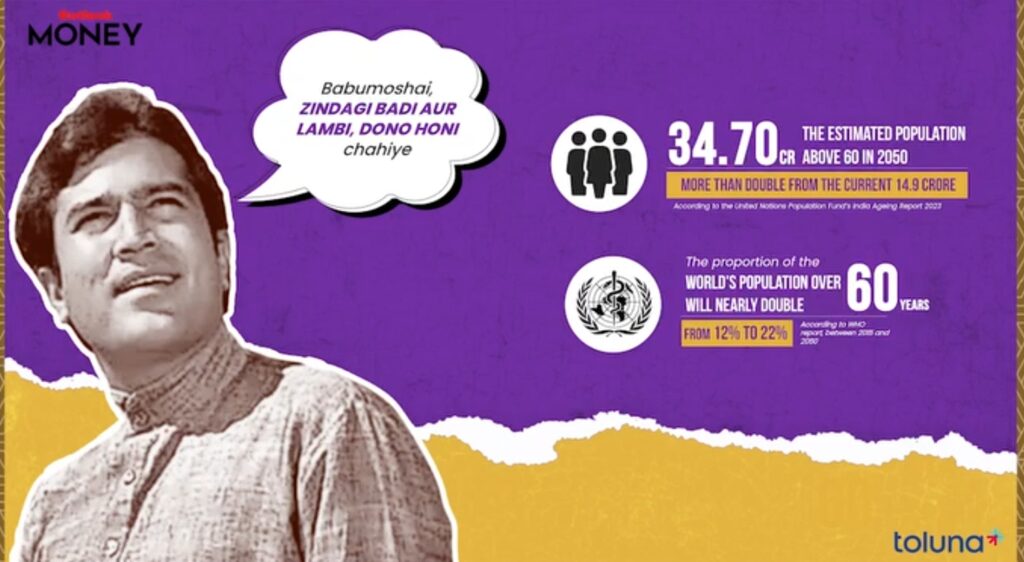
India is witnessing a considerable demographic transformation, as its elderly population is projected to experience rapid growth in the coming decades. According to recent estimates, the current elderly population of 153 million individuals aged 60 and above is expected to more than double, reaching 347 million by 2050. This demographic shift is indicative of a significant transition in India’s population dynamics, with important implications for the country’s social, economic, and healthcare systems.
As highlighted in the United Nations Population Fund’s India Ageing Report 2023, the proportion of the elderly population is projected to rise from 10.5% in 2022 to 20.8% by 2050. This signifies an increase from 14.9 crore to a staggering 34.7 crore individuals in this age group. Notably, the elderly population is expected to surpass the number of children aged 0 to 15 years by 2046, marking a reversal in the age structure of a historically youthful nation.
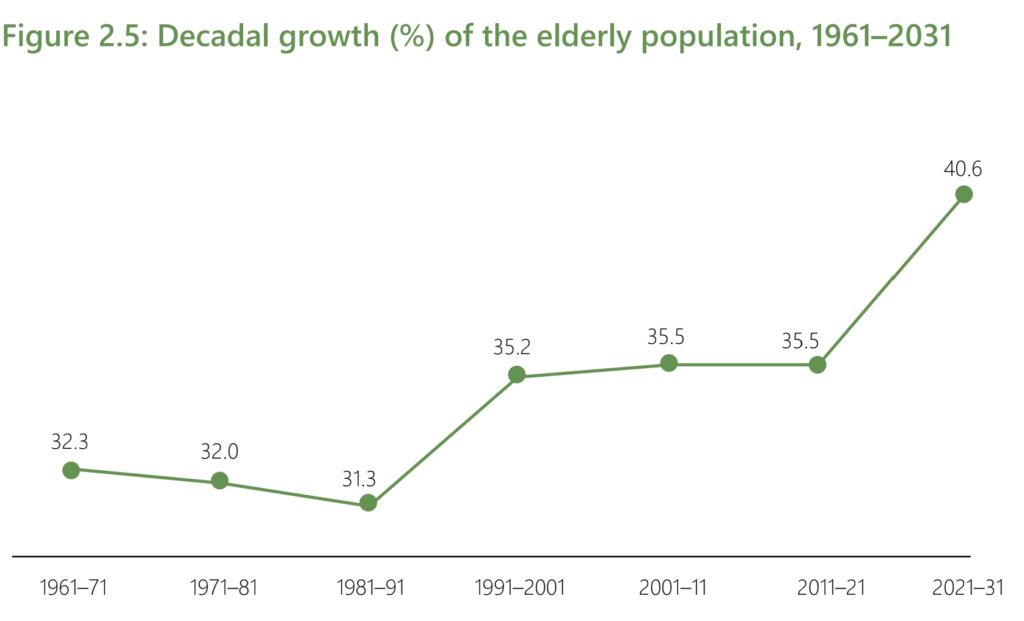
This demographic transition poses numerous challenges, including increased demand for healthcare services, social support systems, and financial security measures. As India navigates these changes, policymakers and stakeholders must devise comprehensive strategies to ensure the well-being and inclusion of the growing elderly population. By addressing the implications of an aging population, India can foster a society that is better equipped to cater to the unique needs and aspirations of its senior citizens.

India’s rapidly aging population calls for immediate attention to retirement planning, as the number of senior citizens is expected to more than double from 10.38 crore in 2011 to 23 crore in 2036, according to the Ministry of Health and Family Welfare. To ensure a secure future for the elderly, it is crucial for individuals to take proactive steps in planning for their retirement.
Retirement planning should not be postponed or treated as a future concern; instead, it should be viewed as an ongoing process that begins as early as possible. As retirement marks the start of a new chapter in one’s life, it is essential to plan and prepare for this transition, both financially and emotionally.
By embracing retirement planning early on, individuals can ensure a safer and more fulfilling retirement by setting realistic goals, determining income sources, and making informed decisions about savings, investments, and lifestyle choices. This proactive approach will help create a strong foundation for a comfortable and secure future for India’s growing elderly population.
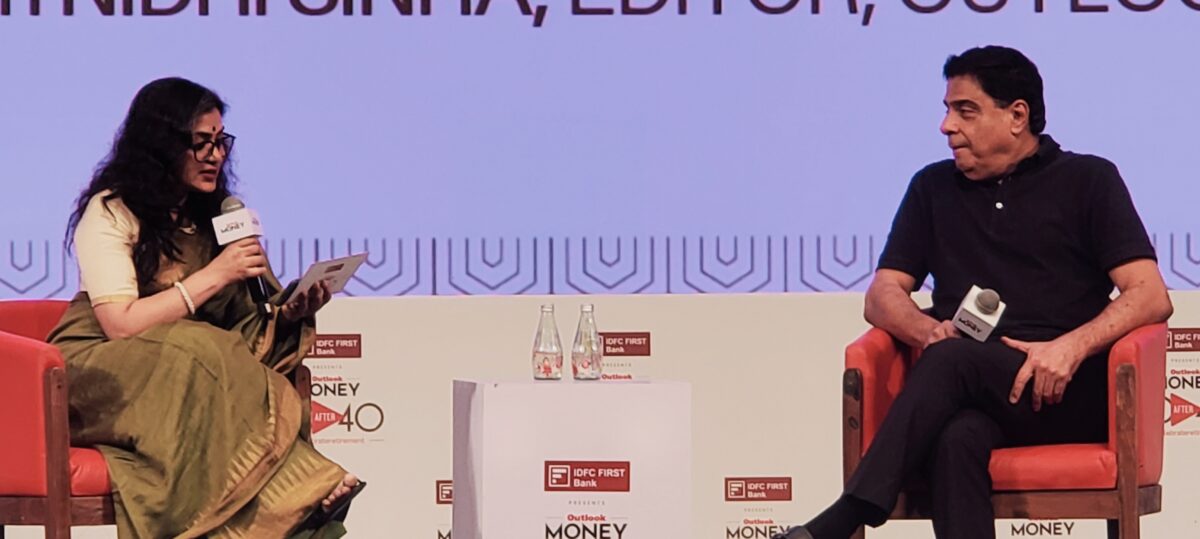
Ronnie Screwvala, the chairperson and co-founder of upGrad Entrepreneur, shared his insights on the transformative role of emerging technologies like artificial intelligence (AI) in shaping the business landscape. He emphasized that AI’s increasing integration into various industries necessitates a shift in the approach leaders adopt in overseeing their organizations.
According to Screwvala, the rapid pace of technological change requires leaders to adapt and develop a more holistic, “360 degree” vision to effectively manage operations and make informed decisions. He likens this approach to the perspective provided by a drone, enabling leaders to gain a comprehensive understanding of the factors influencing their business environment.
Screwvala further discussed the relevance of AI for both seasoned leaders and new entrants to the workforce. He stressed the importance of upskilling and continuous learning to stay ahead of the curve in a rapidly evolving technological landscape. By embracing AI and acquiring the skills necessary to leverage its potential, individuals can position themselves for success and contribute to the growth of their organizations.
Ronnie Screwvala’s remarks highlighted the critical role of AI in reshaping business operations and the importance of adaptability and innovation in leadership.
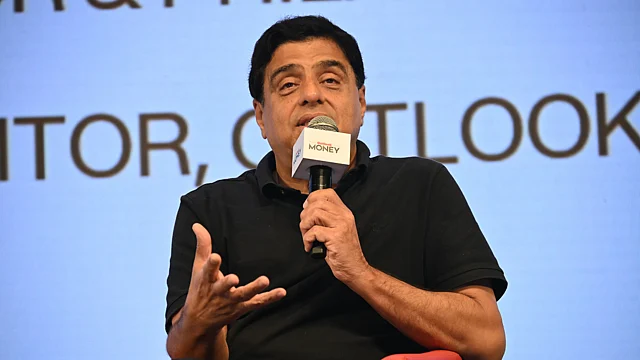
“Today, leadership or even a CEO is almost an expiry date. I think it’s almost like a revalidation every month because you could be having a good innings and one or two strategic missteps, and you are out because the world is very competitive. For leadership today, a 360 degree approach is very important. And that means you need to be a little bit of a drone which is just hovering above a little bit about everybody else, but has a very sharp eye to be able to zoom in to whatever you want to do from time to time,” Screwvala said.
Ronnie Screwvala, the chairperson of upGrad Entrepreneur, emphasized the need for leaders to adapt their strategies to the fast-paced world and rapid technological advancements. He suggested that leaders must transition from being “problem solvers” to “problem spotters” due to the swift evolution of technology and the emergence of new challenges. This approach would enable leaders to identify and address issues more proactively, ensuring their organizations remain agile and competitive.
“The key word is acceptance. When you accept it (AI), the threat goes away and the mindset changes to how do I use it instead of seeing it as an adversary. So if you’ve accepted that option that the tailwind that it’ll give me will be more than the headwind, you start approaching it by saying how can I embrace it and how can I go forward,” Screwvala said.
Additionally, Screwvala highlighted the importance of acknowledging and embracing the presence of AI across all levels of an organization. He argued that acceptance is the crucial first step in understanding how to effectively leverage AI for better outcomes. By adopting this mindset, employees can learn to harness AI’s potential to enhance their work and contribute to the overall success of their organizations.
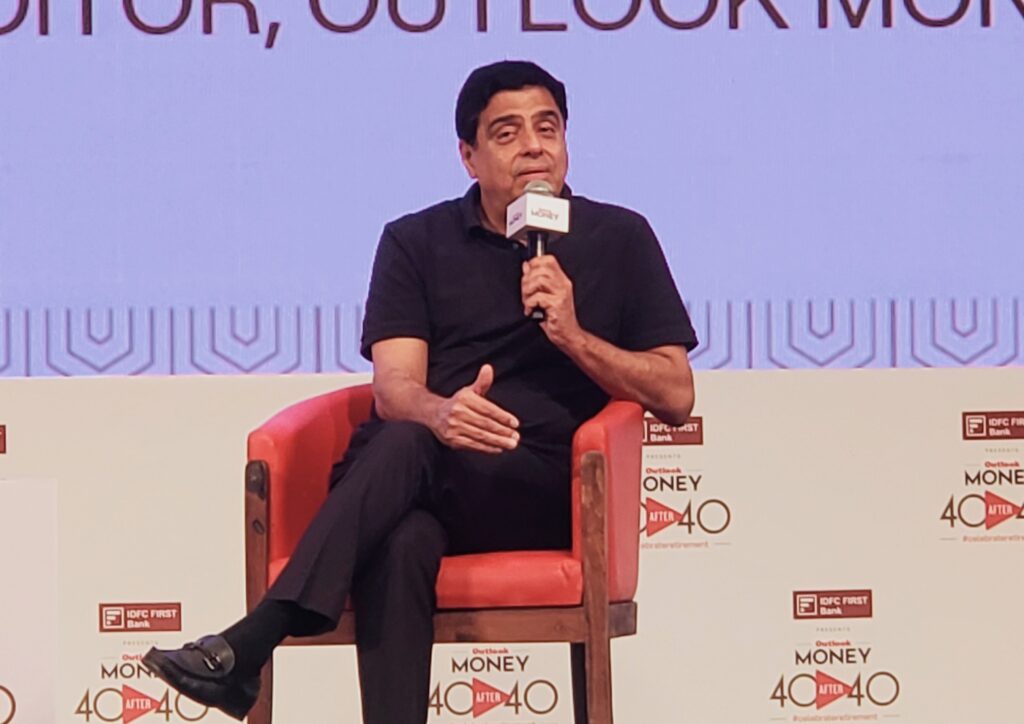
“I don’t think its (AI) going to displace jobs in general at the moment; in time it can displace a job. If you can use some of this technology. It means even if you’re spending 14 hours a day, maybe you can spend 11 hours a day. But even if you want to spend a 14 hour day to be a much more high quality day, you’ll be smarter in the conference room, in the meeting room,” Screwvala said.
Screwvala’s insights underscore the significance of adaptability and open-mindedness in navigating the challenges posed by rapid technological advancements. By transforming their approach to problem-solving and embracing AI, leaders and employees can create a forward-looking and innovative work environment.
“Your possible growth and promotion could be higher if you can manage to figure out how to harness it, the opportunity for you to leverage your salary or your promotion is going to be much higher. That’s how I think it needs to be looked at,” Screwvala said.
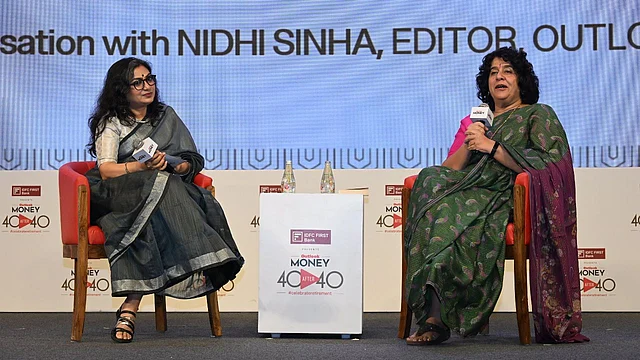
Devina Mehra, the Chairperson, Managing Director, and Founder of First Global, shared her expertise on selecting successful stocks during the Outlook Money’s 40After40 Retirement Expo. She highlighted several key factors that contribute to a successful stock-picking strategy:
Diversification: Spreading investments across various sectors and asset classes can help mitigate risk and increase the likelihood of positive returns.
Focus on strong fundamentals: Investing in companies with robust financials and a solid business model can lead to better long-term performance.
Risk management: Balancing risk tolerance and potential rewards is crucial in stock selection. Investors should carefully assess a company’s risk profile before investing.
Global investments: Expanding one’s portfolio to include international securities can provide exposure to new growth opportunities and diversify risk.
Long-term perspective: A patient, long-term approach to investing can help weather short-term market fluctuations and generate consistent returns over time.
By considering these essential factors, investors can develop a well-rounded stock-picking strategy that balances risk, diversification, and long-term growth potential. Devina Mehra’s insights provide valuable guidance for individuals seeking to create a successful and sustainable investment portfolio.
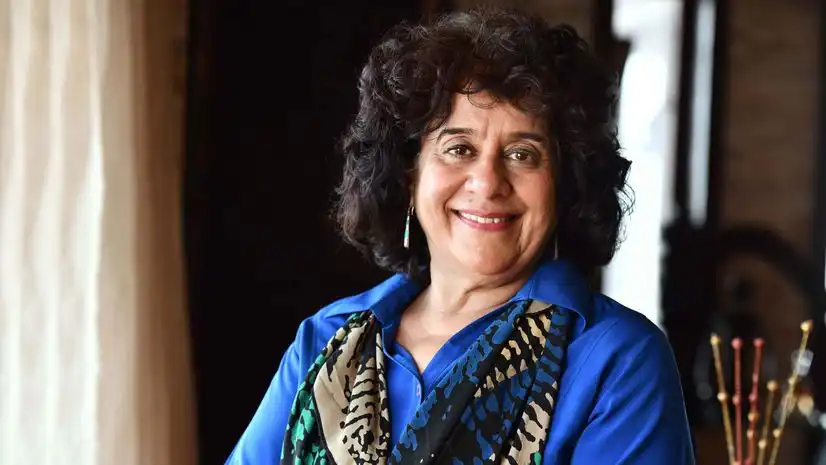
Devina Mehra, Chairperson, Managing Director, and Founder of First Global, stressed the importance of diversification in building a successful investment portfolio. She encouraged investors to look beyond the Indian markets and consider global stocks to minimize risk and maximize returns.
Diversifying a portfolio across different regions and sectors can help protect against market volatility and economic downturns in a specific country or industry. By investing globally, investors can take advantage of growth opportunities in various markets and reduce the impact of any single market’s underperformance on their overall portfolio.
“If you look at equities, India is less than 5 per cent of the market cap of the world. There is no reason why 100 per cent or 90 per cent of your assets should be in India. So please look at global diversification and remember that the US is not the globe either,” she said
Moreover, Mehra highlighted the importance of focusing on minimizing losses rather than solely aiming for gains. She emphasized that successful investing involves a balance between risk and reward and that protecting one’s capital is just as crucial as generating returns. By adopting a risk-aware approach and diversifying investments, investors can work toward achieving long-term financial success.
She added: “When I started working, the dollar was Rs 12. There has been an 87 per cent depreciation in the course of less than a career. So you cannot make a 10-, 20-, or 30-year plan or look at your financial goals and forget about global diversification.”
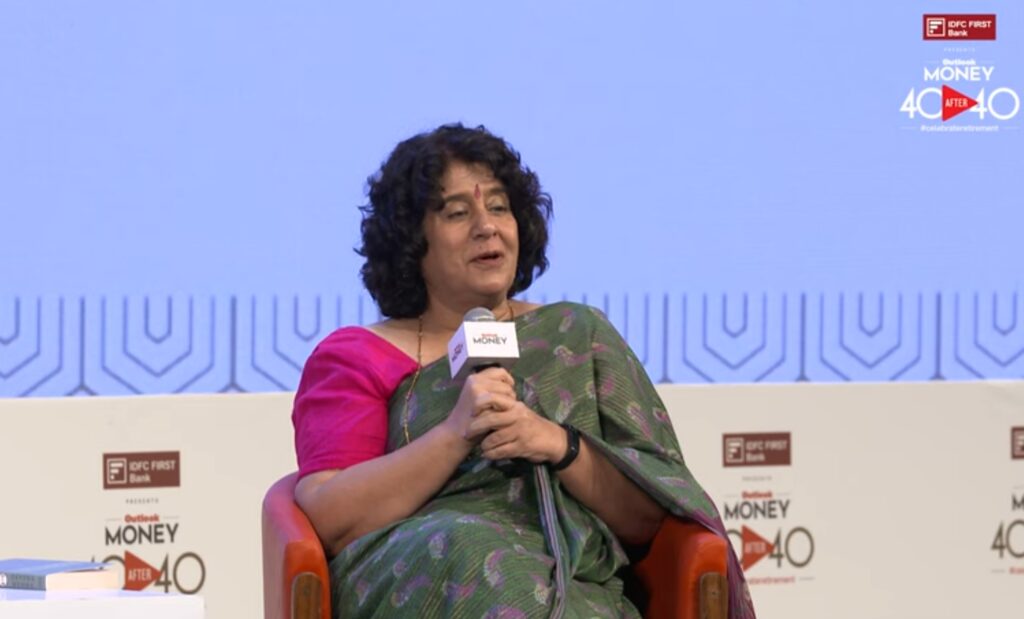
Devina Mehra, the Chairperson, Managing Director, and Founder of First Global, underscored the importance of prioritizing risk management and capital preservation in investing. She stated that successful investing is not only about achieving gains but also about minimizing losses.
Mehra’s emphasis on minimizing losses highlights the significance of adopting a risk-aware approach to investing. This involves carefully assessing investment opportunities, diversifying portfolios, and avoiding excessive risk-taking. By focusing on preserving capital and managing potential downsides, investors can build a more resilient investment strategy that is better equipped to withstand market fluctuations and uncertainty.
“I was looking at a study, there was a scheme which outperformed in 93 per cent of the upturns but it was still among the bottom five schemes – because investing is a loser’s game. You win if you don’t lose! So your first priority should be not to take a big hit on your capital and for that you have to take the small hits on your capital. So always have a stop loss.”
In essence, Devina Mehra’s advice reminds investors that a balanced approach to risk and reward is crucial for long-term success in the financial markets. By prioritizing capital preservation and managing risk, investors can work towards achieving sustainable growth and financial stability.
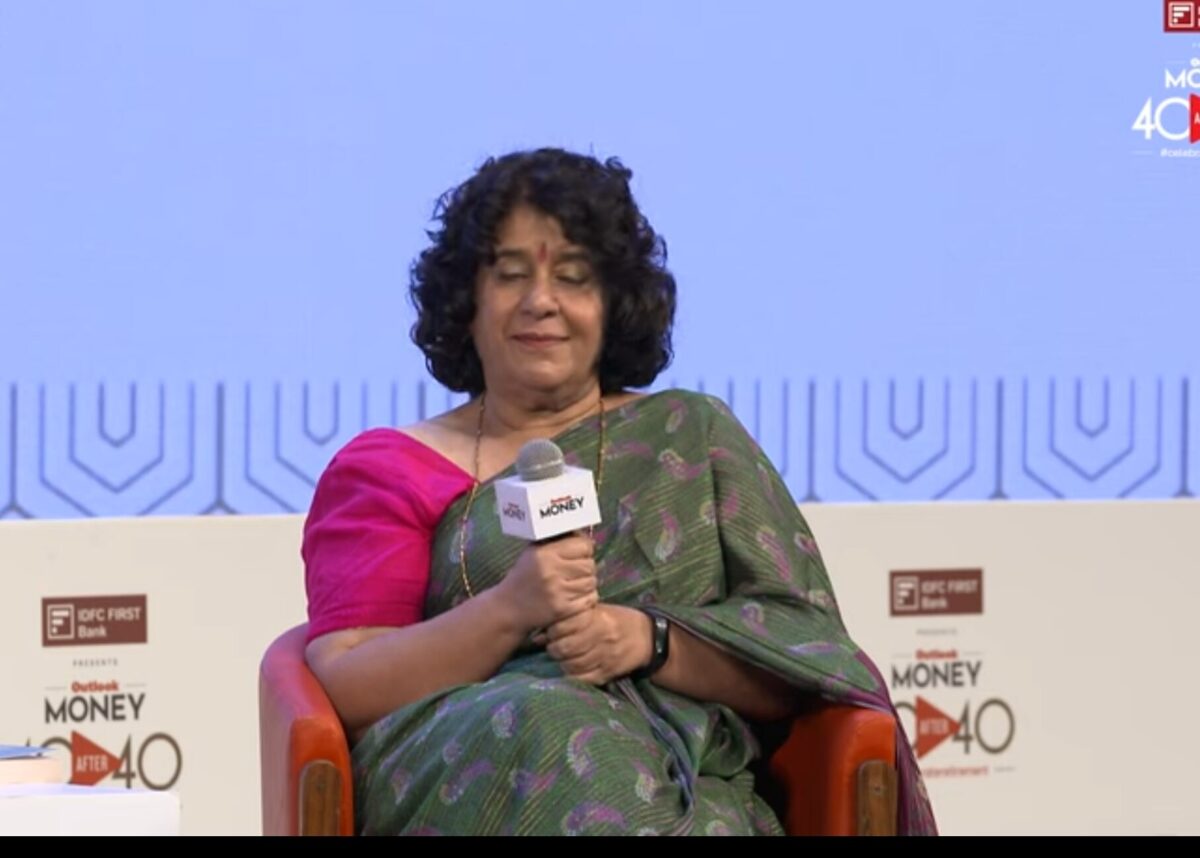
Devina Mehra, the Chairperson, Managing Director, and Founder of First Global, urged investors to maintain a realistic perspective when selecting stocks. She emphasized that it is essential to acknowledge that not every investment will yield the desired returns.
“I say the best thing you can do for your portfolio is, when you invest, tell yourself – I may be making a mistake. Because a reasonable percentage of your picks are not going to do what you thought they would do, however, well you choose them. That’s why I am saying stock picking is a limited thing, because there is nobody who knows in advance which is going to be your multi bagger,” said Devina.
“For instance, in 1996, I can’t say I knew the trajectory of HDFC Bank or Amazon. At best, when you are picking a stock, you can say it will double or triple. Beyond that no one has the vision,” she added.
By recognizing that not all investments will perform as expected, investors can avoid the pitfalls of overconfidence and impulsive decision-making. Instead, they can adopt a more measured approach to stock selection, focusing on long-term potential, robust fundamentals, and a balanced view of risk and reward. This realistic mindset can help investors build more resilient portfolios and achieve sustainable growth over time.
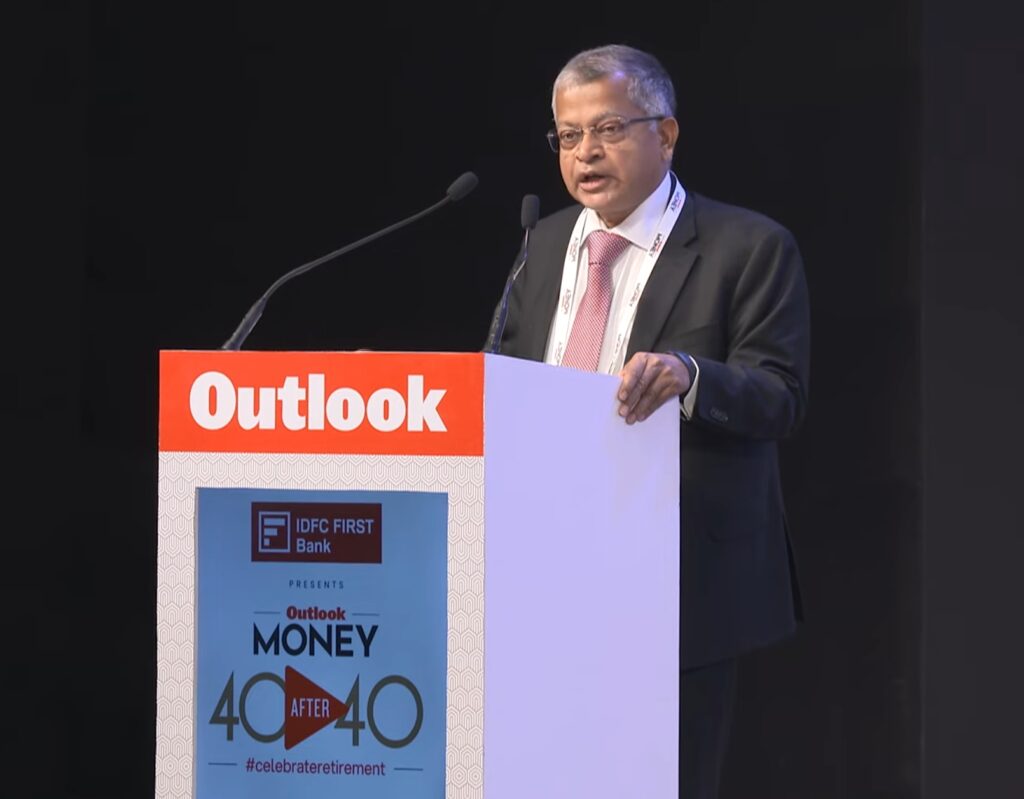
Deepak Mohanty, Chairman of the Pension Fund Regulatory and Development Authority (PFRDA), delivered a compelling address at the third edition of Outlook Money’s 40After40 Retirement Expo in Mumbai. Mohanty’s speech underscored the urgent need to incorporate pension planning into overall financial strategies, particularly in light of India’s shifting socio-economic landscape.
“Why should you have a pension as part of your savings portfolio? Because it is like an Indian Thali, you need a little bit of everything. It should have a healthy mix of savings, equities, mutual funds, pension accounts, etc., to make it a wholesome meal. Pension should be on the menu of the saving portfolio,” Mohanty said.
Emphasizing pensions as a non-negotiable component of financial planning rather than an optional add-on, Mohanty highlighted four critical factors driving the growing importance of retirement planning in India:
Rising longevity: With an estimated 20.8% of Indians projected to be over the age of 60 by 2050, the need for robust retirement planning has become increasingly apparent.
Soaring dependency ratios: The dependency ratio in India is expected to jump from 18% to 30% by 2050, further emphasizing the need for financial preparedness in retirement.
Increasing healthcare costs: As medical expenses continue to rise, ensuring adequate financial resources for healthcare during retirement has become a crucial aspect of long-term planning.
Evolving family structures: Changing family dynamics and traditional support systems’ erosion necessitate a greater focus on self-reliance and individual financial planning for retirement.
Mohanty’s address at the 40After40 Retirement Expo aimed to raise awareness of these pressing issues and encourage individuals to adopt proactive, long-term financial strategies. By acknowledging these factors and integrating pension planning into their overall financial plans, individuals can better navigate the transition to retirement and secure their financial well-being in the years ahead.
Deepak Mohanty, Chairman of the Pension Fund Regulatory and Development Authority (PFRDA), shared some concerning statistics regarding retirement savings and financial literacy in India during his address at the Outlook Money’s 40After40 Retirement Expo. He noted that less than a quarter of the Indian population actively considers retirement savings as a priority, indicating a significant gap in financial preparedness for the future.
“Even people with good degrees lack financial knowledge. Globally, the average is around one-third,” he said.
Furthermore, Mohanty stated that financial literacy levels in India remain low, with only about a quarter of the population possessing adequate knowledge and understanding of financial matters. These figures highlight the need for increased awareness and education regarding financial planning and retirement savings to empower individuals to make informed decisions about their long-term financial well-being.
Few insights on the current state of pension assets in India and their global context. According to Mohanty, pension assets constitute a significant portion of global investments, representing approximately 43% of the total assets managed (AUM).
Although India’s pension assets, valued at around ₹50 lakh crore (US$ 600 billion), are relatively modest compared to the global pension assets totaling over US$ 63 trillion, there is substantial room for growth and expansion in this sector. The Employees’ Provident Fund (EPF), India’s largest retirement fund, ranks 21st globally, while the Government Pension Investment of Japan holds the top spot with AUM of US$ 1.6 trillion.
The National Pension System (NPS) and Atal Pension Yojana (APY), both managed by PFRDA, have a combined asset value of ₹13.8 lakh crore (US$ 162 billion). As India’s population continues to age and financial literacy improves, there is a pressing need to prioritize pension planning and strengthen the country’s pension infrastructure to ensure the long-term financial security of its citizens.