
AI IN LEADERSHIP
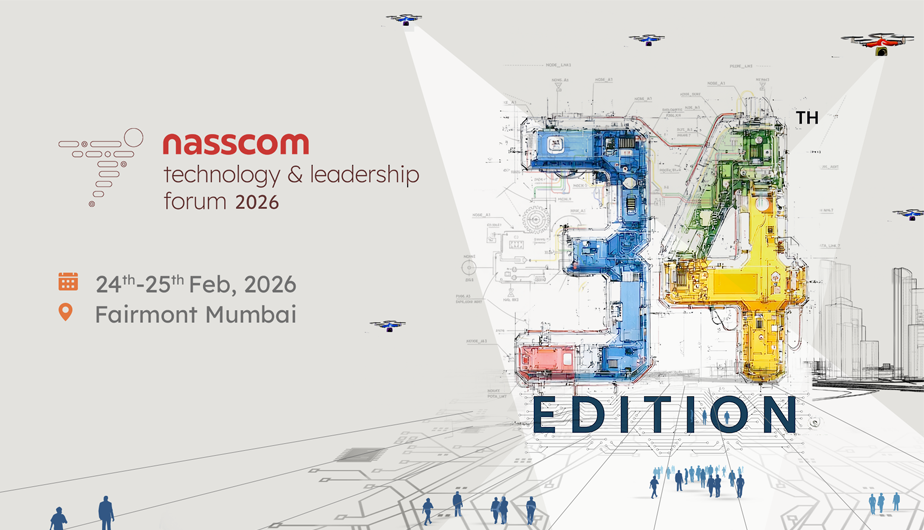
The 34th edition of the Nasscom Technology & Leadership Forum convened at Fairmont Mumbai on February 24–25, 2026, reinforcing its legacy as India’s premier nexus of tech, innovation, and leadership.
For over three decades, this flagship event has brought together visionaries and disruptors, and this year’s gathering was no exception — setting the stage for transformative conversations and bold new directions in the digital era.
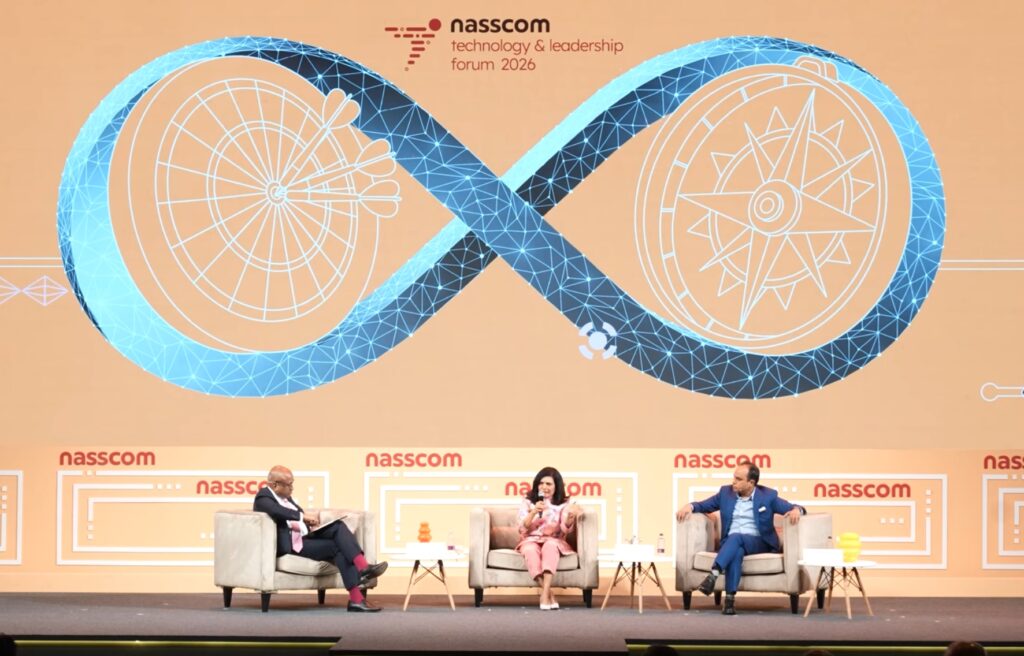
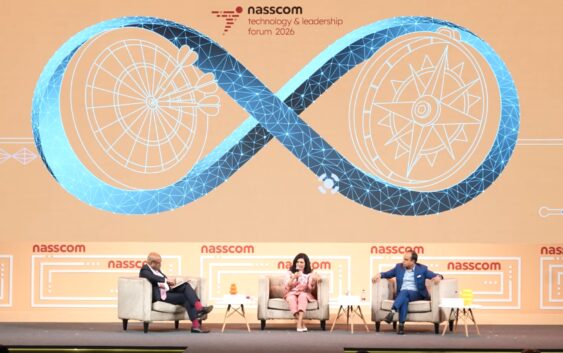
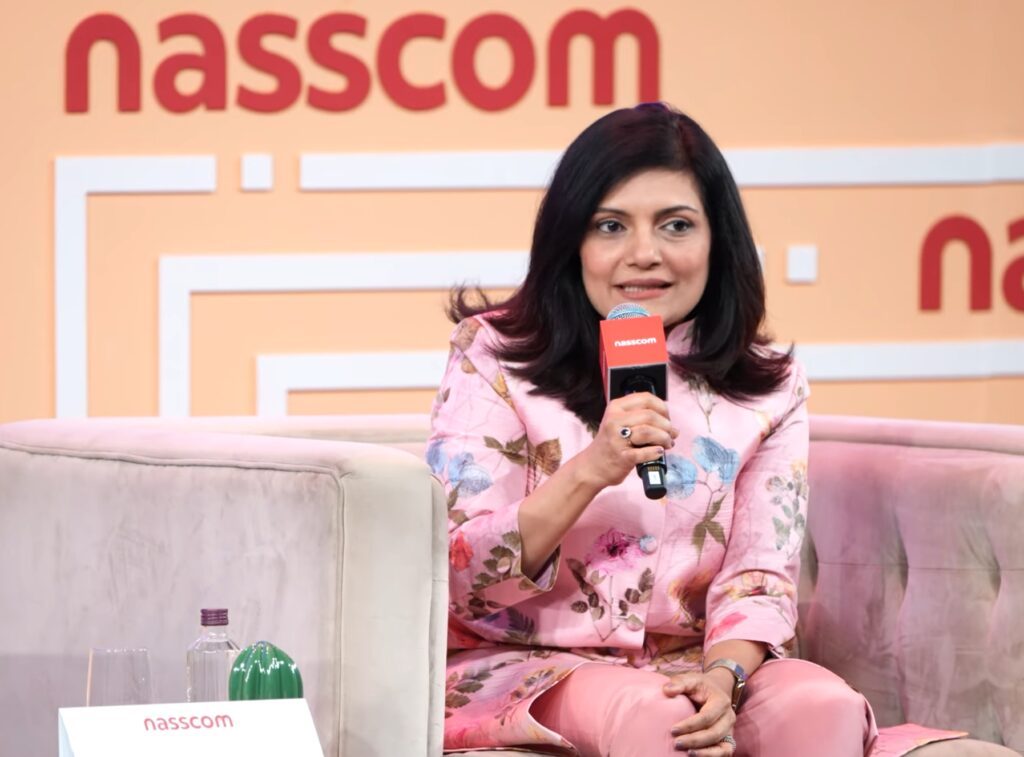
The opening panel of NTLF 2026, featuring Rajesh Nambiar, Sindhu Gangadharan, and Srikanth Velamakanni, underscored a critical pivot for the tech industry: moving from the “hype” of AI to the “hard work” of orchestration and execution. The session, titled “Everything, Everywhere, All at Once,” focused on three primary pillars of modern leadership in an exponential world:
1. The Shift to “Orchestrating Intelligence”
A major takeaway was that the role of the developer and the enterprise has fundamentally changed.
Beyond Coding: Developers are transitioning from writing individual lines of code to acting as architects of intent, orchestrating AI models that handle generation and testing.
Agentic AI: The discussion highlighted the rise of autonomous AI agents that move beyond simple automation to handling routine decision-making within business processes.
Execution over Experimentation: Leadership is no longer challenged by the existence of AI, but by the speed of its model cycles. Success now rewards those who can “pause the noise” and focus on clear priorities.
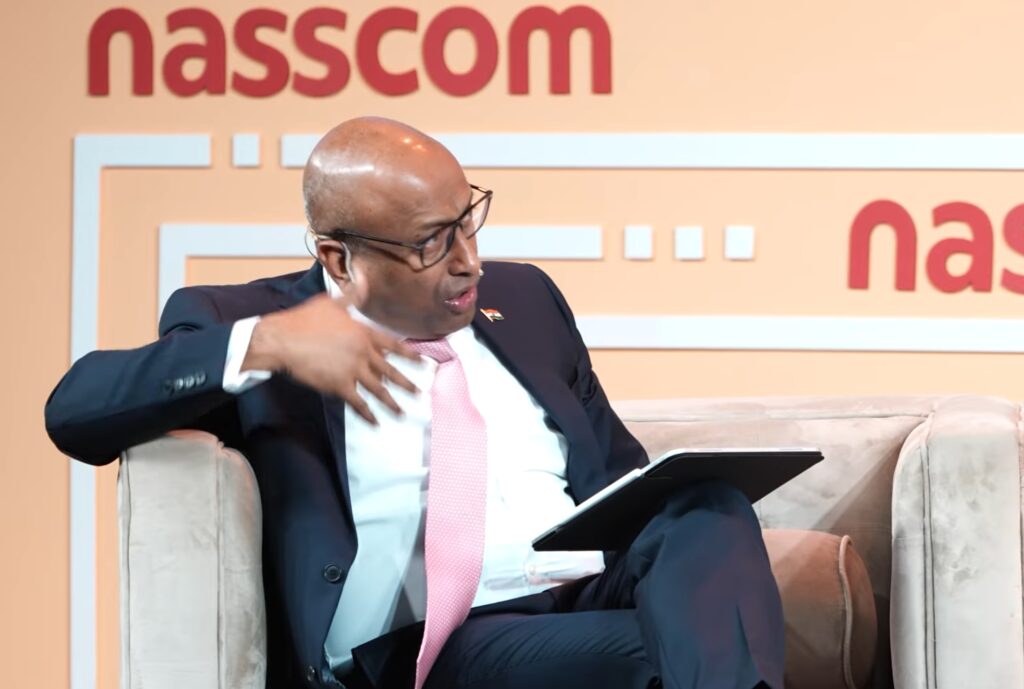
2. Navigating Geopolitical Complexity
Technology was framed not just as a tool for business, but as a strategic instrument of foreign policy.
Sovereign AI: A key priority discussed was building national AI capabilities (compute, data, and models) to reduce dependence on foreign systems and align with national security.
The Global Reorder: In a multipolar world, “digital borders” are rising. Leaders must navigate trade tensions and protectionism by prioritizing resilience and digital provenance—verifying the origin and integrity of data.
Strategic Autonomy: India’s role was highlighted as a “Globally Trusted partner” that maintains multi-polar alignment while driving domestic innovation.
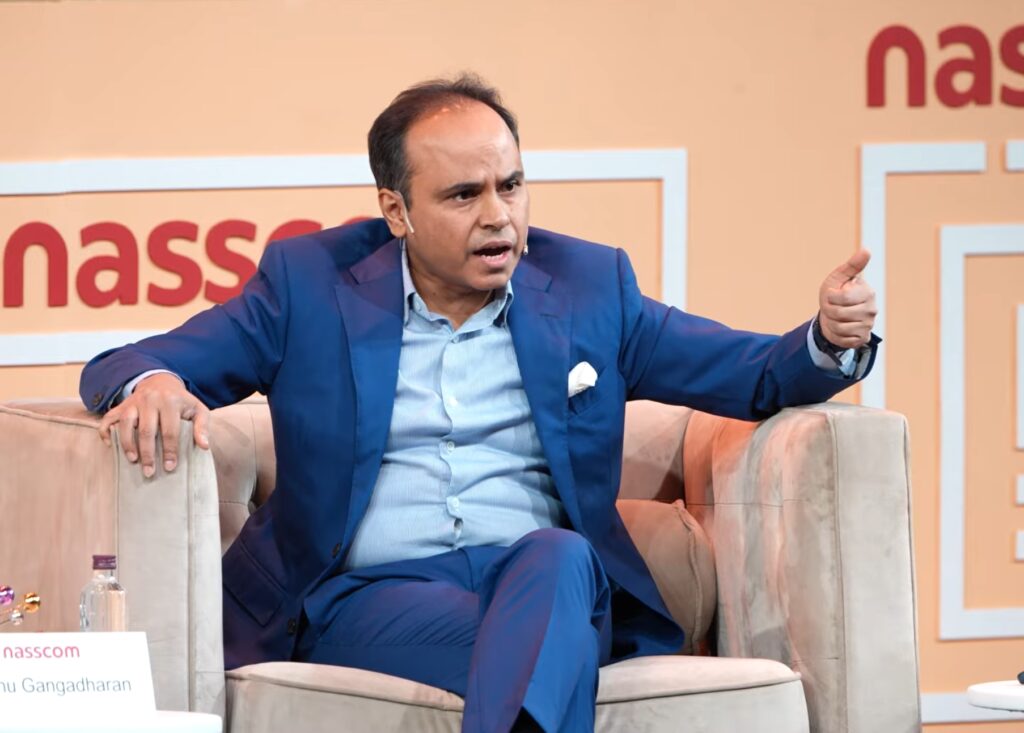
3. Leadership in the “Human-Centered” EraThe forum’s theme, “Tech-Driven, Human-Centered,” served as a reminder that technology must ultimately serve human purpose.
Skills > Degrees: Keynotes emphasized that traditional degrees are becoming secondary to adaptable skills, judgment, and lifelong learning.
The “Intelligent Leader”: Today’s leader must fuse strategy with empathy. Stability is gone; the new “operating system” for leadership is based on experimentation, moral clarity, and the ability to move fast without compromising trust.
Trust as Infrastructure: Trust is no longer a “soft” value; it is the essential infrastructure for AI adoption. This requires building systems that are ethical, explainable, and transparent.
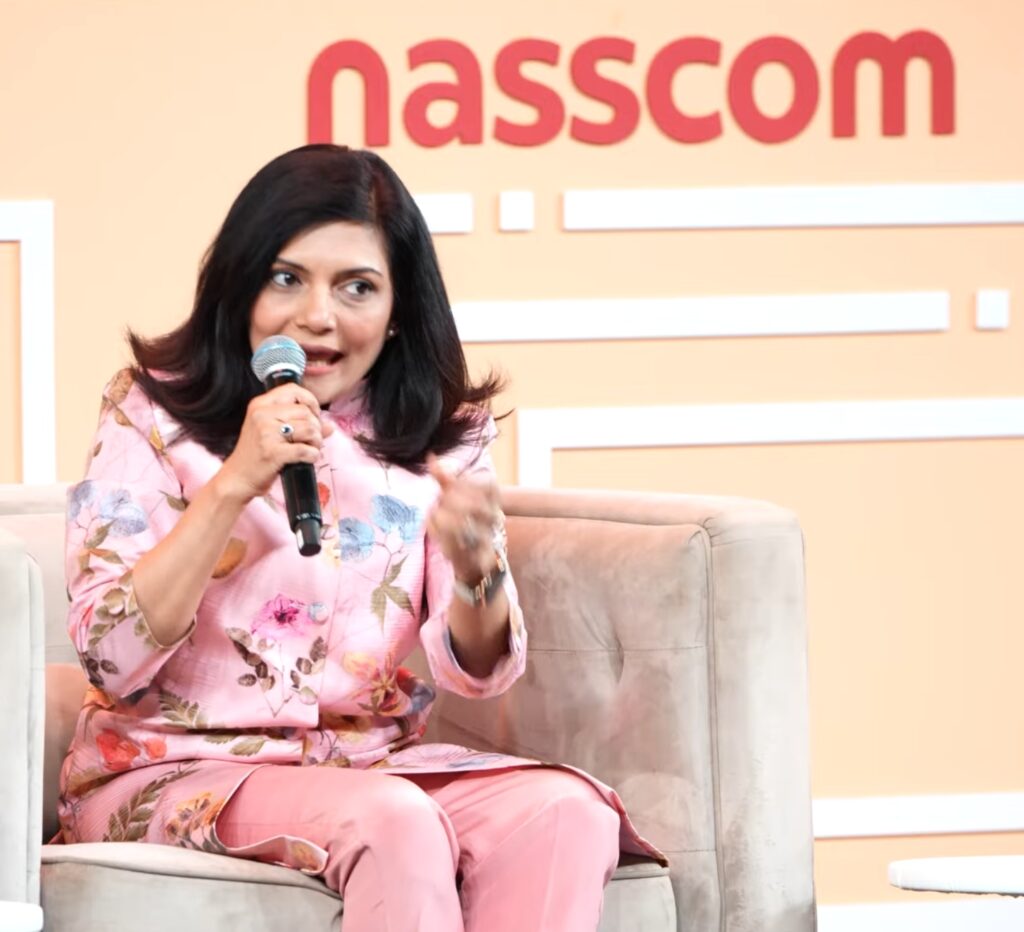
4. Geopolitics & Trust:
The New Non-Negotiables
The panel emphasized that technology does not exist in a vacuum.Geopolitical Complexity: Global tech strategy is now inextricably linked to sovereign interests and regional regulations.
The Trust Deficit: In an era of “Everything, Everywhere,” the risk of execution is high. Moving fast is a requirement, but doing so without compromising data integrity or human trust is the competitive advantage of 2026.
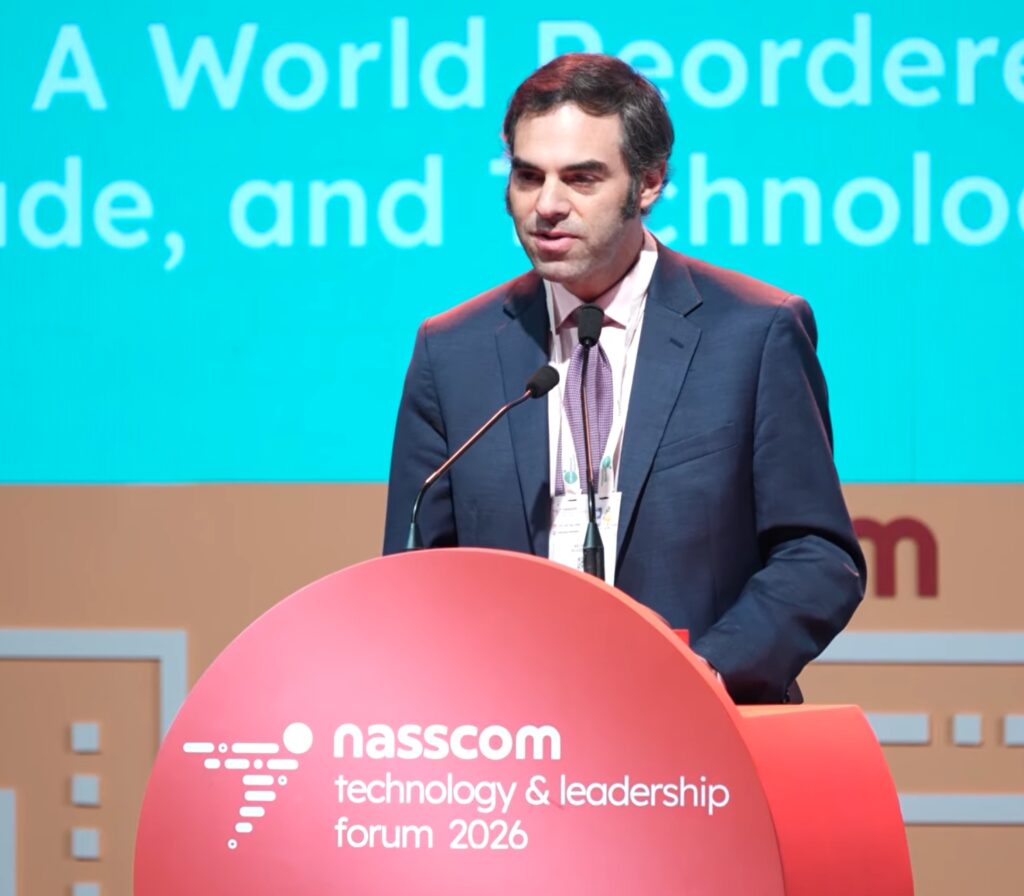
A highly relevant and forward-looking keynote for the NASSCOM Technology & Leadership Forum 2026, given the themes of fragmentation, geopolitics, and technology, here is a brief overview of the key angles Michael Kugelman, as an expert on South Asia, would likely bring to this discussion on “A World Reordered.”
A World Reordered (NASSCOM 2026)Speaker: Michael Kugelman, Senior Fellow for South Asia, Atlantic Council
Key Themes & Potential Talking Points:
The Tech-Geopolitics Nexus in Asia: As the world moves from integration to fragmentation, South Asia (particularly India) sits at a critical intersection. Kugelman likely explores how tech supply chains are being reshaped by geopolitical mistrust, favoring regional, “trusted” partnerships over global efficiency.
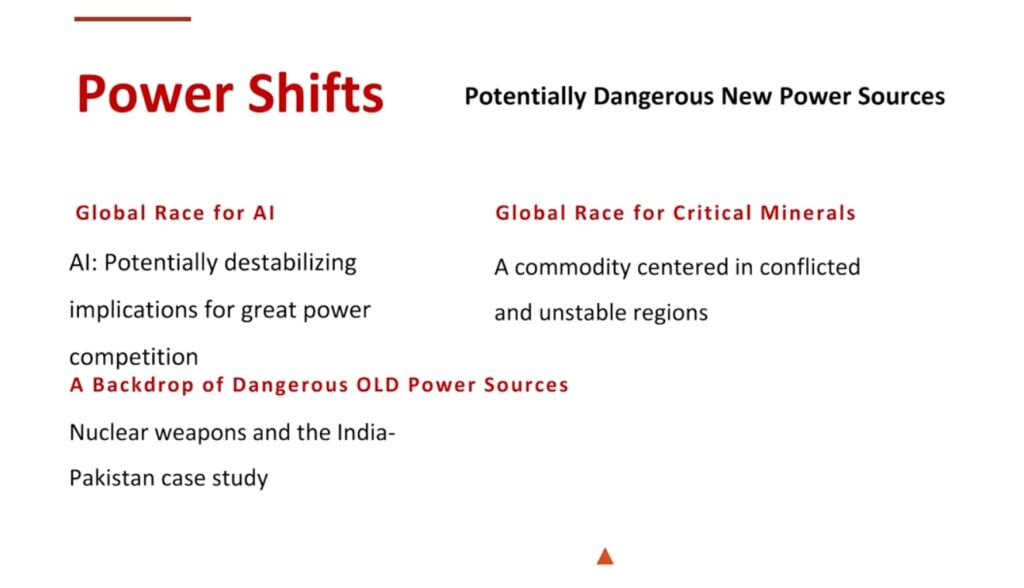
Balancing Strategic Autonomy: With “uncertainty as the new constant,” the session likely focuses on how nations like India are navigating the US-China rivalry—pursuing strategic autonomy (e.g., in critical tech like AI, 5G, and semiconductors) while building resilient partnerships with both the West and regional players.
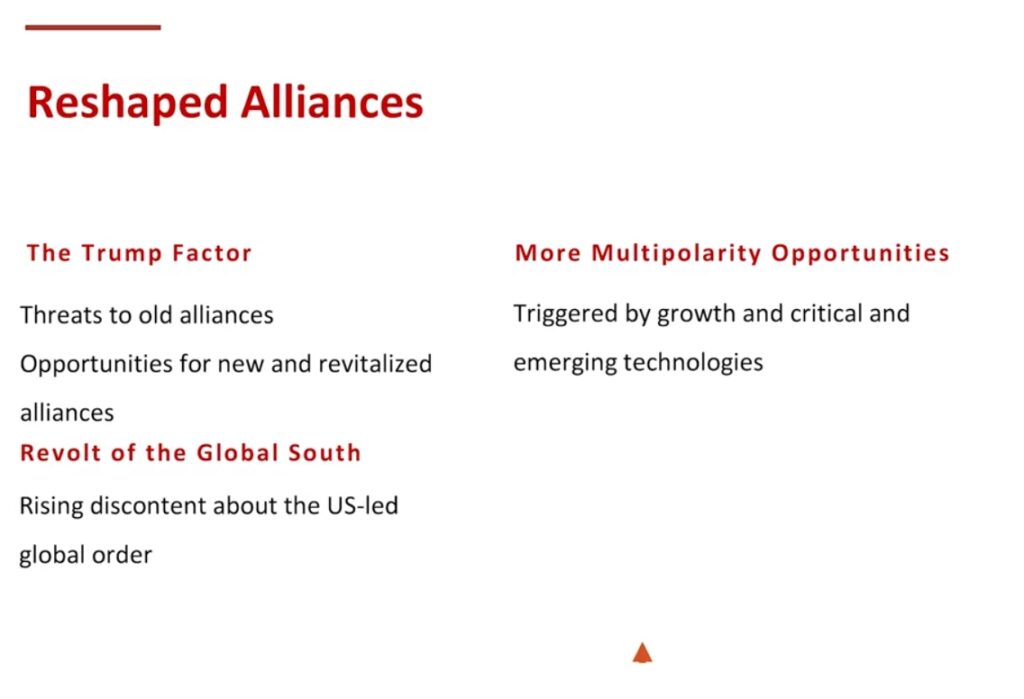
Navigating a Fractured Landscape: The discussion would touch upon the shift from multilateralism to “minilateralism”—smaller, issue-based alliances (like the Quad or I2U2) that redefine trade and tech collaboration in a world lacking a unified, rules-based order.
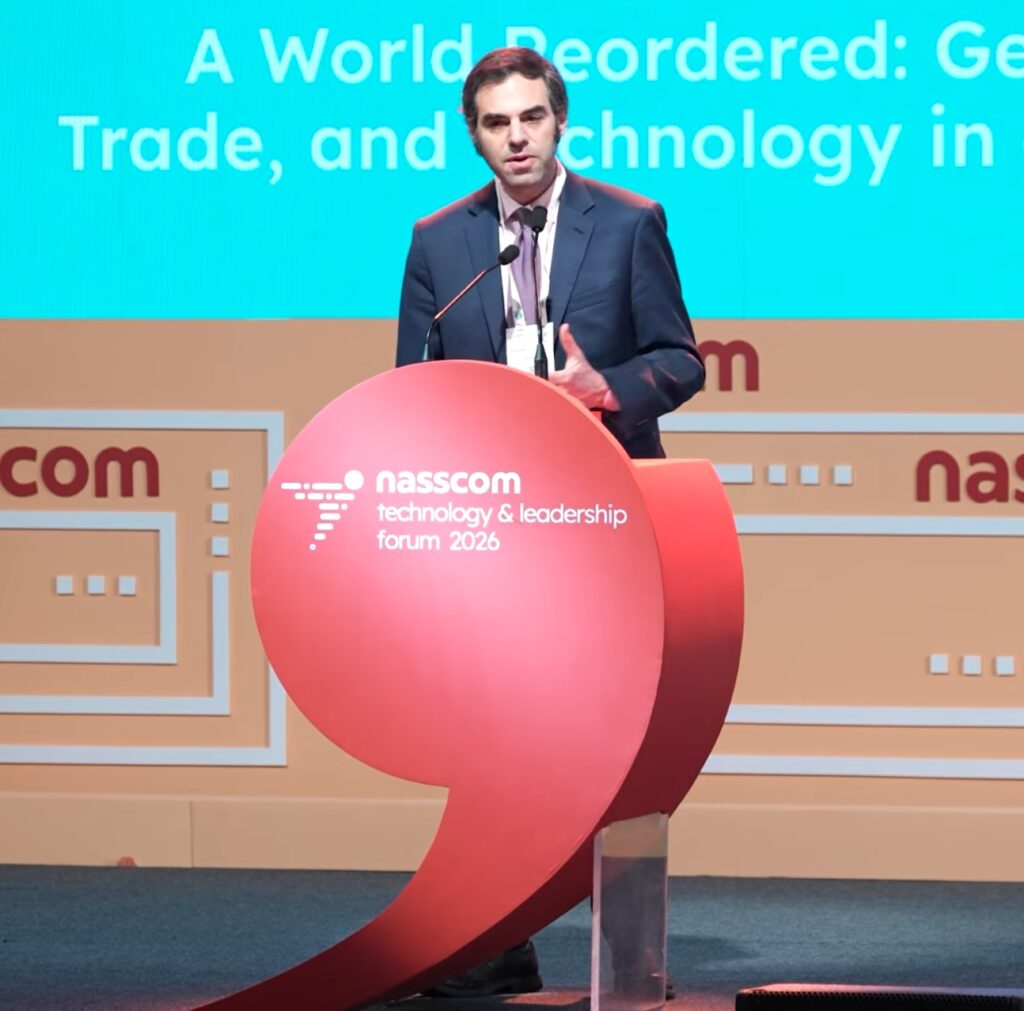
Resilience over Efficiency: Leaders are being urged to prioritize supply chain resilience (friend-shoring) to mitigate geopolitical risks, shifting focus from a single global provider to distributed, secure technology networks.
This session was crucial for tech leaders trying to understand how to operate in a world where technology decisions are increasingly driven by geopolitical strategy rather than just economic demand.
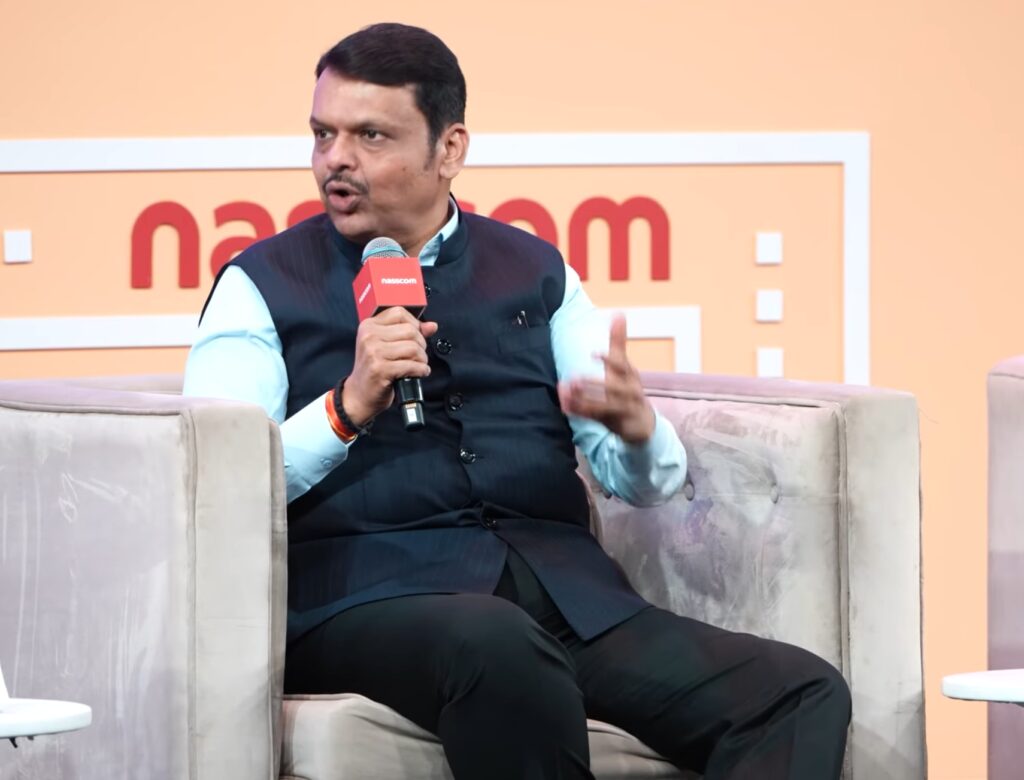
Devendra Fadnavis, the Chief Minister of Maharashtra, discussed the state’s vision for AI-driven growth and digital transformation.
Key Highlights of CM Fadnavis at NTLF 2026:
AI and Employment: Fadnavis stated that AI is fundamentally altering traditional employment, requiring a shift toward leveraging technology rather than fearing it as a replacement, comparing the shift to the computer revolution.
Policy-Led Growth: He focused on “Policy-Led Growth” to accelerate innovation in Maharashtra, highlighting the state’s efforts to create an AI-powered ecosystem.
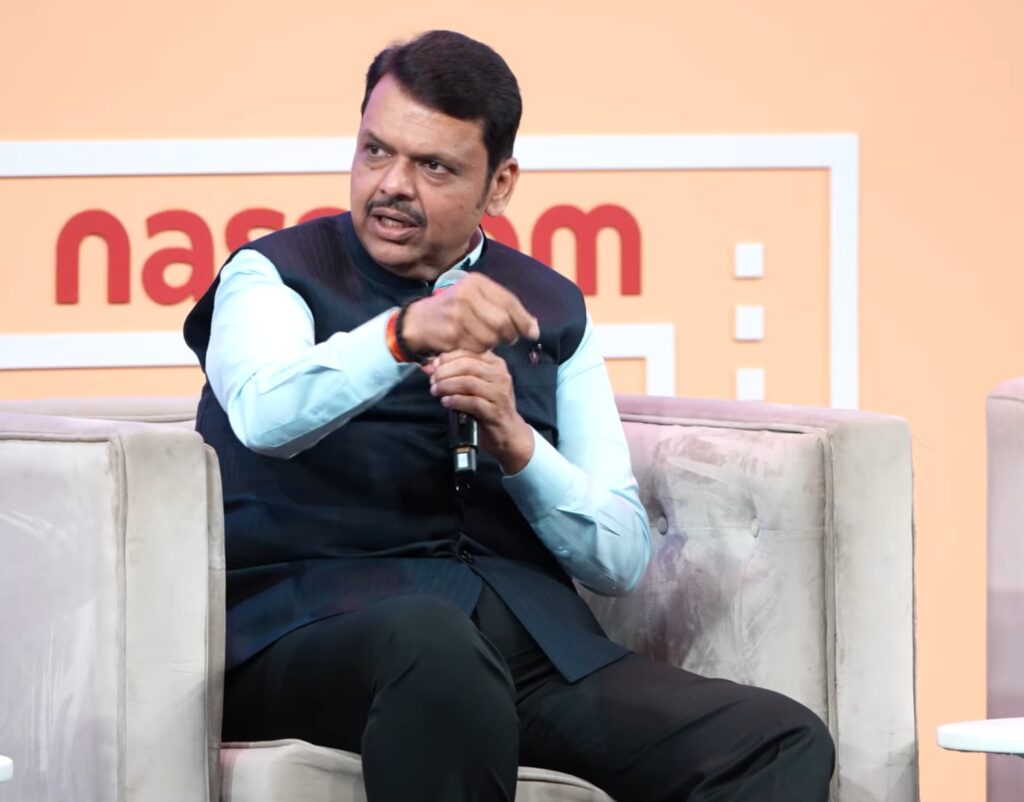
Infrastructure & Digital Governance: He emphasized using AI for resilient governance and improving public services, aiming to make Maharashtra a premier destination for AI adoption.
Partnership: The event featured discussions on strengthening policy-industry alignment in collaboration with Nasscom.
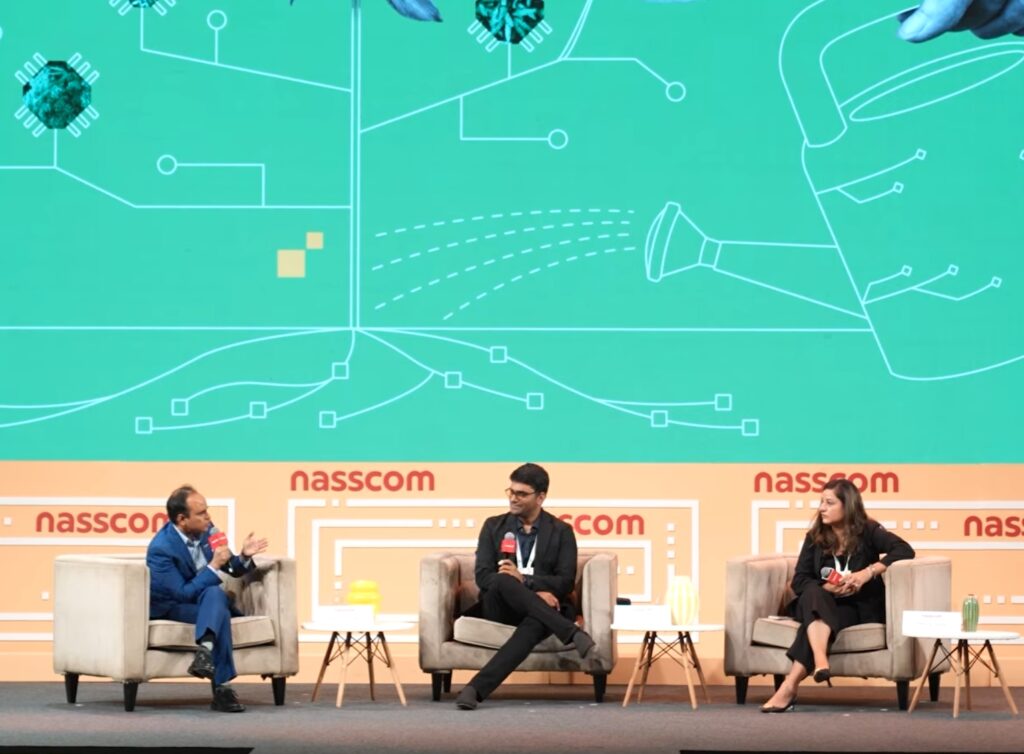
The Fireside Chat: Is India Still Building Startups, or Finally Building Technology?, moderated by Srikanth Velamakanni Vice Chairperson, Nasscom Naiyya Saggi Founder, EDT Ankit Mehta CEO & Whole-Time Director, ideaFor focused on the evolution of the Indian startup ecosystem from focusing on business model innovation (speed, scale, consumer apps) to driving deep technology innovation (IP, core tech, global systems).
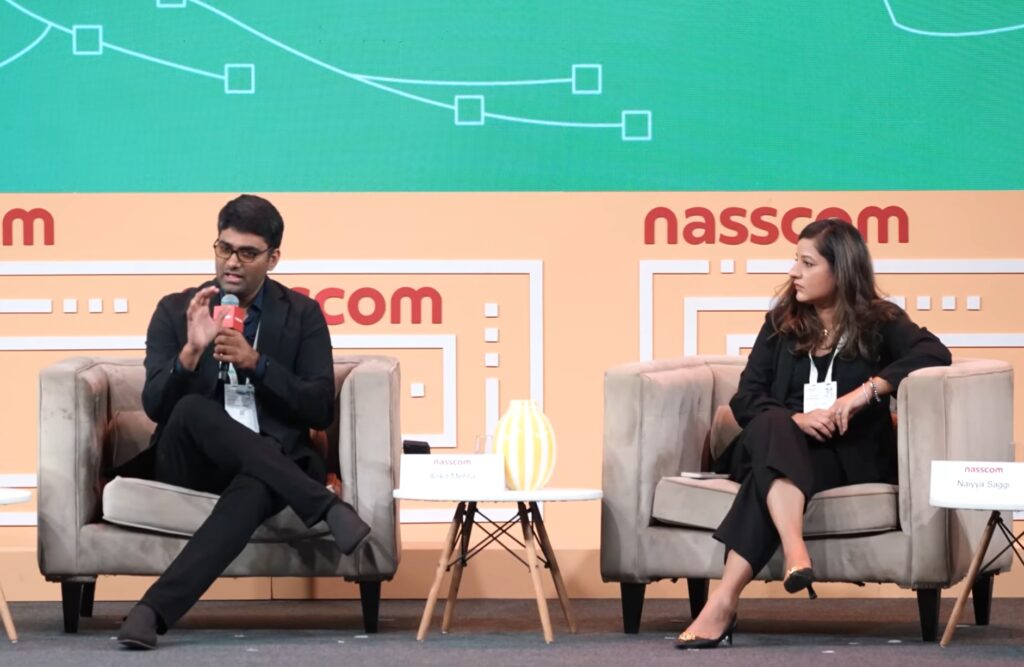
Key Discussion Themes:
The Transition: Moving beyond apps that reshape daily behavior to developing intellectual property (IP) and deep-tech solutions that define global markets.
Translating Research: The critical step of taking promising research and early-stage technology from labs into real-world, scalable applications.
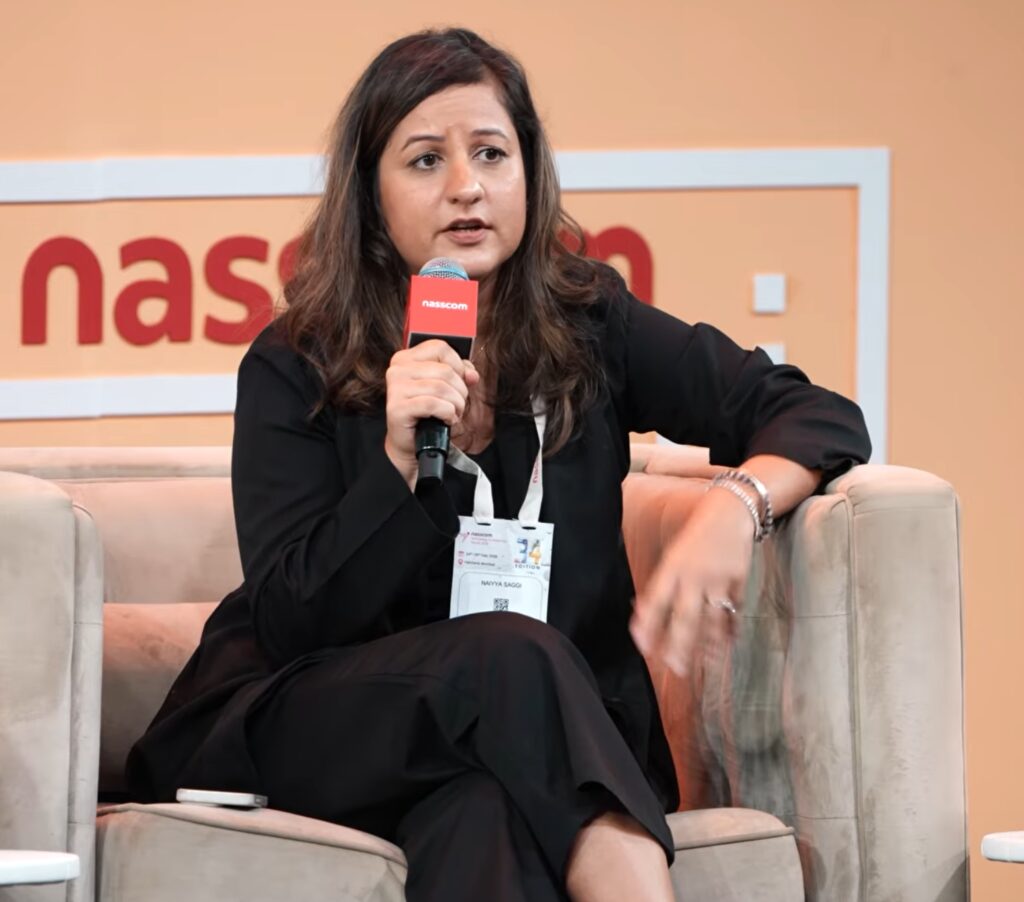
Bridging the Gap: Strengthening the connection between innovation and commercial adoption within India.
The Inflection Point: Evaluating whether India is truly moving towards becoming a creator of technology rather than just an adapter.
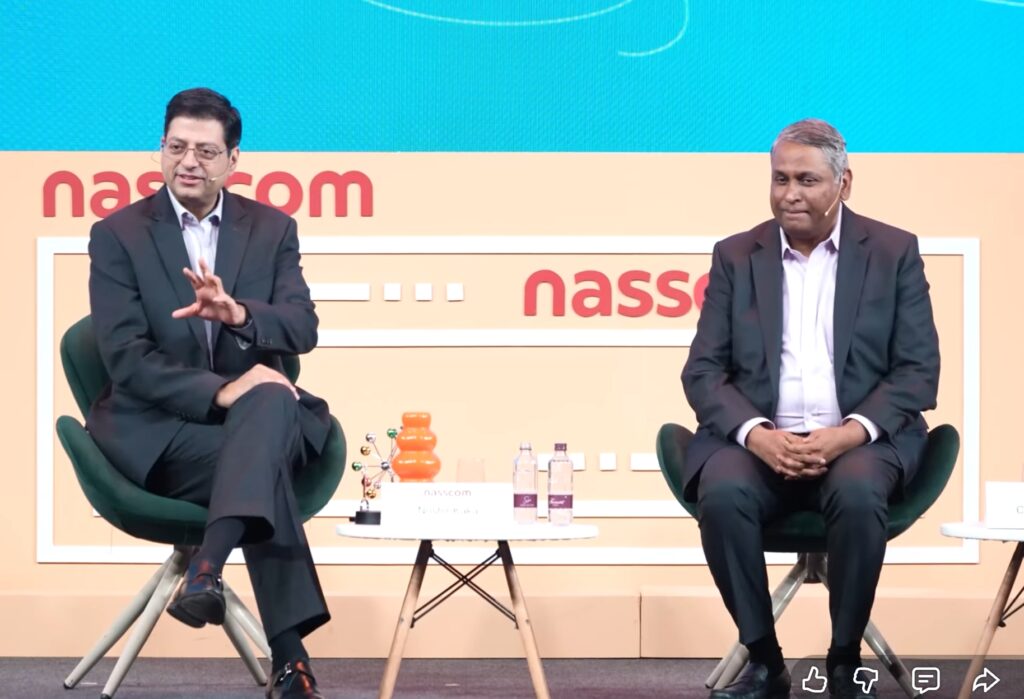
The fireside chat at #NTLF26, C Vijayakumar (CEO & MD, HCLTech) and Noshir Kaka (Senior Partner, McKinsey & Company) discussed the imperative for Indian technology companies to move beyond simply adapting to AI and instead focus on proactive, structural changes.
Key Takeaways:
Riding the AI Wave or Redefining the Shoreline?From Adoption to Redefinition: The core theme emphasized that Indian tech must shift from merely “riding the wave” (incremental adoption) to “redefining the shoreline” (reshaping business models and investments for long-term leadership).
The Scaling Challenge: While AI technology itself is advancing rapidly, the primary hurdle identified is the effective implementation and scaling of AI initiatives across organizations, rather than just experimenting with it.
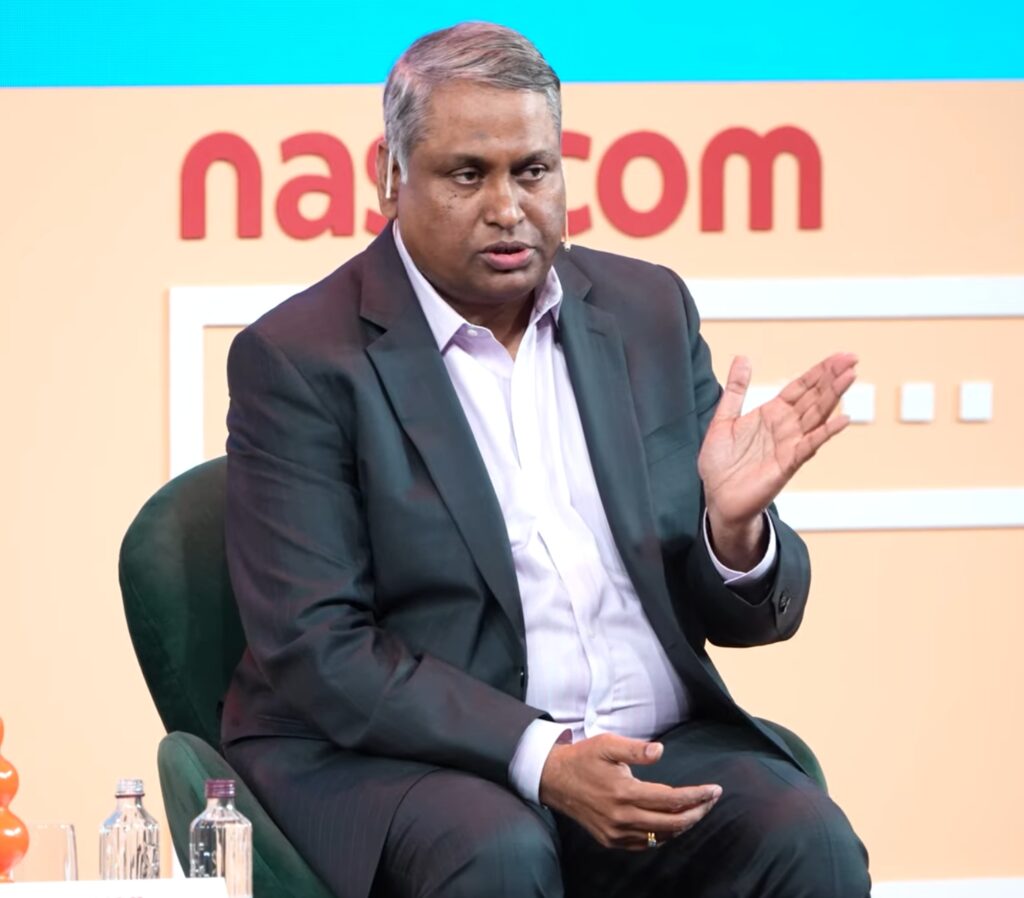
Leadership Mindset: Unlocking the full value of AI requires a fundamental shift in leadership mindset to embed AI into the DNA of services and operations, notes HCLTech.
Workforce & Investment: To lead, companies need to proactively invest in new capabilities and prepare the workforce for an AI-driven, rather than just AI-enabled, delivery model.
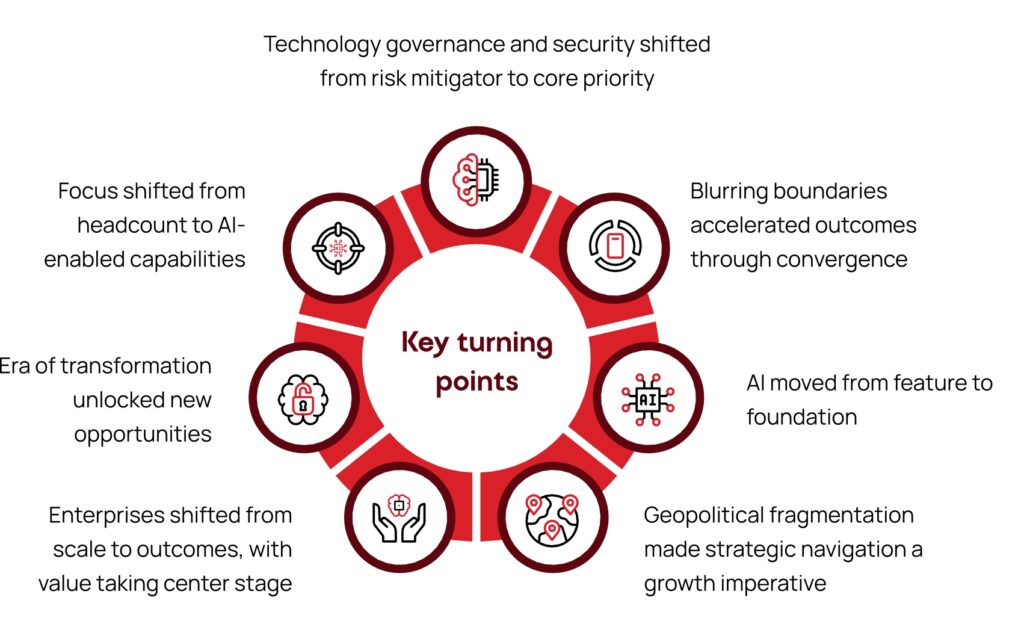
The Nasscom Strategic Review 2026 report, launched at NTLF 2026, themed “Steering through the tides of uncertainty: charting opportunities amid disruption”, highlights the Indian tech industry’s pivot from scale-driven growth to value and innovation. Driven by GCC expansion and BFSI demand, the sector is moving from resilience to strategic renewal.

Key Takeaways from the Report:
Shift in Focus: Industry focus is shifting from pure scale to value creation and innovation, strengthening India’s position in the global value chain.
Growth Drivers: Key drivers include significant GCC expansion, robust demand from BFSI, and increased relevance of new, emerging verticals.
Industry Dynamics: Mid-tier firms are outpacing top-tier companies by focusing on sharper niche positioning.
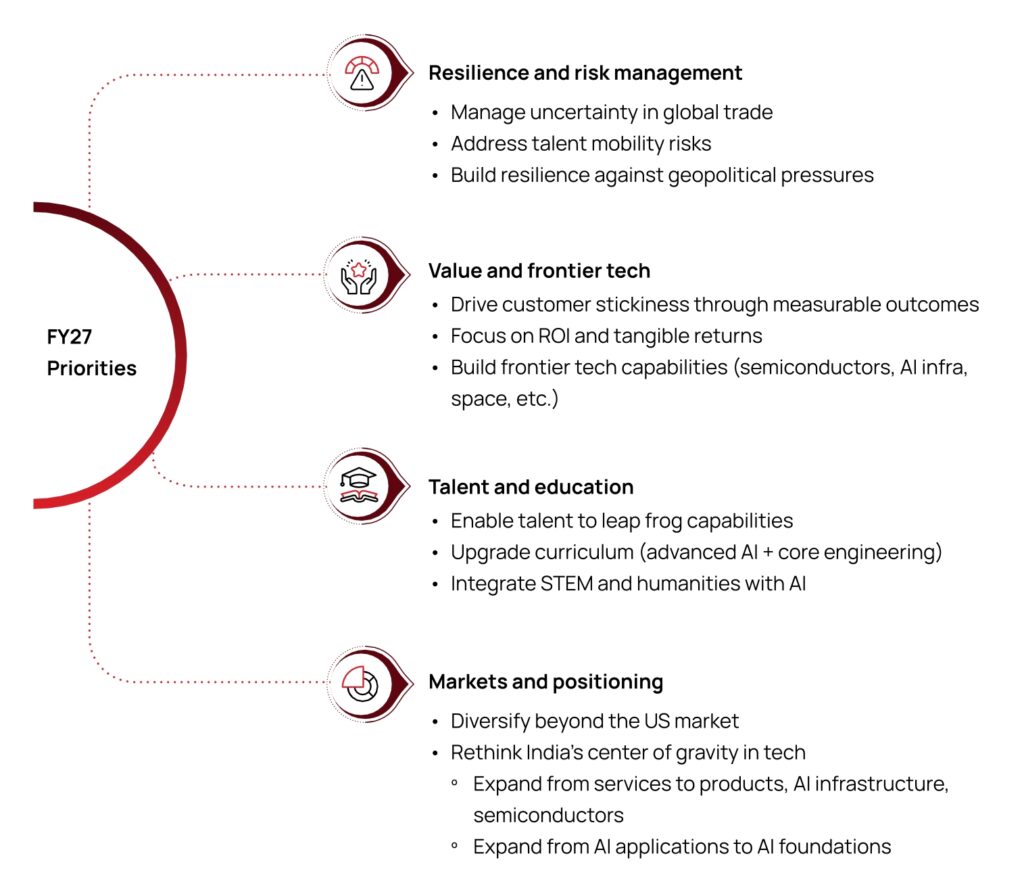
Strategic Maturity: The industry is moving from mere resilience to proactive renewal, prioritizing long-term relevance over immediate headline growth numbers.
The AI Imperative: AI is rapidly evolving from pilot projects to full-scale adoption, driving productivity and new work models.
Global Capability Centers (GCCs): GCCs are functioning as key innovation engines, driving significant export momentum and engineering capabilities.
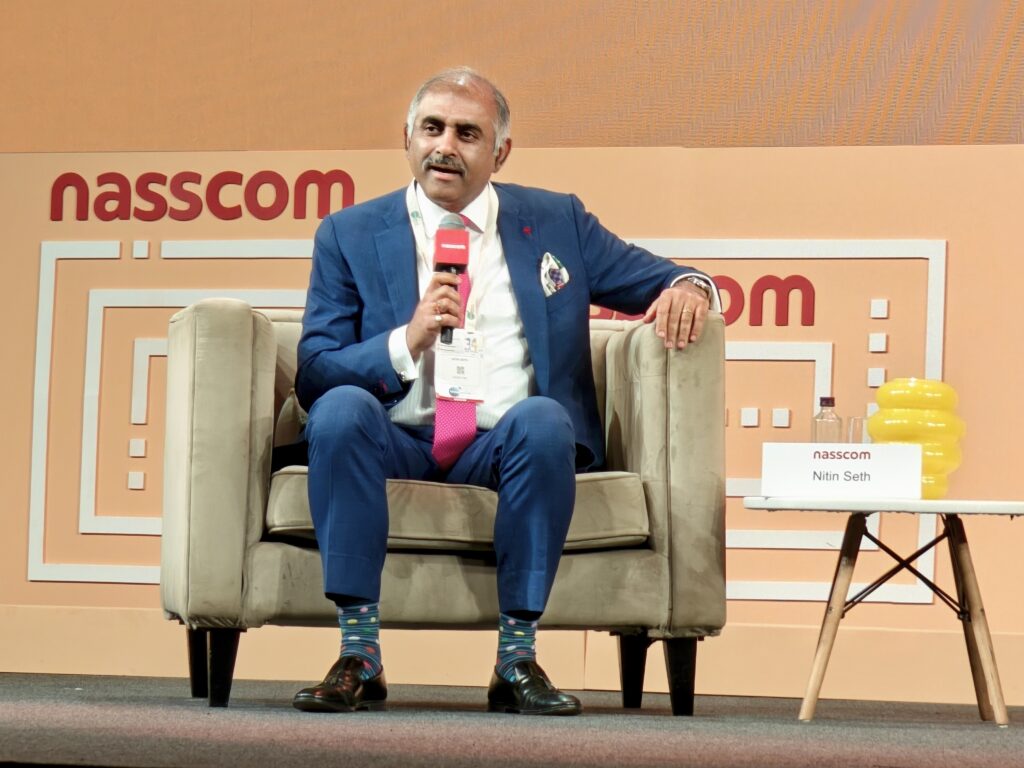
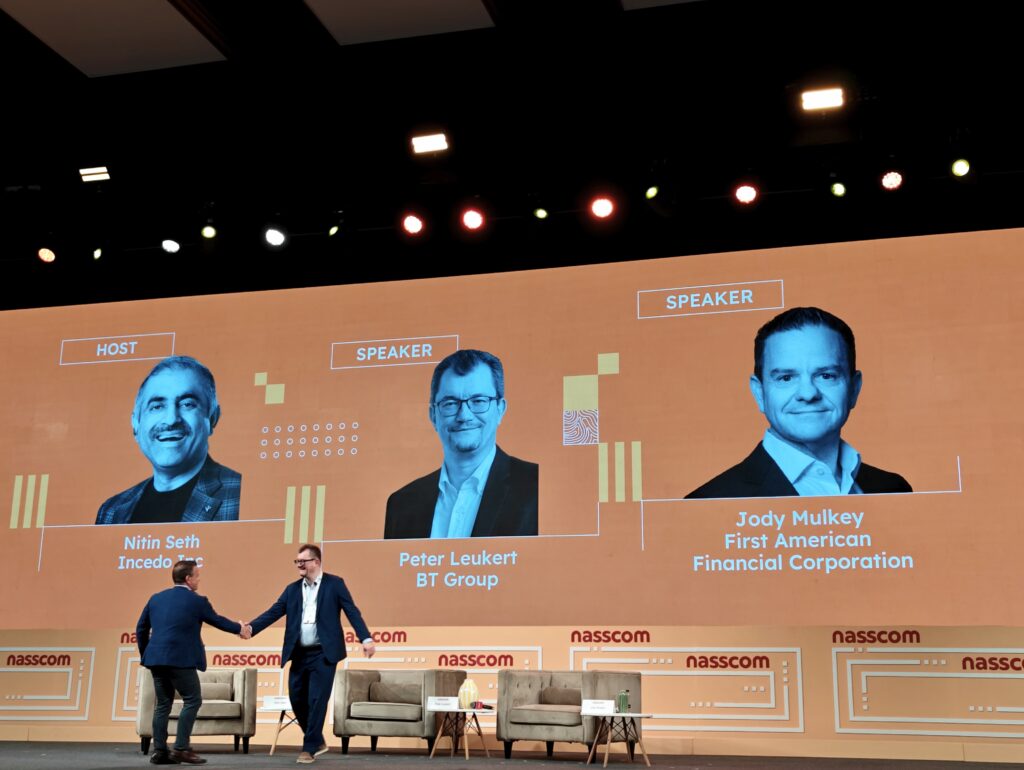
The NASSCOM NTLF 2026 Session VI-a fireside chat, “The ROI of Reinvention: Making Disruption Work for the Enterprise,” chaired by Nitin Seth, Co-Founder & CEO of Incedo Inc., it featured Peter Leukert, Chief Digital Officer at BT Group, and Jody Mulkey, Chief Technology Officer at First American Financial Corporation.
Session Focus
Enterprises face a shifting landscape where emerging technologies like AI drive disruption, challenging traditional stability. The discussion emphasized converting technological changes into measurable business outcomes through strategic reinvention.
Key Takeaways
Leaders must rethink value creation, innovation metrics, and ROI measurement to capture real impact from AI and other technologies. Successful reinvention requires senior leaders to be hands-on with AI tools, showing curiosity and courage regardless of hierarchy.
Organizations need to redesign operating models, focusing on how AI accelerates disruption while unlocking transformation value
Beyond Modernization: AI is not just a tool for efficiency; it demands a total reimagining of products and operating models to unlock real value. Continuous innovation and reinvention should be embedded in core enterprise strategies for sustained growth
Outcome-Based ROI: Real impact is measured by moving the P&L in tangible ways rather than running endless experimental pilots.
Talent as the Battleground: The real differentiator is human mindset—breaking “paper walls” and encouraging creative breakthroughs from all levels, including interns.
The Management of Agents: In an AI-driven era, every employee essentially becomes a manager of AI agents, blurring the lines between individual contributors and managers.

In an enticing keynote address, John Boccuzzi, Jr., President of ISG Research, framed a pivotal moment for India’s technology sector — one defined by the transition from execution excellence to competing on intelligence, platforms, and strategic control.
India’s tech sector is at an inflection point — shifting from execution-led scale to intelligence-led value creation. The competitive edge now lies in strategic capability, not headcount or volume.

AI is already live, not theoretical. Cognitive technologies are reshaping enterprise operations at scale today, with retail serving as a visible proof point for AI-driven, customer-centric reinvention.
The human equation is evolving, not disappearing. AI won’t displace people wholesale — but professionals who leverage AI will outcompete those who don’t. Adaptability is the new job security.

GCCs, enterprises, and providers face a shared mandate. All three must audit current capability gaps, redesign operating models, and co-create the next wave — siloed upgrades won’t suffice.
Technology remains the highest-leverage inclusion tool. At scale, it’s the most powerful mechanism to drive innovation and impact across diverse populations and geographies.

The strategic imperative: Move up the value curve — from delivery excellence to platform ownership, intelligence, and ecosystem control. For India, the trajectory is favorable, but only for those who make the shift proactively.


By 2025, India’s tech startup ecosystem has reached an inflection point — driven by strong entrepreneurial momentum, expanding DeepTech activity, and improving exit pathways, yet entering a more disciplined funding environment. Investors now prioritize AI-led innovation, capital efficiency, and commercial traction over sheer volume. The result: structural bottlenecks are surfacing, particularly around stage progression, demand activation, and sustained institutional support.


Global tech startup capital is concentrating rapidly — nearly half of 2025 funding flowed to AI-led companies, while 65% went to mega-rounds, signaling a clear investor shift toward scaling proven winners over early-stage experimentation.

In the fireside chat “The Missing Layer in Enterprise AI” at NTLF 2026, Rohan Murty, Founder of Workfabric AI, shared several critical insights regarding the current state and future of AI within the enterprise.
Here are the key observations from his discussion:
1. The “Missing Layer”: Tribal KnowledgeThe Limitation of General Models: Current AI agents often fail in the enterprise because they are trained on general internet data. While powerful, they lack the “secret sauce” of individual companies—their tribal knowledge.
Lived Experience as Data: Tribal knowledge consists of how teams actually respond to customers, handle exceptions, and make decisions. This “lived human experience” is the missing layer needed to ground AI in a specific organizational context.
2. AI as a Digitizer of Context
Extracting Tacit Knowledge: The first role of AI in the enterprise should be to help extract and digitize this tribal knowledge, which is currently siloed and unscalable.
Contextual Grounding: Once captured, this knowledge serves as the precise context needed to give other AI models or agents so they can perform tasks (like writing emails or creating purchase orders) correctly within that specific company’s environment.

3. The Concept of AI “Twins”
Automating Workflow: Murty described using “AI twins”—digital versions of employees that learn from their specific work context. At Workfabric, these twins are used to automate routine interactions, such as having a “finance twin” and “ops twin” meet to discuss cost efficiencies instead of the humans themselves.
Organic Implementation: Rather than a top-down mandate, these twins can be implemented organically at every level of an organization to create “wells of context”
4. Context as the Ultimate Competitive Advantage
Democratization of Intelligence: As AI models become a commodity available to everyone, raw intelligence is no longer a differentiator. The only way companies can compete is through the unique context they provide to those models.
Durable Advantage: Murty advises leaders to treat “how their company works” as their most durable source of competitive advantage, as it is the one thing that cannot be replicated by general AI.

5. Humans as the “Last Frontier”
Learning from Humans: For AI to reach its full potential (or any definition of AGI), it must learn from humans. Humans are currently the biggest source of untapped context in organizations.
Human-AI Partnership: This learning process creates a necessary partnership where humans become the active source of knowledge for AI to function effectively in a business setting