EXCELLENCE OF INNOVATIVE LEADERS
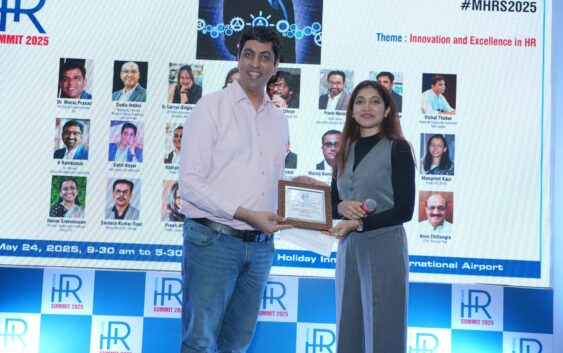
The Mumbai HR Summit 2025, hosted by the Institute of HRD on May 24, 2025 at Holiday Inn, Mumbai, India, served as a significant platform for HR professionals from India, Asia Pacific, and the Middle East. With a focus on the theme “Innovation & Excellence in HR,” the summit encouraged attendees to explore the latest trends, insights, and innovations that can elevate HR practices and drive business success.
By embracing innovation and excellence, HR professionals can unlock their workforce’s full potential, drive growth, and maintain a competitive edge in the market.
The Mumbai HR Summit 2025 provided a unique opportunity for participants to engage with industry experts, exchange knowledge, and discover new strategies to enhance their HR practices.
Through thought-provoking sessions, panel discussions, and networking opportunities, the summit covered critical topics such as talent acquisition, employee engagement, leadership development, diversity and inclusion, and HR technology. By fostering collaboration and learning, the Mumbai HR Summit 2025 aimed to empower HR professionals and shape the future of the HR landscape in India and beyond.
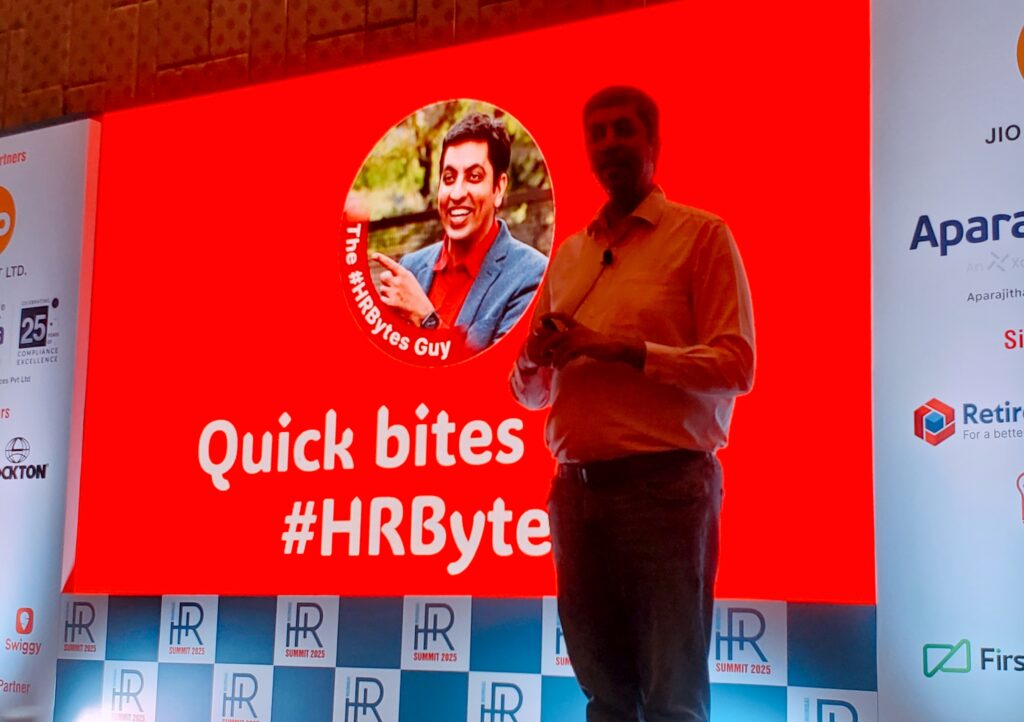
Sahil Nayar HR leader delivered an engaging and engrossing presentation. Sahil highlighted, the future of work demands agility, adaptability, and resilience. Careers and organizations must continuously reinvent themselves in response to rapid change.
Sahil believes to follow the N.I.C.M.A.R. Framework:
N: Navigate change—embrace and anticipate transformation rather than resist it.
I: Intellectual curiosity—commit to lifelong learning, regardless of age or stage.
C: Courage—move beyond echoing others to develop an authentic voice.
M: Master agility and adaptability—move out of comfort zones and experiment with new habits.
A: Authenticity—bring unique perspectives and genuine self-expression, especially during critical moments such as job interviews and workplace collaboration.
R: Resilience—develop the tenacity to overcome setbacks and challenges, drawing inspiration from previous generations.
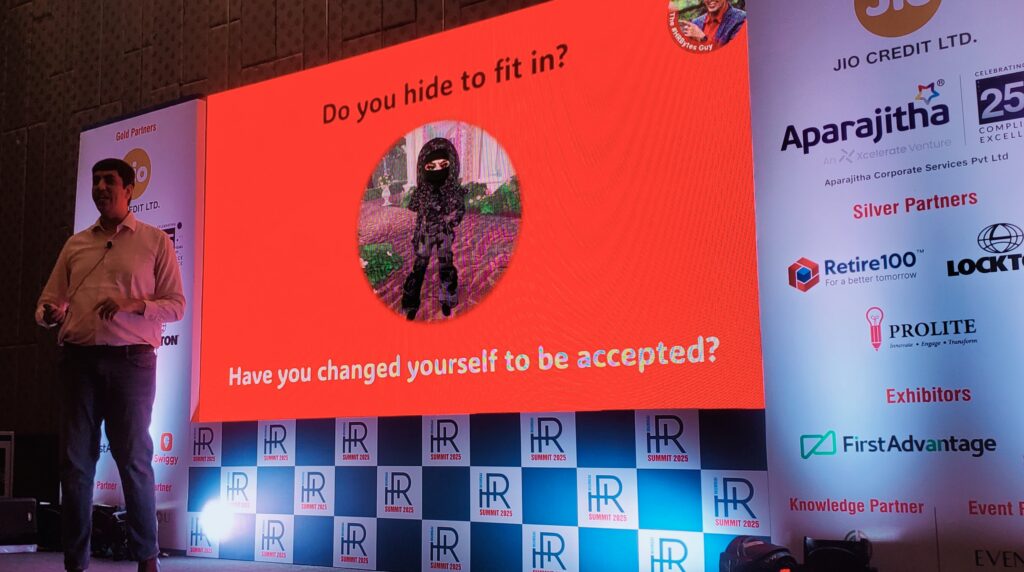
Gratitude and Self-Belief: True progress comes from believing in oneself, showing up consistently, and practicing gratitude.
On Employer Branding 2.0, Sahil emphasized that employer branding is more than just catchy slogans; it is about creating genuine experiences that truly differentiate an organization. It rests on four key truths: the cultural truth of what employees genuinely feel, the aspirational truth shaped by leadership’s vision, the talent truth reflecting what today’s top talent seeks, and the comparative truth showing how a company stands out among its peers. Engaging storytelling plays a vital role by fostering emotional connections and a sense of belonging rather than just attracting talent superficially. Additionally, happiness at work is framed as a core brand promise built on connection, autonomy, recognition, and empathy. Organizations can amplify their brand authentically by enabling and empowering employees to share their real experiences, turning them into passionate brand ambassadors. Innovative practices like “culture preview kits” help cultivate belonging even before employees officially join the organization.
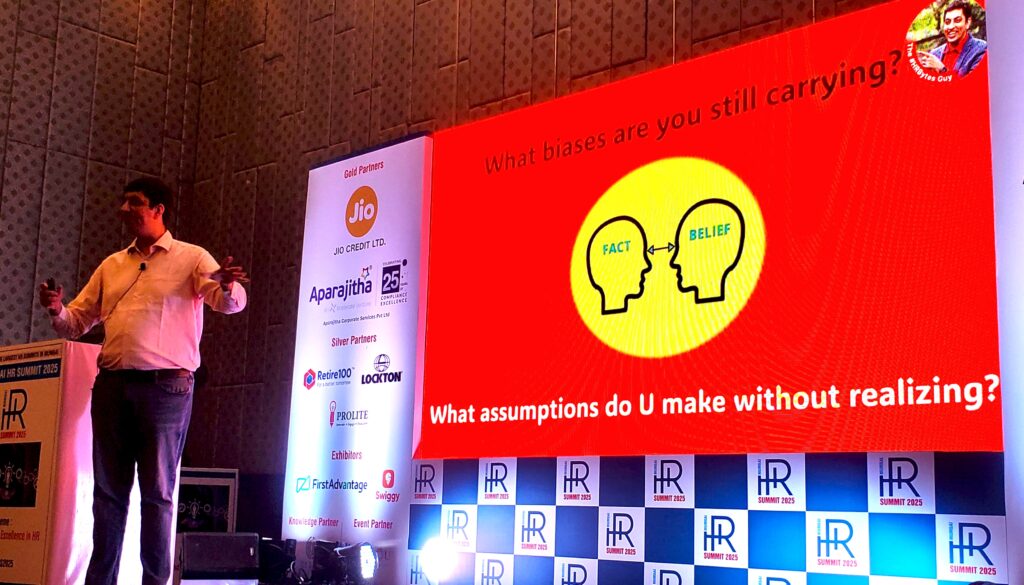
The HR Playbook by Sahil highlights the importance of blending robust data analytics with human intuition, termed “data insights through intuition” (DII), to enable well-rounded decision-making in HR. Ethical use of data is vital, with emphasis on explainable AI that ensures transparency, fairness, and removes bias in data-driven processes. Building trust involves democratizing access to data for employees, completing feedback loops, and communicating real actions taken beyond mere survey results.
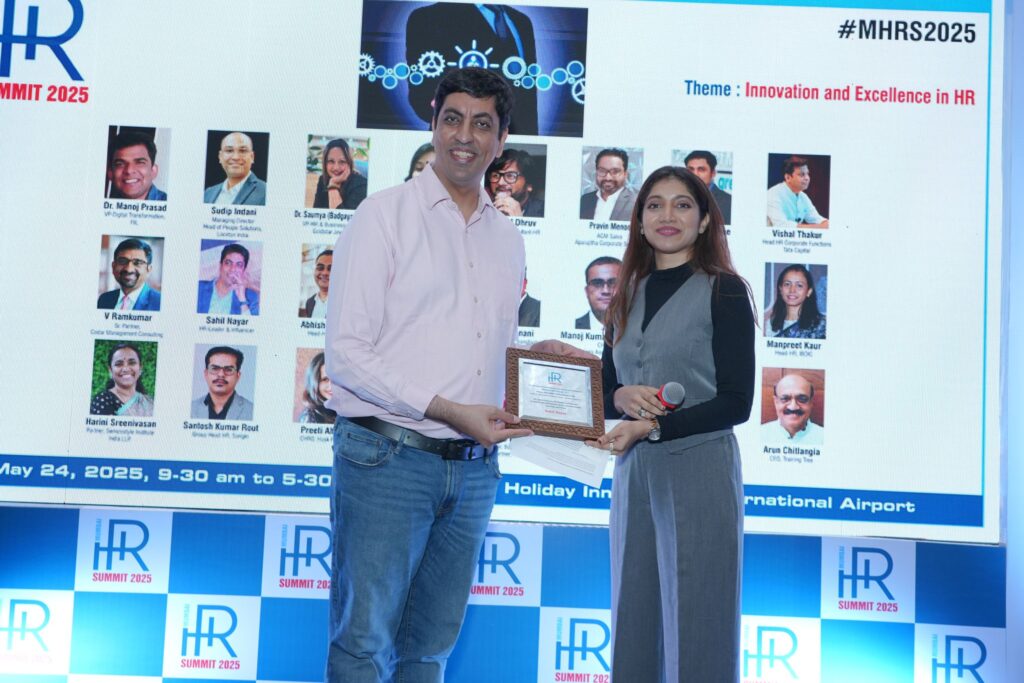
HR teams must communicate insights empathetically by filtering data to highlight actionable sentiments that promote both organizational growth and personal development. In diverse, multi-generational workplaces, HR data storytelling should be personalized yet aligned with the broader organizational mission. Feedback needs to be visibly acted upon or clearly explained to maintain employee confidence and foster a culture of trust and alignment. Overall, the playbook advocates for an HR approach that combines scientific rigor with empathy for sustained business and people impact.
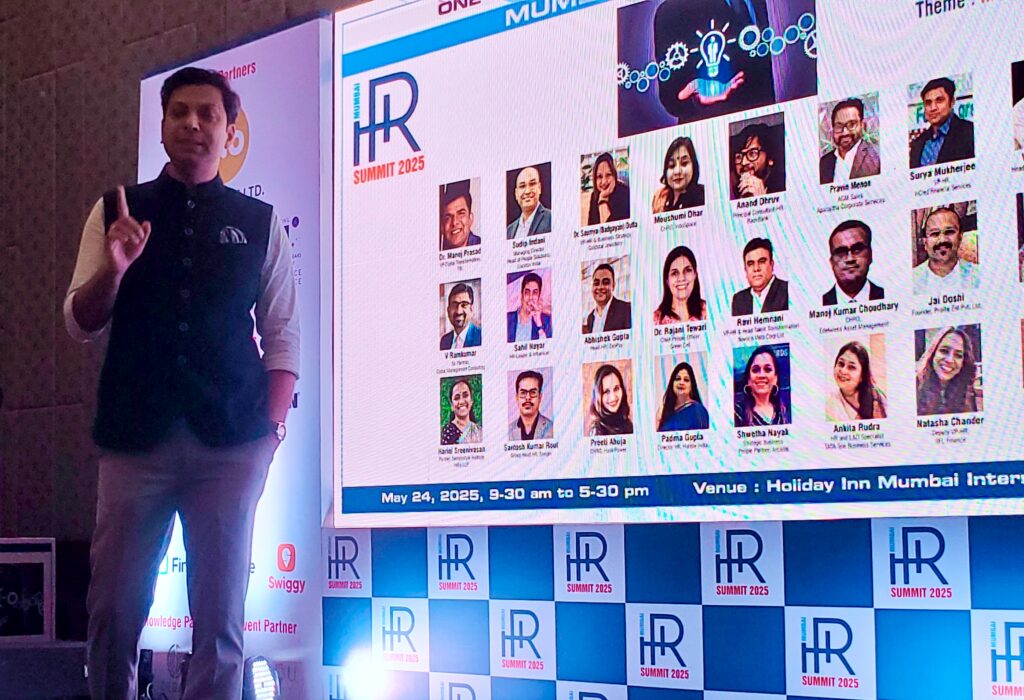
Vishal Thakur, VP-HR at Tata Capital, shared key HR lessons and advice at the HR Summit in May 2025, drawing from his extensive leadership in talent management and business HR. Over the past year, he emphasized the critical role of aligning campus recruitment with specific business needs, ensuring that talent acquisition is skill-focused and job-role specific, rather than purely academic qualification-based. This approach has helped Tata Capital become one of the largest campus recruiters in the NBFC sector, with strong business acceptance and retention.
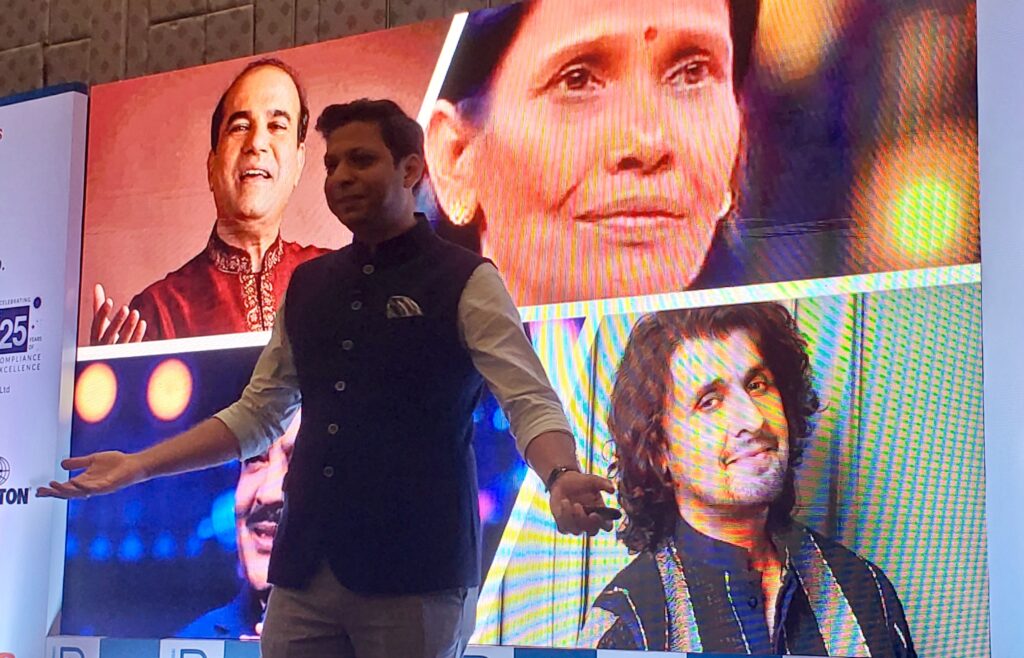
Vishal also highlighted the importance of patience and adaptability among new graduates, advising them to prioritize developing relevant skills that satisfy evolving business requirements. Additionally, he advocated for leveraging social media as a powerful tool to replace traditional intranets, to enhance communication, engagement, and collaboration within HR functions. His forward-looking strategy integrates business partnership with HR processes to drive leadership engagement, talent development, and employer branding effectively. The lessons from his leadership center on blending innovation with practical business alignment for sustained HR excellence.
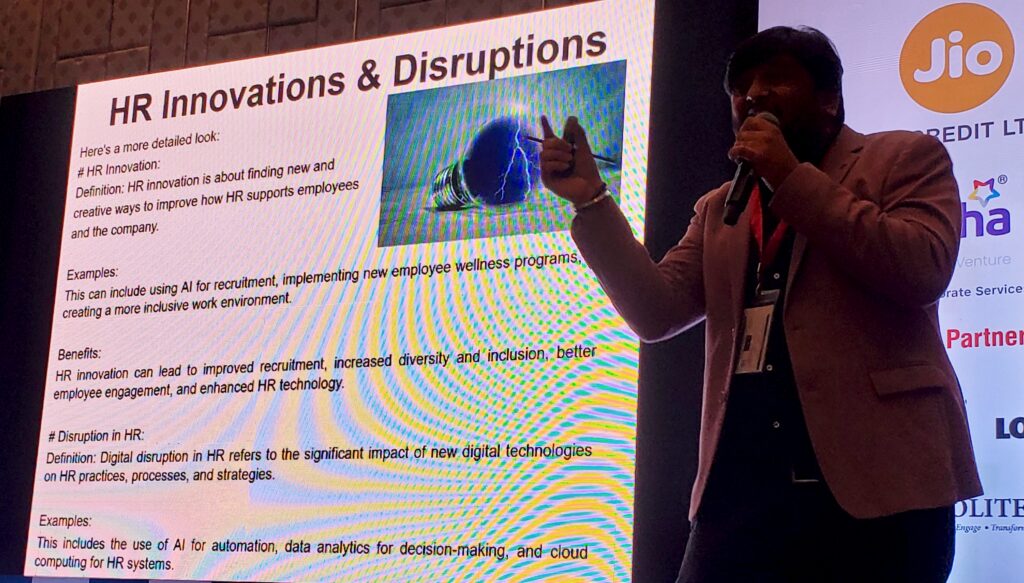
Anand Dhruv’s presentation on “HR Innovations and Disruptions” at the Mumbai HR Summit 2025 focused on how new ideas and technologies are reshaping HR to better support both employees and organizations. He defined HR innovation as the creation and application of fresh, creative solutions to improve HR functions, such as employing AI for recruitment, launching novel employee wellness programs, or fostering a more inclusive workplace environment. These innovations bring benefits like enhanced recruitment quality, greater diversity and inclusion, improved employee engagement, and advanced HR technology adoption.
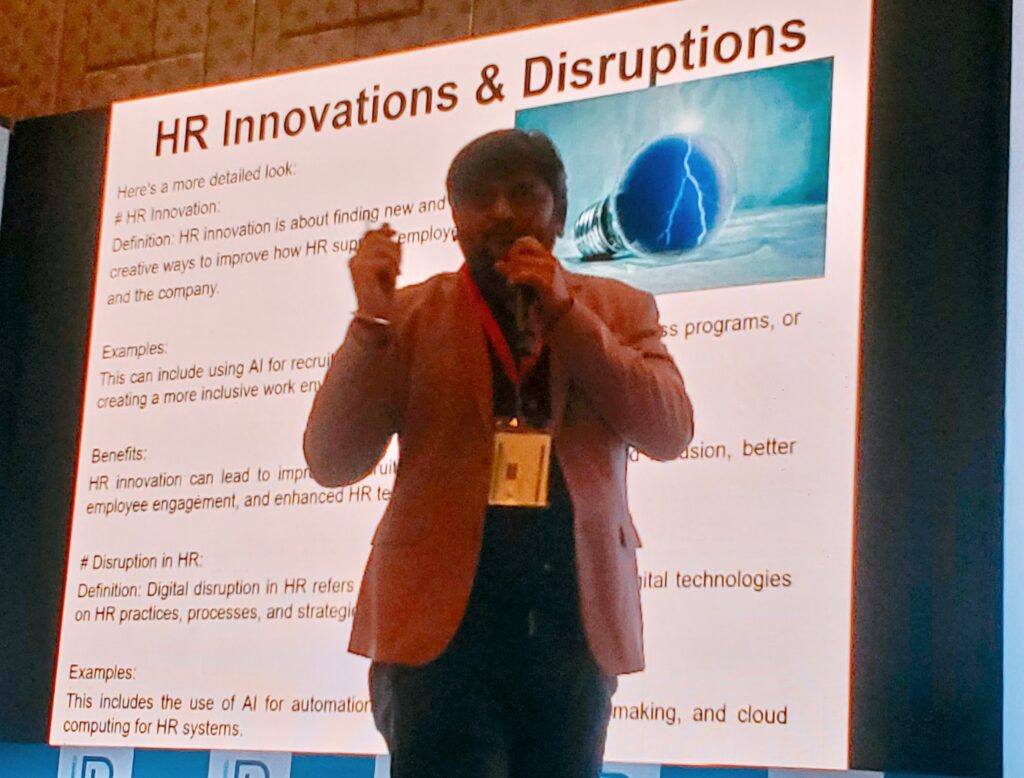
On the other hand, disruption in HR, particularly digital disruption, involves the profound effects that emerging digital technologies have on traditional HR processes and strategies. Examples include AI-driven automation, data analytics to better inform decision-making, and cloud-based HR systems that offer flexibility and scalability. Anand emphasized that such disruptions are not just inevitable but necessary for organizations to stay competitive, adapt to evolving workforce expectations, and leverage technology for strategic advantage. Overall, his talk highlighted the critical need for HR leaders to embrace both innovation and disruption as intertwined forces fueling the future of work and organizational success.
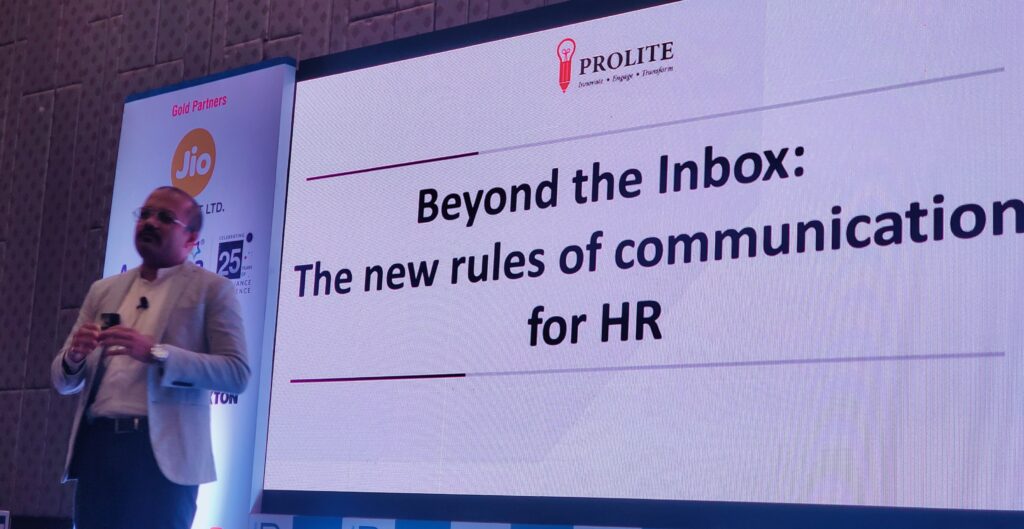
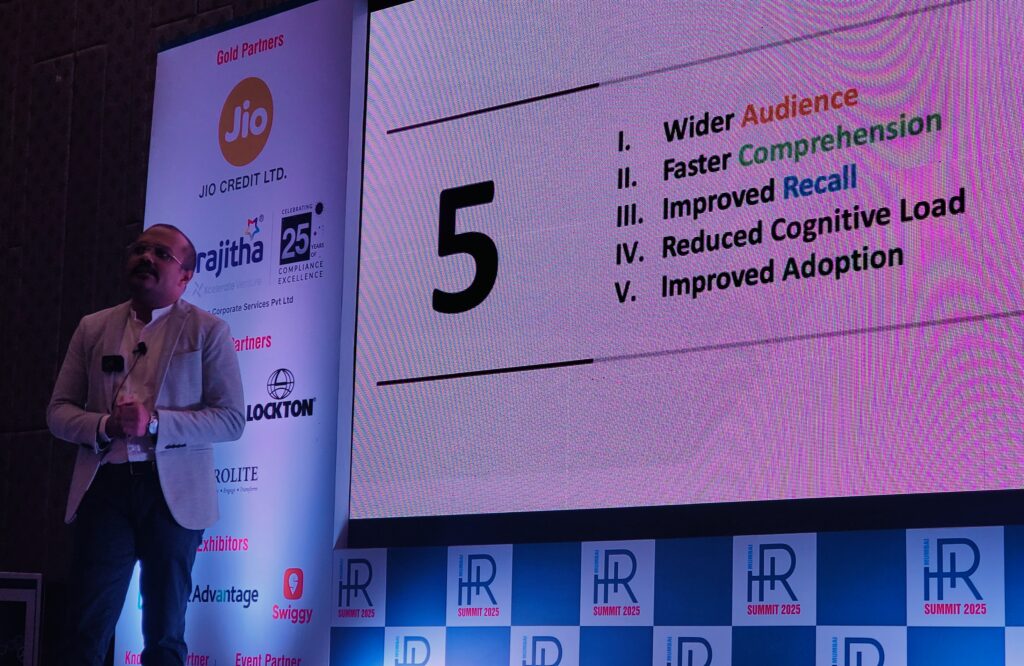
Anand Dhruv’s presentation titled “Beyond the Inbox: The New Rules of Communication for HR,” delivered at the Mumbai HR Summit 2025 focused on simplifying HR communication through the “5 R’s”: Right People, Right Time, Right Place, Right Message, and Right Medium. He emphasized the power of emotional communication, noting that the emotional mind is 17 times more influential than the rational mind in how messages are received and processed. Visual communication plays a crucial role by expanding reach, speeding comprehension, enhancing recall, reducing cognitive load, and improving message adoption among employees.
Anand also introduced the “Rule of Seven,” which states that a message must be encountered at least seven times before it is remembered or acted upon. This approach underlines the need for repetitive, layered communication strategies in HR to ensure effective engagement and behavior change. The presentation highlights evolving communication paradigms for HR, where emotional connection, visual aids, and repeated messaging work together to foster better understanding and employee alignment with organizational goals. This session aligns with the summit’s theme of innovation and excellence in HR, showcasing how strategic communication is critical in driving workforce engagement and change management.