
BRICKS, BLOCKS, TOKENS
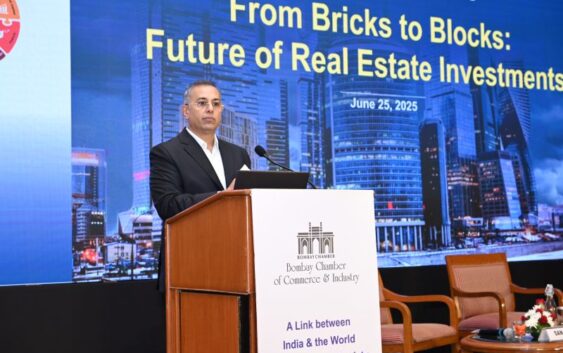
The REITS – Asset Tokenisation Conclave 2025 hosted by BOMBAY CHAMBER OF COMMERCE AND INDUSTRY (BCCI), was held on June 25, 2025, at the ITC Grand Central Hotel in Mumbai, was a significant event that highlighted the transformative shift in India’s real estate sector. With the theme “From Bricks to Blocks: Future of Real Estate Investments,” the conclave focused on the emergence of fractional real estate investing and tokenisation, which are revolutionizing the way people access, own, and profit from real estate.
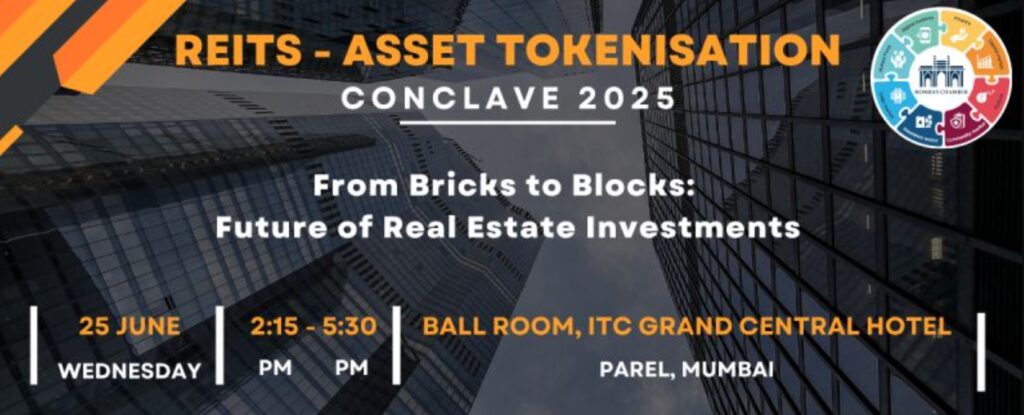
The event showcased how these innovative models are making premium real estate assets more accessible, liquid, and tech-enabled than ever before. As India’s real estate industry evolves, fractional ownership and blockchain-led tokenisation are at the forefront of this transformation.
The REITS – Asset Tokenisation Conclave 2025 featured discussions and insights from leaders across the real estate, finance, proptech, and regulation sectors, emphasizing the importance of innovation and collaboration in driving the future of real estate investments. By exploring these new models, the conclave aimed to foster a deeper understanding of the changing landscape and unlock new opportunities for investors and industry professionals alike.
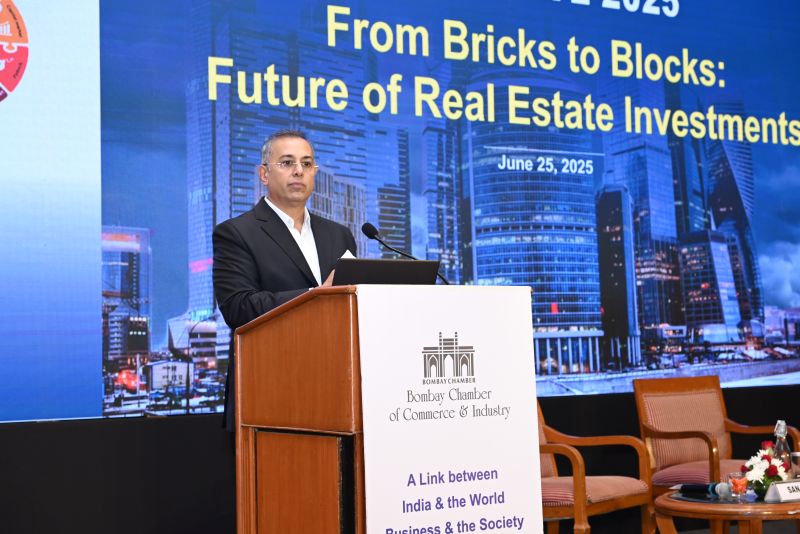
Mr. Sanjay Dutt, Director at Bombay Chamber and MD & CEO of Tata Housing Development Company marked a key moment for India’s real estate sector, framing it as a “supernova” experiencing explosive growth—from 750 million sq. ft. of office space in 2000 to a projected 1.3 billion sq. ft. in the 2030. Dutt emphasized that REITs, SM REITs, and asset tokenisation are not just investment vehicles, but transformative tools that broaden market access, foster innovation, and build a “mid-ticket” capital segment for both institutional and retail investors.
India’s Real Estate Growth Trajectory
India’s office stock has grown at a brisk pace, touching nearly 993 million sq. ft. as of mid-2025, with forecasts to reach or exceed 1.3 billion sq. ft. in 2030.
The top three cities—Bengaluru, NCR, and Mumbai—account for about 60% of this supply, positioning India as the world’s fourth-largest office market by size.
Growth has been fueled by robust institutional interest, global occupier demand, and sustained economic development.
Emerging Real Estate Segments
The sector is diversifying rapidly with emerging investments in data centers, logistics, warehousing, co-working spaces, and senior living communities.
These segments reflect shifting investor and occupier preferences, technological change, and the impact of digital economy expansion (e.g., growth of data centers and logistics due to e-commerce).
REITs, SM REITs, and Tokenisation: Transforming Access
Mr. Dutt highlighted the arrival of new investment tools—especially REITs, SM REITs (Small & Medium), and asset tokenisation—as pivotal for opening up the sector to a wider pool of investors, democratizing access to income-producing assets.
Fractional ownership and blockchain-based asset tokenisation are creating new opportunities for family offices, HNIs, and retail investors, especially in premium and income-generating real estate.The sector’s mid-ticket capital category is gaining vibrancy, supported by private equity, fintech innovation, and regulatory developments.
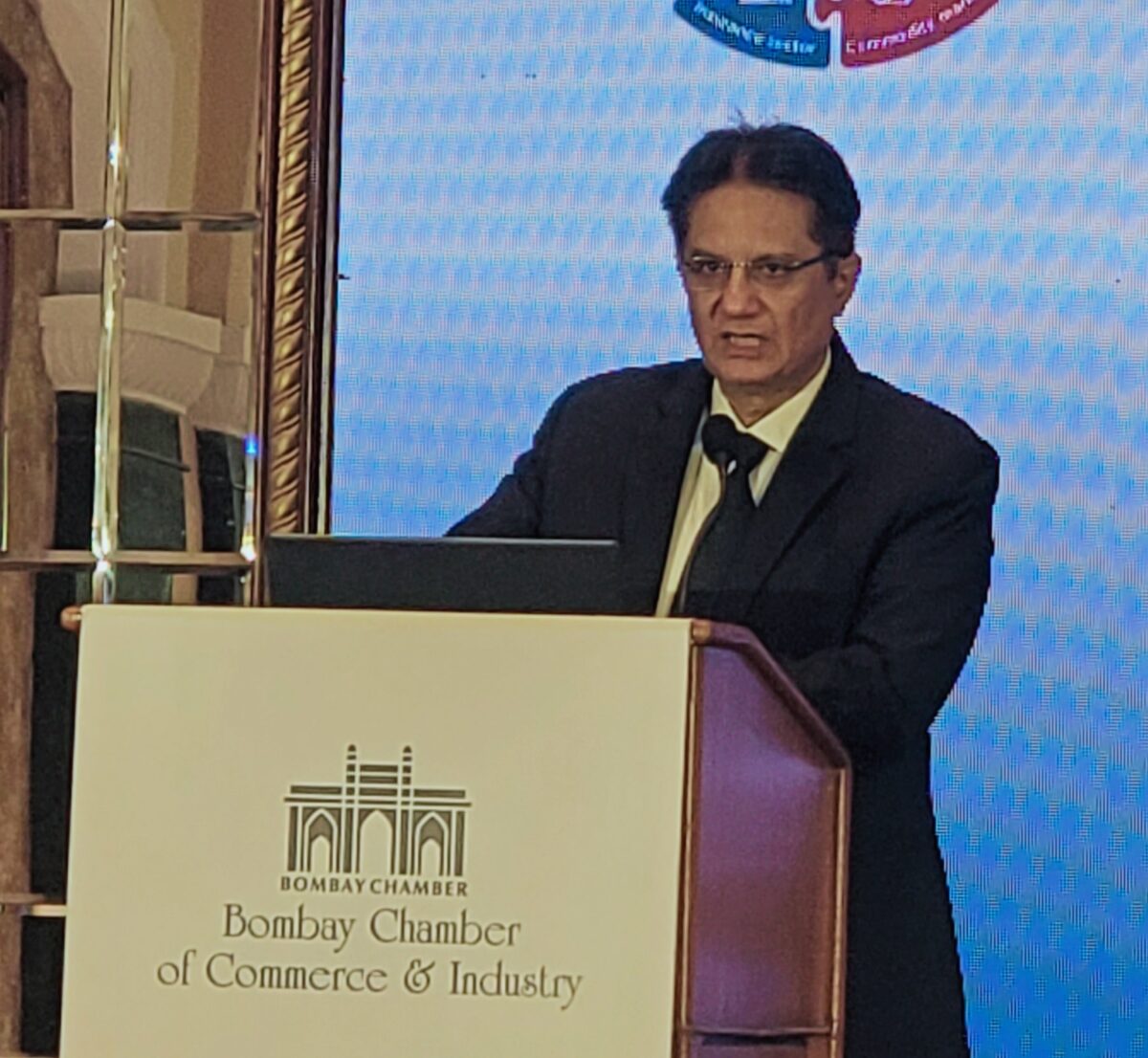
The welcome address by Sandeep Khosla, Director General of the Bombay Chambers highlighted the Chamber’s role in shaping industry thinking and steering policy dialogue at the intersection of innovation, finance, and regulation. The conclave focused on how fractional ownership and tokenisation are transforming the real estate sector by enhancing accessibility, liquidity, and inclusion for a broader class of investors beyond just the ultra-wealthy.
On Bombay Chambers role:
The Chamber leverages its research, stakeholder inputs, and sectoral expertise to provide well-informed recommendations and policy advocacy to government bodies and regulators.
It works closely with agencies such as SEBI, RBI, Ministry of Finance, and others to co-create balanced policies that encourage innovation while ensuring investor protection, market integrity, and sustainable growth.
By actively participating in regulatory consultations and submitting position papers, the Chamber influences the design and implementation of laws governing finance, digital securities, and asset tokenisation.
By driving efforts to democratize access to investments through tokenisation and SME-focused REITs, the Chamber supports broadening the investor base beyond traditional institutional players.
This inclusivity aligns with India’s broader economic goals of expanding wealth creation and financial empowerment across diverse socio-economic segments.
The Bombay Chamber serves as a catalyst for progressive change, orchestrating a collaborative ecosystem where innovation, finance, and regulation converge to create sustainable value for India’s industry and economy.
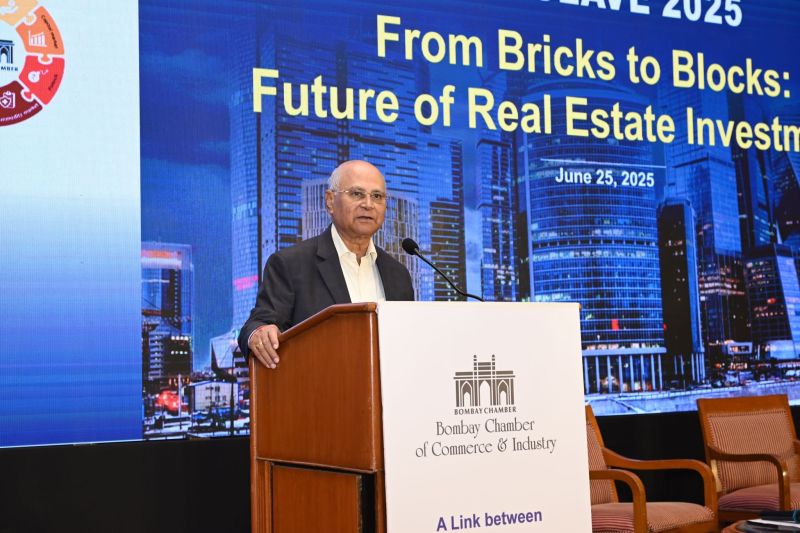
In his keynote address, G.N. Bajpai, Former Chairman of LIC and SEBI, examined the global financial environment and its implications for Indian investors. Speaking to a room filled with institutional stakeholders, millennials, and professionals, he emphasised that in today’s inflation-prone and uncertain world, democratising investment through technology is no longer aspirational but essential. He argued that tokenisation, backed by strong regulatory support, has the power to transform real estate into an accessible and liquid asset class for the common investor—not just the ultra-wealthy.
G.N. Bajpai, former Chairman of LIC and SEBI, at the REITS – Asset Tokenisation Conclave 2025, provided a nuanced perspective on how global market shifts and technological innovation are reshaping real estate investment. He emphasized that traditional real estate has largely been an illiquid, high-entry asset class, accessible mainly to large institutional investors or wealthy individuals. Bajpai argued that technology-backed tokenisation is a revolutionary tool that can fundamentally transform this paradigm by breaking down large assets into smaller, tradable digital tokens.
Blockchain and smart contracts are vital enablers, ensuring transparency, security, verified ownership, and automated compliance. Strong regulatory frameworks are needed to support growth while protecting investors, with regulators like SEBI encouraged to adopt sandbox models for innovation-friendly, yet safe, market development. Bajpai also noted the importance of investor education alongside regulation.
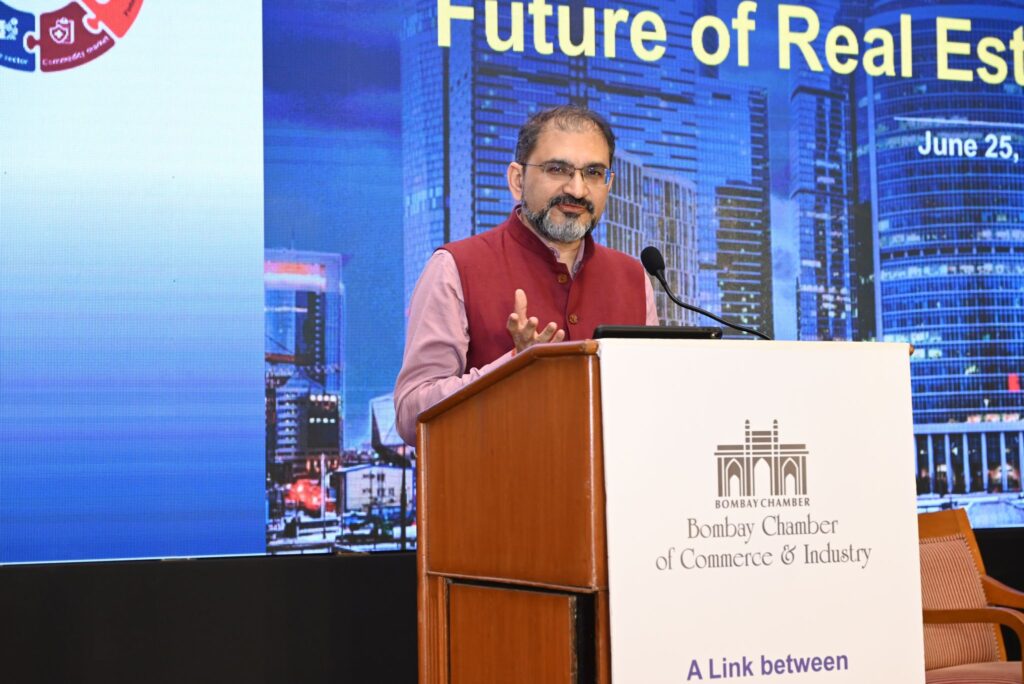
Shri Pramod Rao, Executive Director at SEBI, delivered a special address at the REITS – Asset Tokenisation Conclave 2025, focusing on the regulatory perspective of fractional ownership and tokenisation in real estate. He made a clear and nuanced distinction between regulated products such as REITs and unregulated financial innovations like tokenised real estate, emphasizing the importance of thoughtful differentiation between these instruments.
Key points from his address include:
- SEBI is open to learning from sandbox approaches and pilot projects as a way to foster innovation while carefully managing risks. These regulatory sandboxes allow testing of new models under supervision before full-scale implementation.
- SEBI’s primary focus remains on investor protection, ensuring that regulations safeguard public interest while encouraging market growth.
- He highlighted the substantial potential for monetizing government and municipal assets, viewing technology and regulatory cooperation as key enablers to bridge investment gaps.
- Shri Rao noted the differentiated approach SEBI applies to REITs, INVITs, and emerging tokenised models, with the total value of REITs and INVITs already exceeding the corpus of active Alternative Investment Funds (AIFs), illustrating the sector’s rapid growth.
- His remarks underscored the importance of risk governance and the need for balanced regulatory frameworks that promote innovation while mitigating financial crime, operational risk, and market abuse.
Shri Pramod Rao conveyed SEBI’s cautious yet optimistic stance toward real estate tokenisation and fractional ownership, advocating for a responsible regulatory environment nourished by collaboration, innovation, and robust investor safeguards.
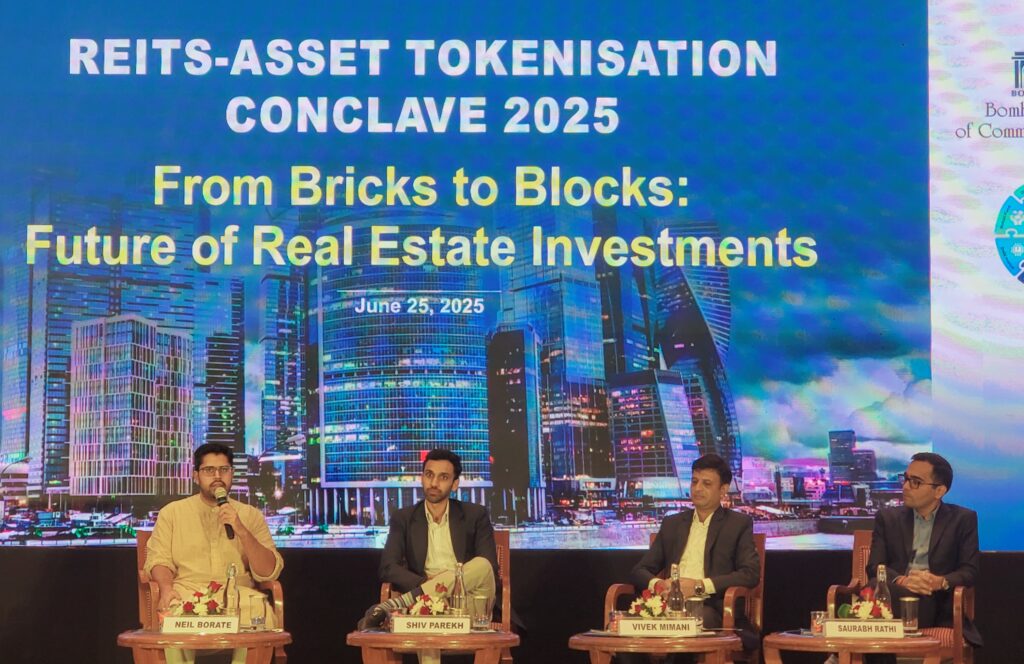
The first panel at the REITS – Asset Tokenisation Conclave 2025, moderated by Neil Borate, Deputy Editor of LiveMint, featured Shiv Parekh (Founder & CEO, hBits), Vivek Mimani (Partner, Investment Funds Practice Group, Khaitan & Co), and Saurabh Rathi (Managing Director & Co-Head of Real Estate, Motilal Oswal).
The discussion focused on key market triggers such as the need for faster licensing processes, simplified regulatory frameworks, and enhanced investor education to drive adoption.
The panel highlighted fractional ownership as a scalable model that can broaden access to institutional-grade real estate, making it available to a wider range of investors including retail and mid-tier players.
They emphasized the importance of platform credibility, noting that investor confidence will strengthen when platforms demonstrate clear skin-in-the-game mechanisms and robust governance frameworks.
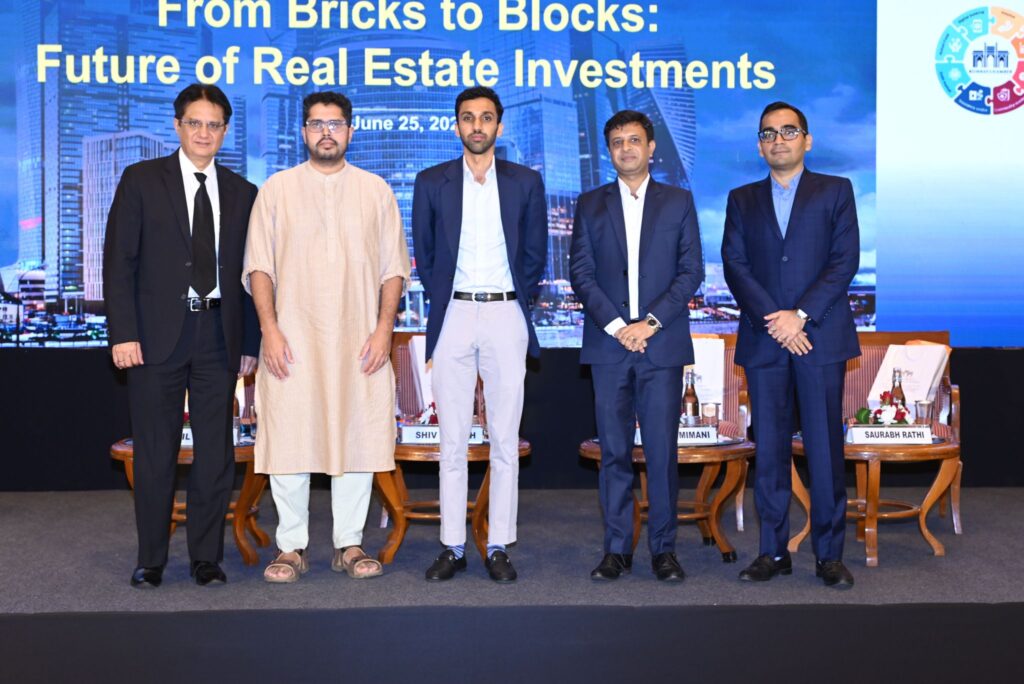
The panel explored the current landscape and future potential of fractional ownership and Small & Medium (SM) REITs.
The panel underscored the critical need for evolving governance standards and trust-building mechanisms to ensure transparency, risk mitigation, and investor protection in these emerging investment models.
Overall, the panel concluded that fractional ownership and SM REITs are key to unlocking the next phase of real estate investment growth by making it more inclusive, liquid, and trustworthy.
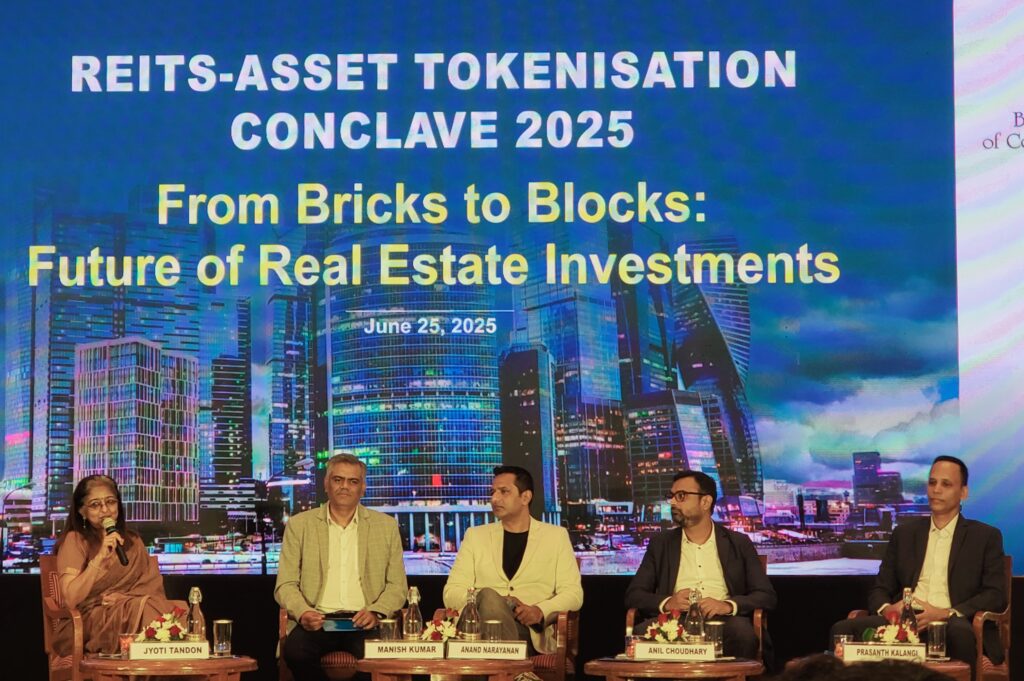
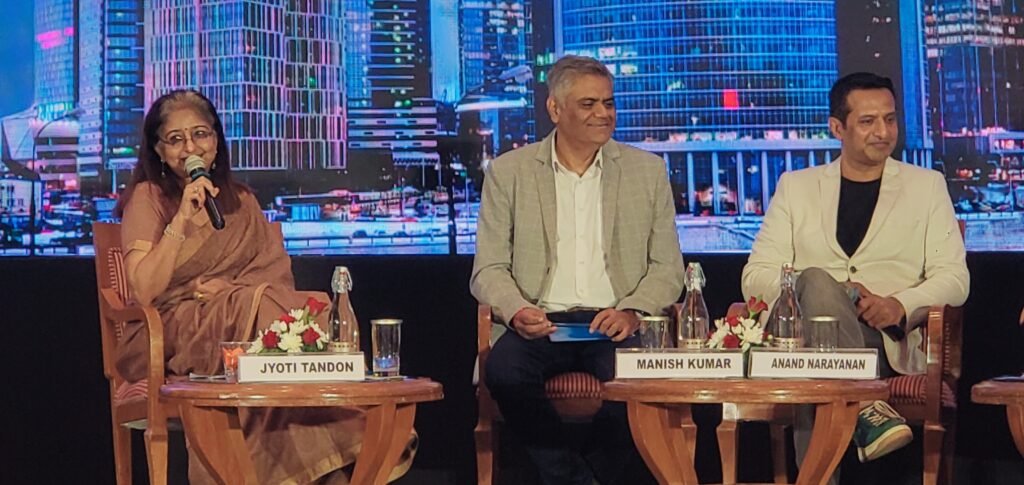
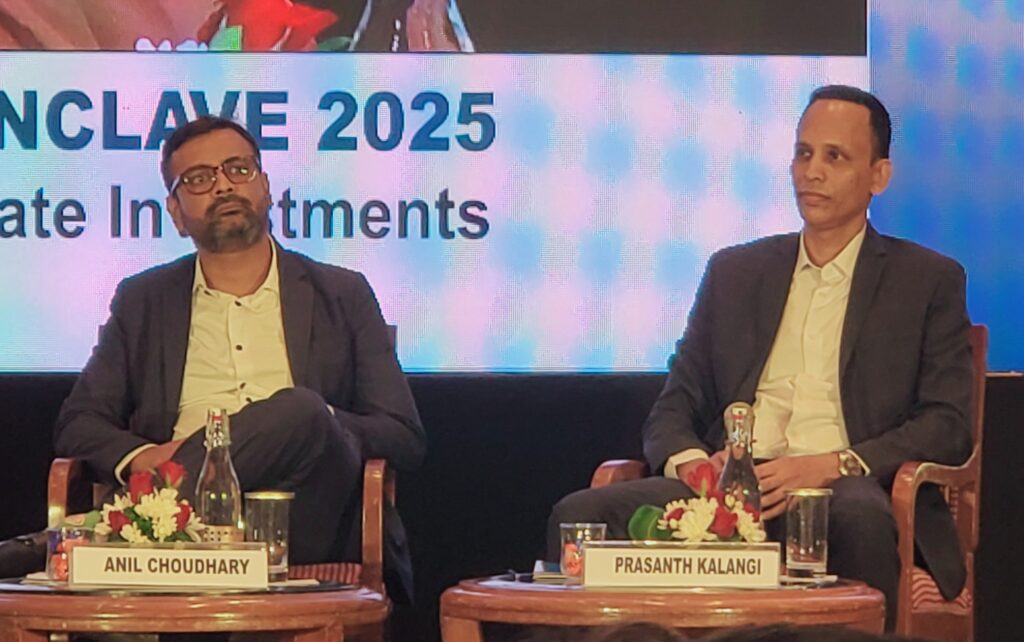
The second panel at the REITS – Asset Tokenisation Conclave 2025, moderated by Jyoti Tandon of FinCrimeExpert, featured experts Manish Kumar (RealX), Anand Narayanan (Alt DRX), Prasanth Kalangi (Zoniqx), and Anil Choudhary (Finsec Law Advisors), who examined the technological, financial, and legal layers of real estate tokenisation.
Key Themes:
Technology Stack: The panel emphasized smart contracts as foundational to real estate tokenisation, automating processes like ownership transfer, rental income distribution, and compliance checks with transparency and security. Blockchain enables an immutable, auditable ledger that builds investor trust.
Financial Implications: Tokenisation democratizes access to real estate by enabling fractional ownership, lowering entry barriers, and unlocking liquidity through secondary trading platforms globally.
Legal and Regulatory Frameworks: A compliance-first approach is necessary to navigate the evolving regulatory landscape, ensuring tokenised assets comply with securities laws and protect investors.
Interoperability and Scaling: The panel discussed the importance of interoperable platforms that can scale across jurisdictions and ecosystems, bridging technology with regulatory and legal requirements to support widespread adoption.
The discussion reflected a growing alignment between regulatory intent, legal architecture, and technological capacity, pointing to tokenisation as a powerful tool to unlock liquidity, transparency, and inclusion in real estate investment worldwide.
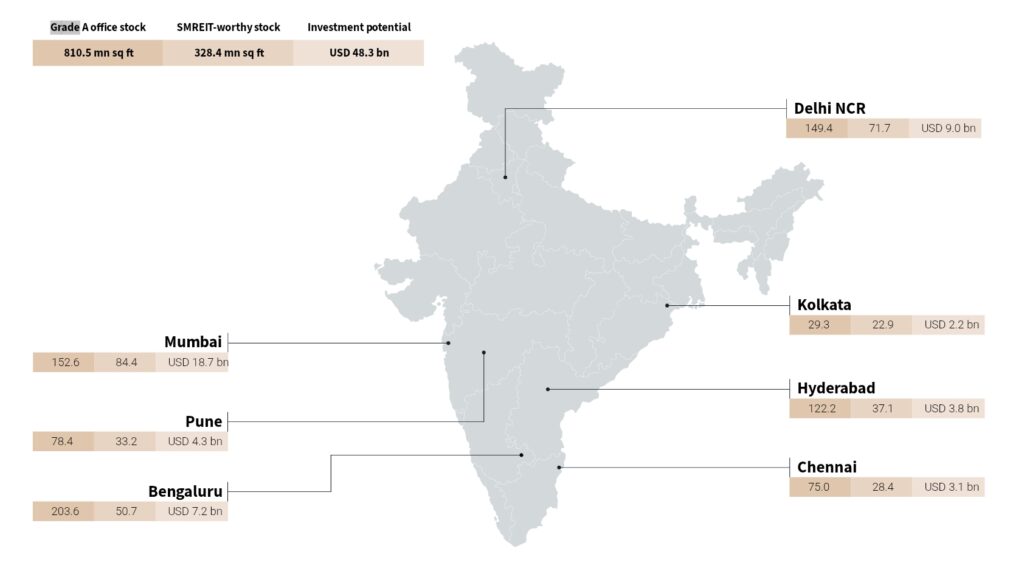
The current fractional ownership market, valued at approximately USD 500 million based on assets under management, holds significant potential for growth, according to JLL’s analysis. This market focuses on smaller, grade A office assets in India’s top seven cities, with an estimated worth of USD 48 billion. JLL predicts that the Micro, Small, and Medium Enterprise (MSME) REIT market will experience rapid growth, potentially surpassing USD 5.0 billion in assets under management (AUM) by 2030.
As the real estate fractional ownership market evolves, it is expected to reach USD 5 billion by 2030, representing a ten-fold increase from its current valuation. While initial regulatory compliance challenges are anticipated during the early stages of SM REIT implementation, these regulations are expected to streamline the process and drive growth in the MSME REIT market.
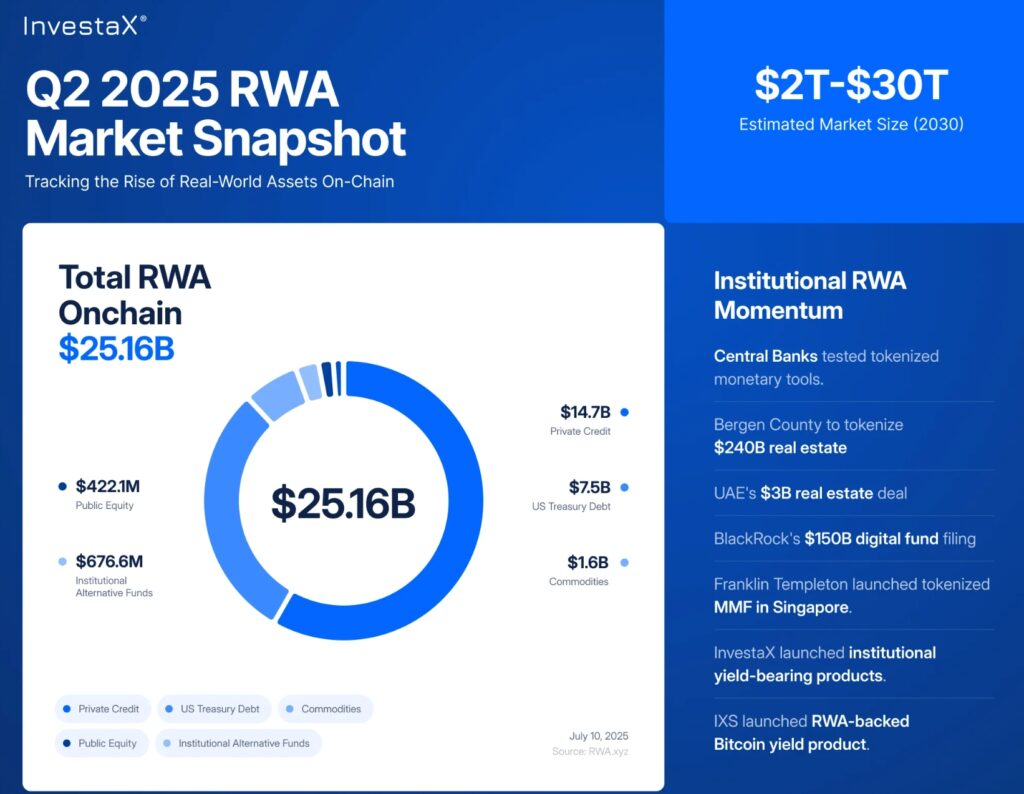
The tokenized Real-World Asset (RWA) market experienced remarkable growth, reaching over $25 billion in the second quarter of 2025. The surge was primarily driven by increased institutional demand for yield, transparency, and balance sheet efficiency, particularly within private credit, treasuries, and commodities. This represents a 245-fold increase from 2020 to 2025.
As a result of significant regulatory advancements across key jurisdictions and the widespread adoption of tokenization by central banks, governments, and digital exchanges, the market continues to mature. This progress highlights tokenization’s growing importance as a critical component of public financial infrastructure.