
COMMODITIES FOR ECONOMIC GROWTH
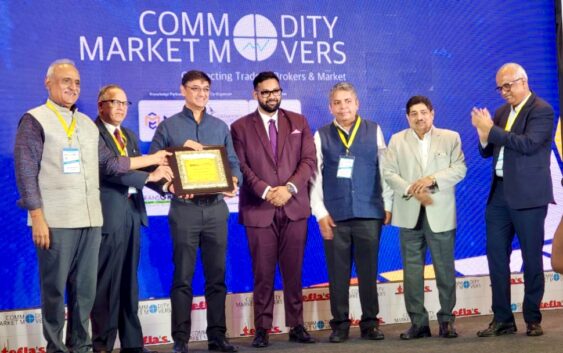

Tefla organized The Commodity Market Movers 2025, powered by MCQube as Knowledge Partner, held on 18th of July 2025 at The St. Regis Mumbai, provided a valuable platform for key stakeholders in India’s evolving commodity ecosystem to exchange critical insights, engage in strategic debates, and collaborate on setting directions for the future.
The event took place against the backdrop of India’s robust economic growth, with a projected GDP growth rate of around 6.3% in 2025. This growth is driven by factors such as domestic consumption and infrastructure investment. The discussions at the briefing covered various aspects of the commodity ecosystem, including market forecasts, investment opportunities.
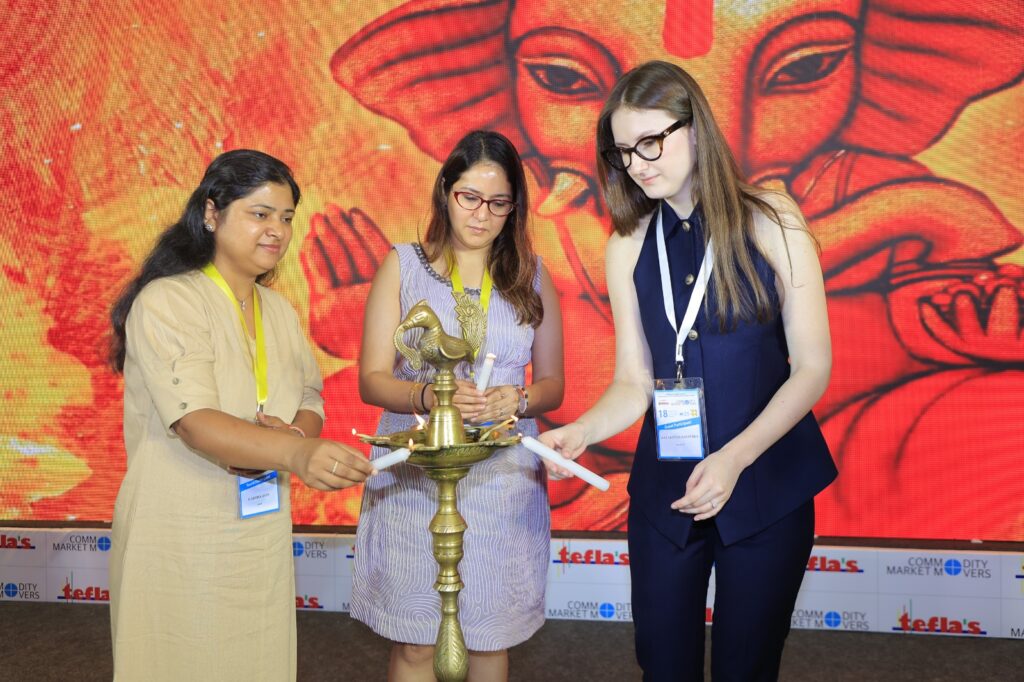
The event brought together a cross-section of India’s commodity trading ecosystem, including regulators, brokers, traders, investors, analysts, and policymakers, to deliberate on the future of commodity markets amid evolving regulations and economic priorities.

Overall, the Commodity Market Movers 2025, had investors looking to capitalize on the opportunities presented by India’s dynamic commodity landscape. By fostering collaboration and knowledge-sharing, the event contributed to shaping a more resilient, efficient, and stakeholder-beneficial commodity ecosystem in India.
The sessions provided a 360-degree view of the commodity landscape – from policy reforms to technology and market infrastructure – at a time when India’s commodity ecosystem is undergoing significant transformation.

Commenting on the initiative, Adil Singh, Director of Tefla’s said, “At Tefla’s, our mission has always been to identify critical pain points across industries and create meaningful platforms that drive solutions. Commodity Market Movers is a testament to this approach for the commodities sector. Through our diverse forums – including over 30 intellectual properties like Globoil – we continue to foster collaboration, accelerate industry growth, and contribute to India’s economic progress.”
As India’s commodity market evolves in line with global standards and domestic reforms, platforms like Commodity Market Movers are emerging as crucial forums for dialogue and policy advocacy between the industry and the government.

The conference drew support from NCDEX, Indian Gas Exchange (IGX), Waseda Global, IQN Data, Sunvin Group, National Bulk Handling Corporation (NBHC), Solvent Extractors’ Association of India (SEA), and others, underscoring the wide industry backing for the event.
Keynote speakers included, Sanjeev Sanyal, Member of the Economic Advisory Council to the Prime Minister of India, and S.K. Mohanty, former Whole Time Member of SEBI. Senior representatives from NCDEX, TransGraph Consulting, MEIR Commodities, S&P Global, and other institutions participated in discussions spanning agri-commodities, energy transition, metals and petrochemicals markets, and regulatory trends.
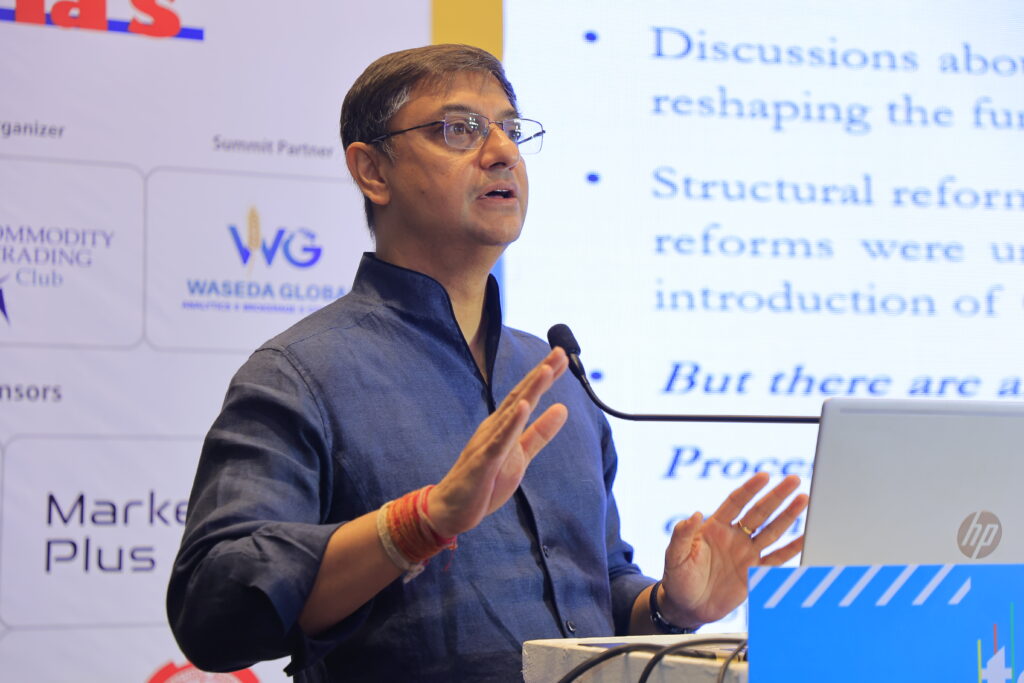
Sanjeev Sanyal’s, Member of the Economic Advisory Council to the Prime Minister of India, Opening Keynote at Commodity Market Movers 2025 – Bombay, July 2025, Session: Viksit Bharat 2047 & Commodity Growth Pillars, set a future-oriented tone for the session focused on India’s journey towards becoming a developed nation (Viksit Bharat) by 2047, integrating strategies for commodity sector growth.
On commodity markets, Sanjeev Sanyal, Member of the Prime Minister’s Economic Advisory Council (EAC-PM), said, “Commodity markets are very important. We need to develop more well-oiled machinery for this. The government is aware of these issues, and a lot of work is going into reforming them.”
The following are the key observations and themes from his keynote:
- Long-Term Growth Through Compounding:Sanyal stressed that India’s ascent to a developed nation hinges on steady, sustained growth rather than rapid, fragile expansion. He cited the “power of compounding” as the core principle—small but steady improvements in productivity, infrastructure, and efficiency will result in exponential transformation over decades.
- Commodity Sector Reform and Strategic Risk-Taking:He called for robust reforms in the commodity sector, advocating for transparent regulations, quality benchmarks, and market-driven innovation. Sanyal highlighted strategic risk-taking as critical for India’s growth, encouraging entrepreneurship and bold policy shifts that support commodity market modernisation.

3. Human-Centric Urban Infrastructure and Walkability:With a nod to urban design, Sanyal emphasized the necessity of walkable, accessible infrastructure in Indian cities. This, he argued, is crucial not just for public transport integration but for fostering vibrant economic and social activity—directly impacting commodities such as construction materials and energy use.
4. Cultural Confidence and Adaptive Thinking:Sanyal underscored the role of India’s rich cultural and maritime heritage in driving creative solutions for the future. By reviving traditional shipbuilding techniques and supporting adaptive, resilient thinking, he insisted India can forge a globally-recognised commodity sector that celebrates its unique strengths while embracing change.
5. Green Accounting and Sustainability Pillars:He spotlighted India’s leadership in valuing environmental and social capital through “green accounting,” urging the commodity sector to embed sustainability and responsible growth as foundational pillars. This position aligns with global trends and enhances India’s competitive edge in environmentally-sensitive markets.

Empowering the Next Generation:The keynote also called on young Indians to innovate and take calculated risks, positioning them to drive growth in the commodity sector through technology, digital platforms, and entrepreneurship.
Inclusive Growth and Regulatory Trends:Sanyal echoed broader conference themes around the need to balance inclusive prosperity with bold regulatory reforms, so that all segments—farmers, traders, and manufacturers—can benefit from India’s growth story.
Overall, Sanjeev Sanyal’s keynote was a blend of historical perspective, reformist energy, and vision for a resilient, human-centric, and sustainable commodity ecosystem as a foundation for Viksit Bharat 2047.

At the Commodity Market Movers 2025 held at St. Regis Bombay in July 2025, the session titled “Markets for Agri Commodities – Time for Reforms” brought together a distinguished panel: Atul Chaturvedi (Executive Chairman, Shree Renuka Sugars Ltd.), Arun Raste (MD & CEO, NCDEX), Madan Sabnavis (Chief Economist, Bank of Baroda), Sumit Gupta (Director, Waseda Global), Vidya Bhushan (Managing Director, Bunge), and Garima Jain (Deputy CEO, LDC).
Atul Chaturvedi underscored the pressing need for regulatory reform in India’s sugar sector. He advocated raising the minimum selling price and revising ethanol rates upward to ensure the sector’s viability and propel the national ethanol blending target forward, India achieve its 20% ethanol blending target. He noted that domestic sugar consumption continues to decline, driven by changing dietary patterns and alternatives, and highlighted that sector reforms remain essential for price stability and competitiveness in the global marketplace. Chaturvedi expects the coming crop season to be stronger, with early crushing and disciplined government allocations supporting stability. He underscored the need for modernization, exploring alternative sweeteners, and improving market discipline to maintain price stability.
Sandeep Bajoria discussed the evolving regulations and oversight in edible oils. He highlighted the importance of new draft regulations to manage imports, production, and stock sales more efficiently. Bajoria predicted steady imports through September to support supply and meet demand during festivals. He stressed aligning domestic policies with global quality standards and market trends to boost efficiency and price stability.
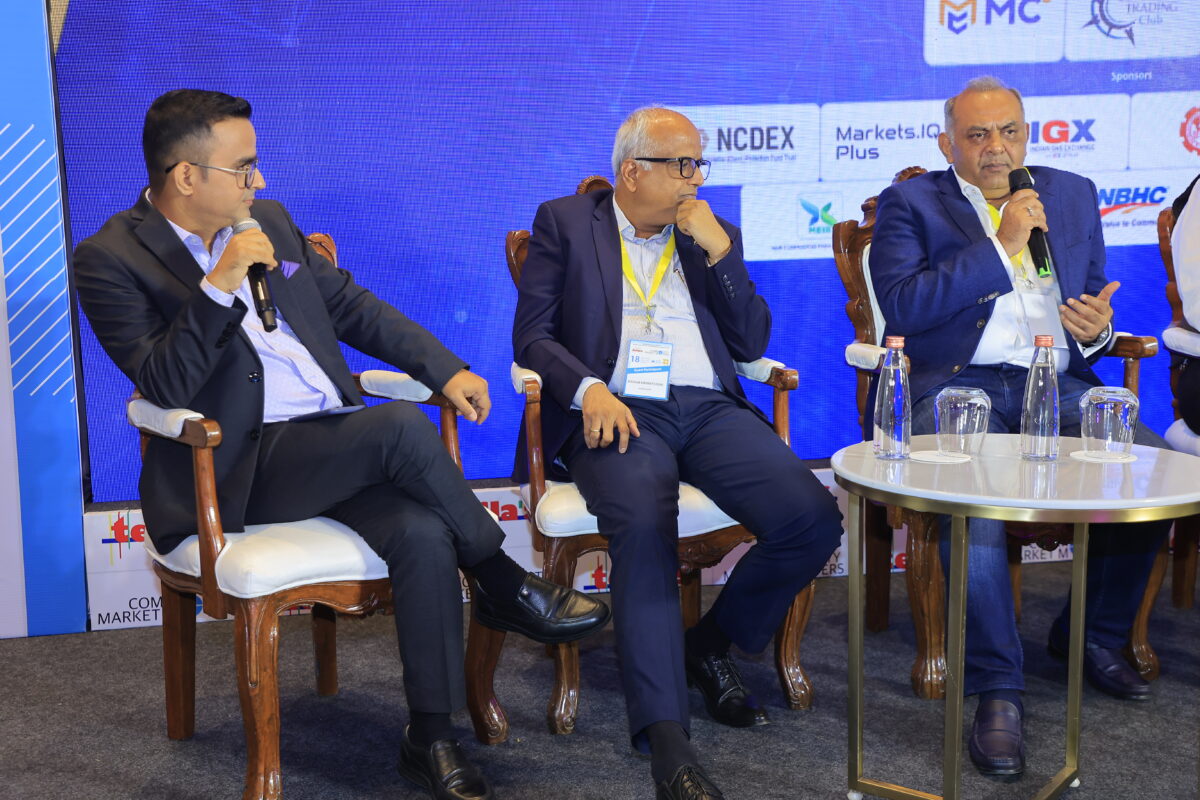
Garima Jain advocated for modernization across all agricultural commodities through stricter quality standards, upgraded logistics infrastructure, and enhanced digital technologies to increase transparency and access. She stressed inclusive growth, focusing on policies that empower women, youth, farmer-producers, and rural entrepreneurs into the commodities ecosystem, arguing that reforms need to foster broad-based prosperity and sustainable farming practices.
Arun Raste brought an exchange perspective to the session, sharing insights into how reforms and the addition of new commodities for trading can help India’s agri markets. He outlined NCDEX’s plans to seek approval for trading 15 new commodities—including daily household staples—which will widen market participation and improve price discovery. Raste reflected on the impact of trading bans on seven major agricultural commodities, emphasizing that widening trading access is crucial for volume expansion and transparent competition. He reaffirmed the exchange’s long-term commitment to innovation, technology adoption, and serving market participants through enhanced delivery, service quality, and risk management.

Kedar Deshpande addressed the significant impact of regulatory suspensions on commodity trading. He noted that bans on seven major agri commodities, first imposed in December 2021 and extended through March 2026, have disrupted price discovery, risk management, and market vibrancy for farmers and other stakeholders. Deshpande urged reinstating dedicated commodity regulation and reducing compliance burdens to revive the market. He highlighted NCDEX initiatives that onboarded thousands of Farmer Producer Organizations (FPOs), enhancing transparency and providing risk management tools. He also called for diversifying product offerings to include more agri and non-agri derivatives, fostering collaboration among exchanges, brokers, regulators, and FPOs to unlock growth potential.
Madan Sabnavis contributed a macroeconomic viewpoint, stressing the importance of robust risk management practices and transparency. He argued that regulatory reforms must go hand in hand with improved physical and digital infrastructure, deeper market access for FPOs and small producers, and consistent data-driven approaches to policy.

Sumit Gupta and Vidya Bhushan shared global perspectives on agri trading, advocating for harmonization of Indian standards with international benchmarks to enable more seamless exports and imports. Gupta emphasized the value of integrated logistics and real-time data, while Bhushan highlighted the role multinational players like Bunge can play in making Indian agri commodities more competitive and resilient.
The panel reached a strong consensus on the urgency for regulatory and policy reforms- spanning regulatory modernization, deepening market access, technology upgrades, and global competitiveness, to revive the agri commodity sector, aiming for market modernization, increased inclusivity, enhanced transparency, and sustainability. The discussions underscored a shared vision of transforming India’s agricultural commodity markets into a modern, resilient, and equitable and vibrant agri commodity ecosystem, driving growth towards the vision of Viksit Bharat 2047. The session reflected optimism and a shared commitment to build a resilient, inclusive.

At the Commodity Market Movers 2025 held at St. Regis Bombay in July 2025, Nagaraj Meda, Managing Director of Transgraph Consulting Pvt. Ltd., presented a thorough analysis of the petrochemicals market, addressing critical industry trends, opportunities, and risks.
Meda noted that India’s petrochemical industry stands at a pivotal crossroads, with market potential estimated at over $35–37billion and surging demand from downstream sectors such as agrochemicals, surfactants, and construction chemicals. Despite this momentum, a persistent feedstock bottleneck—especially in intermediates like propylene, ethylene, and toluene—is hampering further growth and limiting domestic production capacity. He flagged the need for strategic expansion in cracking capacity, investments in alternative feedstock routes (like propane dehydrogenation and bio-based sources), and robust R&D-led innovation to keep pace with global market leaders.

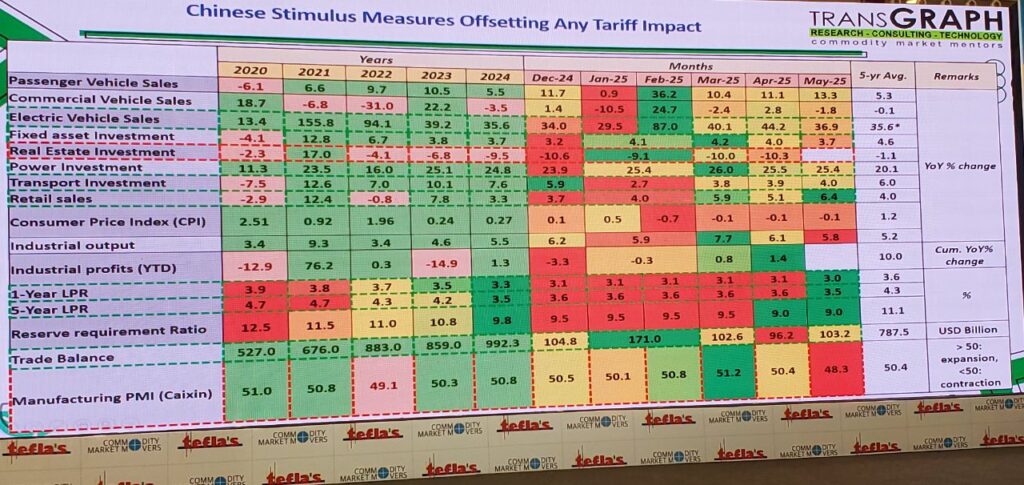
Highlighting global dynamics, Meda observed that India faces a disadvantage in feedstock supply compared to countries like China and the U.S., largely because of continued reliance on imported crude oil and natural gas and limited domestic integration. The sector is challenged by cyclical profitability—after a peak in 2022–2023, margins have compressed due to global overcapacity and dumping. However, the medium-term outlook is positive, with expectations of margin recovery by 2028–2030 and large-scale investments under government initiatives like PCPIR and the Production Linked Incentive scheme.

A recurring theme in Meda’s analysis was the importance of structural reforms. He called for policy alignment, such as rationalizing import duties on building blocks and finished products, and greater integration between refineries and petrochemical complexes. Meda emphasized that true self-sufficiency must be built around “feedstock smarts” rather than mere abundance, advocating for innovative technologies and improved trade strategies to reduce the sector’s trade deficit, which stood at nearly $22billion last year.
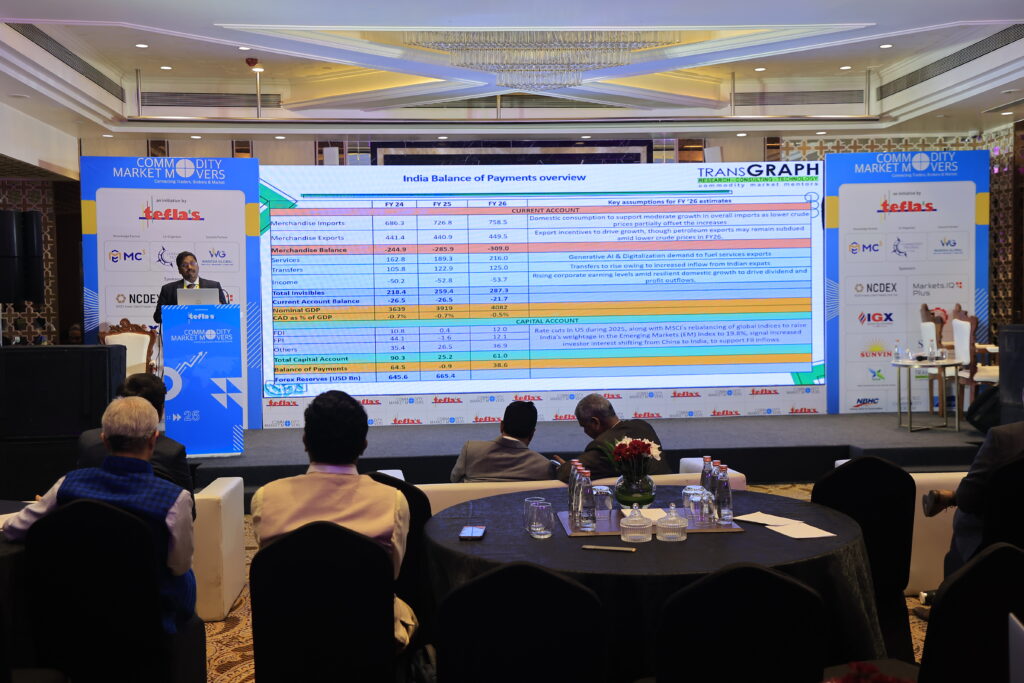
Furthermore, Meda underscored the urgency of expanding cracking and downstream capacities to meet growing domestic demand and capture opportunities in specialty chemicals. He recommended leveraging alternative feedstock routes, investing in collaborative R&D, and exploring joint ventures, particularly in high-growth segments like agrochemicals, surfactants, and plasticizers.
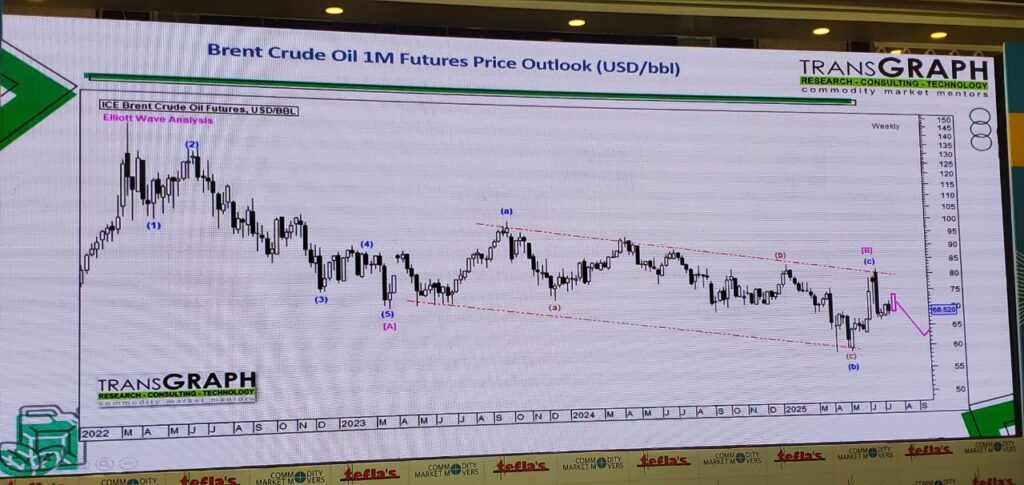
In summary, Nagaraj Meda’s session highlighted that while India’s petrochemicals market is well-positioned for expansion, success will depend on resolving feedstock challenges, policy reform, technology upgrades, and aggressive capacity additions. These factors will be instrumental in unlocking the sector’s full potential and in charting a competitive future for India in the global petrochemicals landscape.

At the Commodity Market Movers 2025 at St. Regis Bombay in July 2025, the fireside chat between SK Mohanty (Ex Whole Time Member, Securities Exchange Board of India) and Mrugank Paranjape (Managing Partner, MCQube) delivered a deep dive into India’s regulatory journey and future opportunities for commodity markets.
Mohanty and Paranjape reflected on the historic consolidation of commodity regulation: the merger of the Forward Markets Commission (FMC) with SEBI established a unified, globally benchmarked framework for commodity derivatives in India. This transition enabled harmonization of commodity and securities market oversight, leading to stricter risk management protocols, fair trading practices, and increased market transparency. Mohanty recounted the process reforms and the need for continuous regulatory evolution to keep the markets resilient and adaptive in times of volatility.
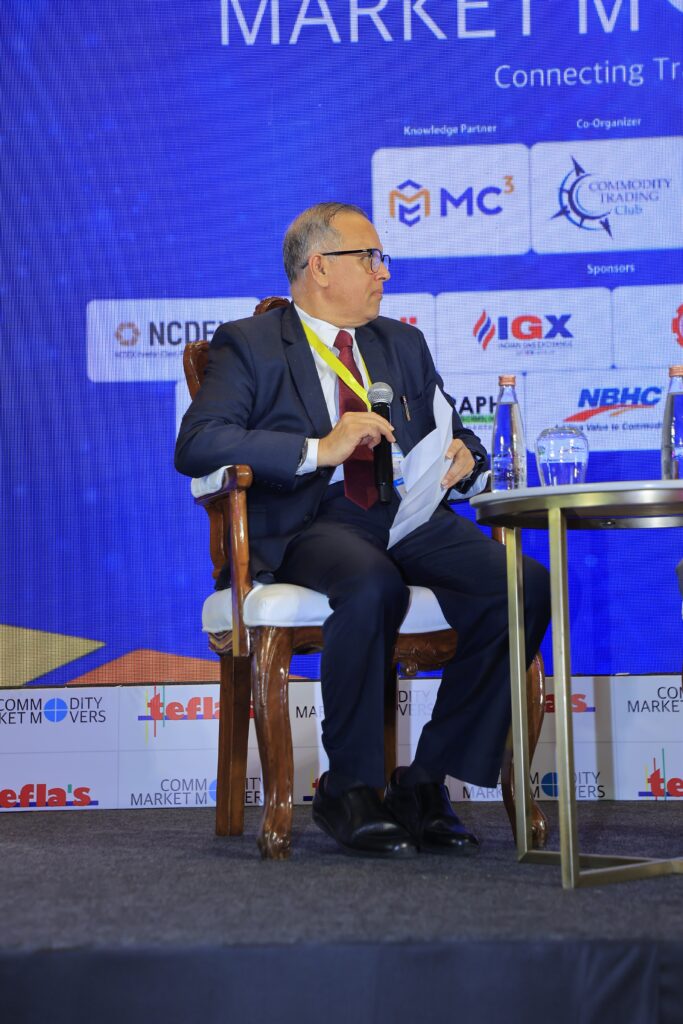
A key focus of their conversation was the expansion of post-trade infrastructure and the introduction of innovative product offerings. Paranjape highlighted the transformative impact of recent regulatory initiatives such as the inclusion of new derivative contracts, index trading, and participation by institutional investors like Mutual Funds and Portfolio Management Services. These changes are seen as catalysts for deepening liquidity and broadening market access.
Both speakers agreed on the urgency of increasing transparency and empowering small market participants—including Farmer Producer Organizations, brokers, and individual traders—through education and trust-building measures. They discussed benchmarking India’s exchange ecosystem against major global players, advocating the need for a regulator-industry partnership to foster innovation and inclusivity.
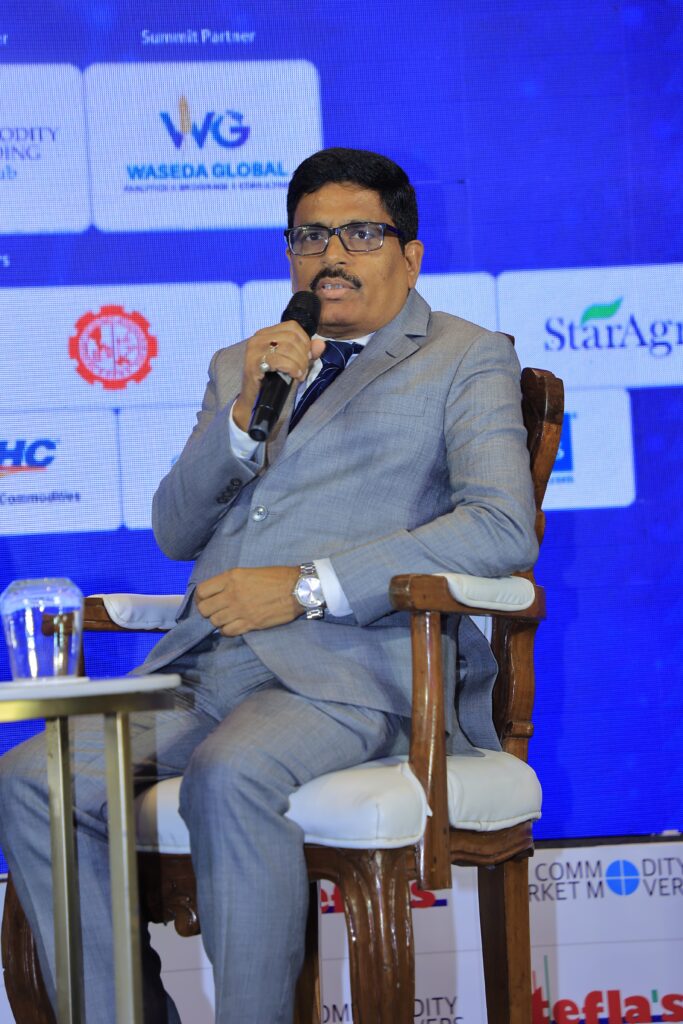
The chat also emphasized that robust investor protection, ongoing risk education, and forward-looking supervision are crucial in India’s journey to becoming a global price-setter. As regulatory boundaries shift, Mohanty and Paranjape stressed the importance of balancing oversight with entrepreneurial autonomy, ensuring that new reforms drive healthy expansion, systemic resilience, and market vibrancy for years to come.
