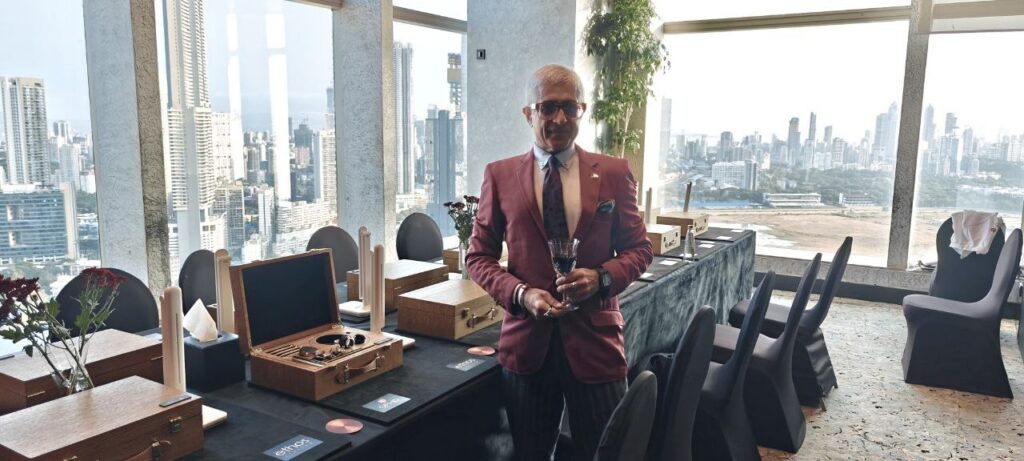
GPHG IN BOMBAY, SERENDIPITY EVENING


The Grand Prix d’Horlogerie de Genève 2026 made its global debut in Mumbai — a first for the World Tour — bringing 78 exceptional timepieces from over 50 of the world’s most revered watchmakers to the luxurious St. Regis, Bombay.
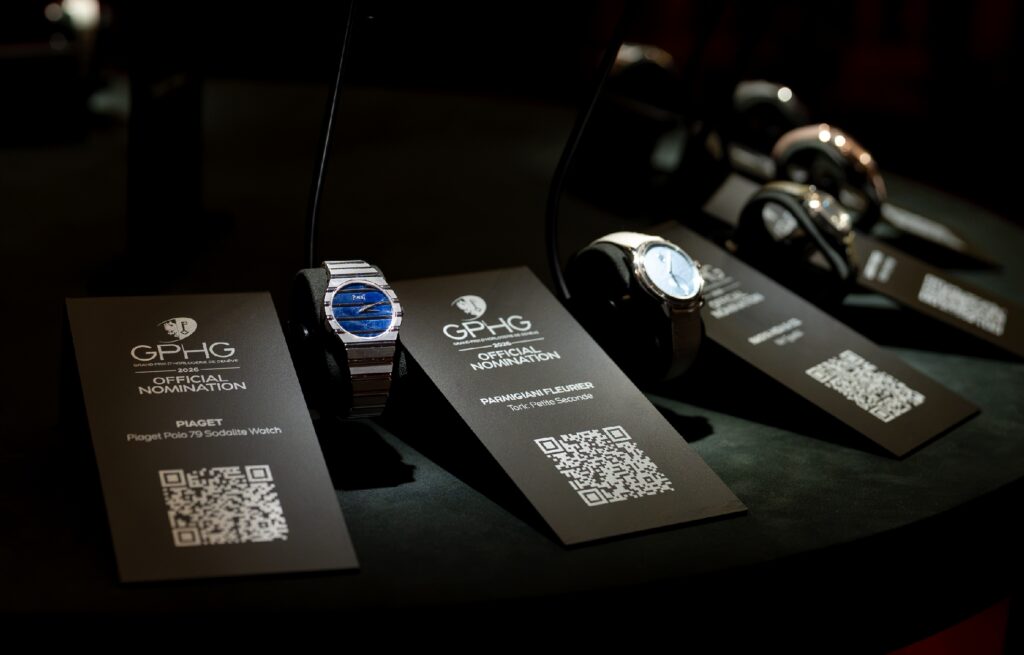
Curated by Ethos Limited, the exhibition wasn’t just about showcasing nominees; was an invitation to experience the artistry and craftsmanship behind each piece, with immersive interactions designed for both seasoned collectors, connoisseurs and curious admirers. This stop sets the tone for the year, celebrating innovation and tradition in equal measure.
The 2026 prize-winners will be announced on Saturday 7 November 2026 at the official awards ceremony, held at the Bâtiment des Forces Motrices in Geneva and livestreamed on gphg.org.
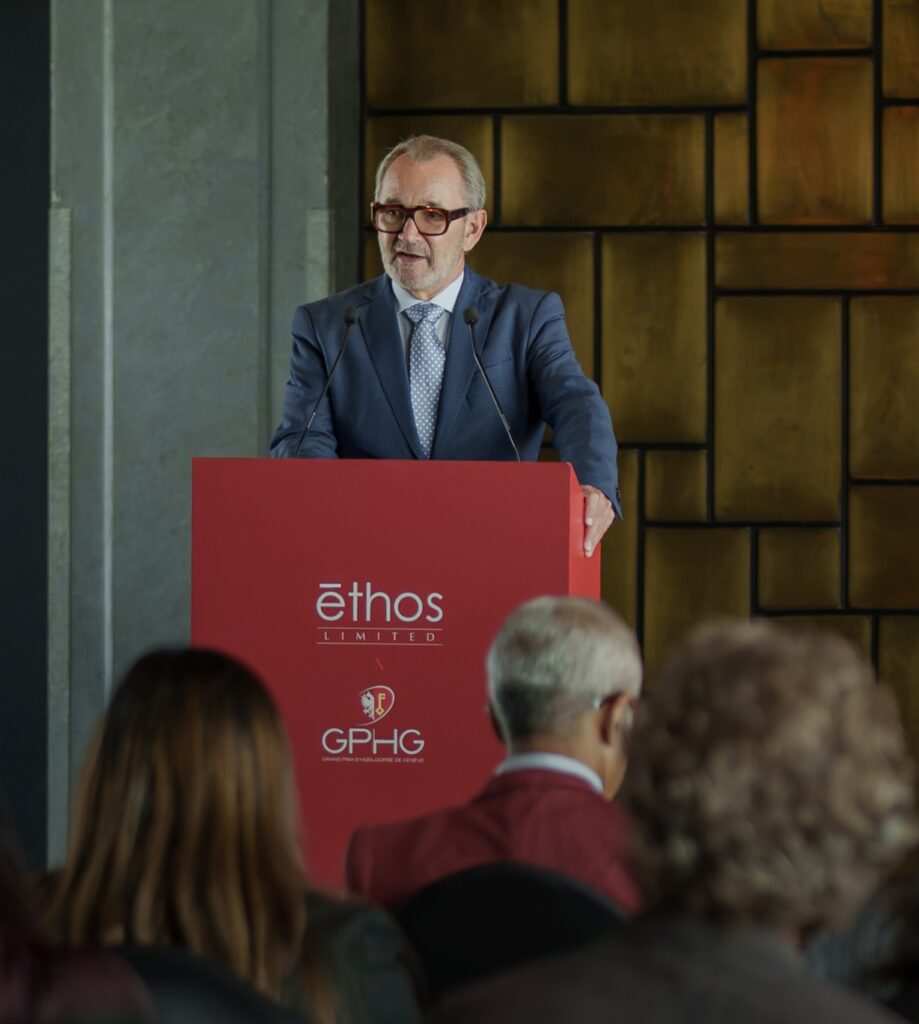
Raymond Loretan, President of the GPHG Foundation: “With its millennia-old cultural heritage and unique relationship with the art of timekeeping, India is playing an increasingly significant role on the global watchmaking scene. Kicking off our 2026 tour in Mumbai holds obvious significance. Together with Ethos Limited, we are continuing the GPHG’s mission: to showcase the richness of contemporary watchmaking, to share and celebrate its culture, as well as to build bridges between skills, sensibilities and passionate enthusiasts from around the world.”
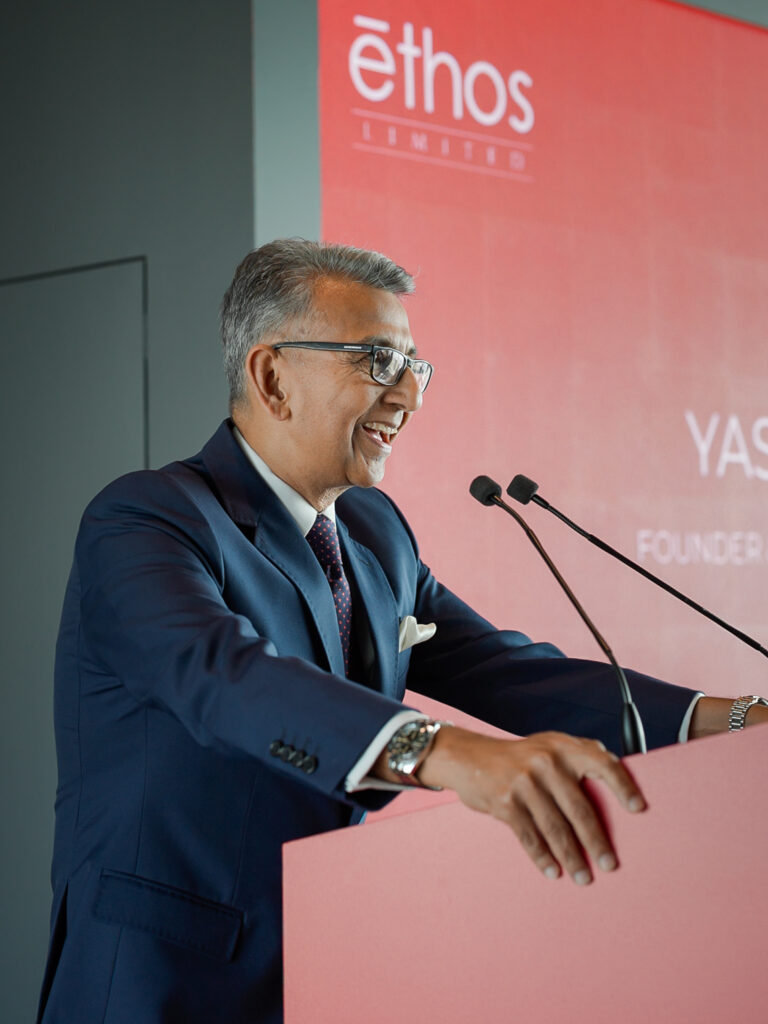
Mr. Yashovardhan Saboo, Founder & Chairman of Ethos Limited: “We are truly delighted and proud to partner with the GPHG in bringing the 2026 exhibition of nominated timepieces to Mumbai. India has emerged as one of the world’s most exciting and fast-growing markets for fine mechanical watches, with a passionate and rapidly growing community of collectors and enthusiasts. This exhibition is a wonderful opportunity to bring people closer to the remarkable creativity, craftsmanship and savoir-faire behind fine watchmaking, and to share the fascination and joy that mechanical watches bring—not only as treasured collectibles, but as objects to be experienced, worn and enjoyed.”
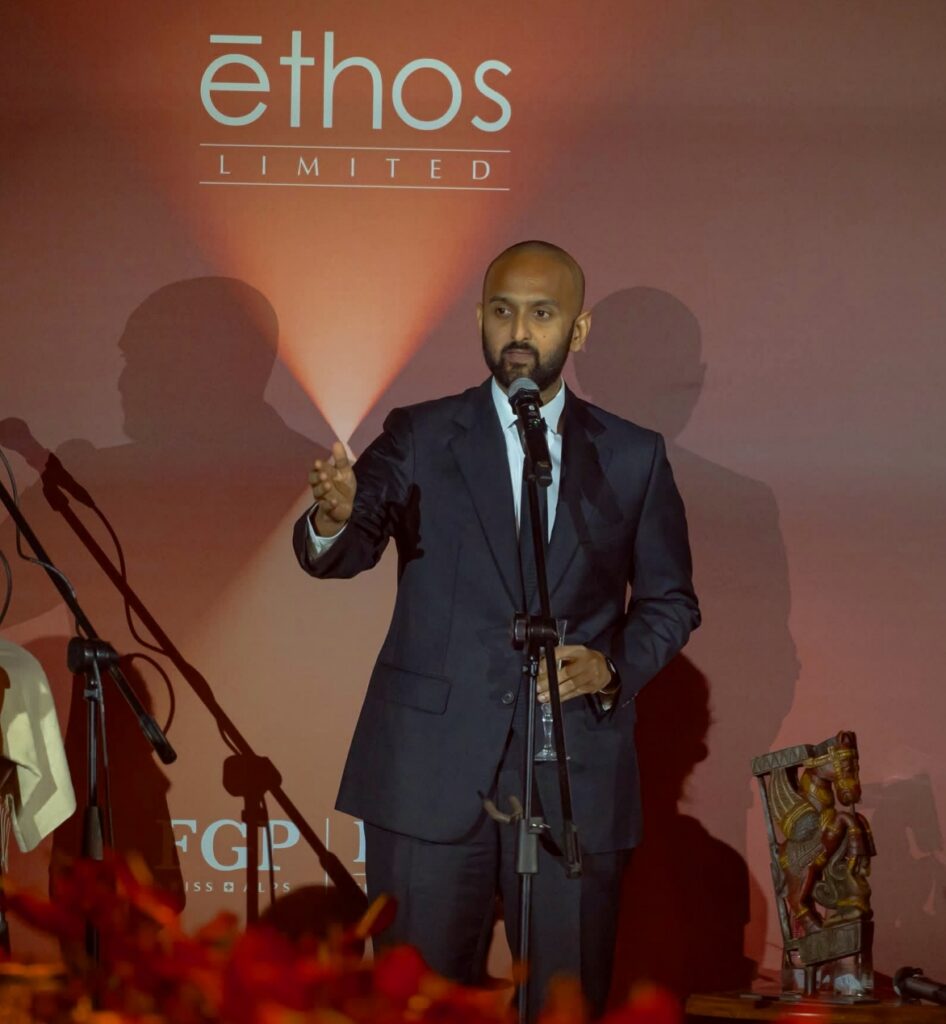
Pranav Saboo, Managing Director and CEO of Ethos Limited, who has joined the 2026 GPHG Jury, said: “Bringing the GPHG back to India, and to Mumbai this time, has been particularly meaningful for us. The response from the watch community reinforces the depth of appreciation for contemporary watchmaking in India. Beyond presenting exceptional timepieces, the exhibition gave collectors, enthusiasts and newcomers an opportunity to engage with the craft, creativity and technical mastery that define fine watchmaking. As a member of the GPHG Jury this year, it has also been a privilege to see this extraordinary level of watchmaking from a closer perspective, and to bring that experience back to the Indian community.”

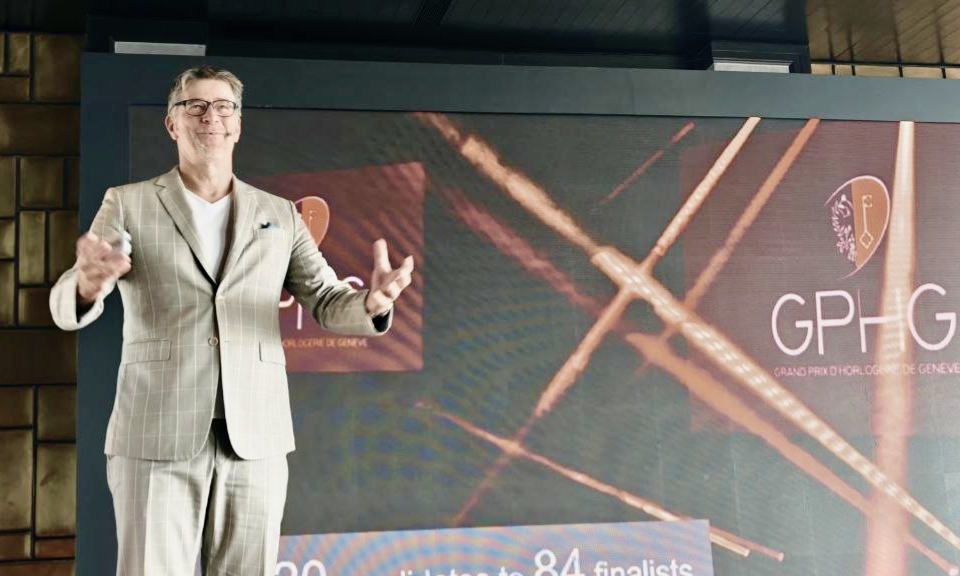
Gianfranco Ritschel brought real depth to the Mumbai leg of the GPHG World Tour — not just as a speaker, but as a co-host alongside Ethos Limited and GPHG President Raymond Loretan. His sessions weren’t surface-level overviews; they were deep dives into how watch collecting has evolved globally, the precision behind this year’s nominated pieces, and the engineering leaps that make them stand out.
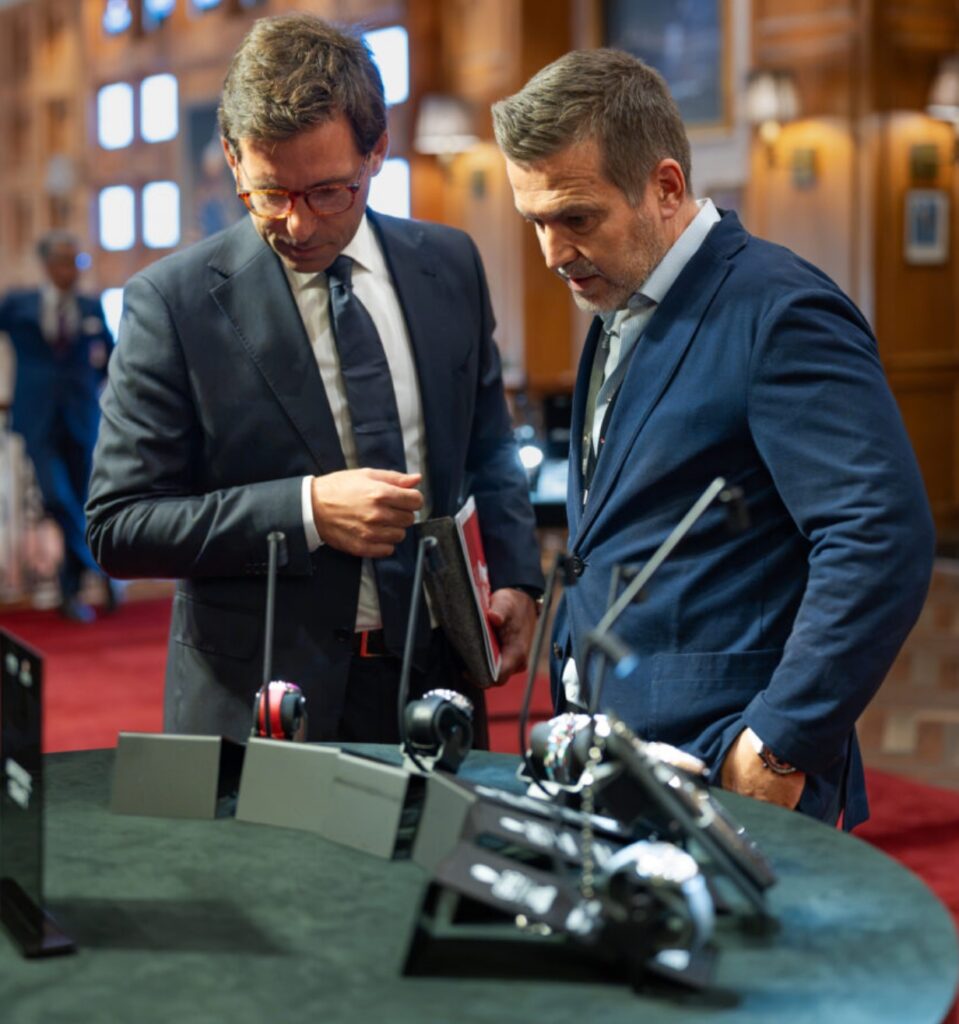
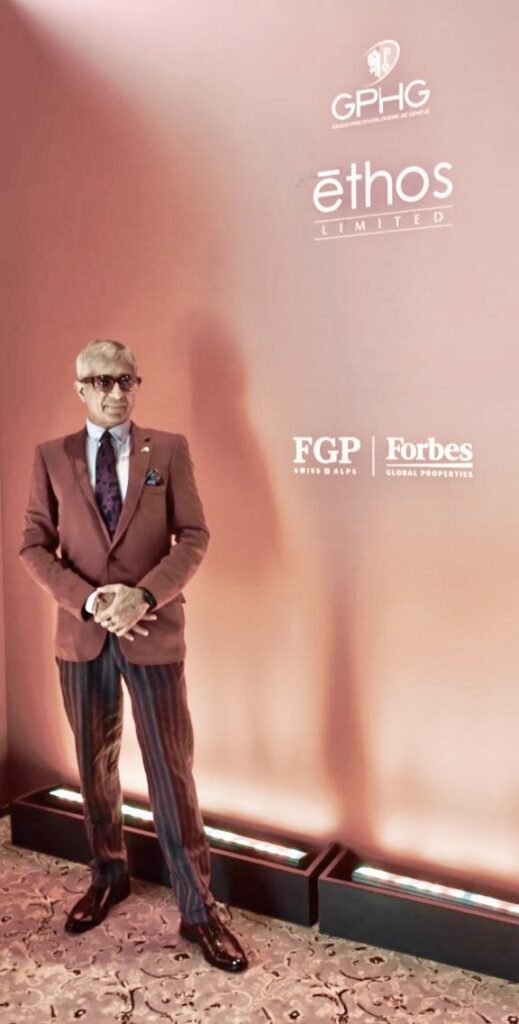
It was truly a privilege to see the GPHG collection in Mumbai — 78 masterpieces, each a testament to the artistry and precision that defines fine watchmaking. The way they brought together such distinct designs and complex complications must have made for a deeply engaging experience. GB Bajaj
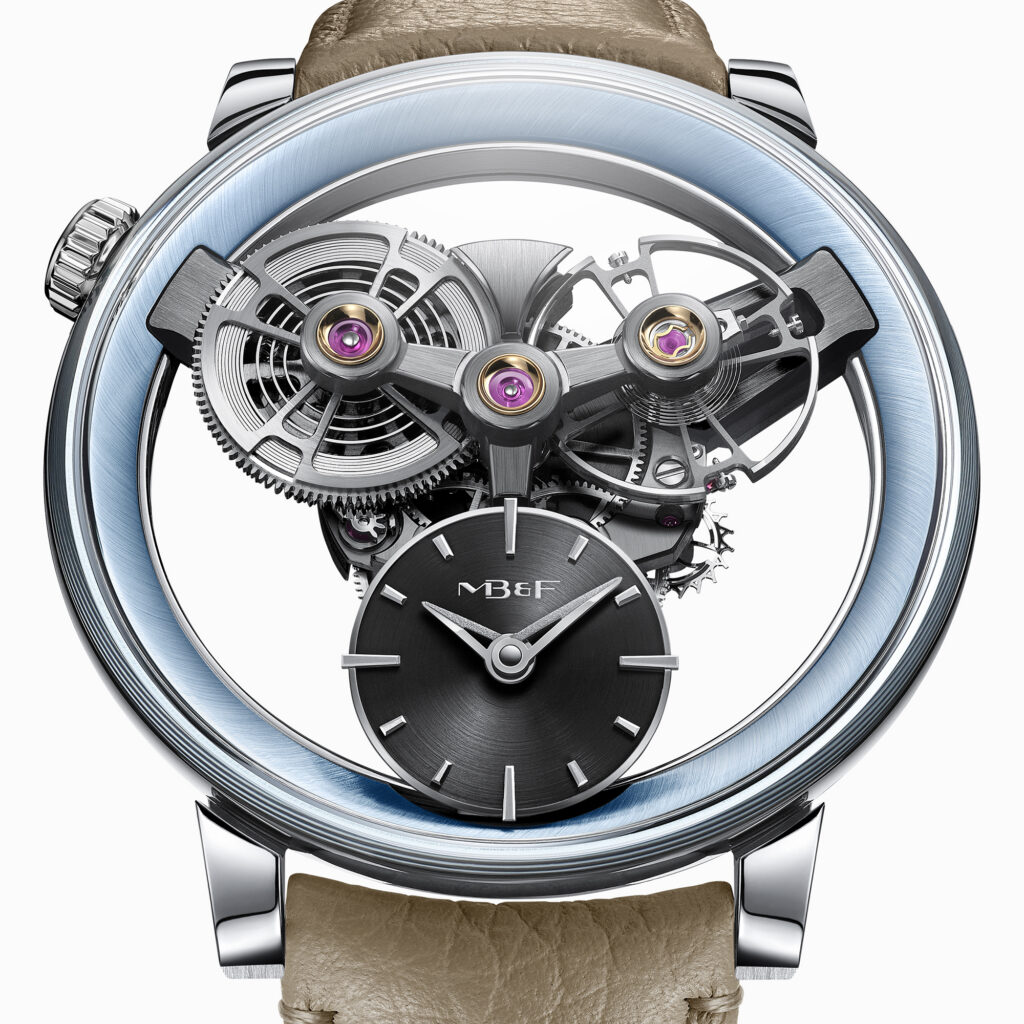
The SP One is a quiet revolution — born from MB&F’s “Three Circles” concept, where the barrel, balance, and dial seem to float in mid-air, suspended in a sapphire amphitheatre. It’s not just about transparency; it’s about reimagining how a watch occupies space.
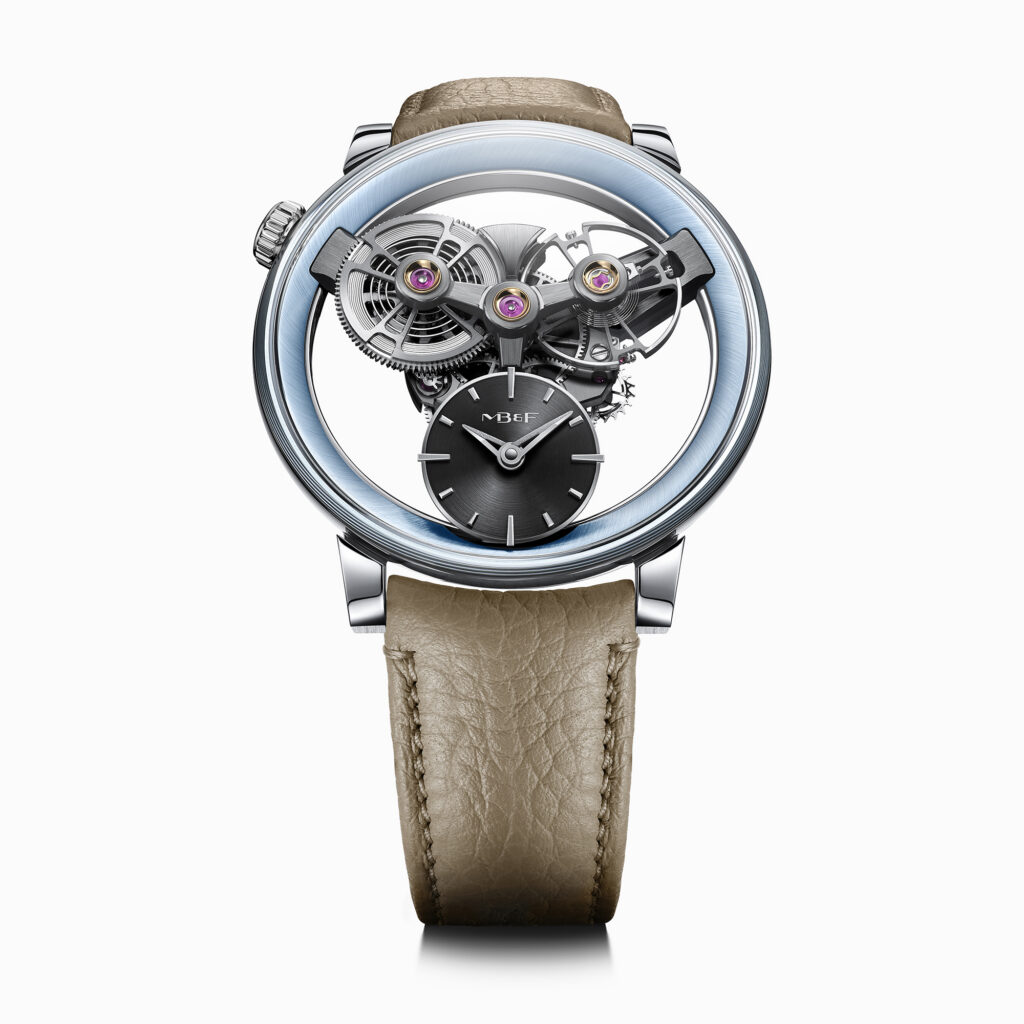
The 38mm pebble-like case, with its seamless lugs and no bezel, makes it their smallest and slimmest yet, but it still carries that unmistakable three-dimensional drama. And that tilted dial, powered by conical gearing? It’s a subtle nod to the brand’s love of engineering that feels more like poetry than mechanics.
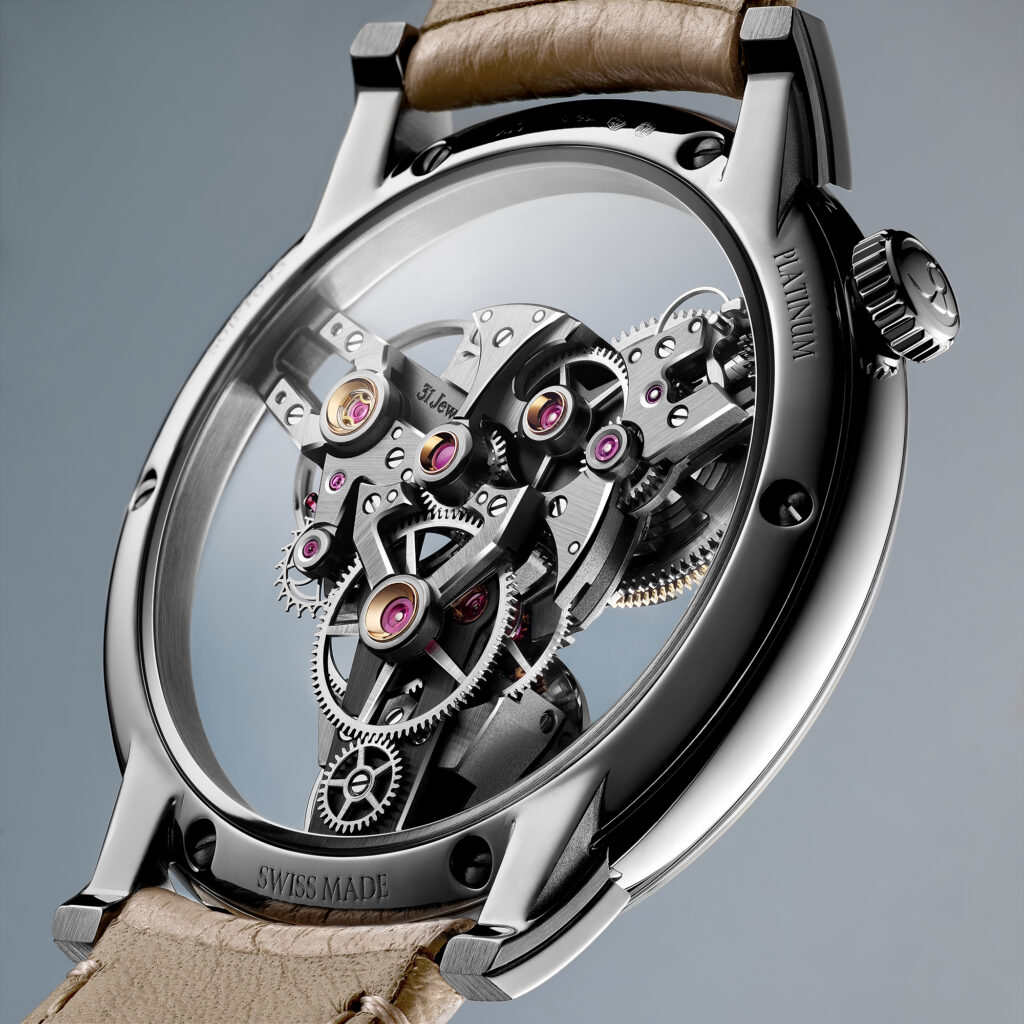
The SP One doesn’t just show its mechanics — it makes them feel weightless. By hiding most of the movement beneath the surface, MB&F lets the barrel, balance, and dial float like they’re suspended in air, each with the same outer diameter, which makes the symmetry all the more striking. That single barrel is held in place with such precision that it enhances the illusion, while the balance at 2 o’clock moves like something out of a sci-fi dream. And the dial — tilted just so — isn’t just for legibility; it’s a showcase of their mastery in conical gearing. It’s not just a watch, it’s a stage.
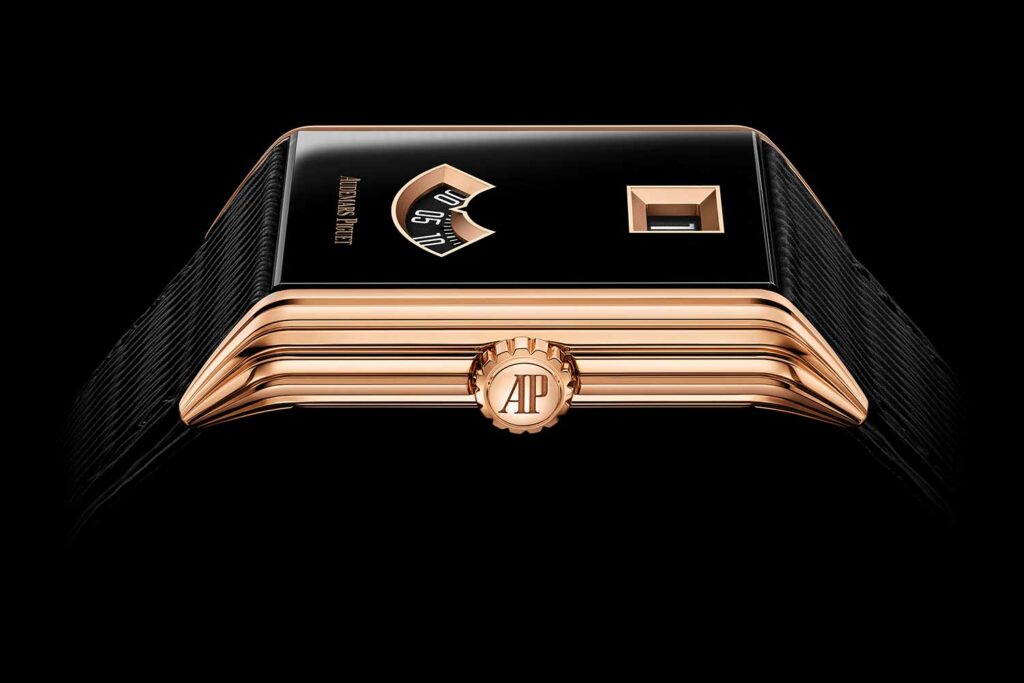
Audemars Piguet’s new Neo Frame Jumping Hour feels like a quiet revolution — a rectangular watch inspired by Streamline design, with vertical gadroons and a case that blends pink gold with sapphire for a look that’s both vintage and forward-thinking. At its heart is Calibre 7122, their first self-winding jumping hour movement, which gives it a crisp, modern rhythm.
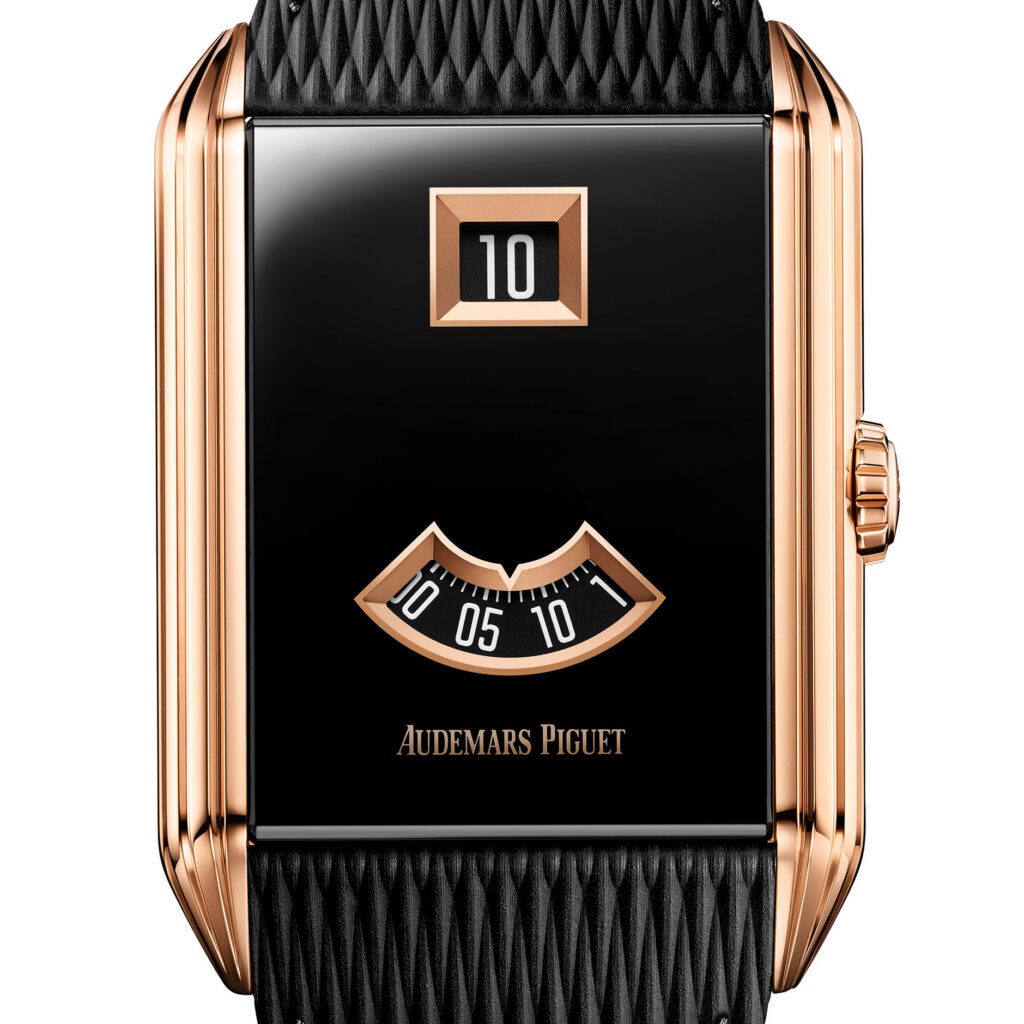
The dial’s digital-style hour jumps against a black PVD-treated sapphire backdrop, and even the strap gets a fresh motif, tying it all together. It’s not just a new model — it’s a new language for AP.
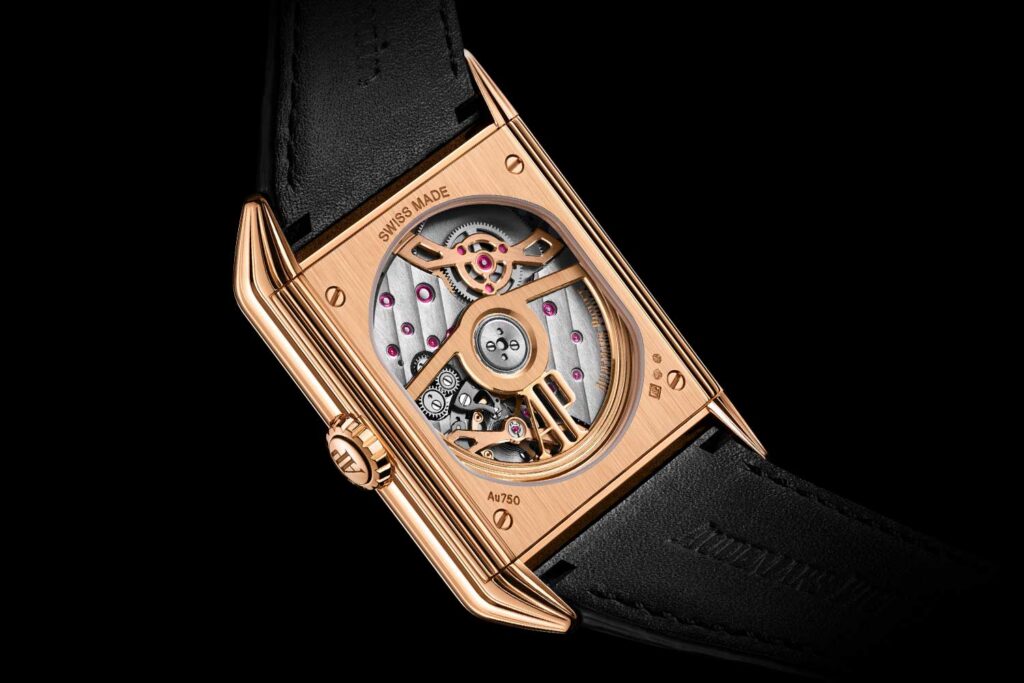
This new Neo Frame line feels like a bridge — rooted in the spirit of a 1929 original, yet reimagined with the precision of today. It’s not just about reviving 1930s design; it’s about reinterpreting it through modern engineering, from the case to the movement, all while keeping that hand-finished touch that only true craftsmanship can deliver. That balance — between heritage and innovation — is what makes it feel so distinctly Audemars Piguet.
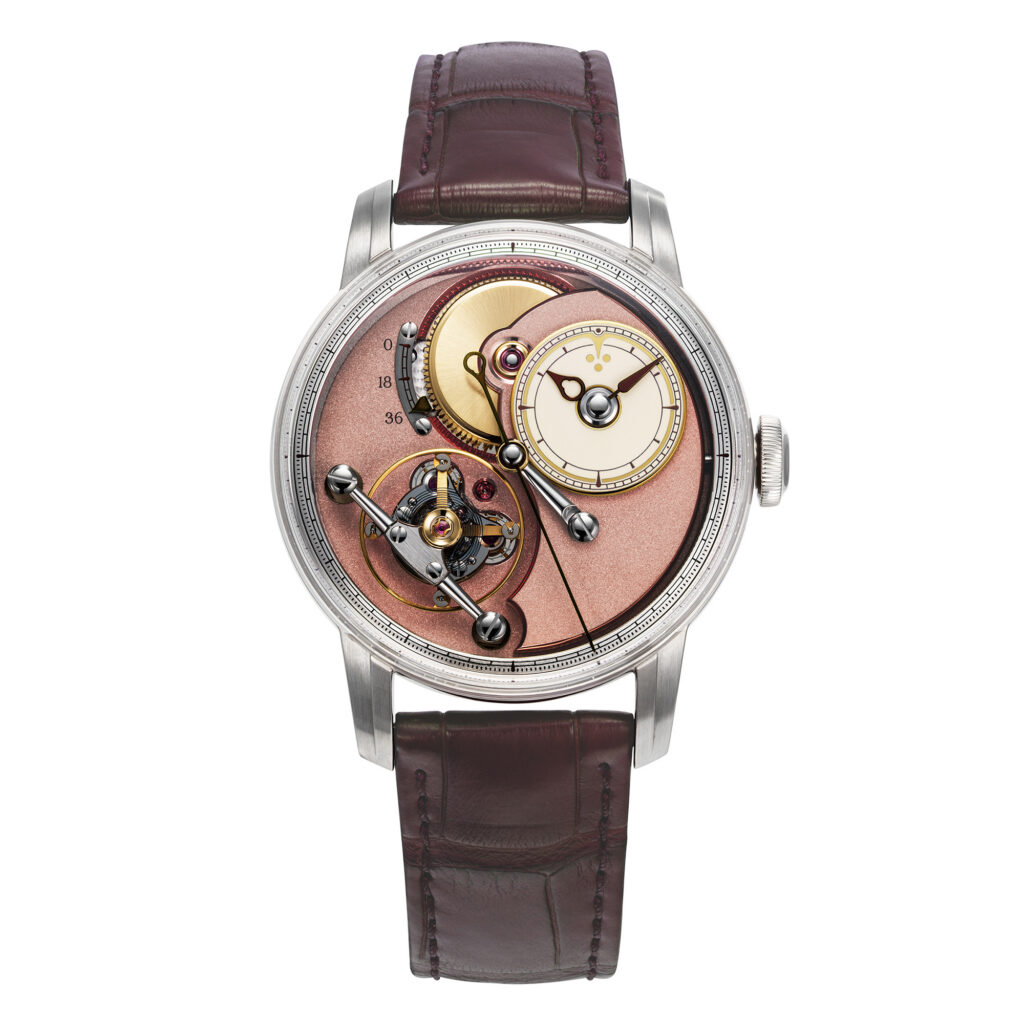
The Inspiration One is more than just a debut — it’s a statement. At first glance, it’s clean and understated, but look closer and you see the depth: a grand feu champlevé enamel dial set off-center at 2 o’clock, a snailed barrel tied to a 36-hour power reserve, and that striking 12.9 mm balance wheel beating at 18,000 vph, all framed in 38.5 mm of white gold.
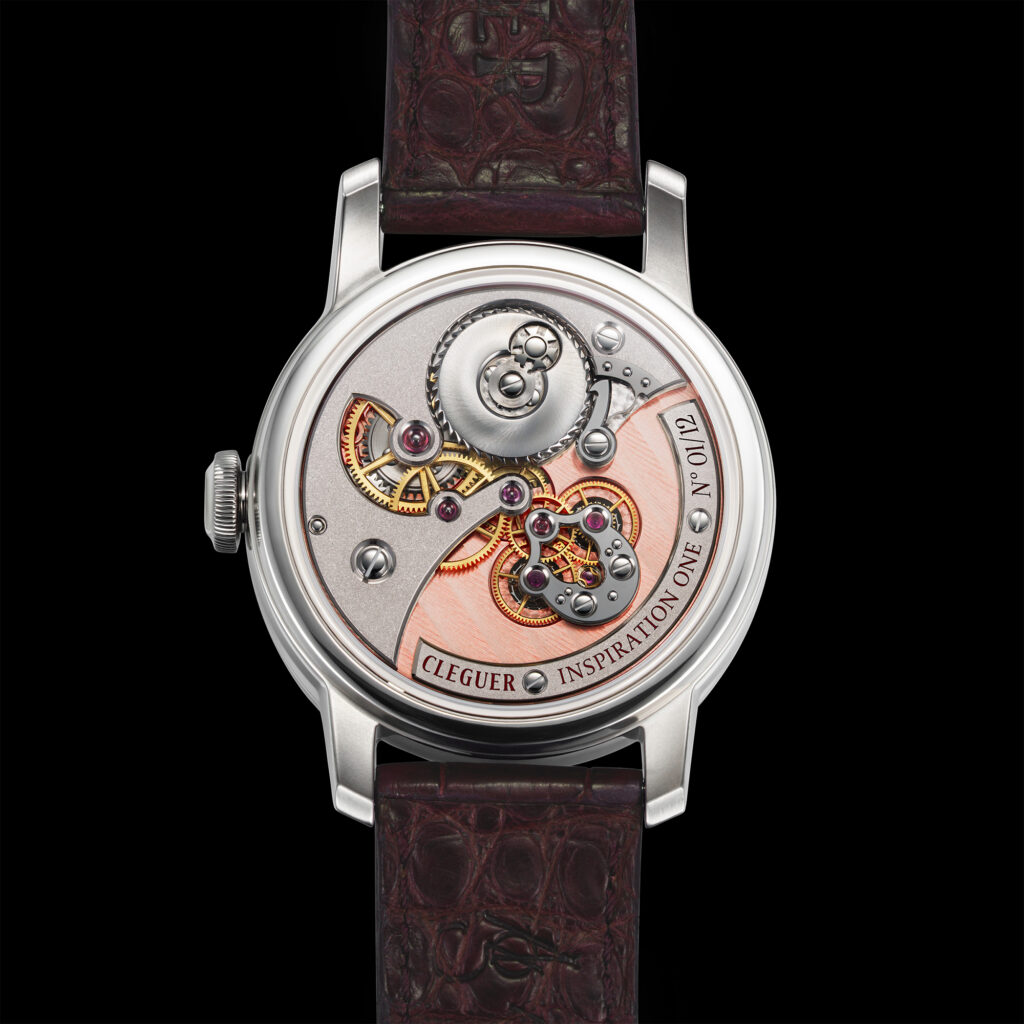
It’s a watch where the movement isn’t just hidden away — it’s part of the design, a landscape you’re meant to explore. Mathieu Cleguer and Lee Yuen-Rapati didn’t just build a timepiece; they built a conversation between precision and art.
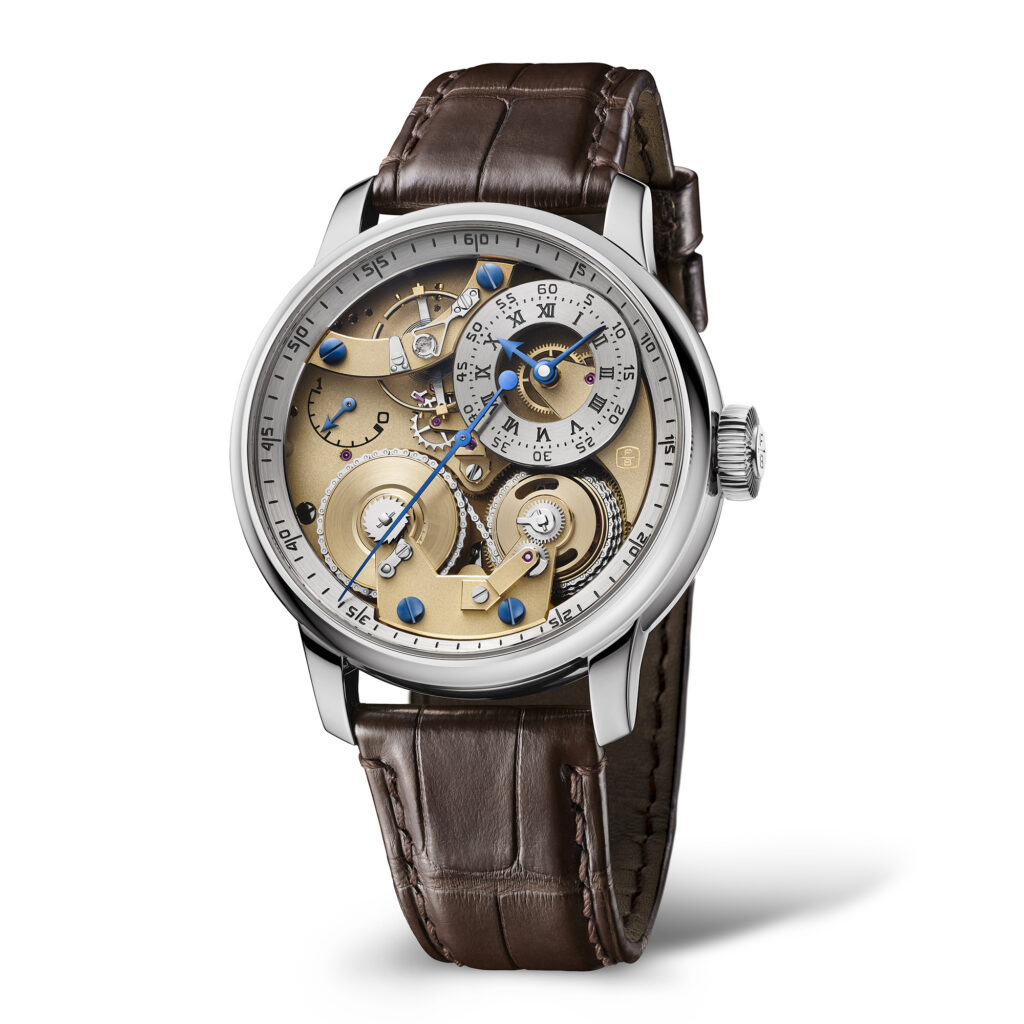
The Naissance d’une Montre 3 isn’t just a watch — it’s a quiet act of preservation. Six years of handcrafting, every part shaped with traditional tools, no digital shortcuts. It’s COSC-certified, yes, but more than that, it’s built around the soul of Ferdinand Berthoud’s legacy: the fusee-and-chain for constant force, a bimetallic balance to resist temperature shifts, and that open, honest structure where you can see the mechanics breathe.
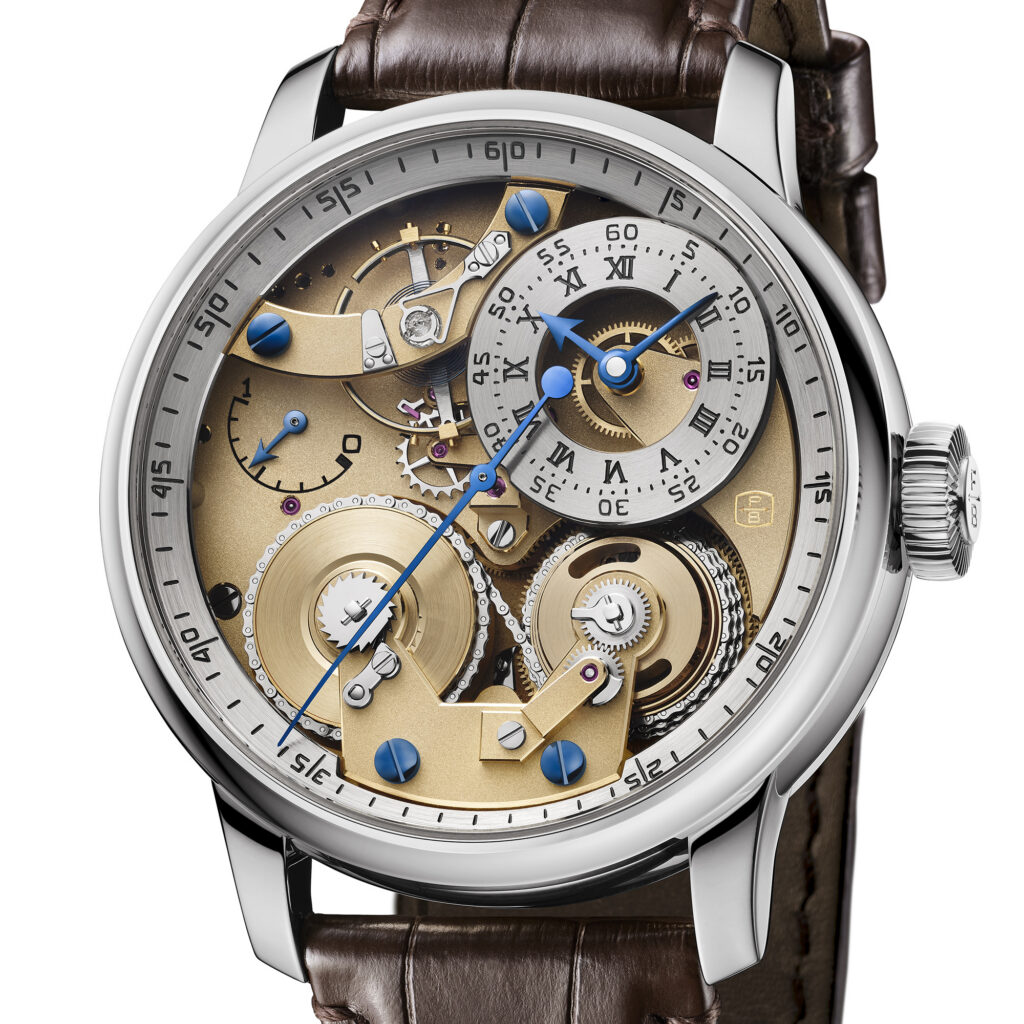
Only 11 were made, each finished to the same standard as Berthoud’s modern pieces — not a replica, but a living continuation.
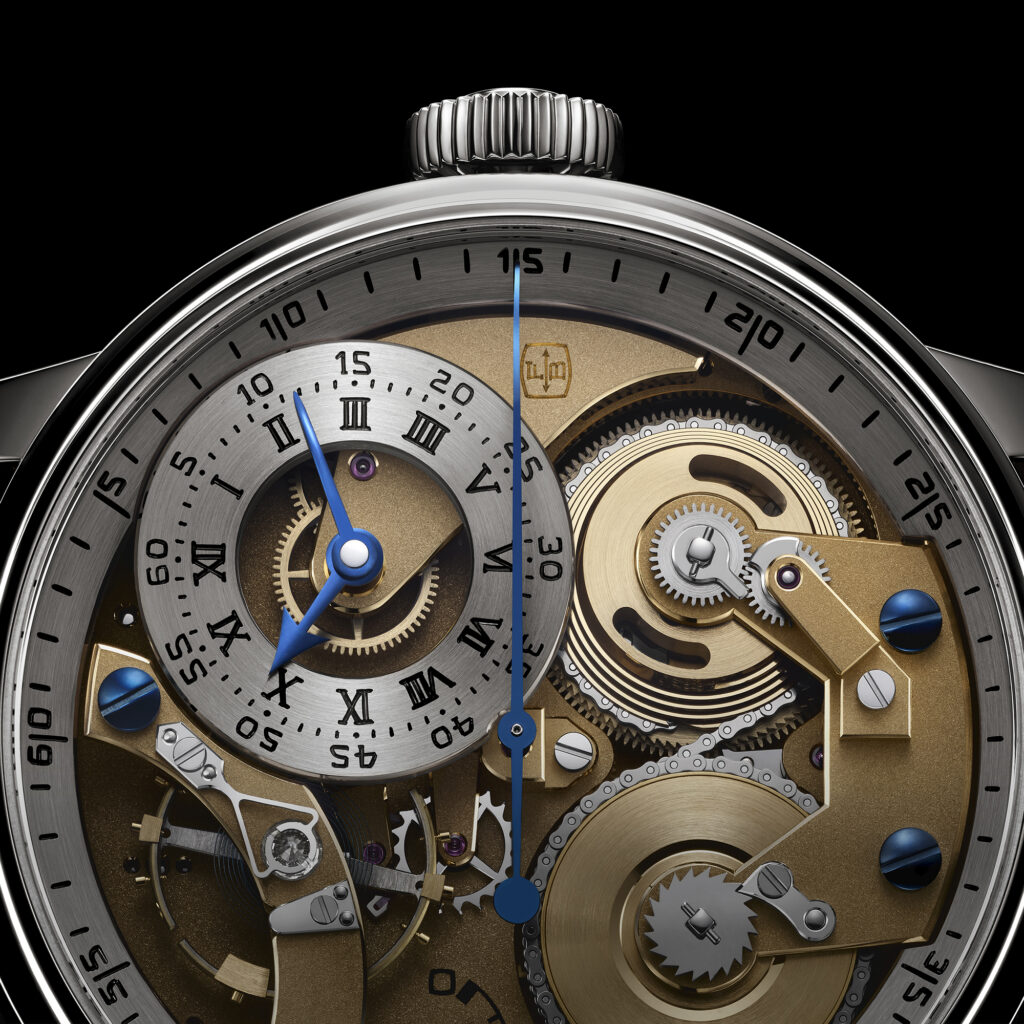
The Naissance d’une Montre 3 came to life in a dedicated workshop built around vintage tools and a team of micro-mechanical engineers — every component shaped entirely by hand, no digital aid, just human precision guided by eye and instinct. After six years and 11,000 hours of work, the first piece — a one-of-a-kind stainless steel model — was auctioned by Phillips in Geneva on November 8, 2025, selling for CHF 1.27 million. It wasn’t just a sale — it was confirmation that this kind of deep, uncompromising craft still commands awe.
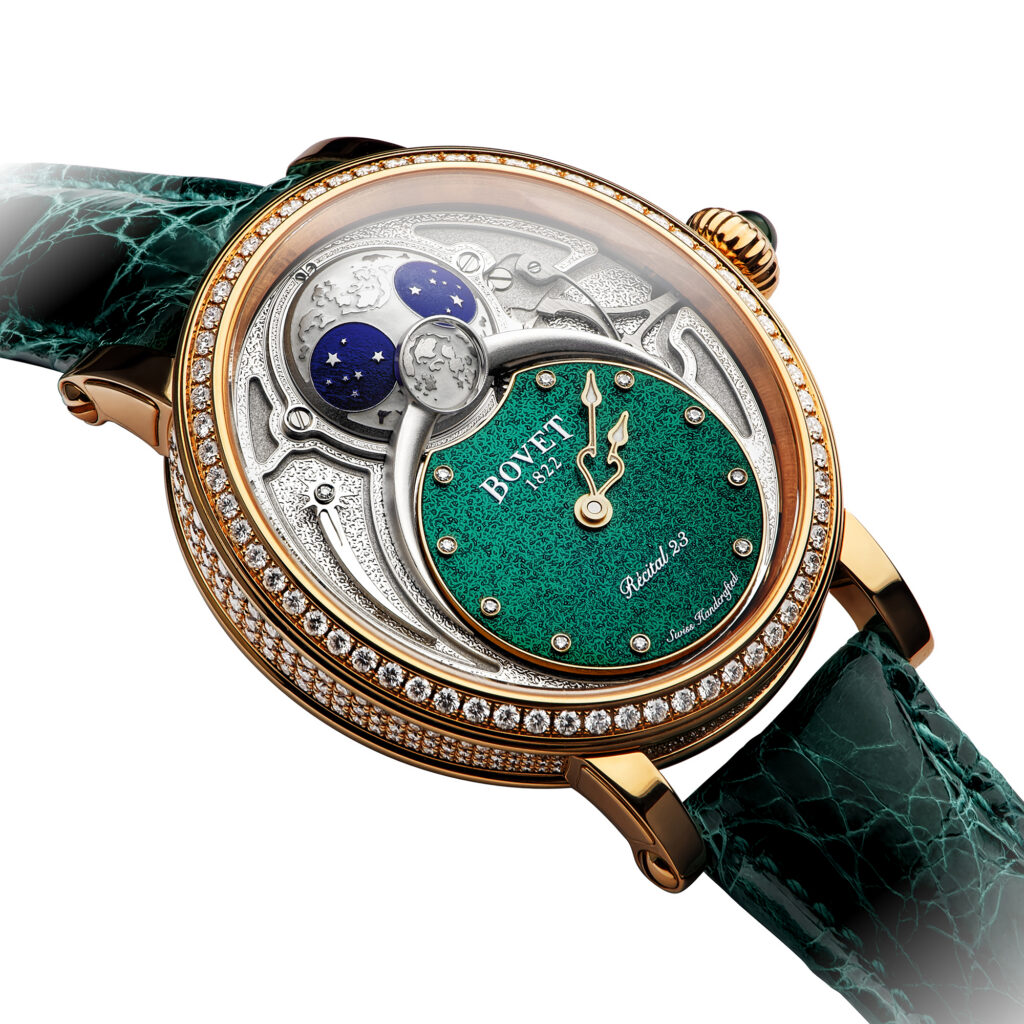
The Récital 23 isn’t just a watch — it’s a dialogue between light, craft, and time. Every surface is alive: the dial hand-engraved to catch the light, the gem-setting placed so each diamond flows into the next, creating a finish so smooth it won’t catch on silk.
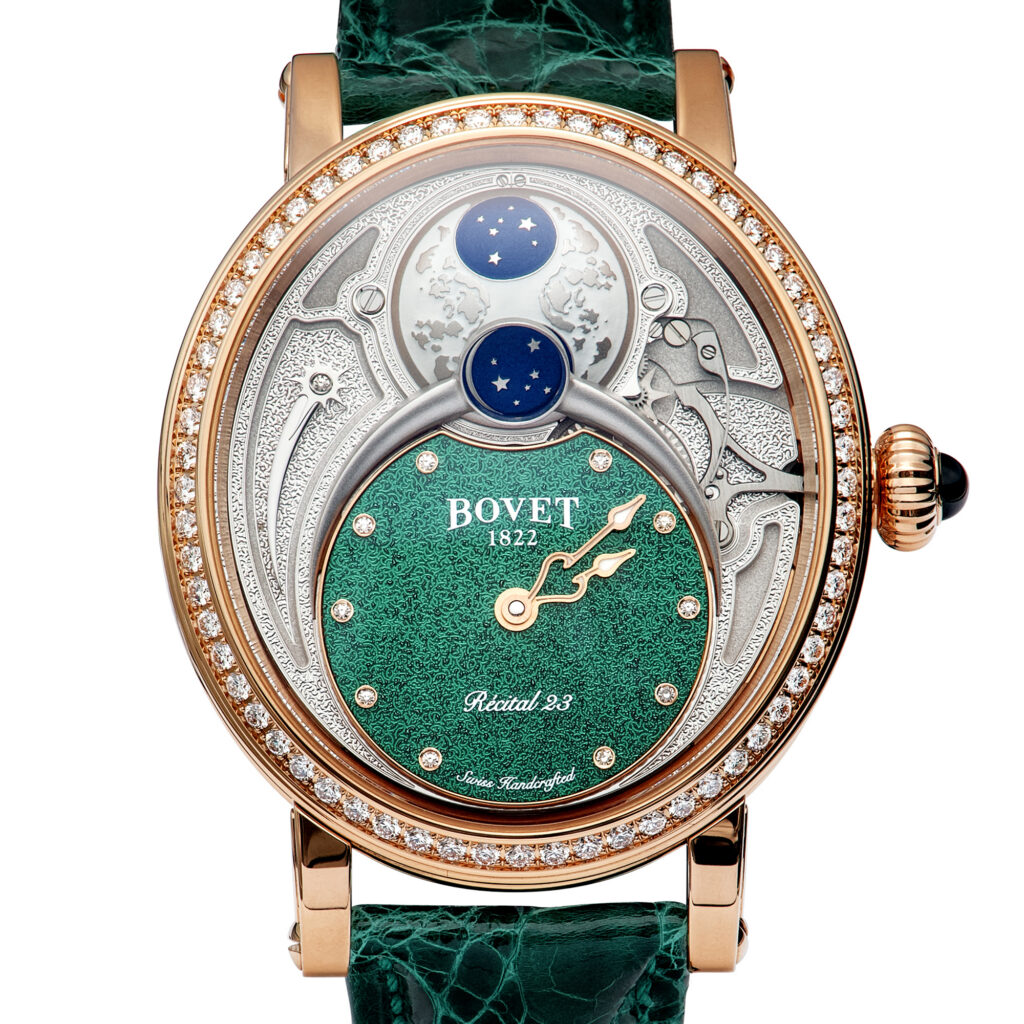
It’s built into that signature “Writing Desk” case — sloped to cradle the moon phase and sit just right on the wrist — and wrapped in over 240 diamonds, all set by hand to preserve that seamless feel.
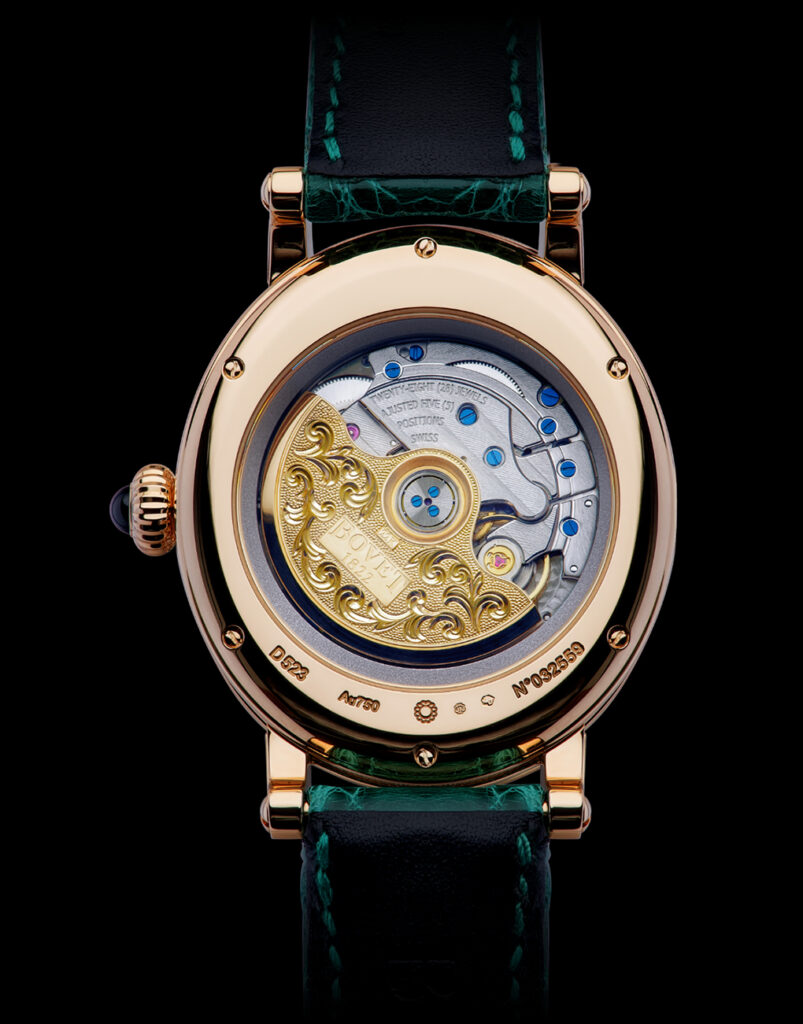
At 12 o’clock, the moon phase isn’t just a display — it’s a tiny sculpture, hand-engraved with craters and filled with luminescent material, floating in a three-dimensional aperture that takes over a day to perfect. It’s poetic, yes, but underneath is something exact: a mechanism so precise it won’t drift by a day for 122 years. And true to BOVET’s belief that complications should be lived, not just admired, Pascal Raffy built a pusher right into the sapphire cabochon crown — so you can adjust it with a single, seamless press, no tools, no fuss. It’s high horology that still feels intuitive.
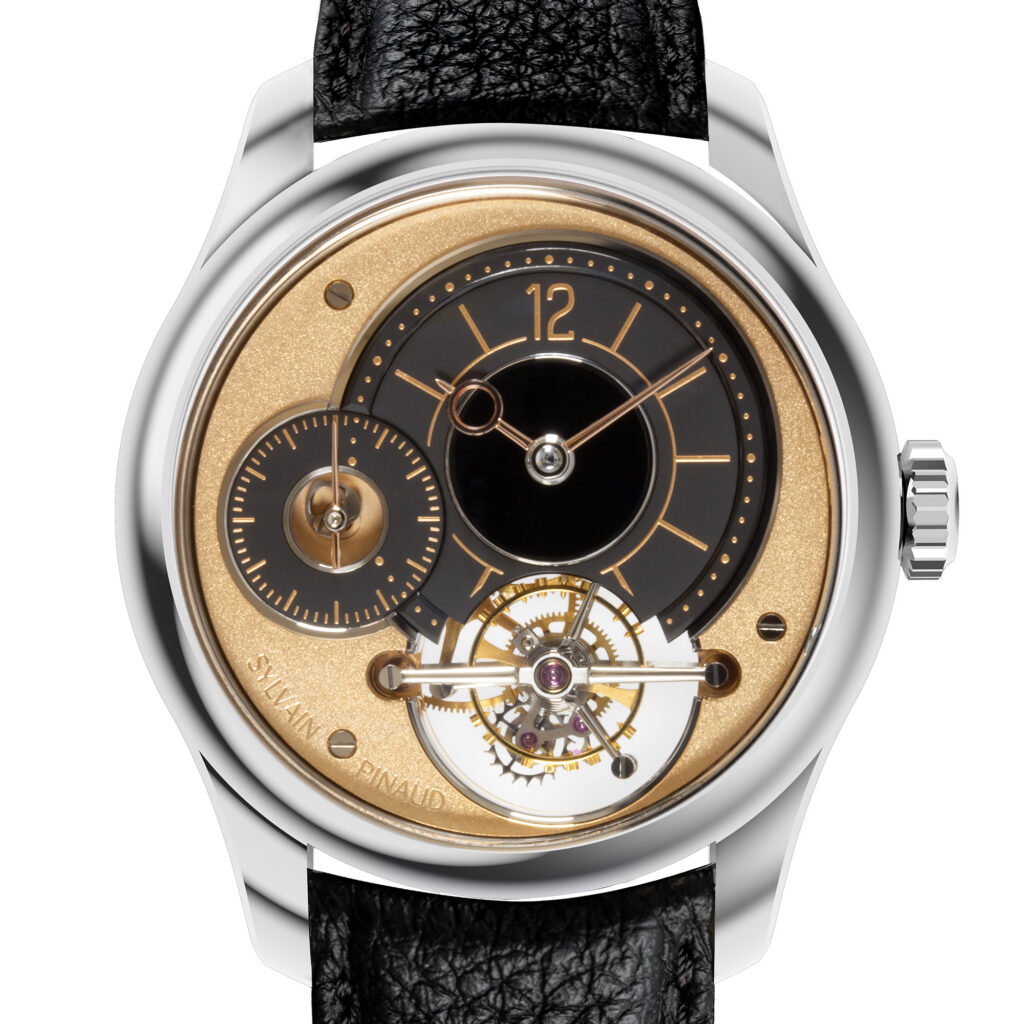
Sylvain Pinaud’s new piece feels like a quiet evolution of the Origine — still rooted in that same language of balance and clarity, but with a sharper focus on how the dial’s asymmetry guides the eye.
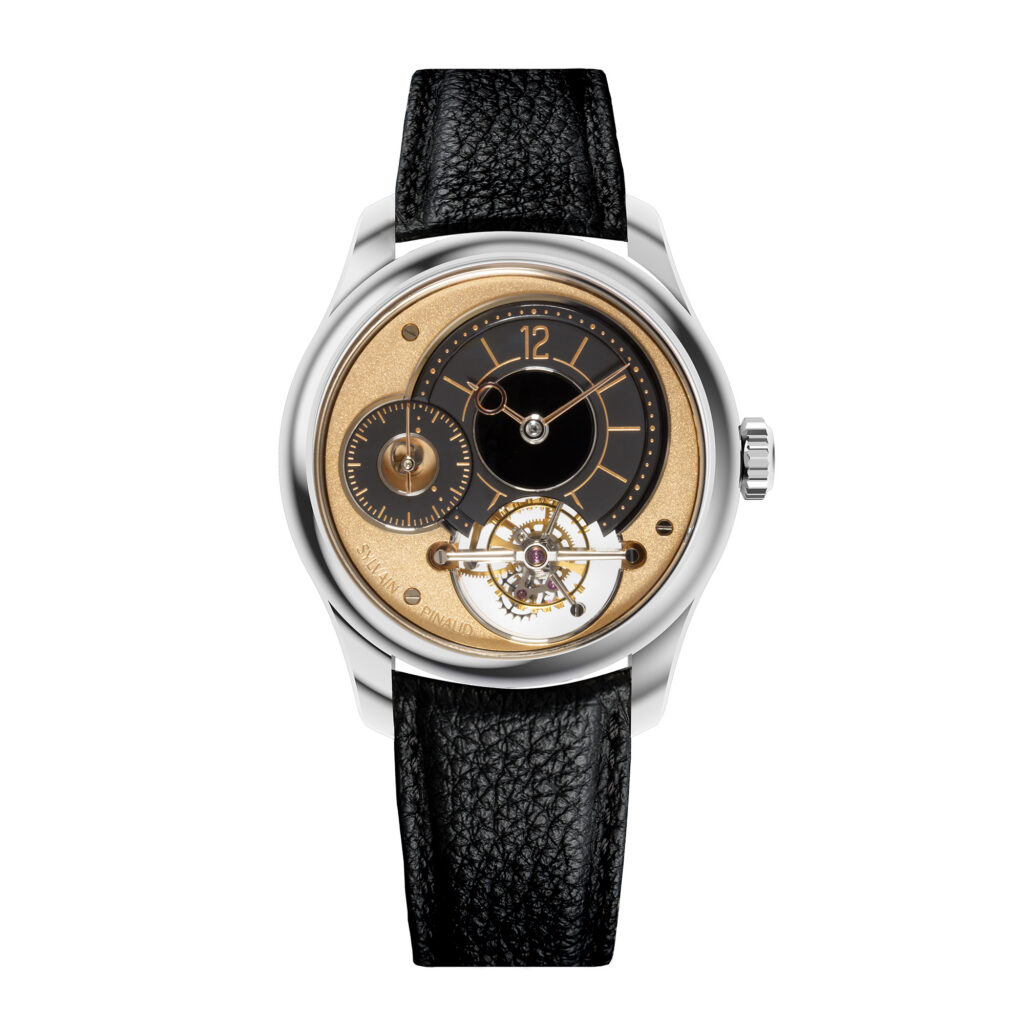
The interplay between polished black steel and hand-grained surfaces gives it a depth that shifts with the light, while the proportions of the case and dial lock together with a kind of quiet precision. It’s neoclassical, yes, but with a more pronounced mechanical presence — not loud, but undeniable.
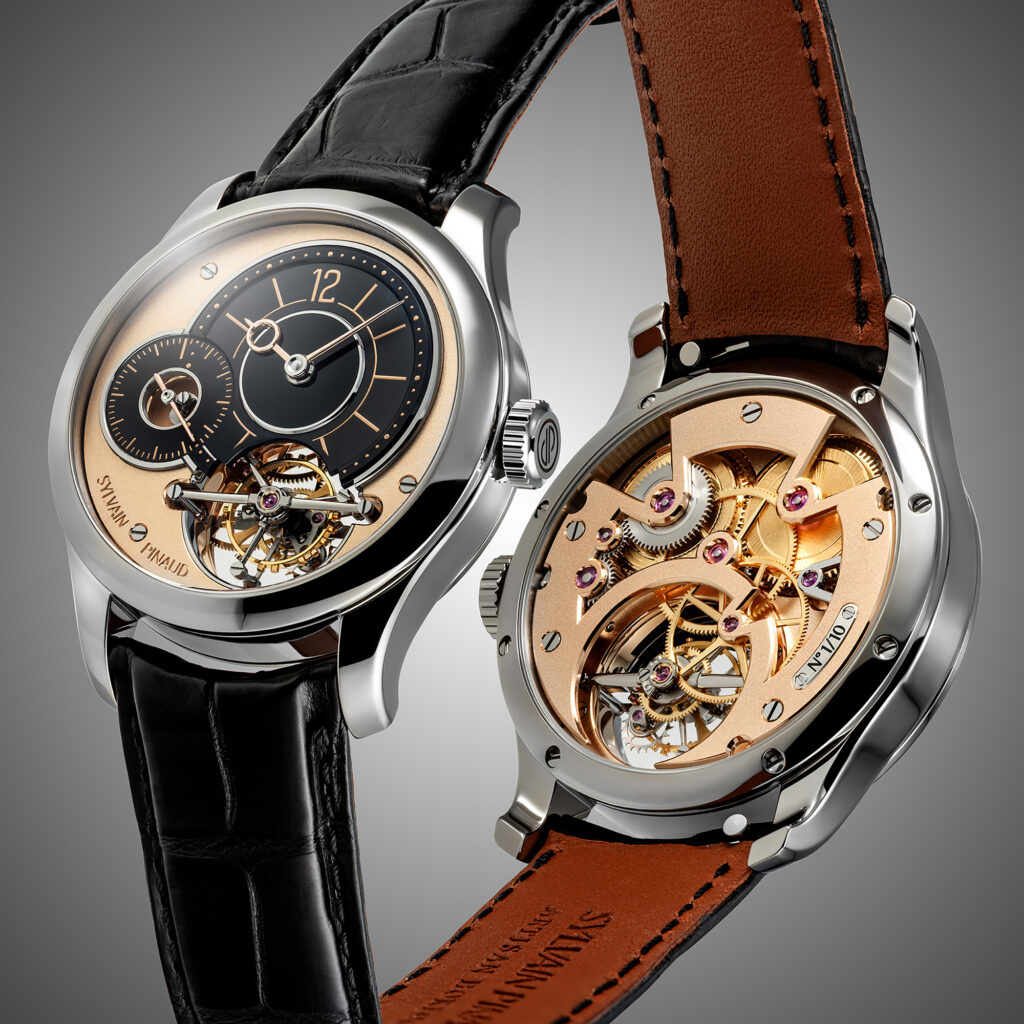
Sylvain Pinaud’s tourbillon isn’t just built — it’s composed. Everything’s in-house, from the hand-finished nickel silver and titanium to the gold-trimmed movement, all following traditional principles but with a modern pulse.
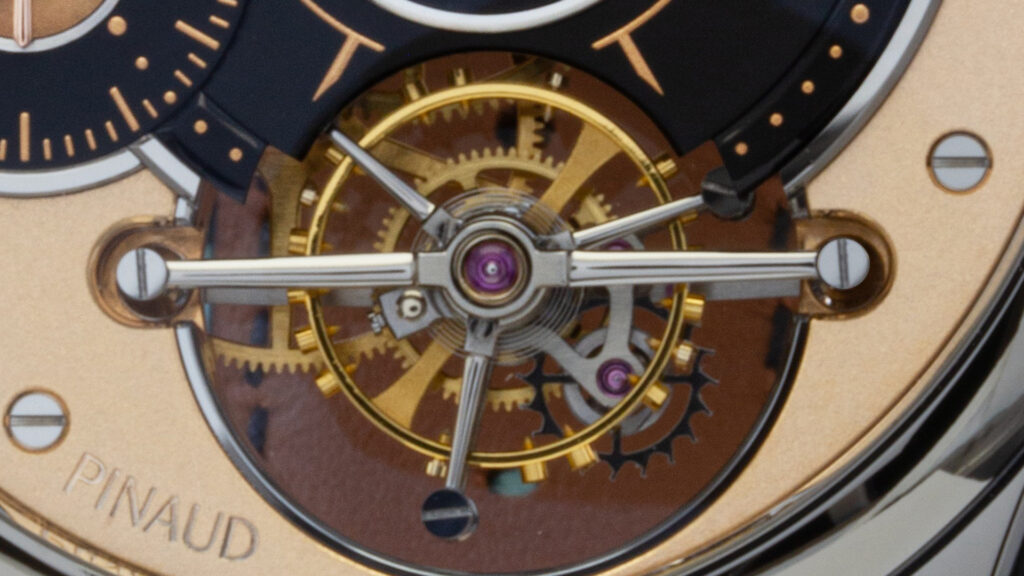
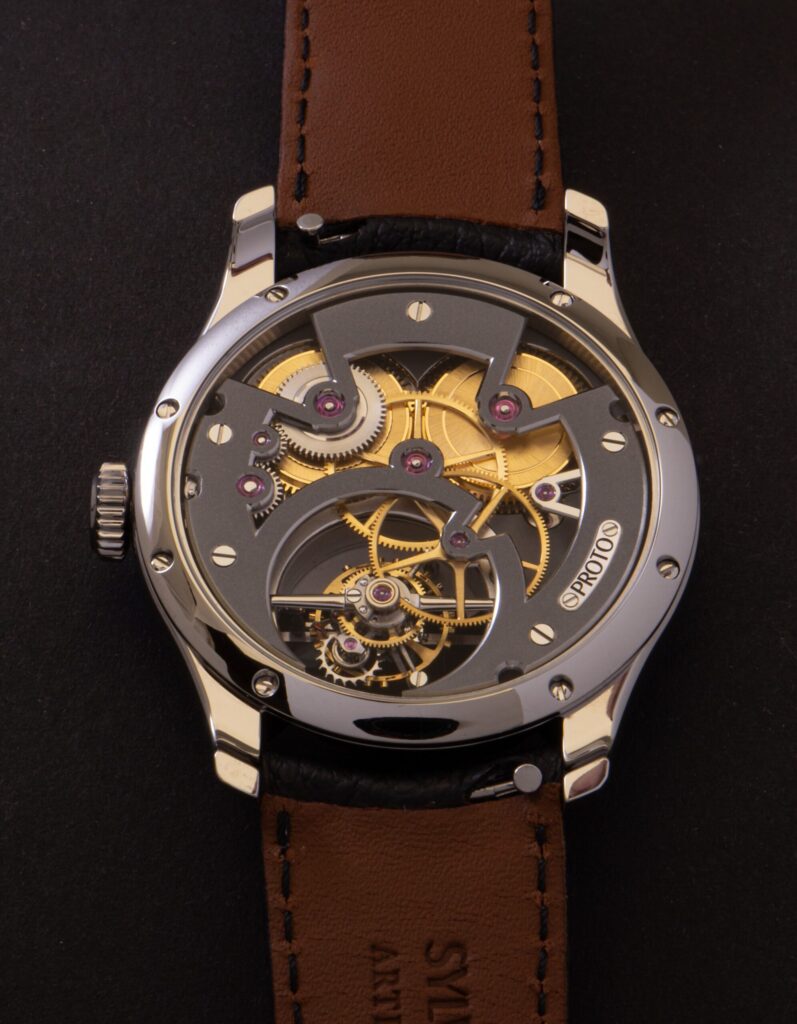
The 30-second rotation gives it a rhythm that’s fast but never frantic, and the titanium cage cuts weight by 20%, so it’s efficient without sacrificing stability. Two barrels in series deliver 100 hours of power, and that zero-reset seconds dial isn’t just for show — it’s a nod to precision, letting you set time with real authority.
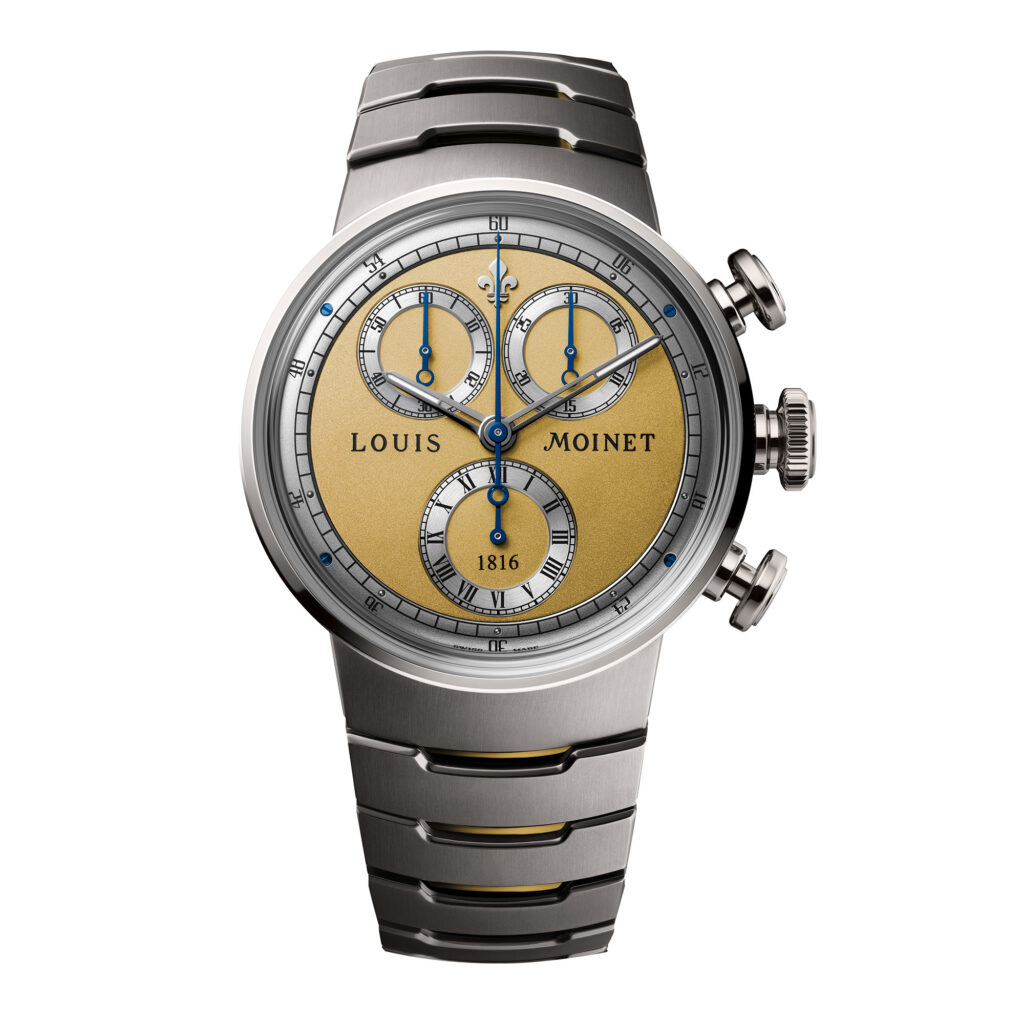
In 1816, Louis Moinet didn’t just build a watch — he invented the chronograph, a moment that changed watchmaking forever. Now, to mark 210 years since that breakthrough, Les Ateliers Louis Moinet has reimagined the 1816 in a warm champagne tone — a modern take that still honors the original’s clean, functional spirit. It’s not a replica; it’s a reinterpretation, where every detail nods to that pioneering design while feeling entirely current. That balance — between legacy and evolution — seems to run deep in your taste, too.
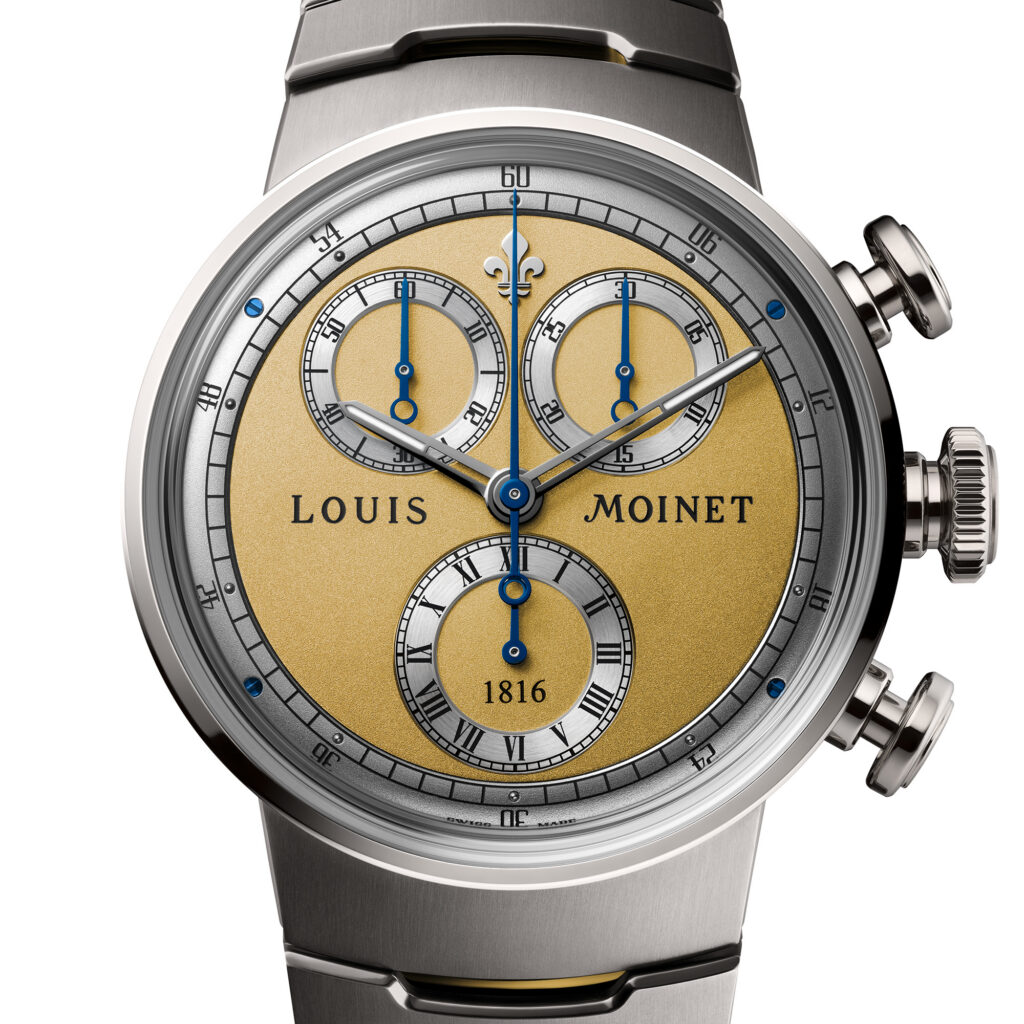
The new 1816 Chronograph wraps its history in a luminous champagne dial — a warm, layered finish that gives depth without drawing attention from the mechanics it frames. The blued steel hands pop against it, while rhodium rings add structure, echoing the original’s layout but with a modern eye for clarity. Up top, the small seconds and 30-minute counter sit level on either side of the central chronograph hand, with the 12-hour totaliser below, now marked with Roman numerals as a nod to 1816. Even the texture speaks to craft: bead-blasted centres, satin-brushed rings, and twenty-three total dial elements, including blackened nickel cabochons. It’s not just a tribute — it’s a conversation between then and now.
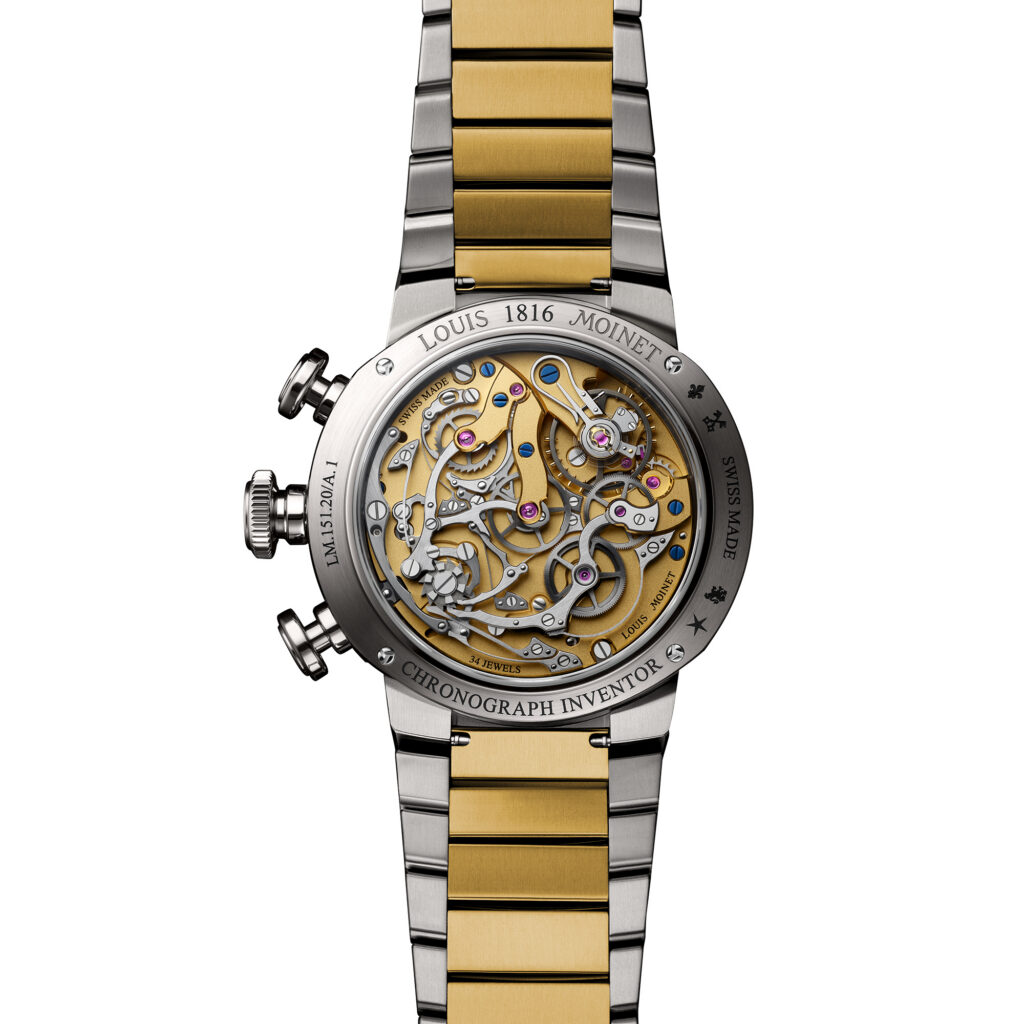
The LM1816 movement is a careful act of balance — 330 parts built from the ground up to honor the original 1816 chronograph, yet engineered to meet today’s standards of haute horlogerie. Its layout follows the dial’s unique counter placement, and through the exhibition case back, you see the layers: satin-finished bridges in warm brass, steel components with a bright polish, blue screws, and red rubies — a visual rhythm that feels both precise and alive. It’s manually wound, so you’re part of the motion, and with 48 hours of power, it’s made for wearing. The column wheel, swan-neck regulator, and instantaneous minute counter aren’t just functional — they’re signatures of intent.
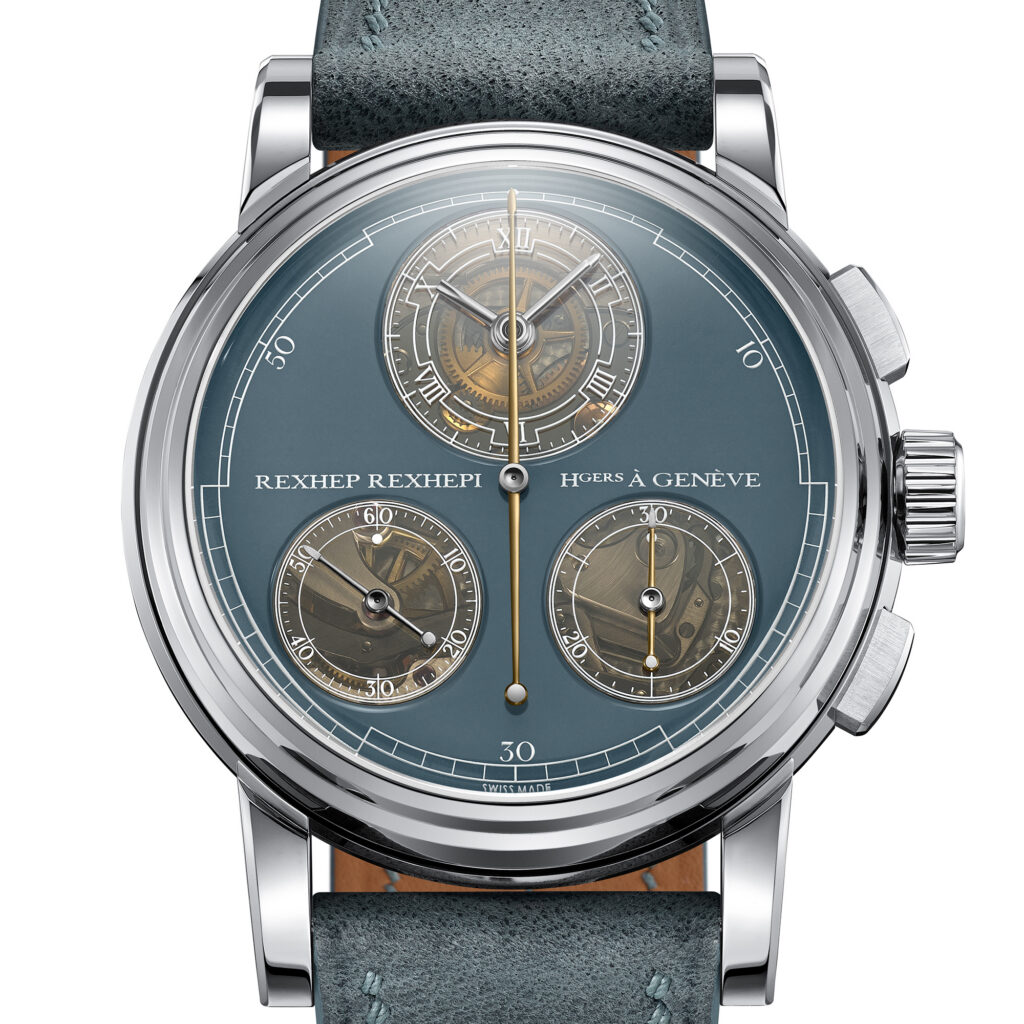
FOR ME, A WATCH IS A PERFORMANCE.
Rexhep Rexhepi’s first flyback chronograph, the RRCHF, is built around a singular idea: that precision and restraint can coexist. From the start, slimness shaped every decision — leading to an entirely new integrated movement, where nothing is added just for show. The grand feu enamel dial nods to vintage pocket watches, while the hands, with their downward-stepped tips, are both elegant and practical — they improve legibility and let the crystal sit lower. Even the caseback is indexed to align perfectly with the lugs, because symmetry, like silence, matters here. It’s a watch that doesn’t shout, but when you look closely, you see how much was said in the details. Does that kind of quiet intention — where every choice serves both form and function — feel like the kind of piece you’d want to wear?
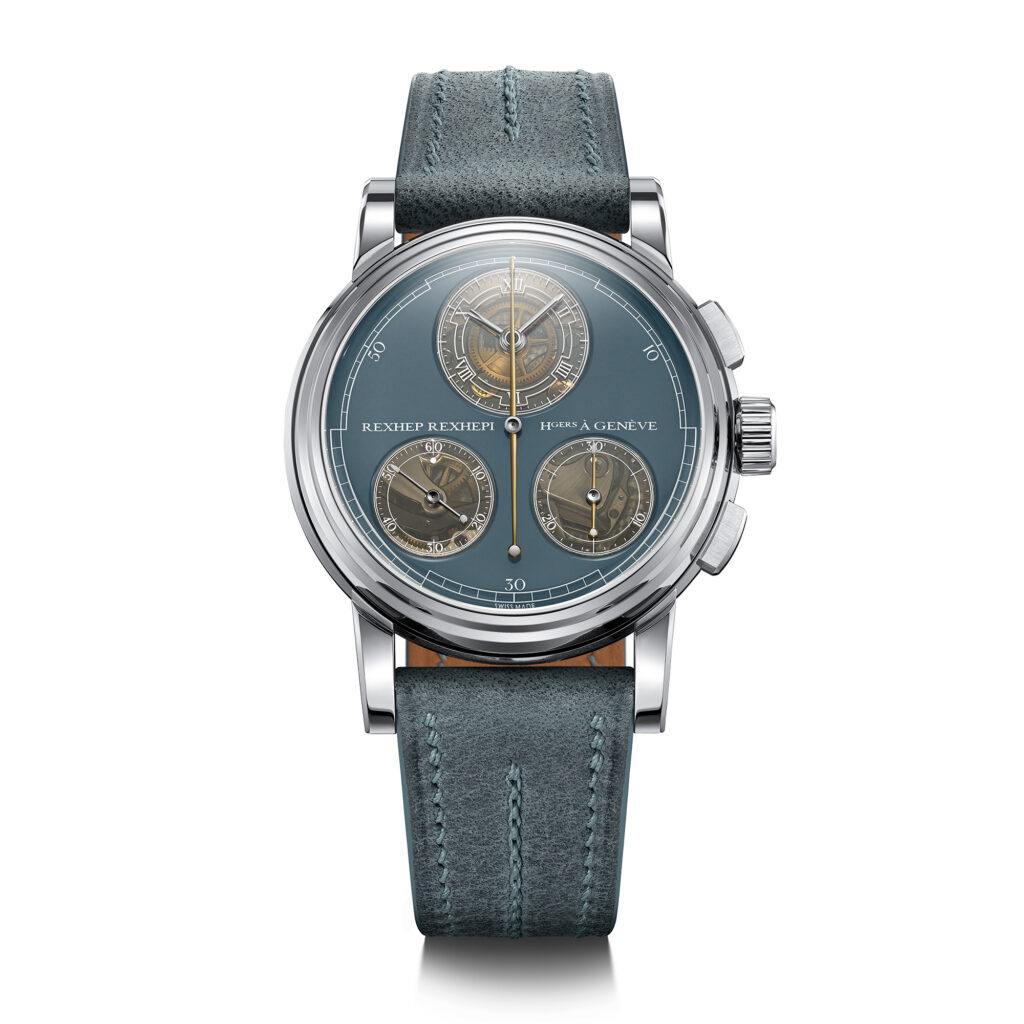
Rexhep narrates, This watch was made with the same belief that’s guided every step since the AK-01 — that real quality isn’t fixed, it deepens over time. Every detail, from the proportions to the handwork, has been shaped by a single focus: to balance boldness with harmony, without compromise. And now, everything — the cases, the enamel dials, the movements, even the straps — is made in-house, start to finish. That control isn’t just about precision; it’s what gives each piece its soul. It’s a kind of craft that doesn’t just get passed down — it grows, day by day, with the people who keep it alive.
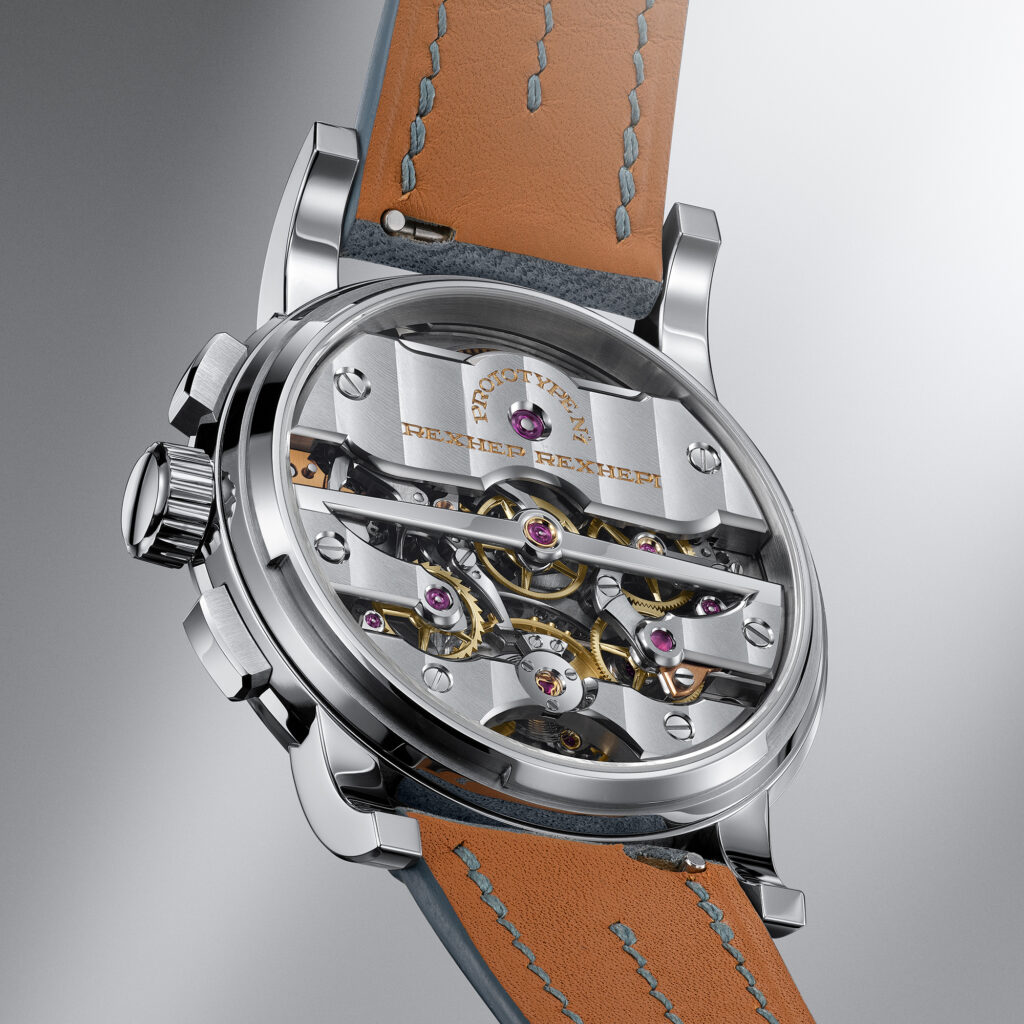
The RRCHF’s movement isn’t just built — it’s composed like a piece of horological architecture. The asymmetry isn’t for show; it’s how every part finds its place between function and form. You can see it through the caseback — only the chronograph parts are visible, so the mechanism feels alive, purposeful. It’s governed by a column wheel and lateral clutch, but what stands out is the finishing: every surface, even where no one will see it, is hand-bevelled, black-polished, or striped with Côtes de Genève.
German silver for the bridges and mainplate means it’ll age with warmth over time, and the wheels themselves are shaped by hand. It’s not just precision — it’s a commitment to doing it the hard way, because that’s what gives it character.
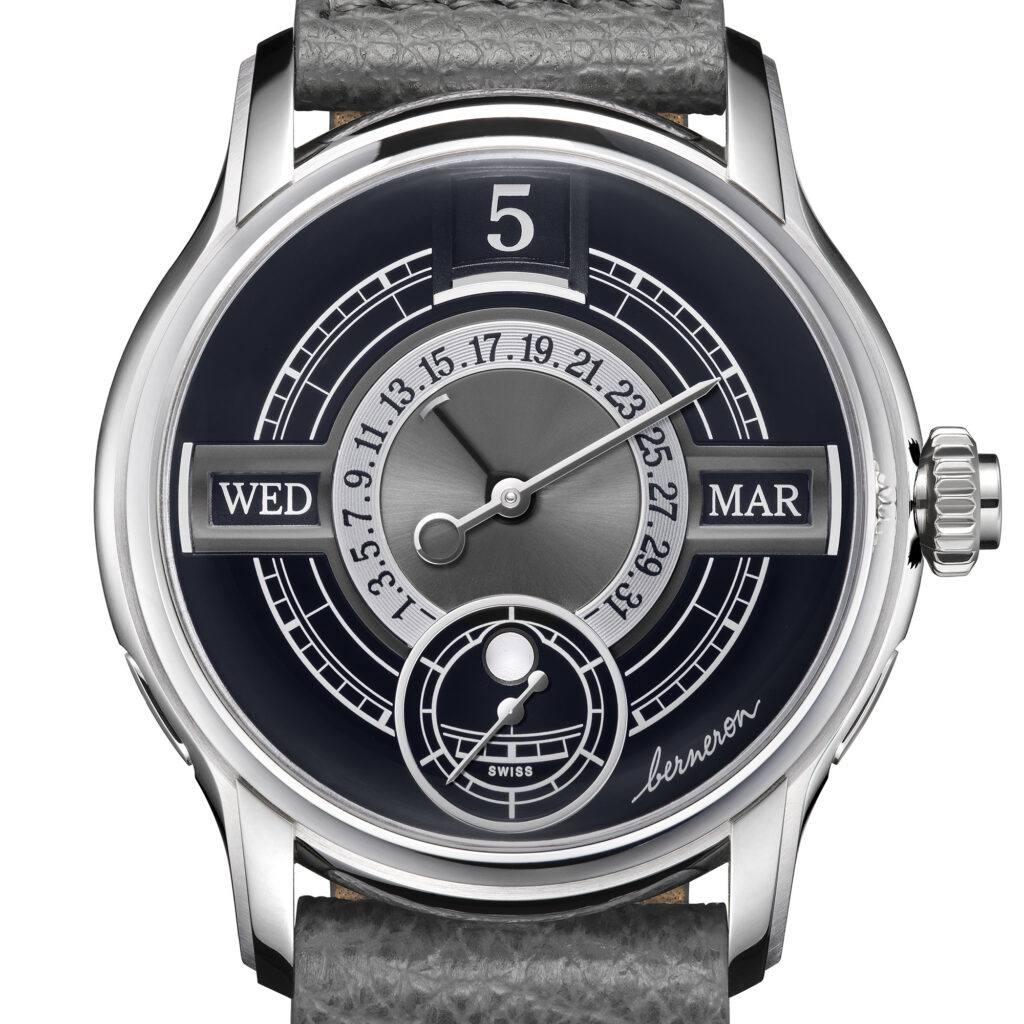
The Berneron Quantième Annuel isn’t just an annual calendar — it’s a rethinking of how one should feel to use. The double regulator dial splits the experience: time flows vertically, calendar moves left to right, so reading it becomes intuitive, almost conversational. And at month’s end, Caliber 595 doesn’t just step — it performs an instantaneous quintuple jump across hour, day, month, am/pm, and retrograde date, all powered by a 120-hour reserve. The movement itself is built in 18k gold, with hand-finished bridges and a double barrel, so even the energy delivery is deliberate. It’s not just precise — it’s expressive.
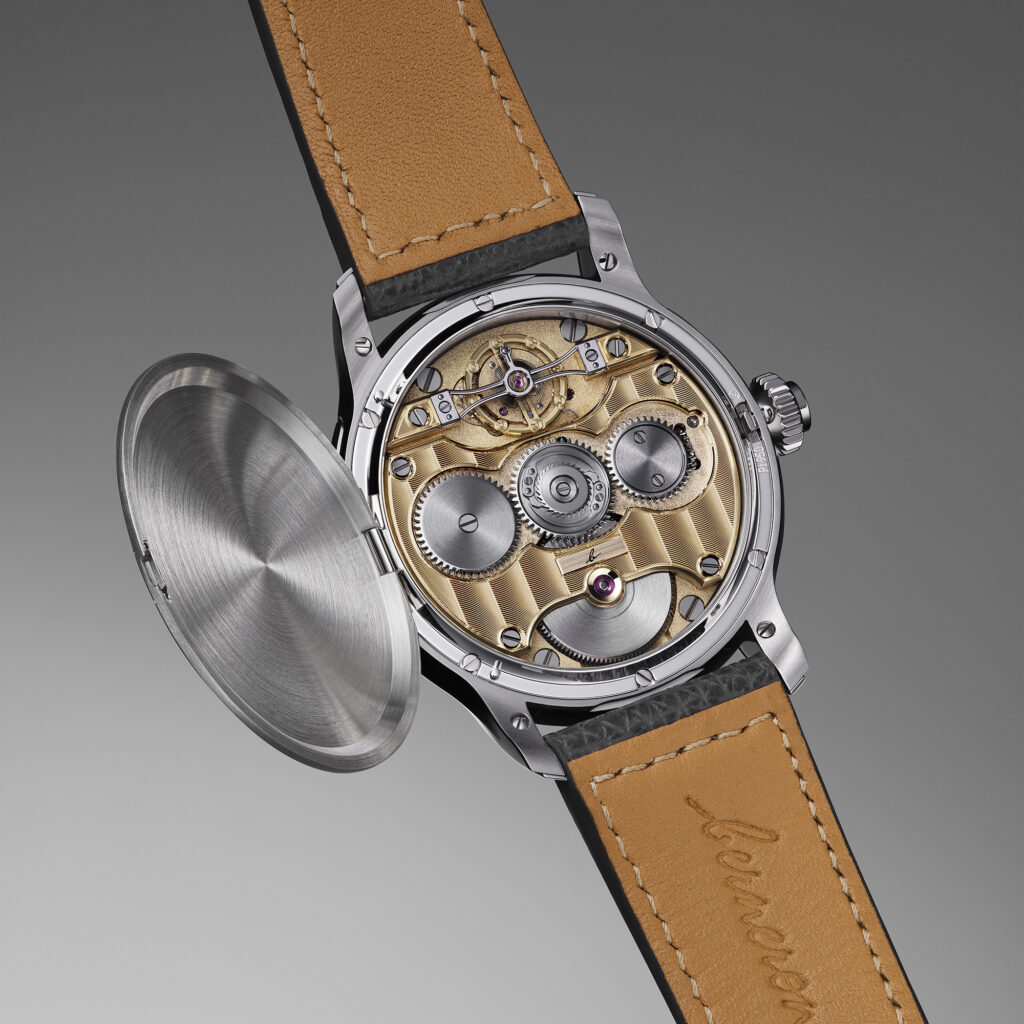
It’s rare to see that level of intention — not just in the watch, but in how it’s made. Over 500 parts, all sourced within 50km of your workshop, means you’re not just reducing transport emissions, you’re building something that’s truly local in spirit. That kind of commitment, where sustainability isn’t an afterthought but part of the design, feels especially meaningful given your interest in responsible craftsmanship across travel and design. It’s not just about how the watch runs — it’s about how it fits into a larger value.
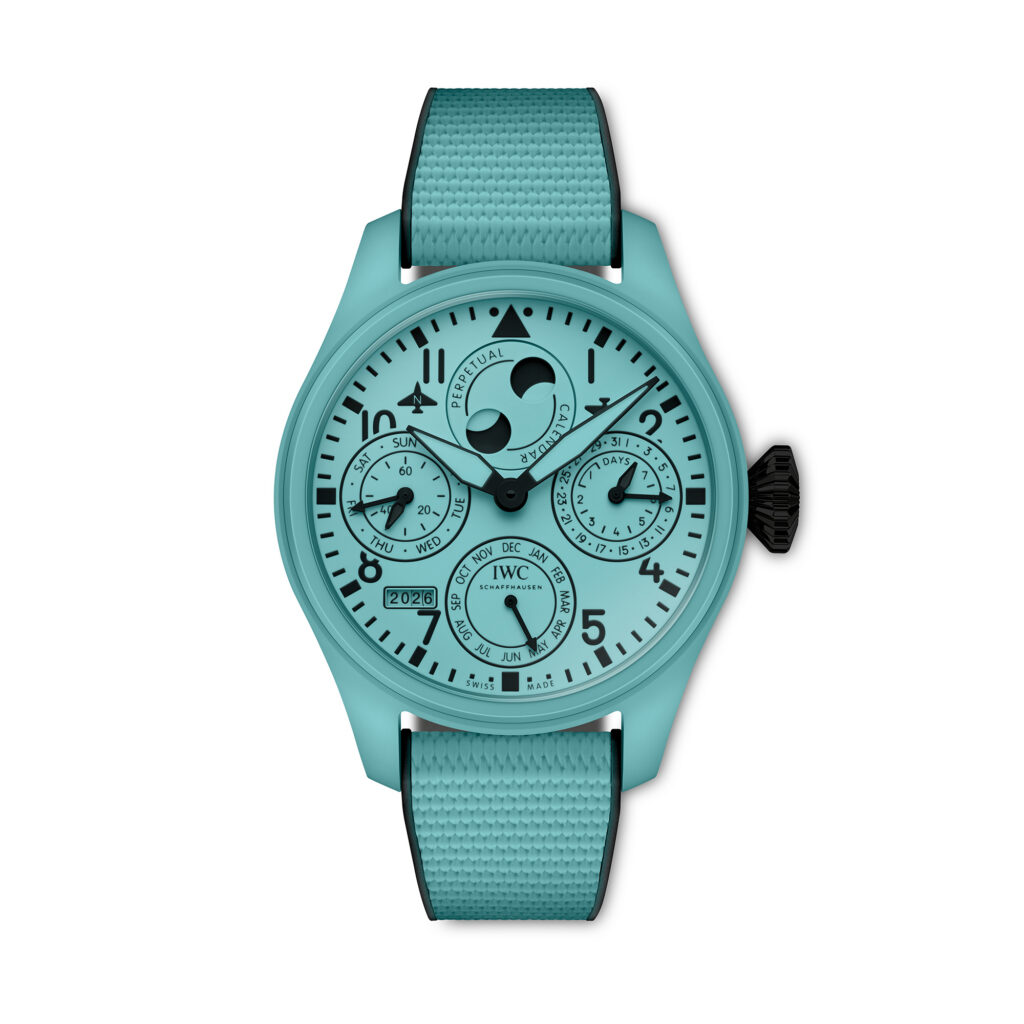
Limited to just 250 pieces, the Big Pilot’s Perpetual Calendar Ceralume® stands out not just for its size or complication, but for its glow — a luminous white ceramic case developed in-house by IWC’s XPL team with RC Tritec, the minds behind Super-LumiNova®. It’s not just a coating; the material itself is engineered to emit light, continuing IWC’s legacy of rethinking what ceramic can do. The whole concept carries through — even the rubber strap is infused with luminescent material — so it’s not just a watch that tells time, but one that stays visible in the dark, by design.
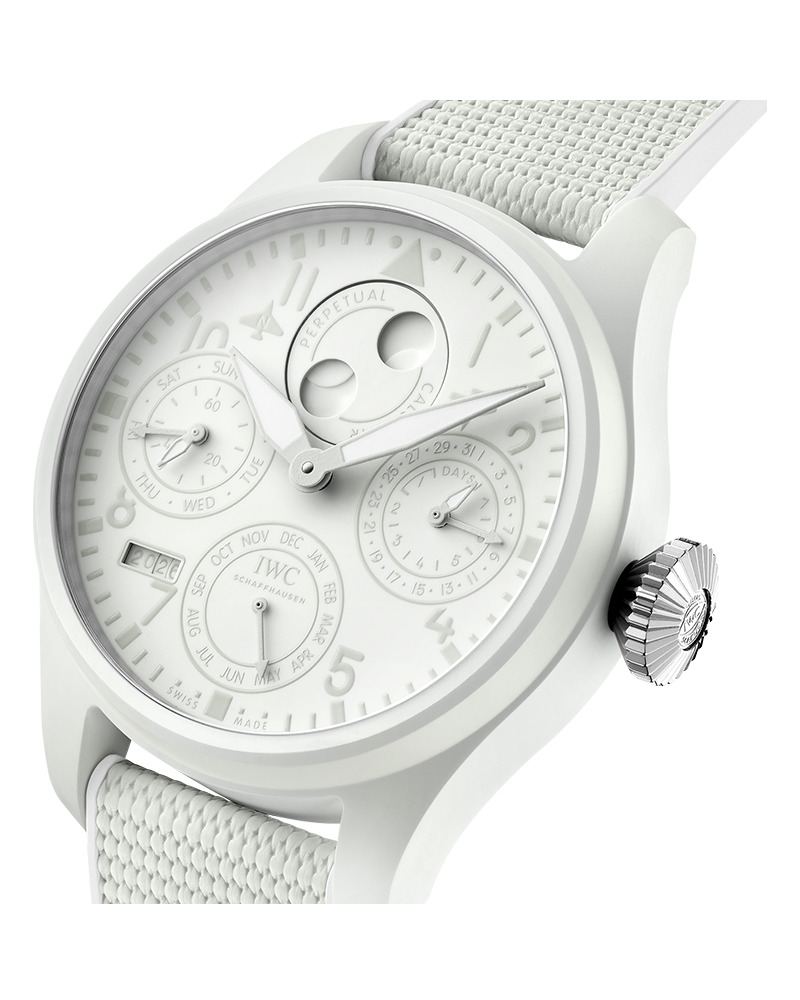
At its core, this watch carries IWC’s iconic perpetual calendar — a mechanical marvel first brought to life by Kurt Klaus in the 1980s. It’s built to run without correction for years, automatically adjusting for short and long months and even adding a leap day every four years. Everything’s laid out clearly: date, weekday, month, and moon phase on subdials, with a four-digit year window nestled between 7 and 8 o’clock. It’s not just precise — it’s designed to be lived with, so you’re never guessing what day it is.
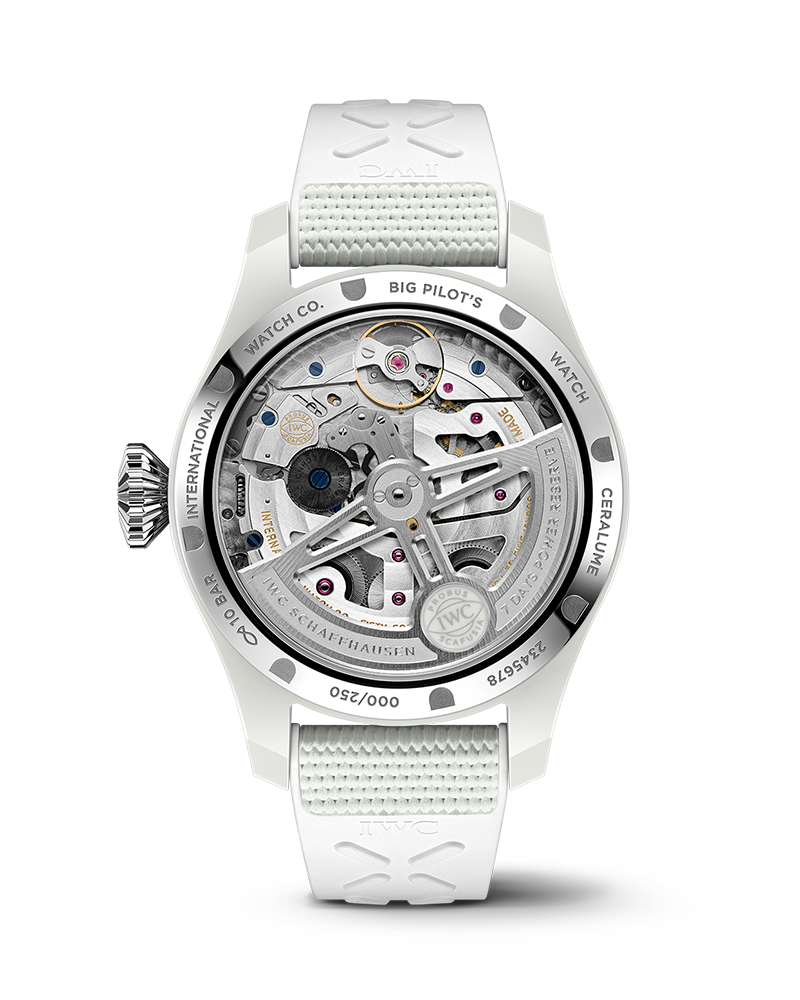
The 52616 calibre inside this Big Pilot isn’t just built to last — it’s engineered for endurance. With IWC’s Pellaton winding system, reinforced with nearly wear-free ceramic parts, it keeps itself powered for seven full days, even if you set it down. And through the sapphire case back, you can see it all in motion — the rotor, the components, the rhythm of a movement designed to run without fuss. It’s not just about convenience; it’s about confidence in the mechanics, knowing it’ll keep going without needing constant attention.
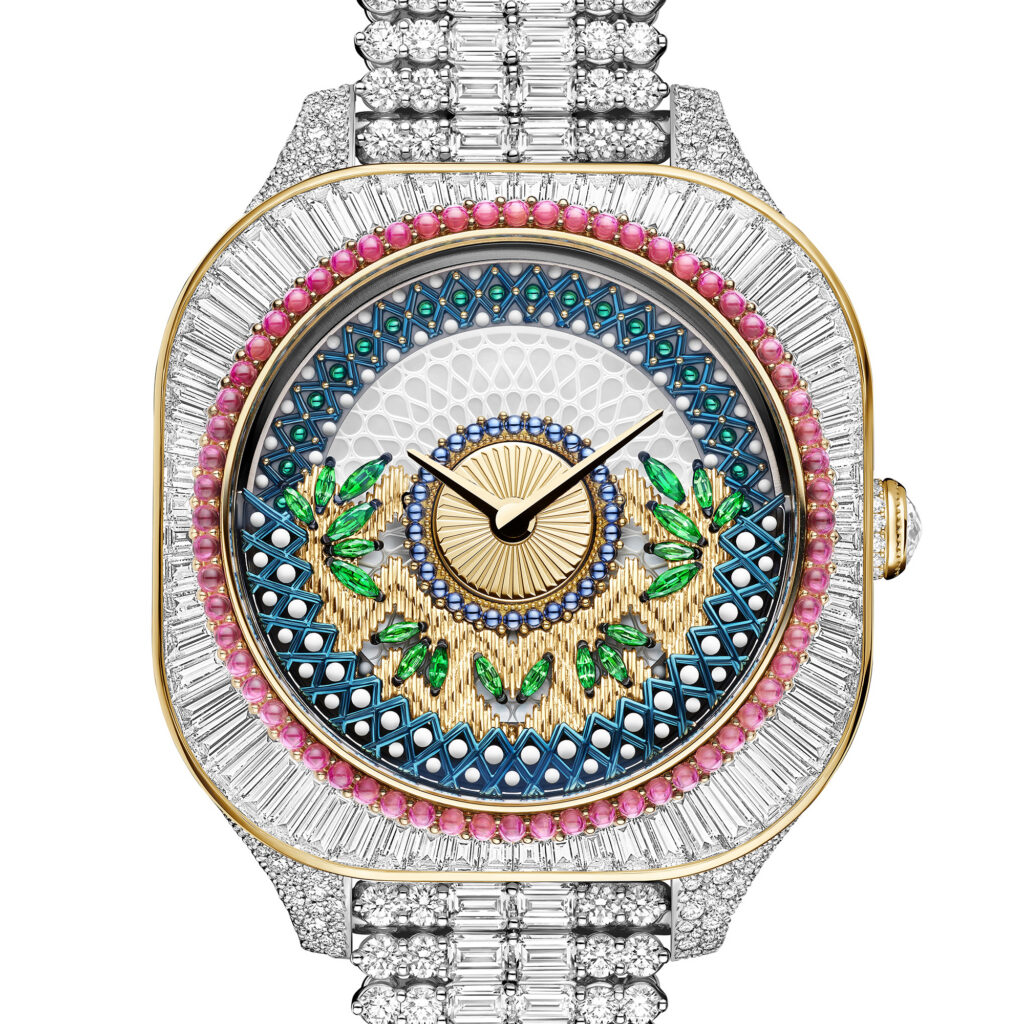
The Grand Bal Nuit des Indes collection feels like a conversation in motion — one that starts with the ornate elegance of 18th-century Parisian design, then reimagines it through bold, vibrant color and scale, drawing a line straight to India. It’s not just about contrast; it’s about connection. The details are intricate, almost architectural, but they’re not static — they move, catch light, and feel alive, like a piece of couture that keeps evolving on the wrist.
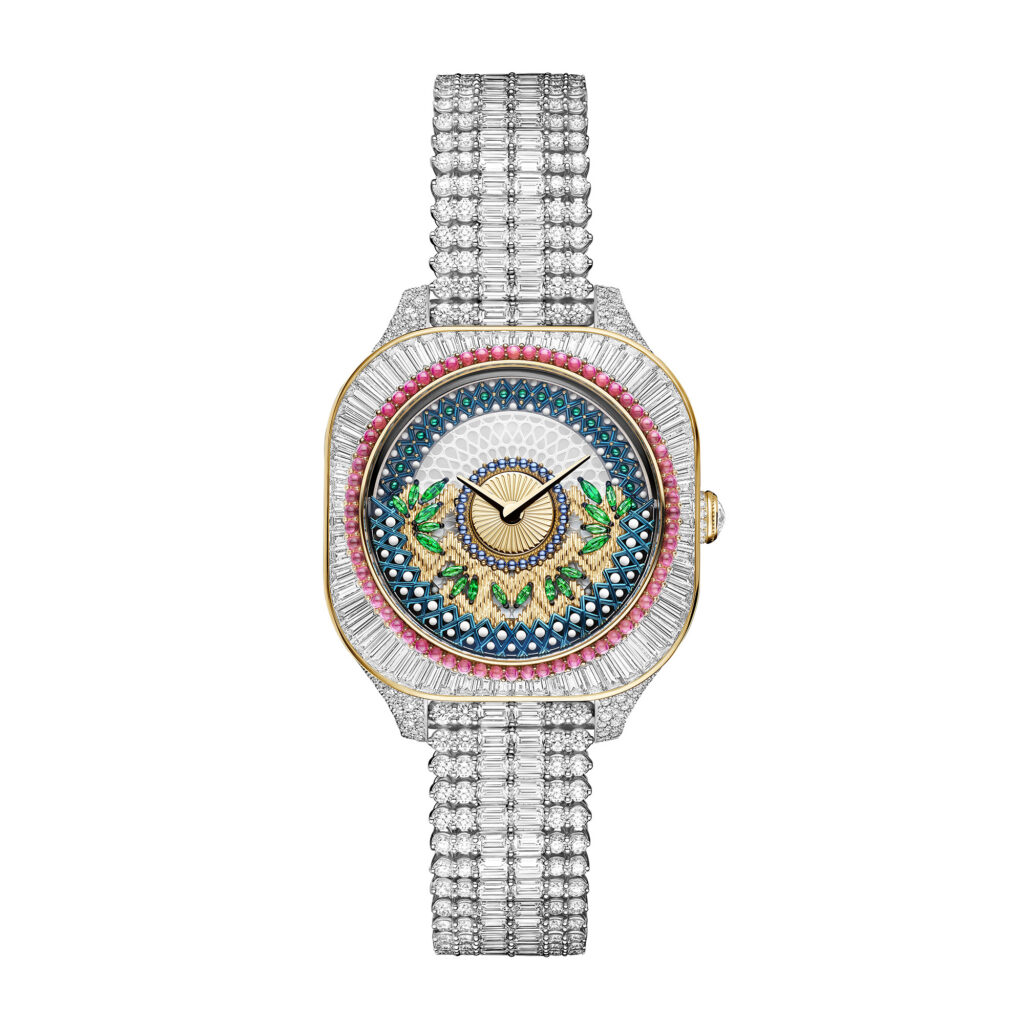
The movement’s oscillating weight isn’t just functional — it’s designed to move like embroidery in motion, shifting with a kind of rhythmic precision that echoes hand-stitched detail. Through the dial, it creates a layered, almost hypnotic effect, like a kaleidoscope that’s been tuned to the beat of craftsmanship. And around it, the square bezel set with baguette-cut diamonds adds a sharp, deliberate contrast — not just for brilliance, but to frame the artistry. Even the crown is treated like a miniature canvas, with gold beading, a line of diamonds, and a rose-cut stone at the center. It’s not just decorated — it’s built to reflect the care that goes into both watchmaking and needlework.
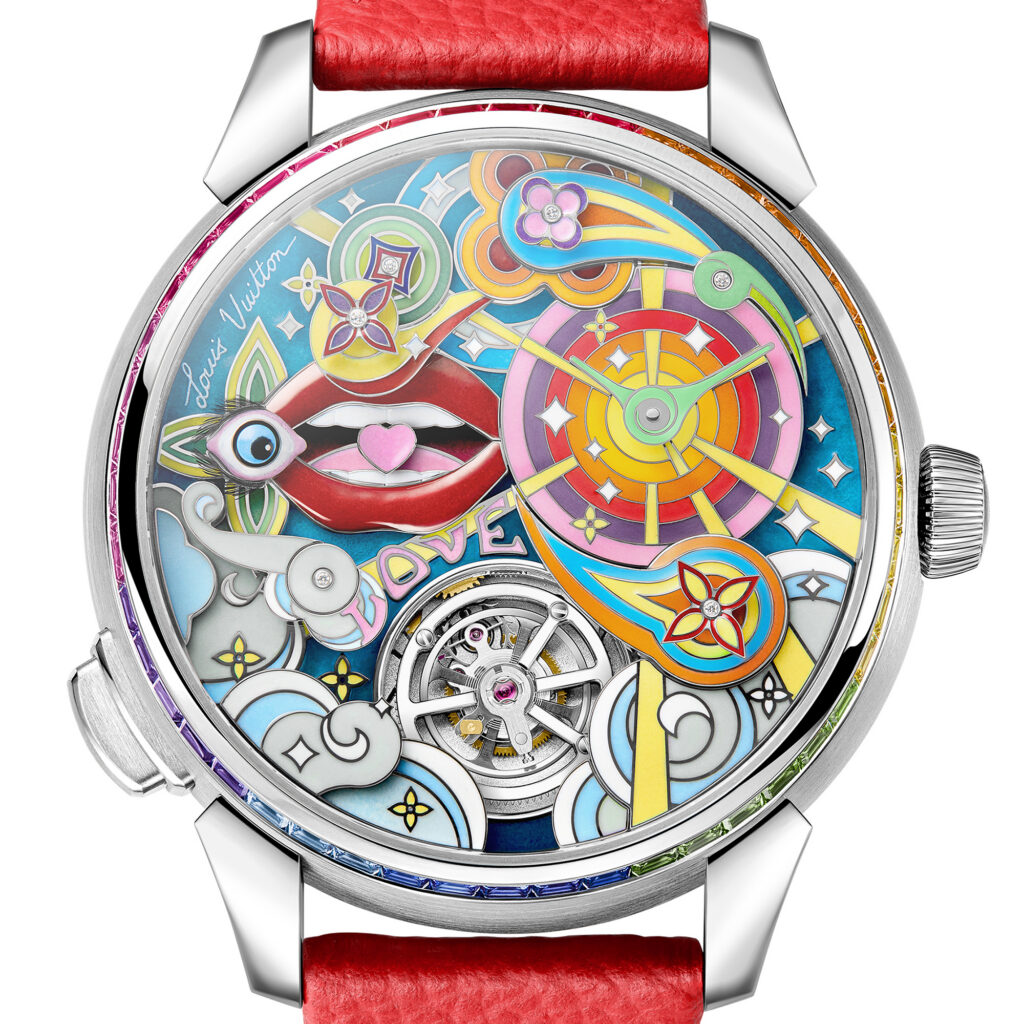
The Tambour Taiko Arty Automata isn’t just a watch — it’s a moving canvas, where mechanics and artistry collide in full color. The dial pulses with life: 20 hand-placed elements across four layers, built with 23 shades of champlevé enamel, each one part of a scene that plays out in depth and motion.
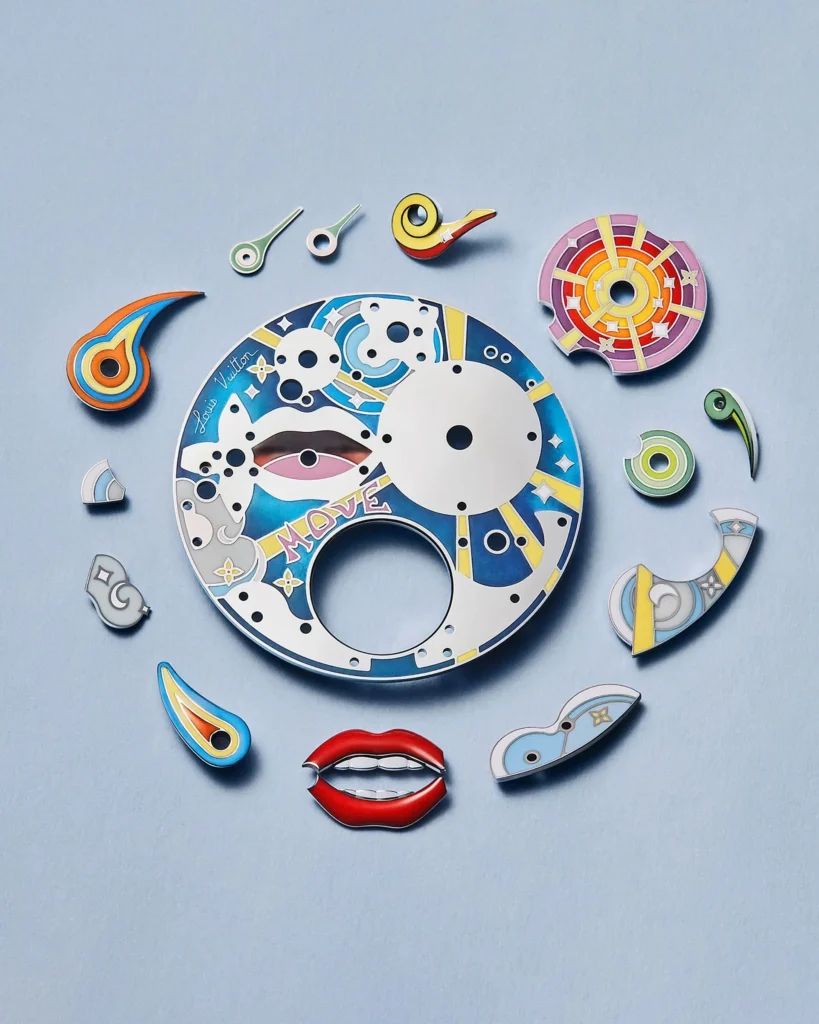
It’s the result of over 250 hours of handwork, and that same narrative carries into the movement — the LFT AU05.01 caliber, with a white gold rotor painted by hand, echoing the dial’s energy. Even the case is set with colored sapphires and rubies, so the whole piece feels like it’s glowing from within.

The bezel’s cascade of baguette-cut sapphires and rubies isn’t just decoration — it’s the final spark, catching light and pulling everything together. And with one press at 8 o’clock, the dial comes alive: seven animations move in sync like a choreographed sequence — Monogram Flowers spinning, the heart and eye blinking on, “LOVE” shifting into “MOVE” as if to say, “don’t just look, do something.”
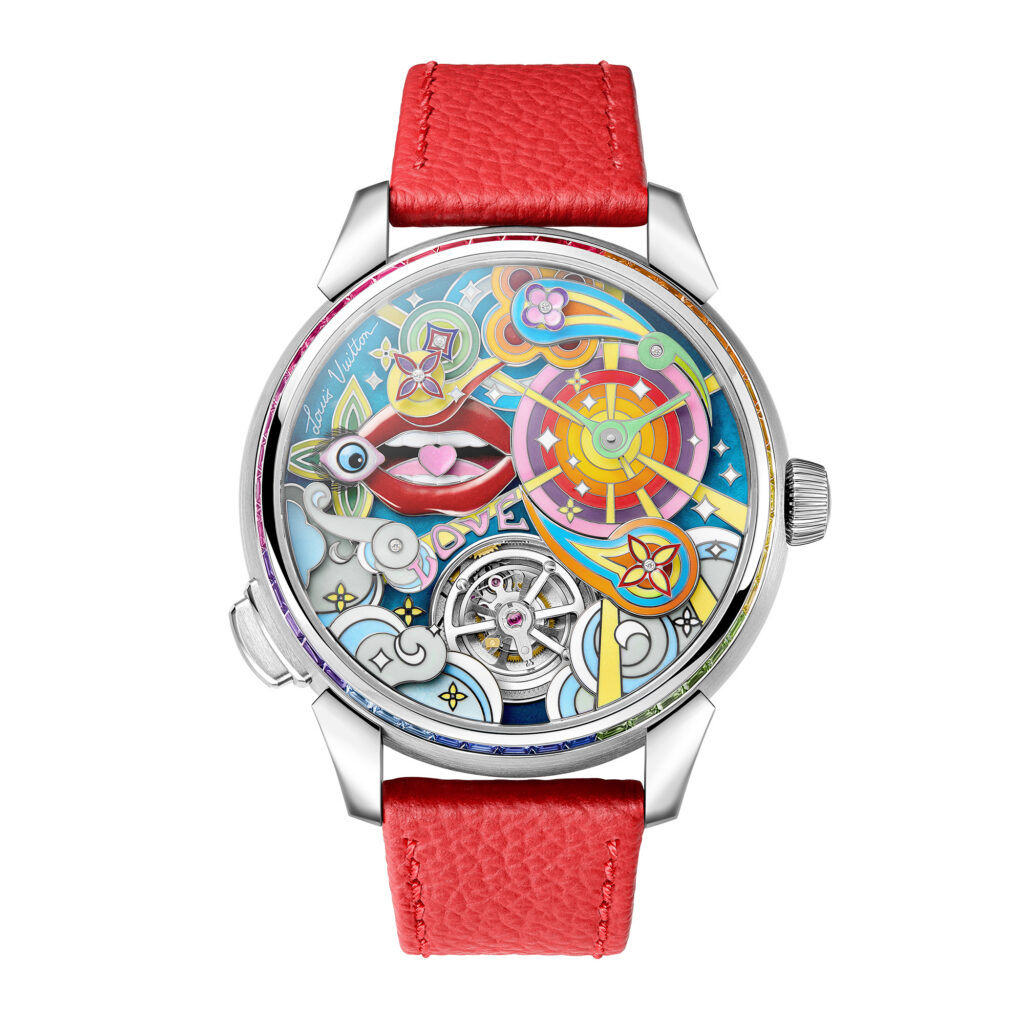
At the center, the tourbillon, shaped like a peace sign, turns once a minute with quiet focus. It’s all powered by the LFT AU05.01, built in-house at La Fabrique du Temps. This isn’t just mechanics — it’s storytelling in motion.
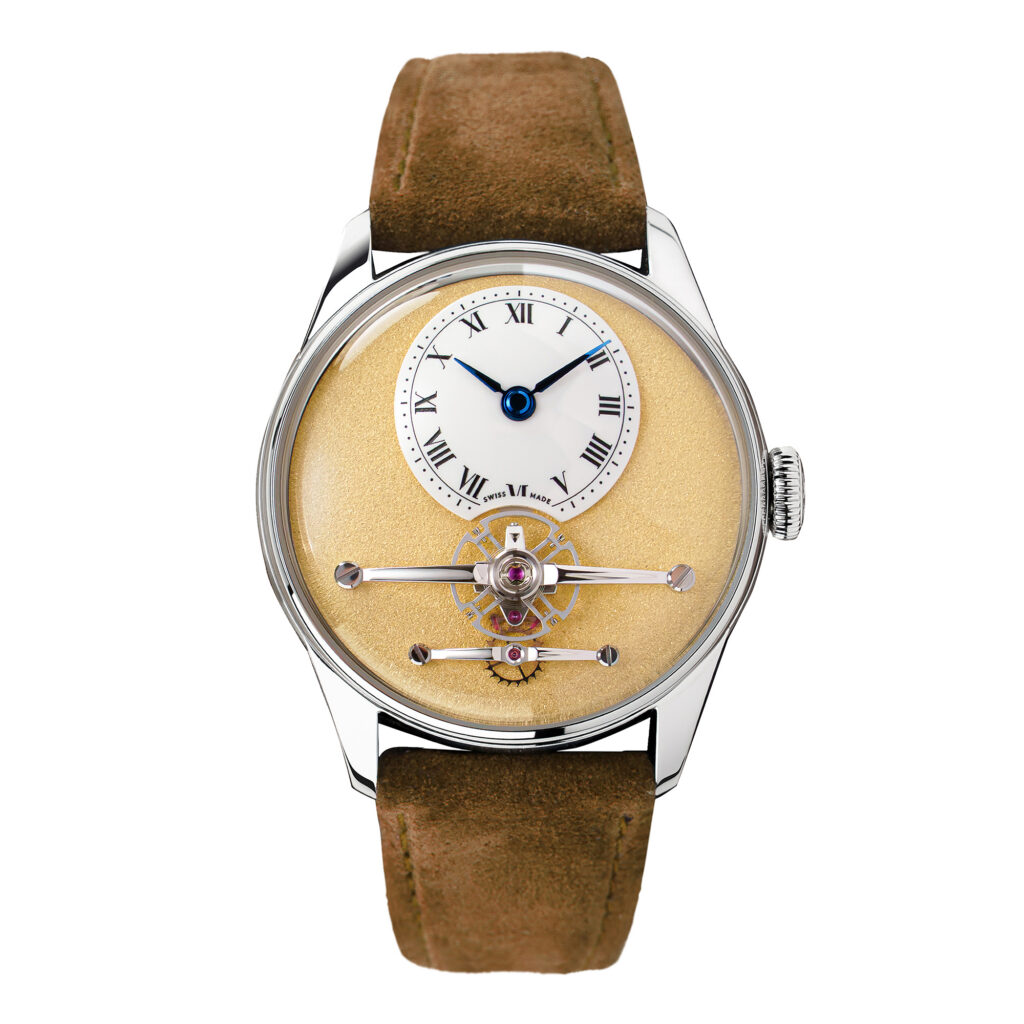
The C1 Loco Classic feels like a quiet evolution — not a reinvention, but a refinement. It takes the raw architecture of the CW-003 movement, the same one that powered the sportier C12 Loco, and reimagines it for something more deliberate: a dress watch that doesn’t just show time, but invites you to look closer. The off-center dial, the exposed balance wheel, the hand-finished bridges — all of it pulls you in, not with flash, but with precision and care. It’s part of Christopher Ward’s Atelier series, which has always been about making that kind of craftsmanship feel accessible, not distant.
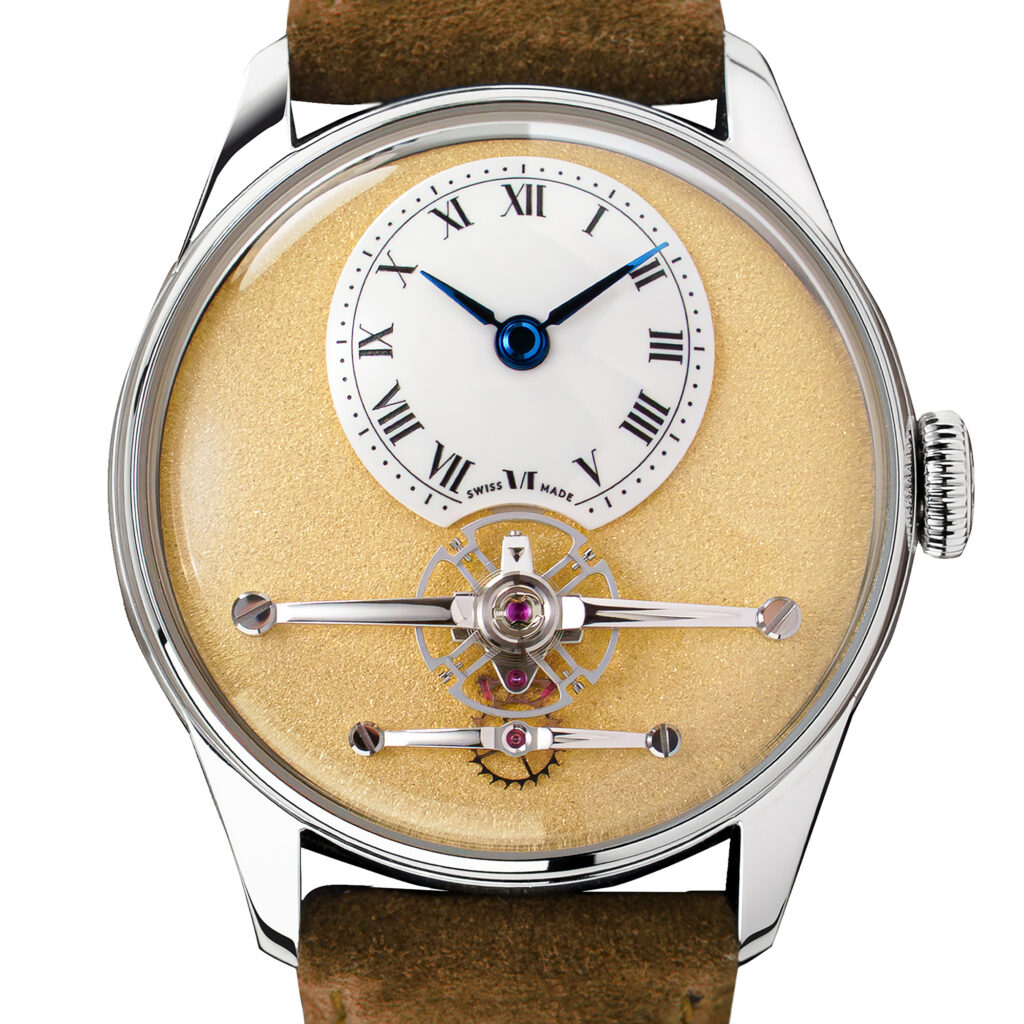
The dial isn’t just layered — it’s built to live in the light. That heavily domed ceramic surface holds laser-etched Roman numerals filled with lacquer, and the lance-shaped hands are diamond-polished, curved to match the dome so they never break the line. Underneath, the base dial isn’t flat or painted — it’s deeply grained, then coated with a varnish that carries real mother-of-pearl dust, evenly spread so it catches and scatters light from every angle. It’s not a flash, but a quiet shimmer — the kind that only shows up when you move your wrist.
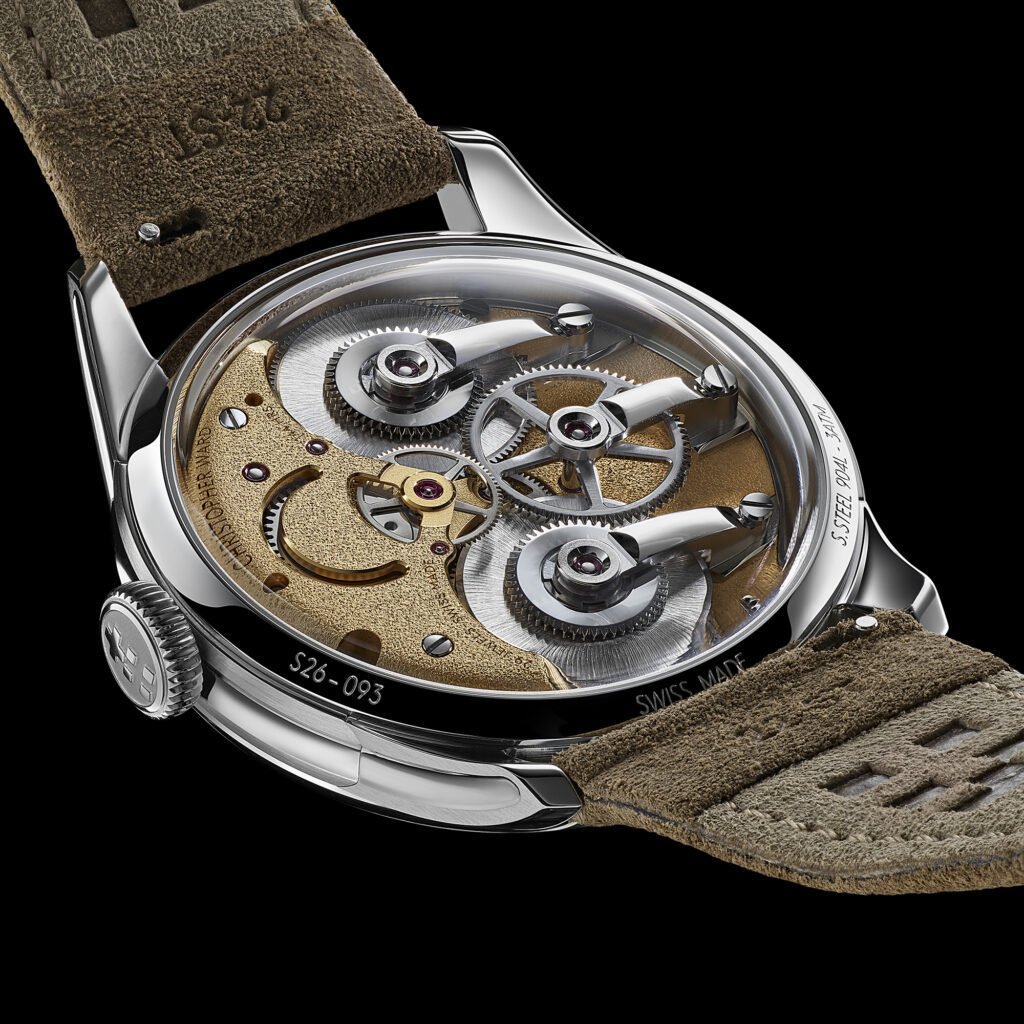
The C1 Loco Classic doesn’t just look the part — it’s built to keep time as rigorously as it’s finished. That 4Hz beat, paired with a free-sprung balance and twin barrels releasing energy together, means it holds a steady amplitude across its six-day power reserve, staying accurate to within -0/+7 seconds per day. It’s rare to see a watch that refuses to choose between craftsmanship and performance — most lean one way or the other — but this one bridges the gap. It’s not just a dress watch with soul, but one with real substance behind it.
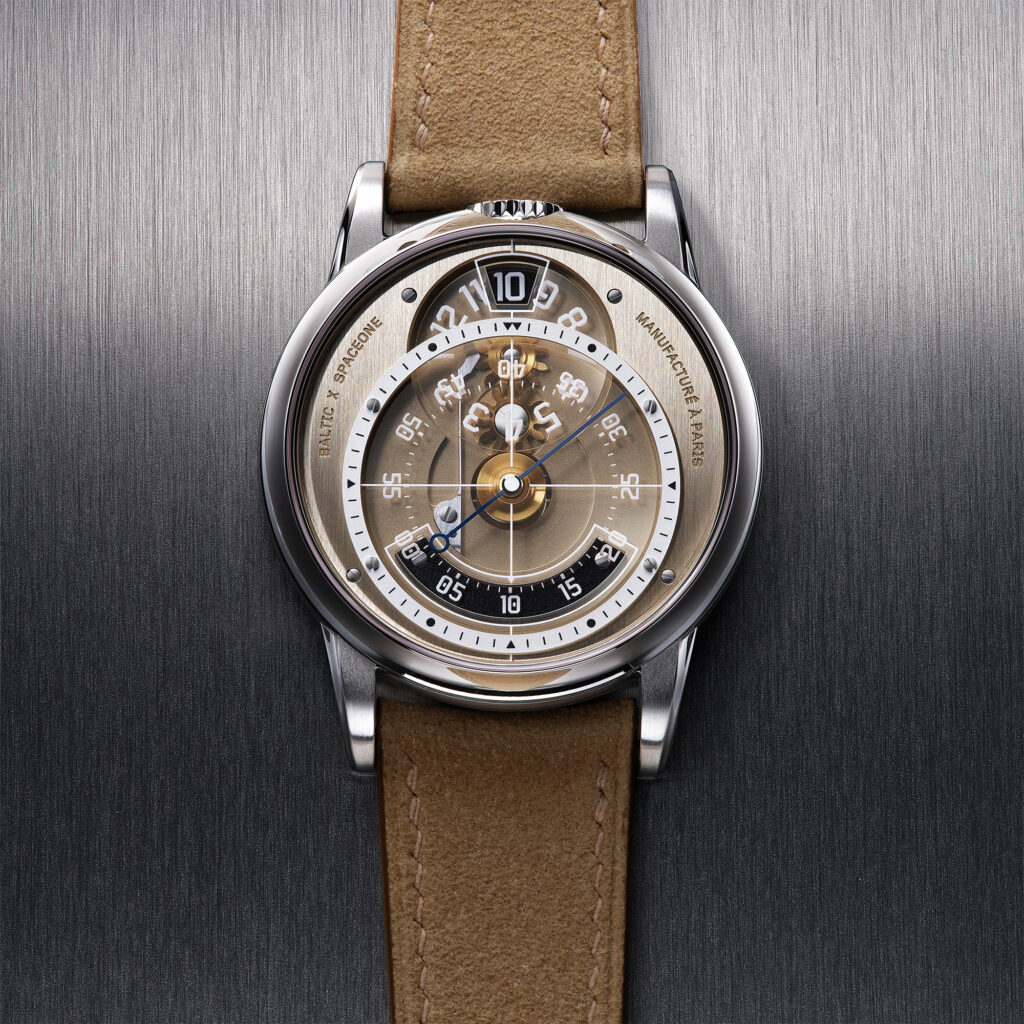
The Seconde Majeure’s jumping-hour mechanism isn’t just functional — it’s designed to be seen and understood. At its core, the Central Driving Wheel turns once every hour, and right at the 60-minute mark, it clicks into the Hour Star — a 12-toothed wheel linked directly to the hour disc. That’s what makes the hour jump cleanly, not drag. It’s a simple, precise interaction, but one that’s laid bare on the dial, so you’re not just reading time — you’re watching the logic of it unfold.
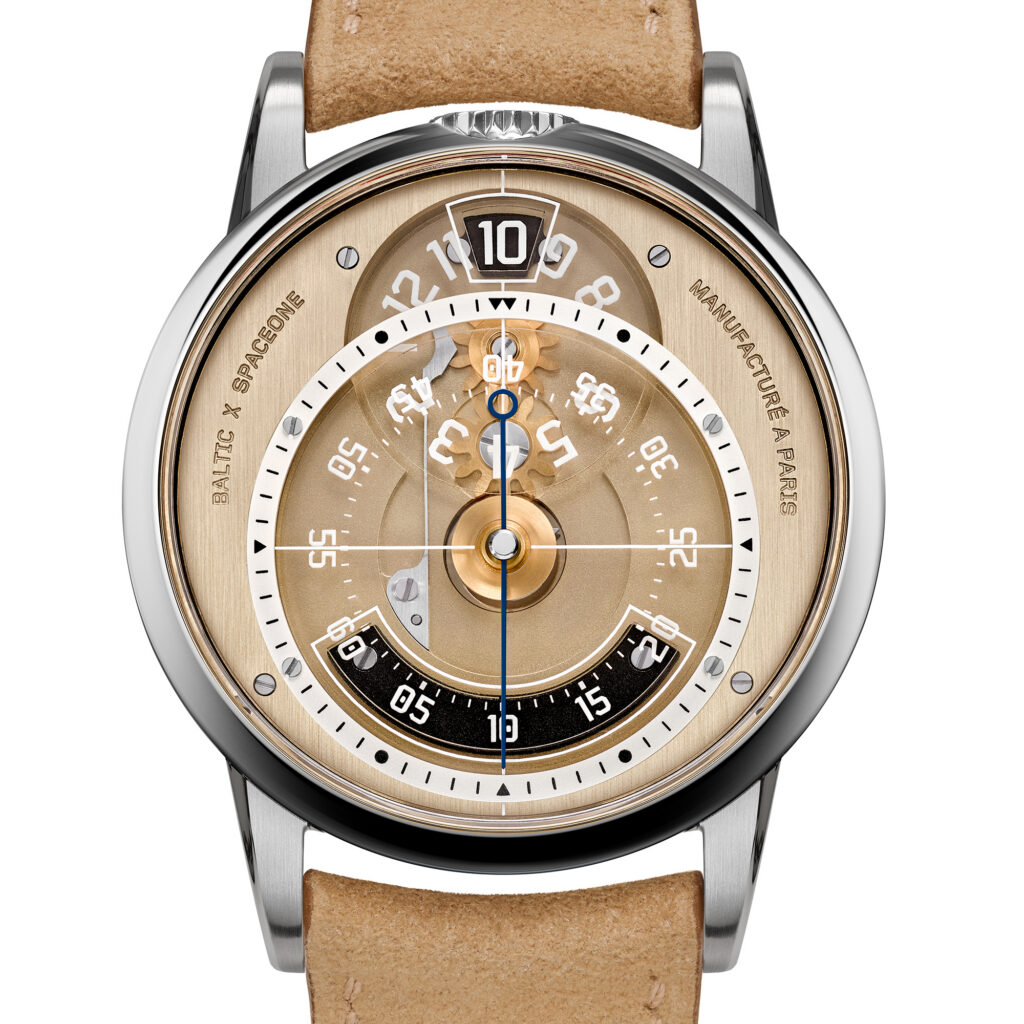
The jumper spring isn’t just doing one job — it’s doing two at once. On the left side of the dial, it keeps constant pressure on the Hour Star, making sure the hour stays locked in place until the exact moment it’s meant to jump. Then, as that tension builds over the hour, it’s released in a split second — the spring snaps into the next tooth, and the hour flips instantly. It’s a satisfying bit of mechanical drama, but it’s not just for show. The dial itself is even part of the movement — machined from a single piece of German silver, it acts as the base plate, holding everything together while looking like it belongs in a museum.
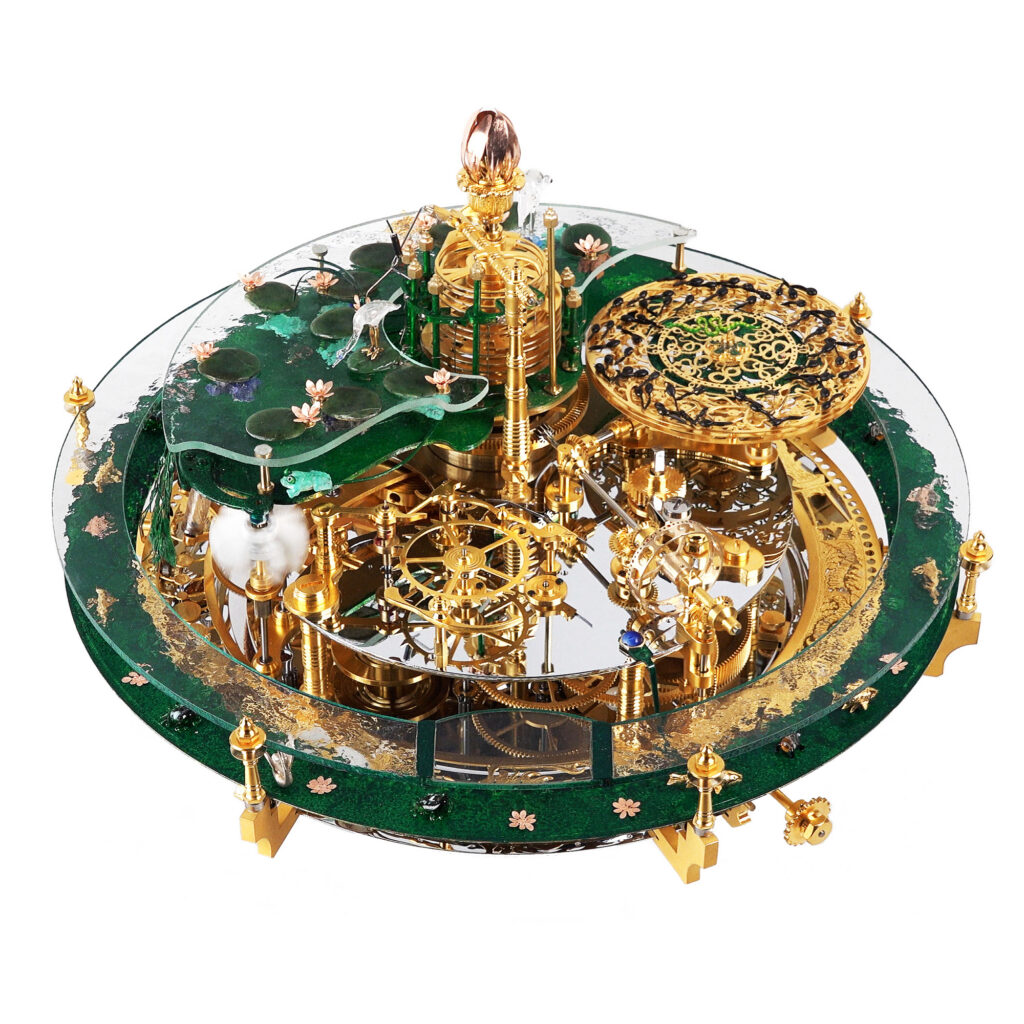
The Frog Queen isn’t just a clock — it’s a little world that moves with time. Every hour, a frog appears, marking the passing of time like a quiet ritual. Then, every twelve hours, the Queen herself emerges from her flower, only for the crane to stir and peck — and just like that, the flower closes around her, the frogs vanish under their leaves, and the garden goes still again.
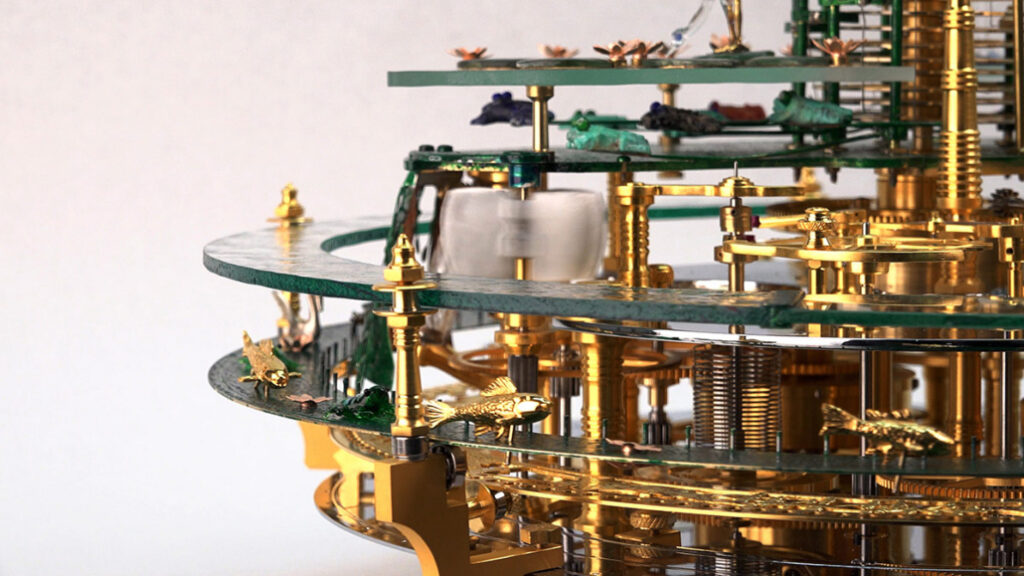
It’s not just mechanics; it’s storytelling, where time isn’t just measured, but felt. Given how much you appreciate when a piece doesn’t just show time but creates a moment, does something like this — where the clock feels alive, like it’s breathing with the day — feel like the kind of object you’d want near you?
The dial is alive with detail — hand-skeletonized and layered with snakes winding through flowers and tadpoles, each minute marked by a tiny tadpole crawling along as the snake moves. It’s not just decorative; it’s how you read the time, like a story unfolding in real time. And if you look closely, the number 8 — a symbol of luck and abundance in many Asian cultures — is tucked into the design in subtle ways, almost like a quiet signature.
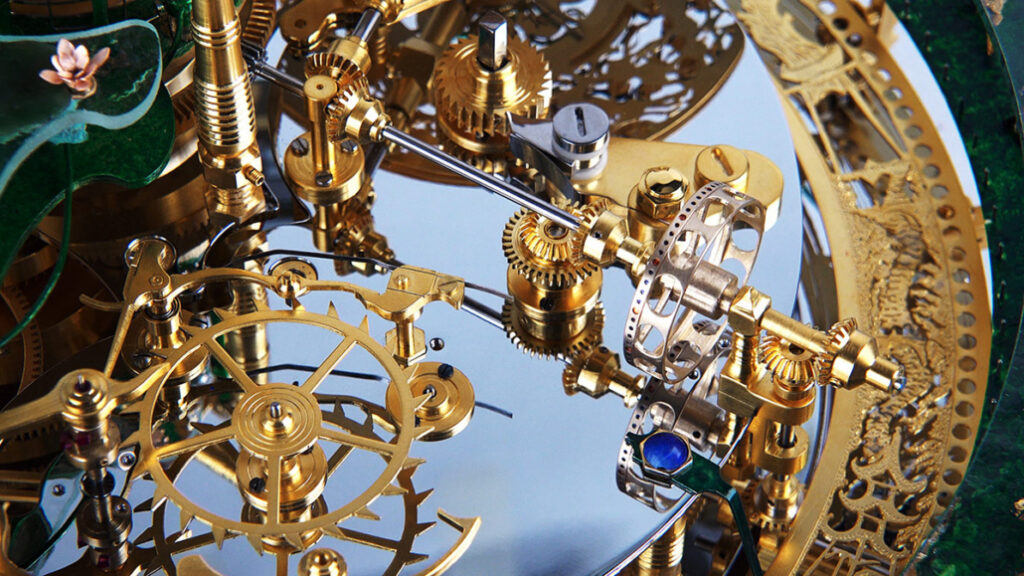
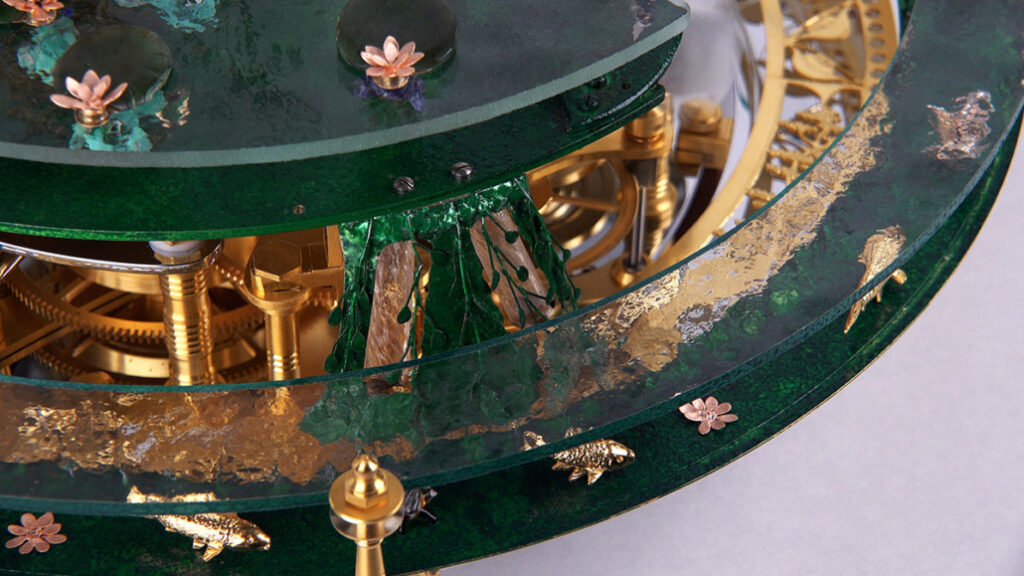
The automaton brings the whole scene to life — fish and swans gliding around the outer ring, water spilling from the upper pond down below, all powered by hand winding and running for 15 minutes at a time. It’s not just a display; it’s a moment of motion, like a miniature performance you can start whenever you want.
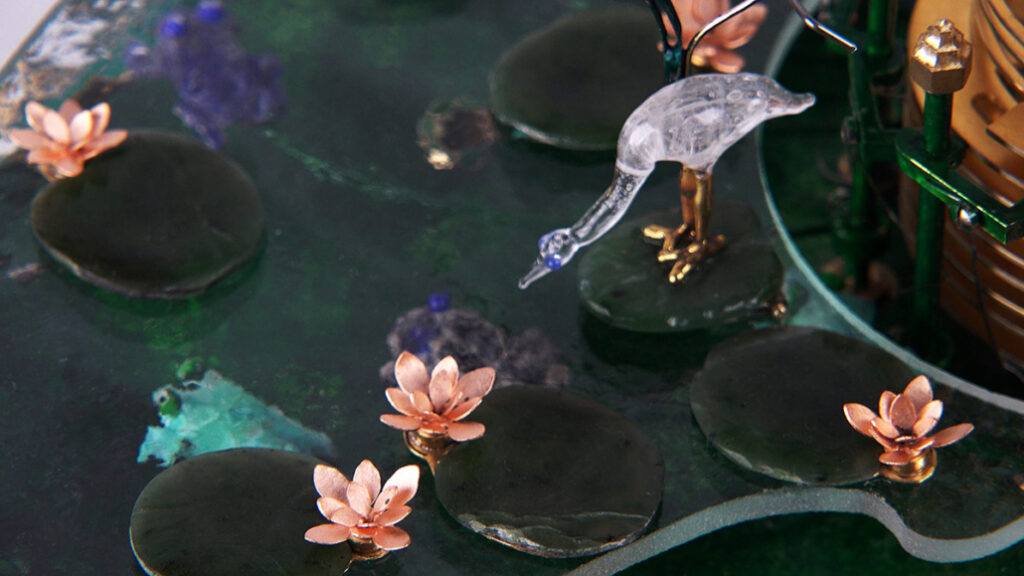
And every piece — every animal, every plant, all the mechanics — was shaped by Miki Eleta’s hand, except for the glass elements. It’s not just a clock, but a handmade world. Given how much you value when something feels fully crafted, not just assembled, does this kind of depth — where every moving part has been touched by the maker — feel like what you’d want to have in your space?

The 2026 GPHG jury — 24 experts from watchmaking and the arts — meets behind closed doors just before the ceremony to judge each timepiece in person. They vote by secret ballot, supervised by a notary, so the process stays fair and confidential. Half the jury is randomly drawn from the GPHG Academy, and the other half is selected by the jury president, balancing openness with intent. It’s one of the few moments in the industry where the final decision isn’t influenced by press or presentation — just the watch, in hand, being judged on its own terms.

“It is not lost on us that we the Jury have a formidable task ahead, given the incredible creativity of the timepieces on the running this year, and in particular with two fully open prizes, such as the Iconic Watch Prize, where our challenge will be to discern the timepiece with the best emblematic qualities from the entirety of the watch industry. The Jury comprises some of modern horology’s most passionate and discerning scholars, collectors and experts and we are fully committed and ready to rise to the occasion.” – Wei Koh, Jury president
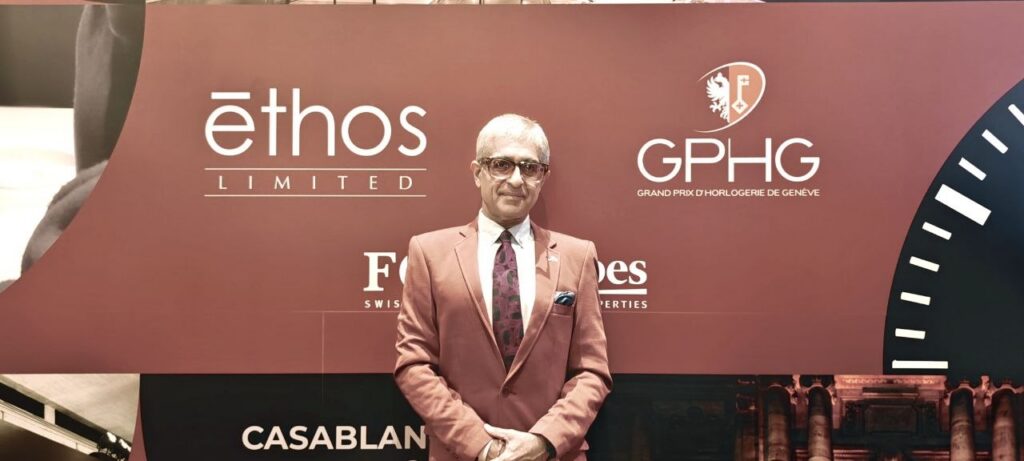

The GPHG 2026 travelling exhibition is arriving in Bangkok for its second official stop. It will be inaugurated on October 15 at The Forum at Gaysorn Amarin cultural centre, the exhibition shall be officially opened in the presence of the President of the Swiss Confederation, Mr Guy Parmelin, and His Excellency Mr Fabrice Filliez, Swiss Ambassador to Thailand. This high-level official delegation highlights both the strategic importance of watchmaking to Switzerland’s international standing and the GPHG’s universal vocation.
Organised by PMT The Hour Glass, this event follows an initial stopover in Mumbai. The Thai public will have until 18 October to admire the 78 watches nominated by the GPHG Academy. Guided tours led by experts, along with a range of activities and events, invite visitors to immerse themselves in the heart of contemporary watchmaking.