
RISK TO RESILIENCE IN FINANCE WORLD
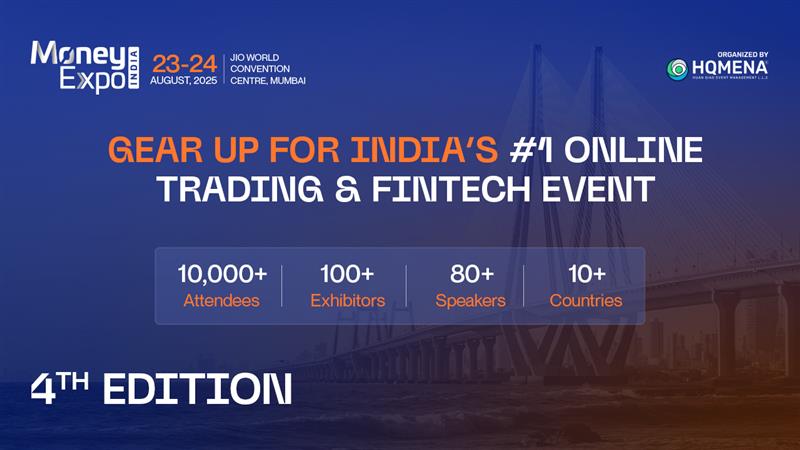
Money Expo India has evolved into a cornerstone of India’s financial calendar, now standing as the nation’s largest convergence of traditional finance and cutting-edge innovation. From its roots as a niche gathering, it has surged in scale and influence—drawing over 10,000 attendees, 100+ exhibitors, and 80+ thought leaders across stockbroking, wealth tech, fintech, crypto, and regulatory domains. As it enters its 4th edition, the 2025 summit reflects a maturing ecosystem where legacy markets meet next-gen technologies, creating a dynamic platform for collaboration, discovery, and growth in India’s ever-evolving financial landscape.
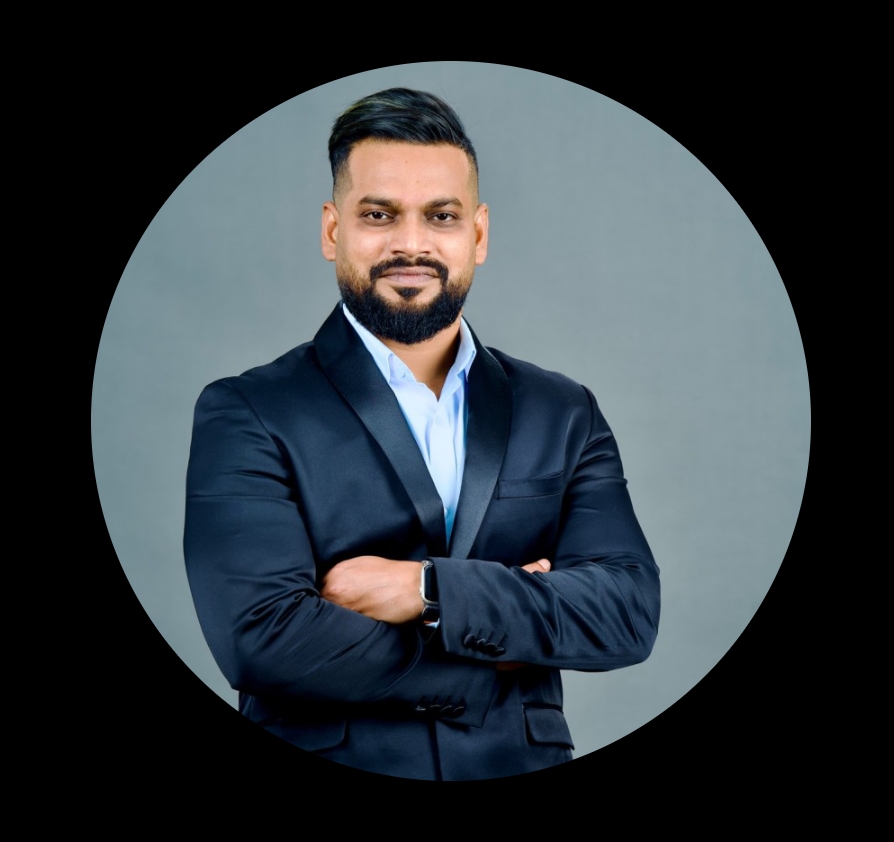
“India’s fintech and online trading sectors are evolving rapidly, supported by digital infrastructure, rising literacy, and a progressive regulatory framework. Since its inception, Money Expo India has delivered tangible value to attendees, exhibitors, and partners. The 2025 edition will be our most impactful yet,” said Niyaz Mohamed, Commercial Director, Money Expo India.
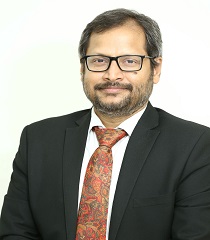
Dr. Tirthankar Patnaik, Chief Economist at the National Stock Exchange (NSE), highlighted India’s rapid rise to global prominence in capital raising during a keynote panel session titled ‘Equity Edge – Stocks, ETFs, Mutual Funds & IPOs’.
During the session, which took place at Mumbai’s Jio World Convention Centre during the Money Expo, he outlined several key elements of India’s financial prowess:
Global Standing in Capital: He emphasized that companies rely on public listings to scale, and India has emerged as one of the world’s leading markets in raising capital, tracking figures well into the tune of $20 billion.
Retail Participation: The discussions underscored how the Indian stock market has witnessed a structural shift with robust domestic capital inflows, driven by surging retail investor participation through Systematic Investment Plans (SIPs) and ETFs.
Capital Market Ecosystem: Dr. Patnaik discussed how the NSE’s robust infrastructure and transparency are cementing India’s position as a premier financial hub in the broader Asian and global markets.
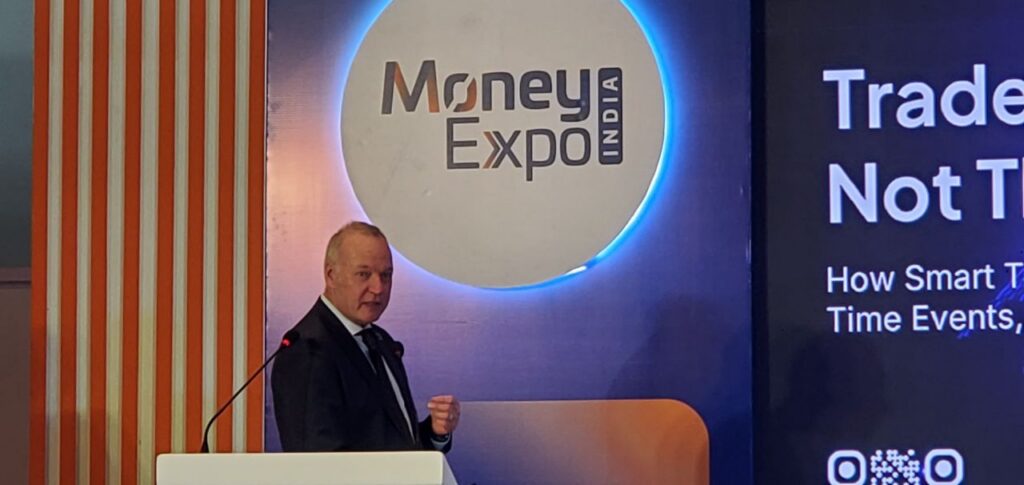
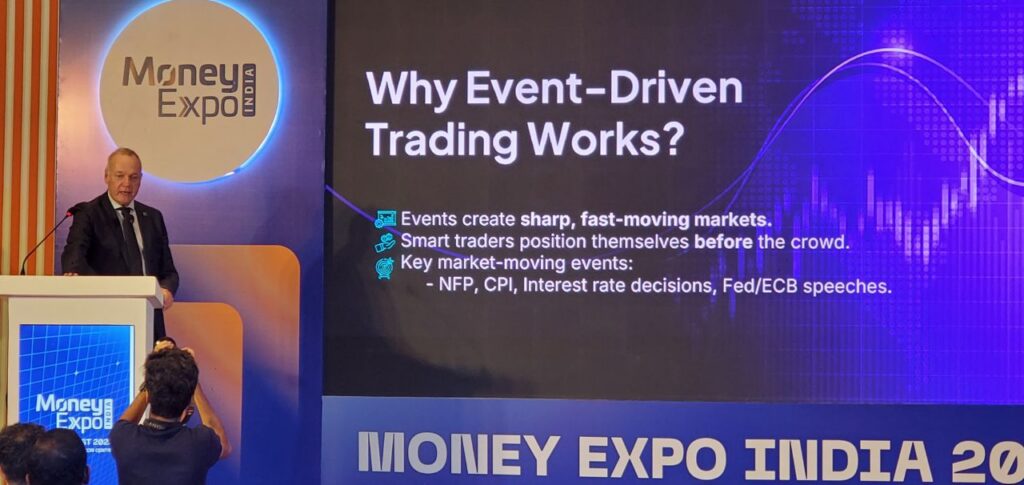
Richard Wynn, the CEO of Neex Securities L.L.C., delivered a highly anticipated keynote speech titled “Trading the News, Not the Noise” at Money Expo India 2025.
Core Takeaways from the Keynote
Identifying High-Impact Catalysts: Practical techniques to distinguish actionable economic data from sensationalized media headlines.
Event Timing: Frameworks on how smart traders accurately time their market entries and exits around major news events.
Managing Volatility: Strategies to protect capital and stay ahead of the crowd during sudden, news-driven market swings.
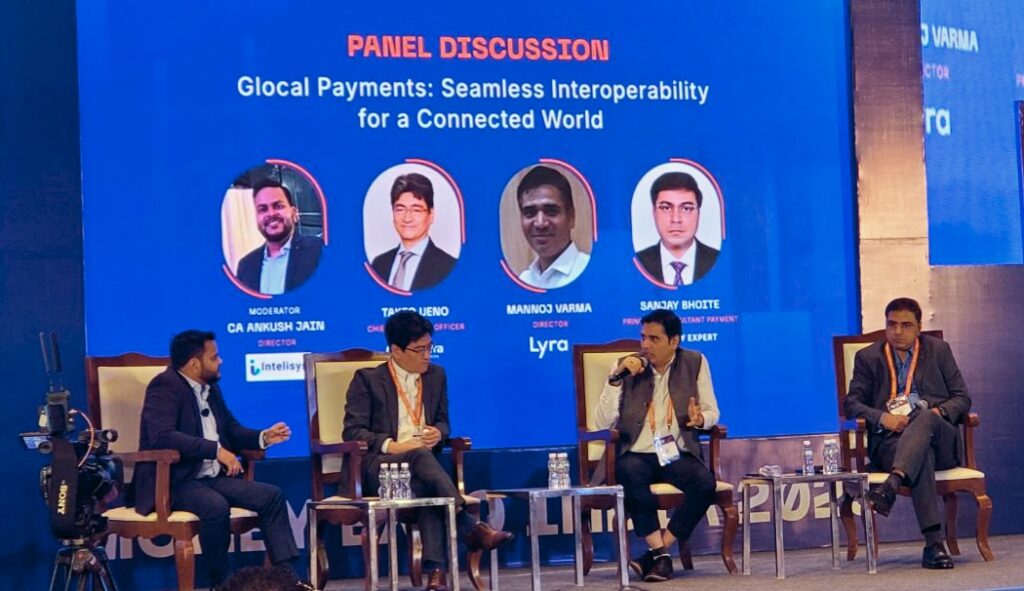
The panel session “Glocal Payments: Seamless Interoperability for a Connected World” at Money Expo India 2025 emphasized bridging distinct regional infrastructures—like India’s UPI and Japan’s systems. Key discussions highlighted how cross-border collaboration and regulatory alignment are essential for building a truly integrated, borderless financial ecosystem.
Key Takeawaysp
Bridging Digital Infrastructures: Industry leaders underscored that while many countries have robust, localized digital infrastructures, the true future lies in connecting these siloed networks.
Customer & Lender Interoperability: Experts, such as Takeo Ueno (CEO, NTT Data Payment Services India), pushed for seamless interoperability between payment apps, lenders, and consumers, which ultimately benefits both retailers and end-users.Cross-Border Harmonization: Panelists noted that achieving “glocal” (global reach with local relevance) payments requires overcoming cross-cultural challenges, differing compliance laws, and specific regulatory mandates.
Empowering Retailers: Creating open, interoperable payment rails between different apps and banks means local merchants can accept a wider variety of payments without worrying about closed-loop system limitations.
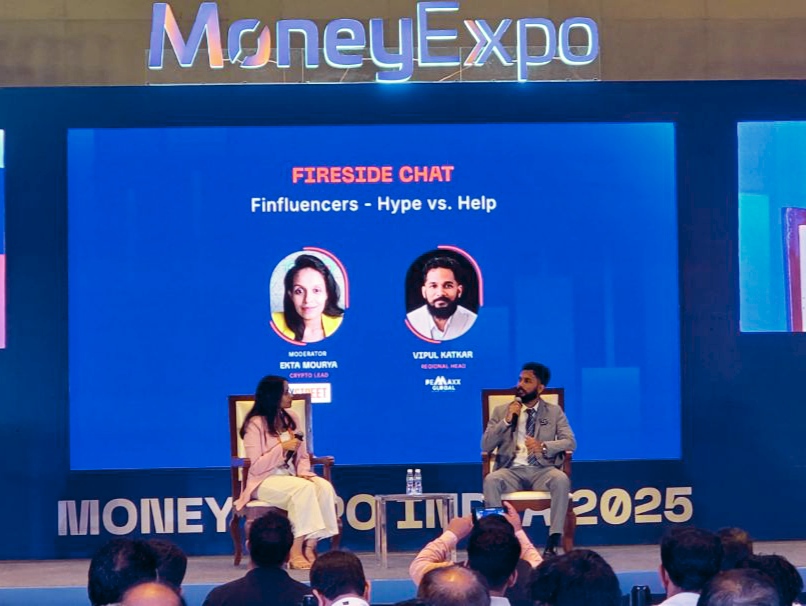
The ‘Finfluencers – Hype vs Help’ fireside chat at Money Expo India in Mumbai highlighted the tension between social media hype and objective financial education. Key takeaways included enforcing strict disclosure norms, spotting evidence-based guidance, and relying only on verified SEBI-registered advisors to protect your capital.
The panel—featuring financial and crypto experts like Vipul Katkar and Akhil Gupta, and moderated by Ekta Mourya—emphasized specific actionable strategies for modern investors navigating social media:
Evidence vs. Emotion: Always separate educational content from sensationalism or FOMO-driven “hype” that often underperforms the market.
Mandatory Transparency: Finfluencers must enforce clear disclosure standards so followers understand if content is sponsored, or if the creator holds a vested interest in the assets being promoted.
Regulated Guidance: Shift reliance from generic social media stock picks to certified professionals regulated by financial authorities.
Independent Research: Leverage finfluencer insights only as a starting point, and always conduct your own fundamental or technical analysis before executing trades.
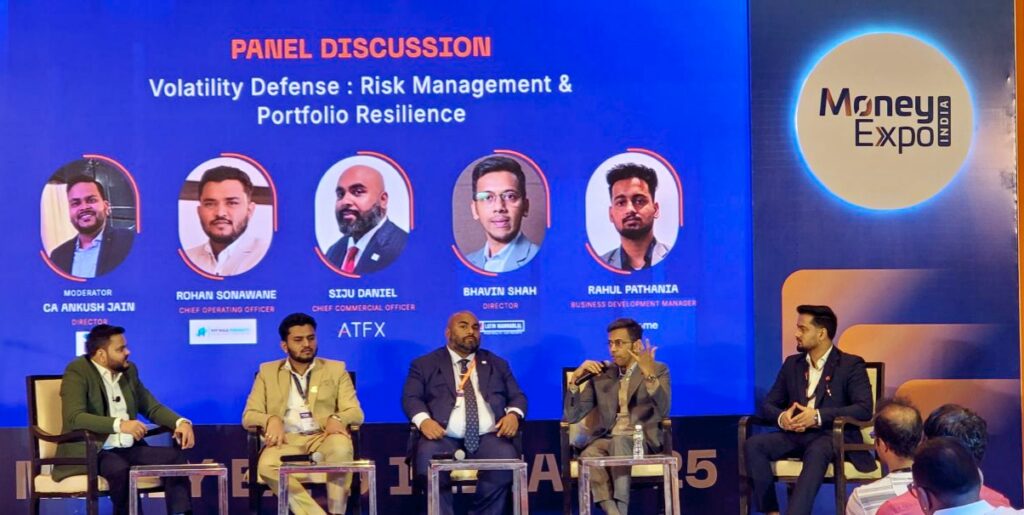
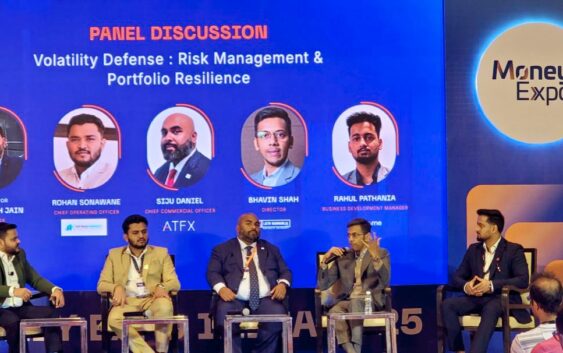
Key takeaways from the “Volatility Defense: Risk Management & Portfolio Resilience” panel at The Money Expo India emphasize building all-weather portfolios through strategic asset allocation, dynamic risk-adjusted returns, and navigating macro-geopolitical uncertainties.
Focus on Quality and Stock Picking: Generating sustainable alpha during volatile periods requires moving beyond blindly tracking the index and concentrating on data-driven, quality stock selection.
Diversification Across Asset Classes: Relying purely on equities increases portfolio vulnerability. Integrating debt and alternative assets is essential to buffer against sharp market drawdowns.
Macroeconomic and Geopolitical Safeguards: Experts highlighted the need to track external sector risks—such as global oil price fluctuations and Balance of Payments (BoP) pressures—which directly impact market sentiment.
Regulatory Governance: A continued focus on SEBI regulations and market transparency provides a strong foundation for long-term investor confidence during short-term volatility.
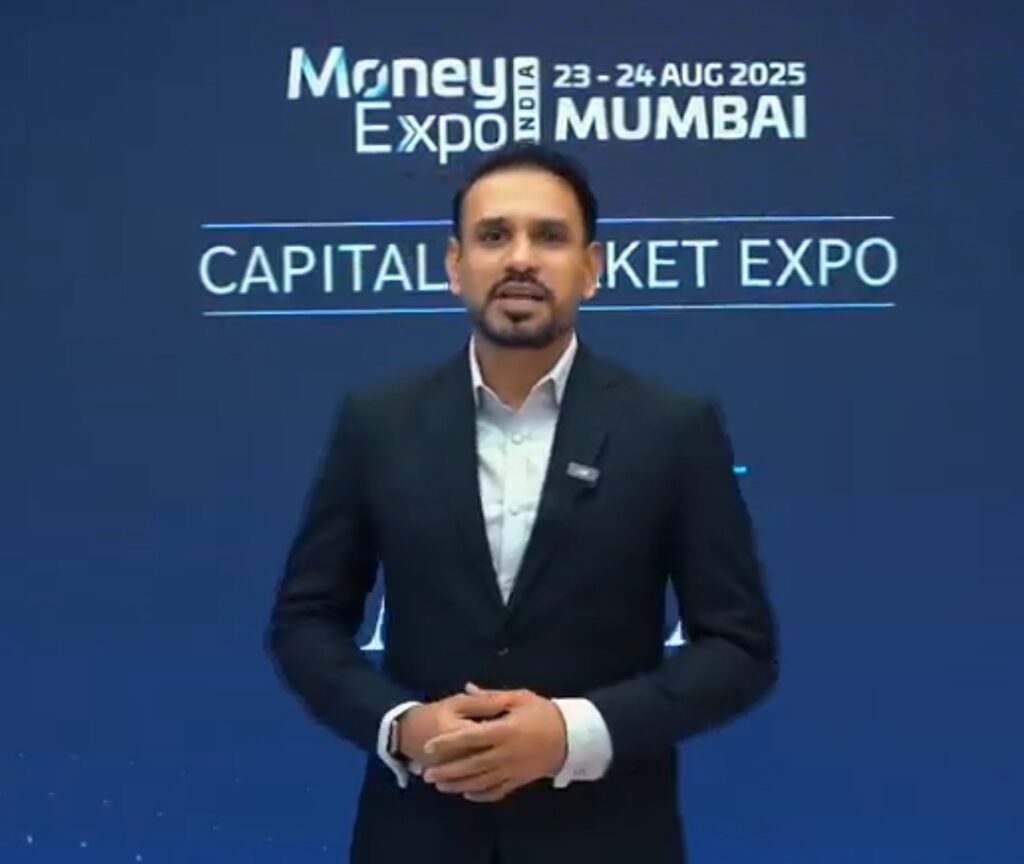
At Money Expo India 2025 in Mumbai, Mitul Kapadia ACSI, Chief Operating Officer (COO) of ANAX Capital, delivered key insights focused on expanding cross-border financial markets, building investor trust, and the realities of modern trading technology.
Core Takeaways on Trading & Investments
The Reality Cost of Technology: Modern traders expect flawless, immediate execution and advanced technological interfaces. Kapadia emphasizes that building and maintaining top-tier fintech infrastructure is a major financial commitment, but failing to invest in it costs a brokerage much more in the long run.
Hybrid Tech Strategy: To optimize execution speed and precision, firms should utilize a hybrid tech strategy. A broker should build in-house proprietary technology for highly unique client needs, but partner with trusted third-party providers to deploy proven, speed-critical systems like the MT5 trading stack.
Democratising Global Asset Access: Indian investors are increasingly looking outward for long-term wealth creation. Portfolios should prioritize secure, regulated gateways to multi-asset international products, including U.S. equities, spot forex, global CFDs, futures, and indices.
Transparency is the New Currency: In an era of high-frequency trading and algorithmic retail platforms, market success relies entirely on transparency, robust corporate governance, and strict compliance. Trading securely under strong regulatory frameworks (such as the SCA) remains the ultimate factor for building sustained investor confidence
“Trade Smarter, Not Louder”: Echoing a theme from his international market keynotes, Kapadia stressed that retail success requires moving away from speculative noise. Instead, traders should rely heavily on automated risk management frameworks, institutional-grade trade flows, and continuous financial literacy.