
LEADERS ON THE FUTURE Of INDIAN D2C & AI COMMERCE
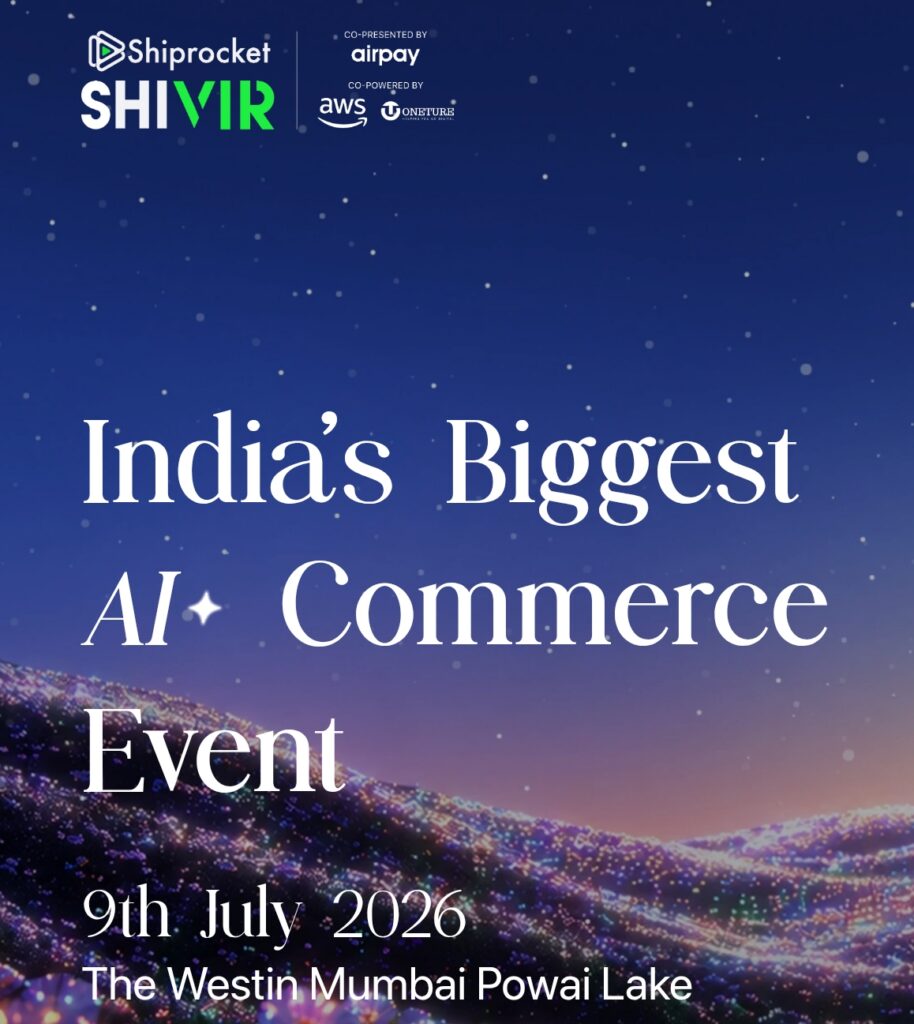
Shiprocket SHIVIR Mumbai 2026 took place on July 9, 2026, at The Westin Mumbai Powai Lake, bringing together over 2,500 attendees, 1,000 D2C brands, and 100 industry leaders under the theme AI x Commerce. Co-presented by airpay and powered by AWS and Oneture, the summit featured prominent speakers like Shiprocket CEO Saahil Goel and boAt Co-founder Aman Gupta, who explored how artificial intelligence is driving the next wave of e-commerce, shipping efficiency, and consumer experiences in India.
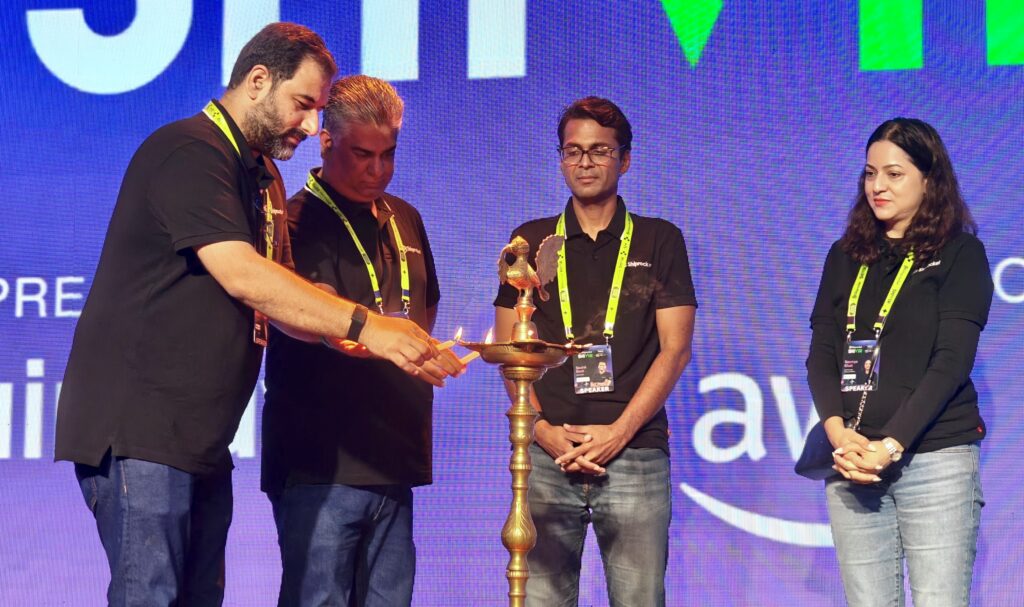
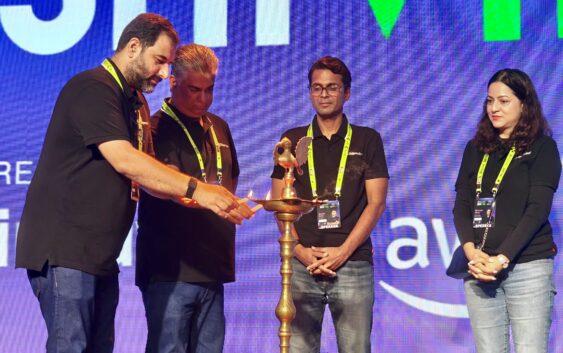
On this auspicious day, the inauguration was marked with the lighting of a lamp — a quiet but powerful beginning. The flame, steady and bright, carried with it the hope and care of everyone present. It wasn’t just about turning on the light — it was about welcoming what comes next, together.
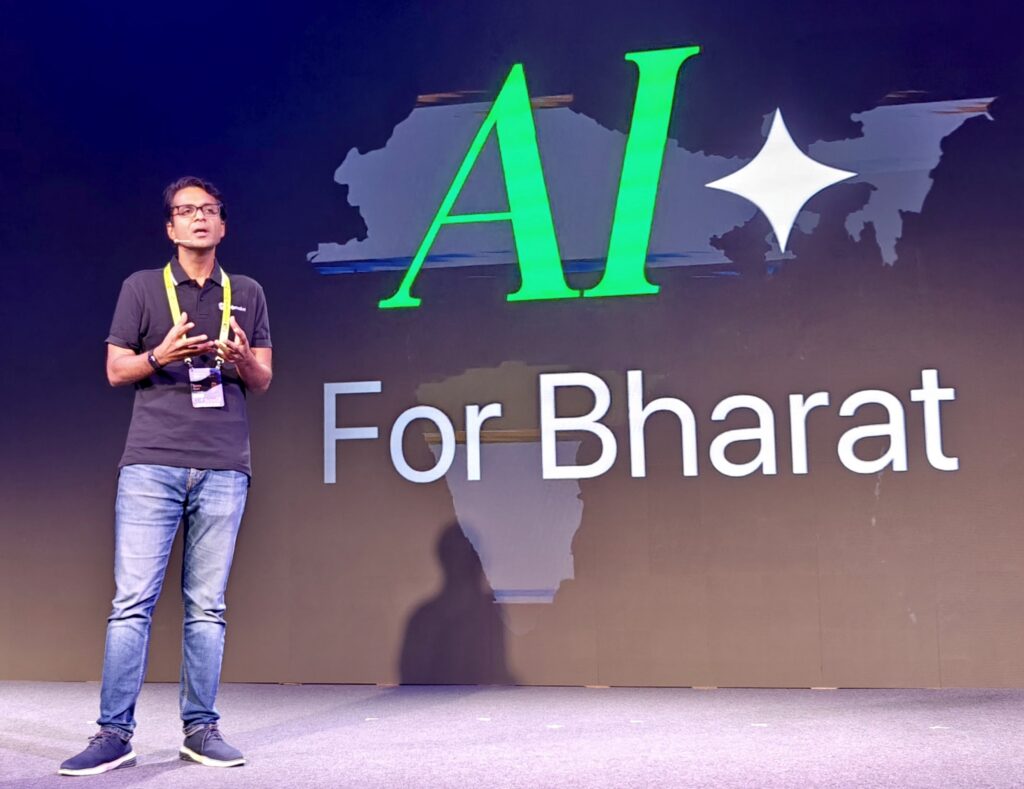
At the Shiprocket SHIVIR 2026 keynote in Mumbai, MD & CEO Saahil Goel detailed a three-tiered AI adoption strategy—AI for Shiprocket, AI for Sellers, and AI for Bharat—designed to embed intelligence into the core of Indian MSME commerce. To accelerate its own product velocity, Shiprocket rewired its internal operations, resulting in 70% of its codebase being written by AI and 65% of customer support queries being autonomously resolved. By leveraging machine learning over billions of historical transactions, the company translates complex consumer signals into structured, actionable insights tailored specifically for tier-2, tier-3, and rural Indian markets, automating repetitive operational friction so merchants can focus entirely on core business growth.
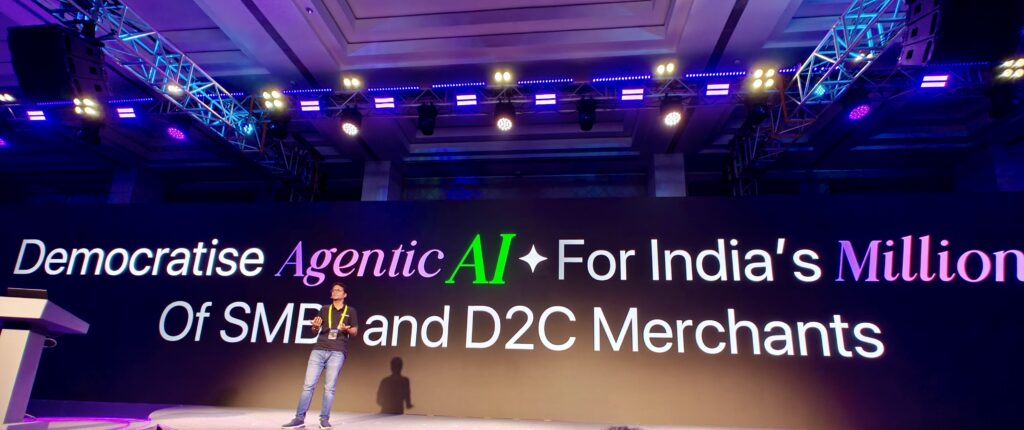
The crown jewel of this AI infrastructure is Fastrr, India’s first consolidated, AI-native pre-order growth and checkout suite built directly on Shiprocket’s proprietary Commerce Graph. Instead of forcing D2C brands to stitch together disconnected third-party plugins, Fastrr unites checkout optimization, ad tracking, and cart recovery into a single intelligent layer. Key features include a passwordless checkout that delivers a 70% faster purchase experience, an “Identify” tool that unmasks up to 40% of anonymous ghost traffic, and “Fastrr Ads” which partners with Meta to optimize marketing campaigns against successfully delivered orders rather than mere clicks, ultimately slashing customer acquisition costs by 15%.
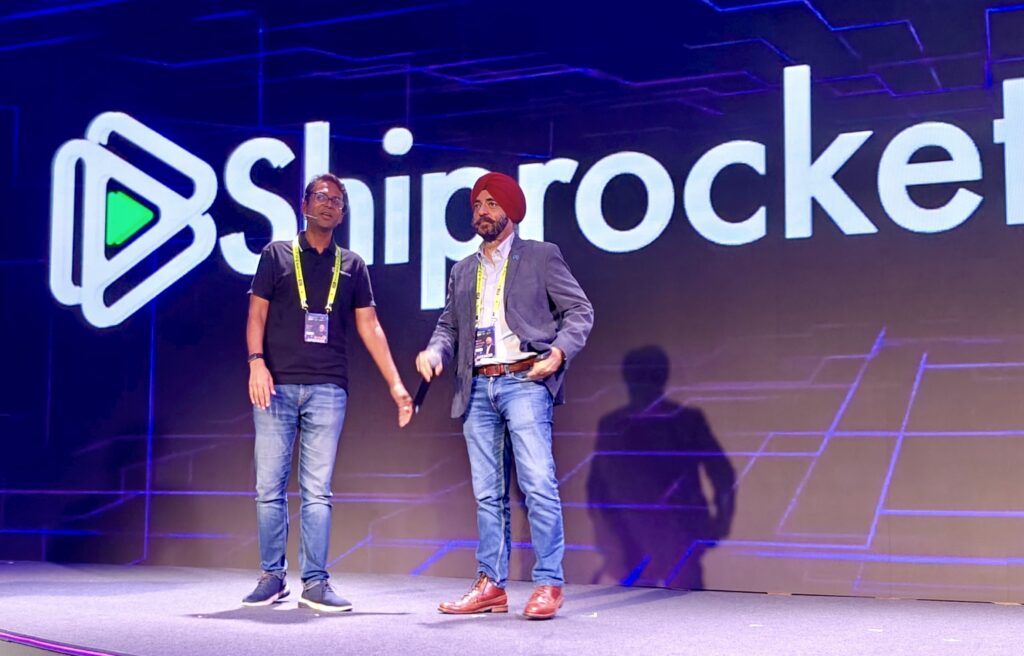
At the Shiprocket SHIVIR 2026 summit in Mumbai, Saahil Goel (MD & CEO, Shiprocket) and Gaurav Jeet Singh (Director Agencies & VC Partnerships, Meta) discussed how AI is evolving from a standalone tool into a foundational infrastructure stack for India’s D2C and MSME sectors. Goel emphasized that modern founders do not lack digital tools but rather execution clarity. By embedding AI natively across the entire commerce journey—from discovery to delivery—businesses can automate complex workflows and lower operational barriers. This democratization allows India’s 60 million small and medium enterprises, particularly those in Tier-2 and Tier-3 cities, to access enterprise-grade capabilities and shift their human focus toward strategic growth.
The session highlighted the critical convergence of social discovery and seamless fulfillment to solve real-world e-commerce friction. Platforms like Meta bridge the gap between consumer intent on WhatsApp or Instagram and backend logistics, utilizing AI to optimize ad spends and conversational commerce. To power this unified stack, Shiprocket highlighted solutions like Fastrr, an AI-native checkout suite designed to increase conversion speeds and lower customer acquisition costs. Additionally, the stack integrates predictive engines like Shiprocket Sense to handle background address validations and intelligent query routing, drastically reducing costly Return-to-Origin (RTO) rates for regional sellers.
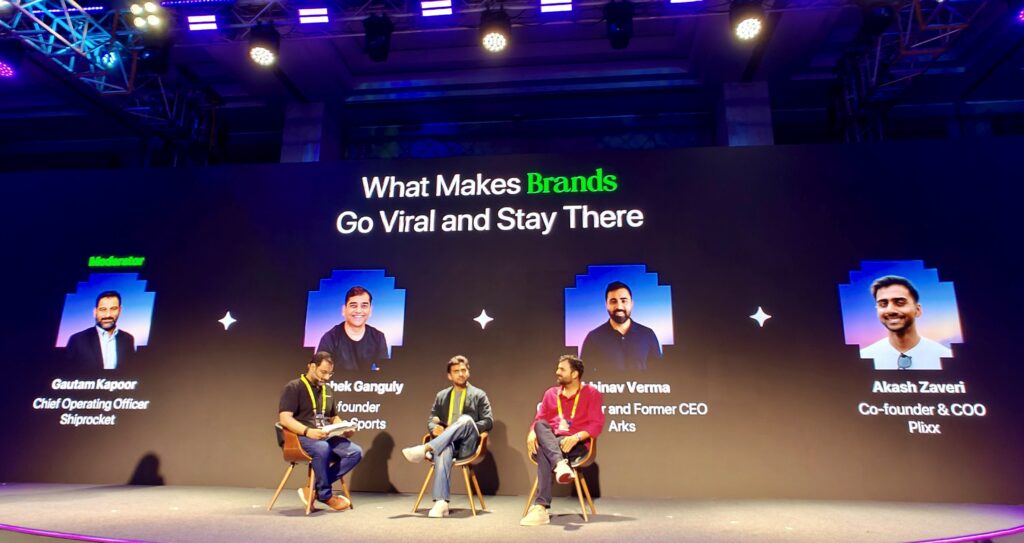
The industry leaders emphasized that while virality requires capturing immediate cultural sub-cultures through raw, authentic storytelling, long-term brand survival depends heavily on robust operational fundamentals. The panel highlighted that initial social media hype is functionally useless without high-conversion logic and a product experience that drives high customer retention rates. Founders were urged to shift focus from temporary top-of-funnel metrics to stabilizing bottom-of-funnel health, ensuring sustainable Customer Acquisition Cost (CAC) payback periods and building defensible, direct-to-consumer ecosystems that graduate beyond third-party marketplaces.
To sustain the traffic generated by a viral spike, the discussion focused heavily on eliminating post-purchase friction and optimizing delivery metrics. Panels noted that a frictionless checkout experience—such as utilizing automated address features to combat cart abandonment—can significantly boost conversion rates. Furthermore, maintaining profitability during rapid scaling requires strict management of Return to Origin (RTO) risks and prioritizing Delivered Return on Ad Spend (Delivered ROAS) over simple Ad ROAS, ensuring that viral momentum translates into profitable, compounding long-term revenue.
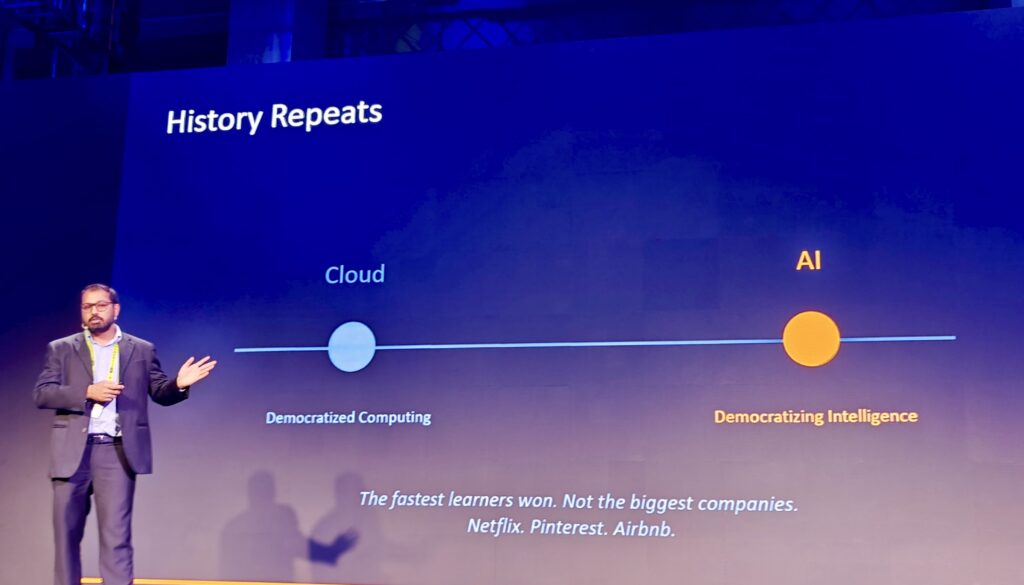
At the Shiprocket SHIVIR 2026 summit, Pritish Mhatre argued that e-commerce brands must stop relying on passive, historical dashboards and instead deploy autonomous AI agents powered by AWS cloud infrastructure to turn every digital footprint—or “data breadcrumb”—into a proactive, predictive logistics strategy. He emphasized that while pricing and products can be easily copied, a company’s proprietary operational data remains its ultimate, irreplaceable competitive edge for scaling efficiently across India.
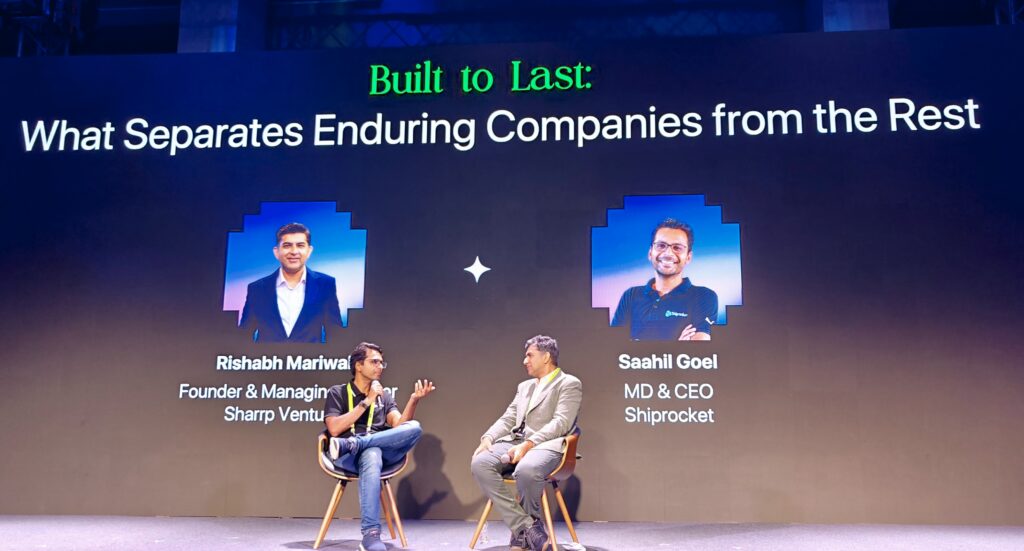
At Shiprocket SHIVIR 2026 in Mumbai, Rishabh Mariwala and Saahil Goel shared critical strategies for building resilient, long-term businesses. The core takeaway centered on integrating advanced technologies like AI natively into foundational systems—such as customer trust, product discovery, and fulfillment infrastructure—rather than treating them as superficial add-ons. Goel highlighted that enduring companies maintain a strict balance between aggressive scaling and disciplined unit economics, ensuring that growth does not compromise the underlying profitability or stability of the business.
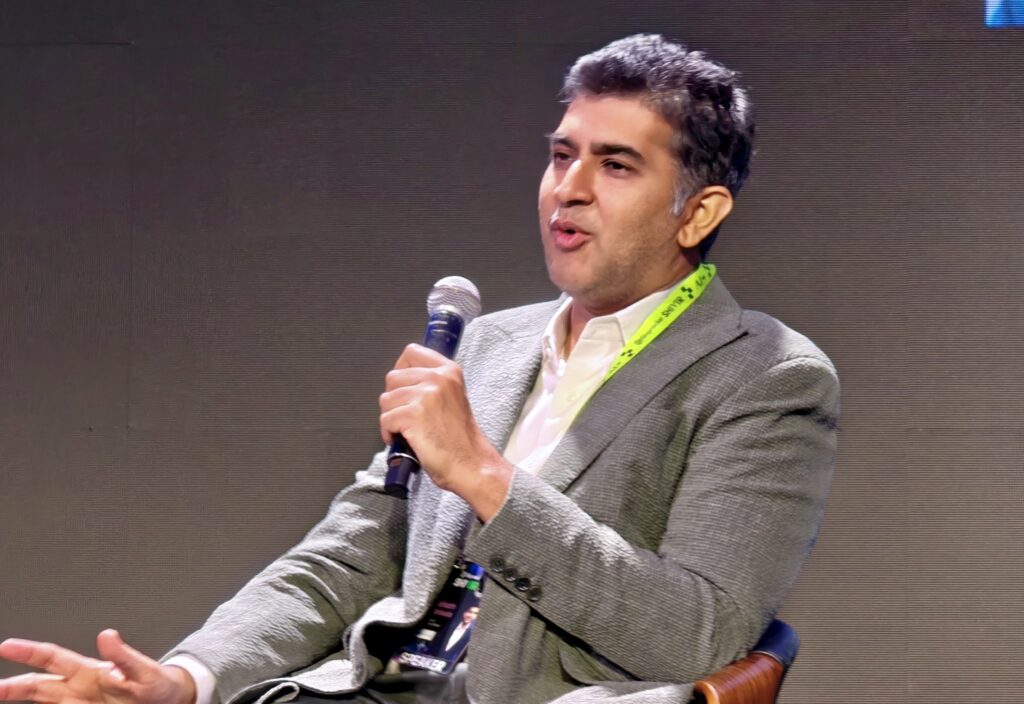
Additionally, the speakers addressed the modern founder’s “clarity deficit,” where an overabundance of digital tools often leads to operational paralysis. Mariwala emphasized that truly lasting enterprises cut through this noise by prioritizing practical, ground-level execution over short-term market trends. By shifting focus from fleeting hype to robust infrastructure, sustainable growth marketing, and resilient supply chains, brands can successfully navigate shifting economic cycles and secure multi-generational longevity.
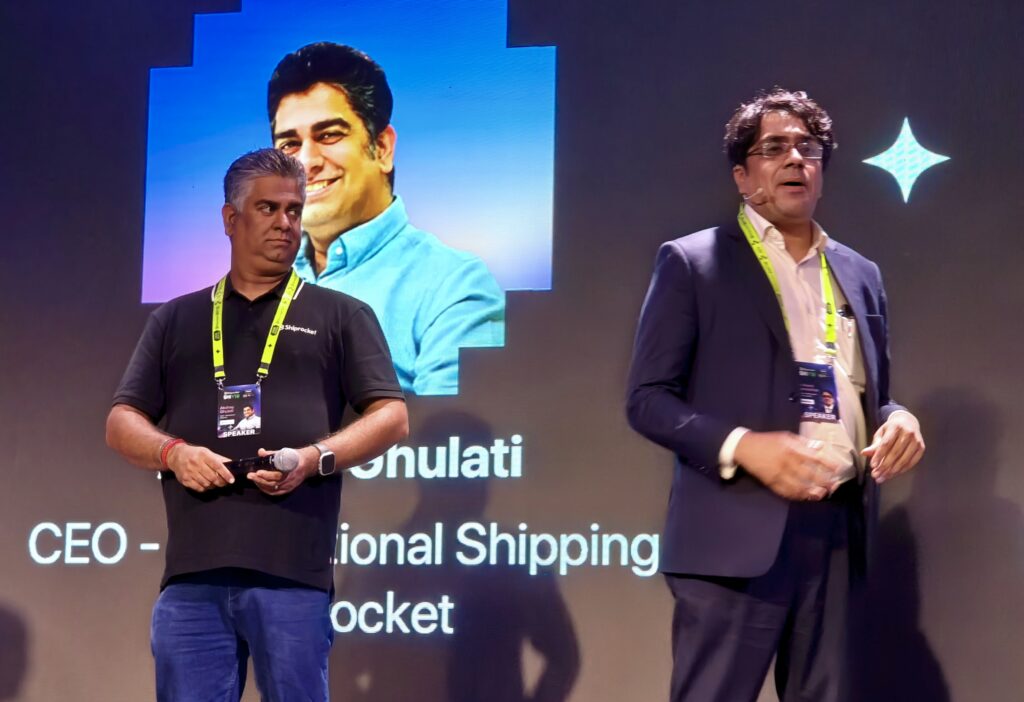
The “AI for Bharat Commerce” panel at Shiprocket SHIVIR 2026 outlined how India’s e-commerce market is projected to reach $250 billion by 2030, driven heavily by Tier-2, Tier-3, and rural consumers who make up over 60% of online shoppers. To capture this market, where regional language use dominates, the future of commerce must be built on vernacular voice-first interfaces and generative AI discovery tools.
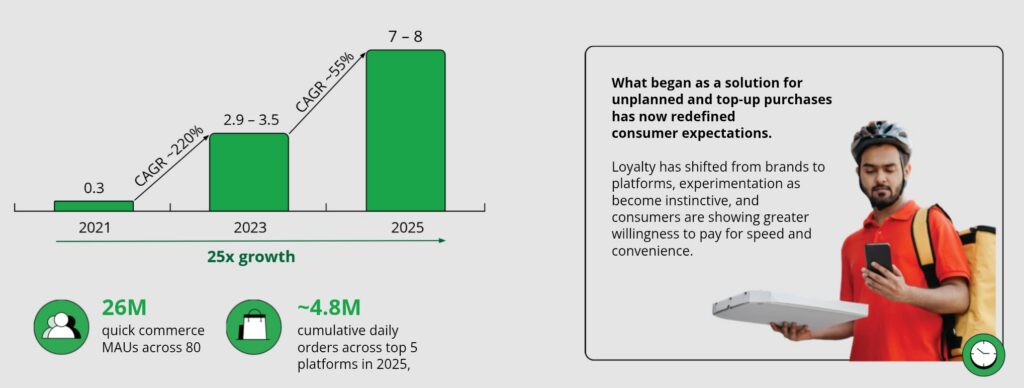
The joint Shiprocket and Deloitte India report highlighted that 90% of Indian consumers feel GenAI has already enhanced their shopping, especially through hyper-personalized experiences and predictive conversion tools that help brands target high-value, repeat customers.
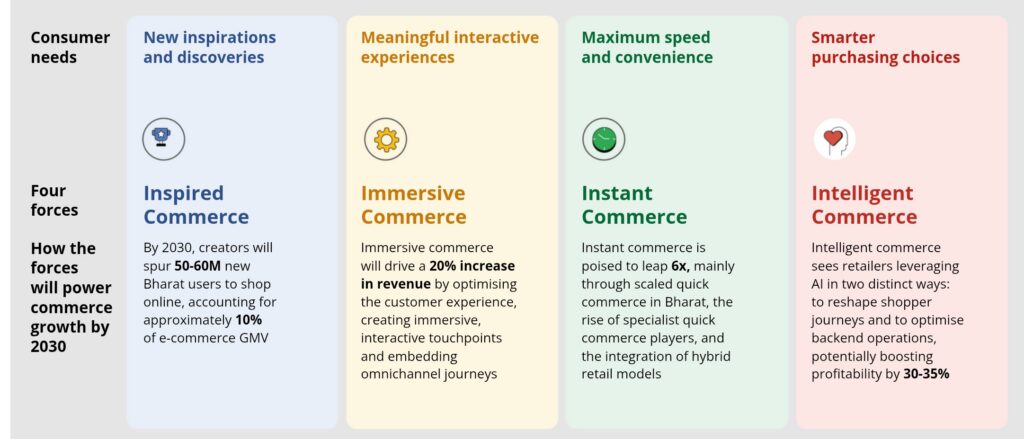
Beyond consumer-facing interfaces, AI is serving as an essential operating system to optimize backend logistics and democratize retail for India’s 7 crore+ MSMEs. By 2030, AI-driven last-mile delivery and 95% accurate demand forecasting are expected to account for $25 billion of the total e-commerce value. However, panelists Akshay Ghulati and Dr. Anand Ramanathan emphasized that for small and mid-sized businesses to successfully unlock these margins, they must transition away from intuition-led decisions and prioritize foundational data cleanliness, ensuring unstructured data is fully organized before deploying advanced AI modules.
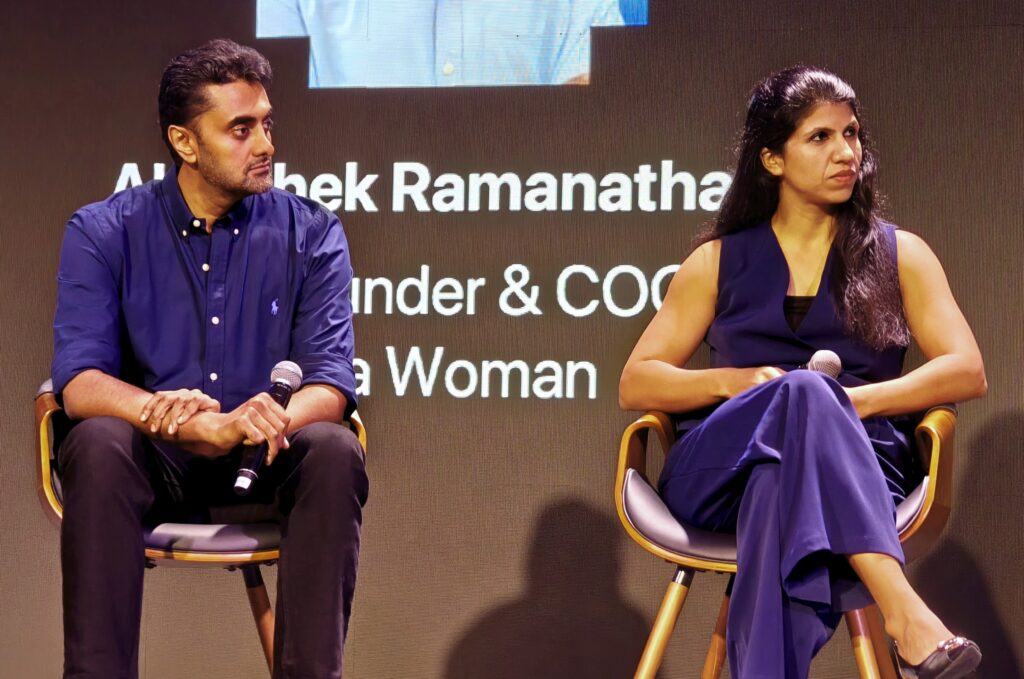
The panel discussion “From ₹100 Cr to ₹1000 Cr: Building Enduring Consumer Brands in the AI Era” at Shiprocket SHIVIR 2026 emphasized that scaling a D2C brand past the ₹100 crore milestone requires a hard shift from online-only sales to an aggressive omnichannel strategy. Founders Abhishek Daga, Abhishek Ramanathan, Anuj Nevatia, Sumit Karanji, and Aarti Gill agreed that while digital marketplaces spark early growth, reaching ₹1000 crore demands a robust physical retail presence. This scaling journey also mandates strict financial discipline, moving away from high-burn customer acquisition costs (CAC) to focus heavily on contribution margins, quick CAC payback, and customer retention metrics exceeding 110%.
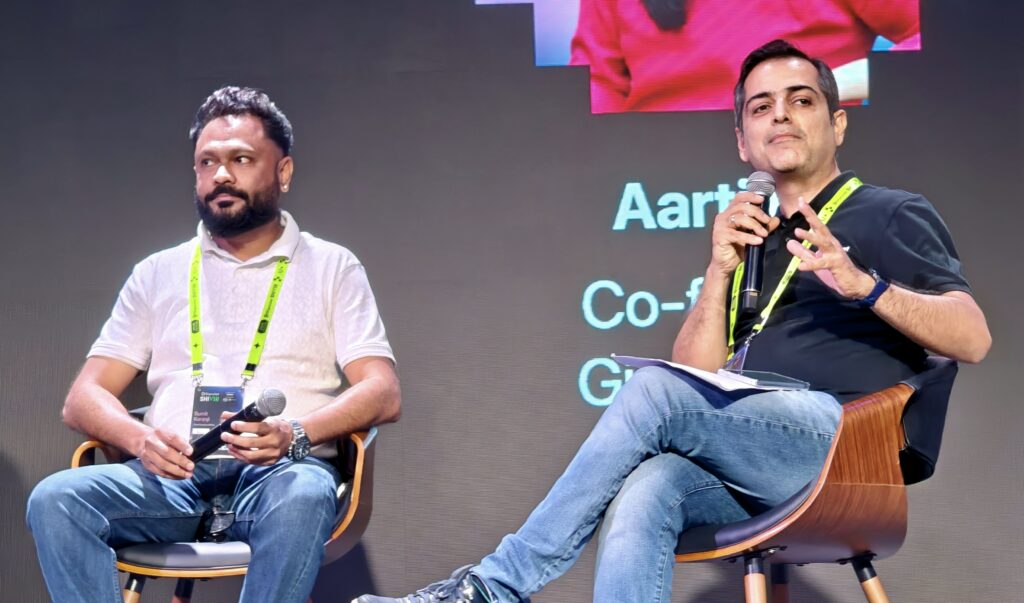
Artificial Intelligence emerged as the critical driver for this next phase of growth, acting as an operational intelligence layer rather than a mere marketing tool. Under the moderation of Shiprocket’s Atul Mehta, the panel detailed how AI is actively used for predictive inventory management to prevent dead stock, as well as running hyper-personalized retention loops. Furthermore, overcoming growth friction at scale requires embedding AI-native checkout suites to lower cart abandonment and utilizing predictive risk-scoring tools to mitigate high Return-to-Origin (RTO) rates when expanding into Tier 2 and Tier 3 markets.
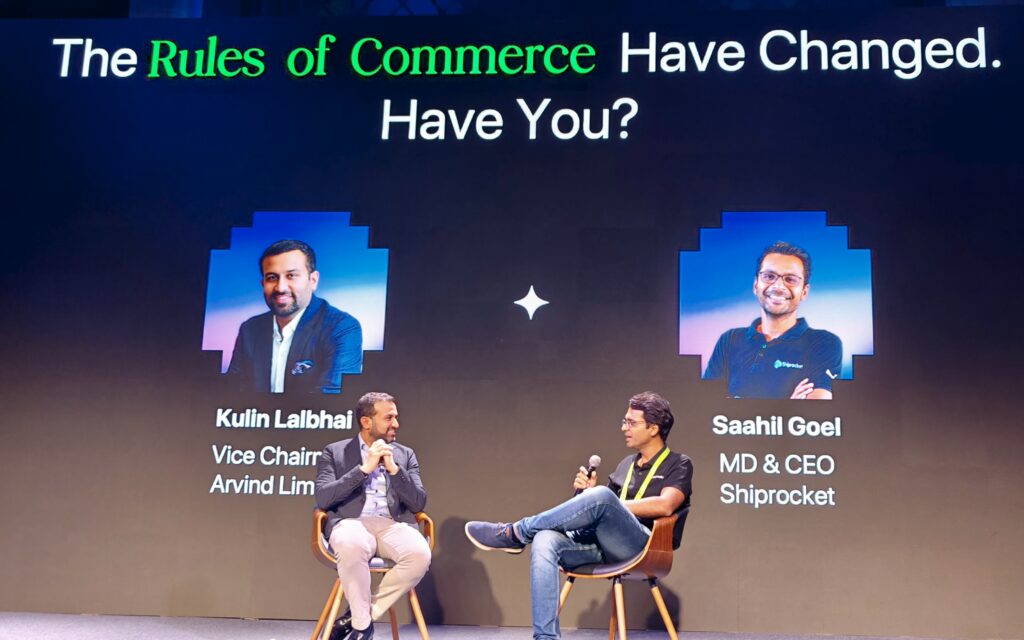
At Shiprocket SHIVIR 2026 in Mumbai, Kulin Lalbhai (Vice Chairman, Arvind Limited) and Saahil Goel (MD & CEO, Shiprocket) emphasized that artificial intelligence has shifted from a novel digital tool to the foundational infrastructure of modern commerce. They argued that legacy systems and traditional supply chains are no longer sufficient to sustain growth in a hyper-competitive market. To thrive, brands must embed autonomous AI workflows directly into their operations, enabling real-time decision-making, automated inventory management, and hyper-personalized customer journeys that adapt to shifting consumer demands instantly.
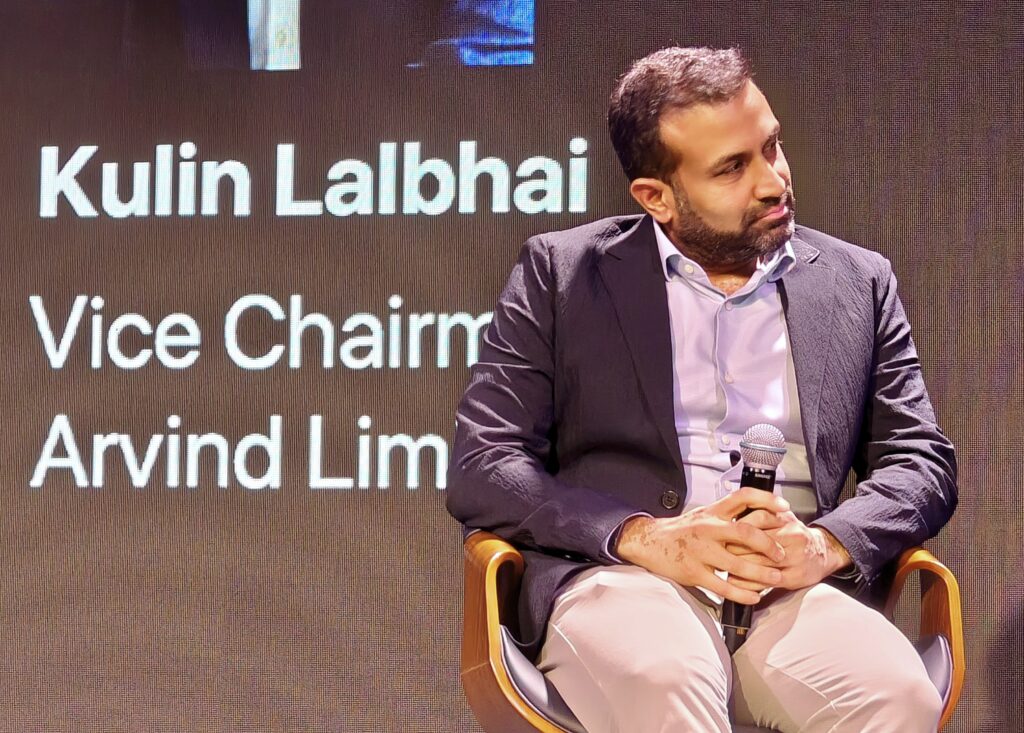
A major takeaway from the discussion was the critical importance of optimizing pre-purchase operations alongside backend logistics. The speakers highlighted that the modern consumer’s journey is heavily influenced by the speed, transparency, and reliability promised before they even hit the checkout button. By leveraging predictive AI to streamline demand forecasting, localized inventory placement, and upfront delivery estimates, businesses can drastically reduce customer acquisition costs and build long-term brand loyalty in this redefined commercial landscape.
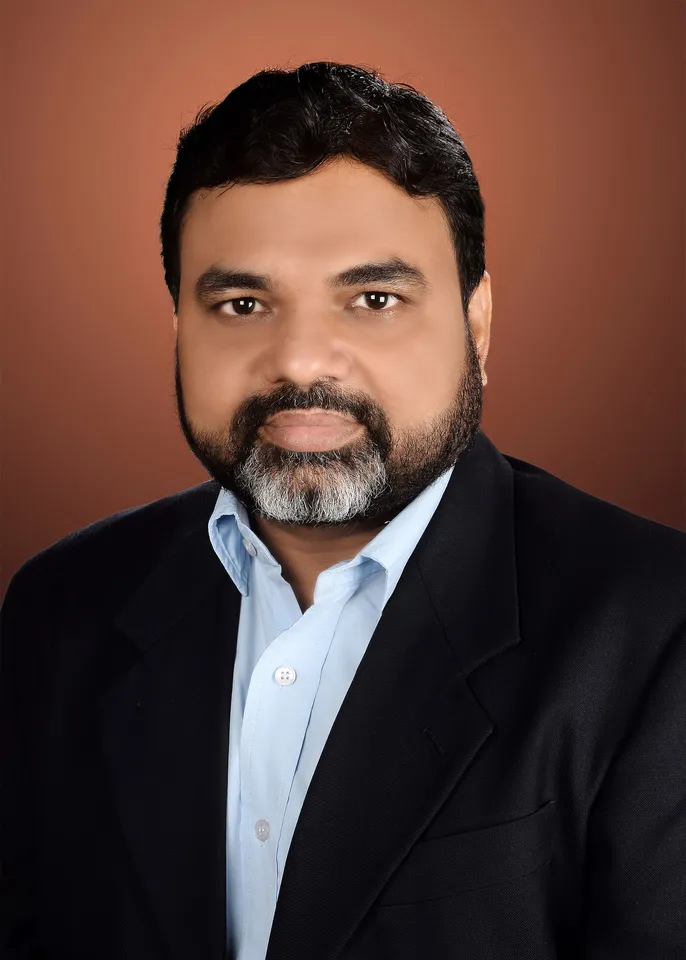
At the Shiprocket SHIVIR 2026 panel in Mumbai, titled “Beyond GMV: The Metrics That Still Matter in the AI Era,” industry experts Arjun Vaidya, Aviral Bhatnagar, Norbert Fernandes, Rajan Mehra, and Tanmay Kumar highlighted a fundamental shift in how e-commerce health is evaluated. The speakers collectively declared Gross Merchandise Value (GMV) a legacy vanity metric, arguing that pushing sheer transaction volume without sustainable economics is a liability in today’s market. Instead, the consensus among the venture capitalists and financial leaders was that long-term survival now dictates a strict focus on Net Revenue, healthy LTV:CAC ratios, and aggressive reduction of Return to Origin (RTO) rates.

The panel also underscored how the rise of Agentic AI and automated commerce is fundamentally redefining operational excellence. Rather than evaluating scale purely by head count or raw sales, investors are heavily weighting a brand’s cohort retention rates (targeting above 110%) and customer acquisition payback periods. As artificial intelligence automates complex workflows from personalized marketing to predictive supply chain routing, the new baseline for a venture-backable brand rests on its capital efficiency—proving that a lean, tech-driven operation can compound revenue independently without relying on continuous funding rounds.
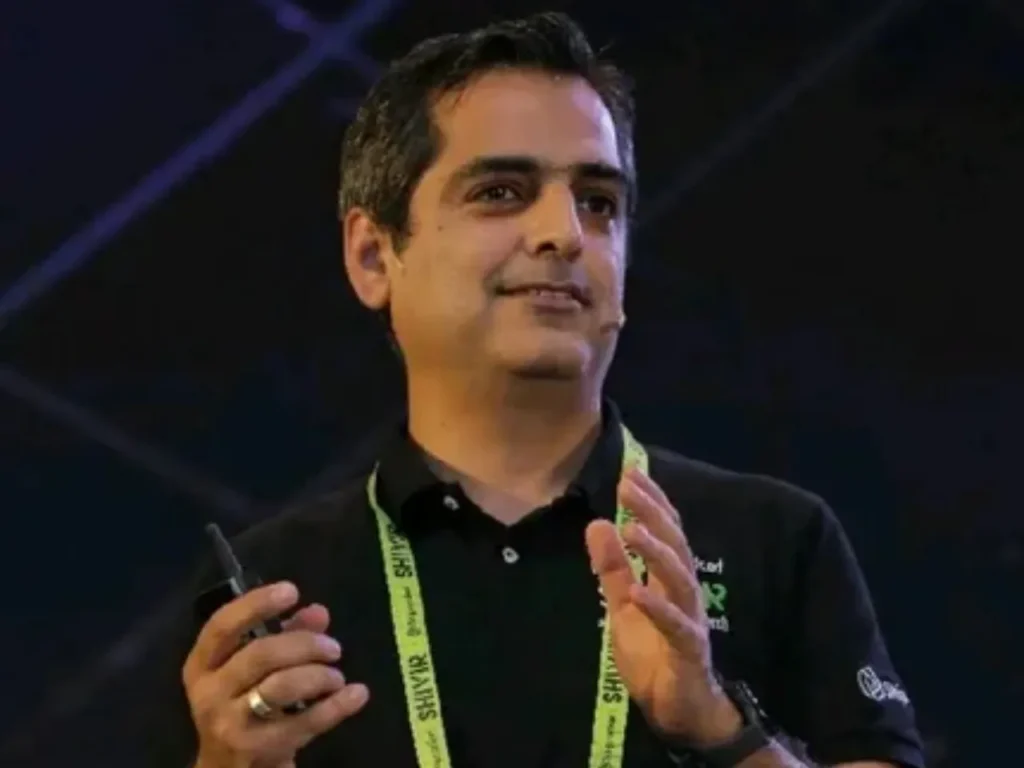
At Shiprocket SHIVIR 2026 in Mumbai, the panel “The New Playbook: How Emerging Brands are Winning with,” highlighted a massive shift toward “Agentic Commerce,” where early-stage D2C startups embed autonomous AI workflows directly into their foundations. Rather than relying on simple standalone chatbots, today’s winning brands use advanced AI agents to manage everything from predictive demand mapping to automated procurement, freeing founders to focus entirely on scale. A core strategy discussed was the optimization of marketing spend through True Delivered ROAS. By utilizing tools like the newly unveiled Fastrr Ads, brands link performance marketing data directly to actual delivery data rather than superficial checkout clicks, eliminating wasteful cash-burn on unfulfilled orders.

Operationally, emerging brands are closing the efficiency gap with industry giants by leveraging shared intelligence across checkout networks and machine learning algorithms. Utilizing data loops like India’s AI Commerce Graph allows startups to instantly recognize anonymous traffic and provide hyper-personalized shopping experiences to reduce cart abandonment. Furthermore, the playbook emphasizes automating supply chain resilience through predictive pin-code routing and automated Non-Delivery Report (NDR) tools to minimize leaks. Ultimately, the panel stressed that investors no longer evaluate D2C businesses solely on gross margins; success now relies on using AI to cut customer acquisition costs (CAC) and secure highly efficient, frictionless post-purchase retention.

The high-octane panel discussion “Hum Bhi Bana Lenge” at Shiprocket SHIVIR 2026 brought together Aman Gupta (boAt & OFF/BEAT), Saahil Goel, and Gautam Kapoor (Shiprocket) to outline the future of India’s D2C ecosystem. The core theme centered on democratising entrepreneurship, with Aman Gupta sharing raw insights from building boAt to inspire a new wave of local founders to scale confidently. The conversation focused heavily on transitioning into the “Agentic Era” of commerce, emphasizing that modern brands must move past static software and instead embed autonomous AI agents directly into their core operations to seamlessly manage customer service, marketing, and logistics.

The session also addressed raw market realities, including early failures, strategic pivots, and navigating India’s unique merchant landscape—such as shifting from rigid subscription models to performance-linked pricing to curb churn. Highlighting this shift toward absolute merchant productivity, Shiprocket showcased its latest AI-powered checkout infrastructure, Fastrr, designed to radically boost pre-order conversion rates and drop customer acquisition costs. Ultimately, the leaders emphasized that viral brand marketing is only half the battle; building massive consumer scale in India requires tight synergy with automated, resilient, and intelligent backend fulfillment ecosystems.