
VISION and INNOVATION OF BFSI LEADERS
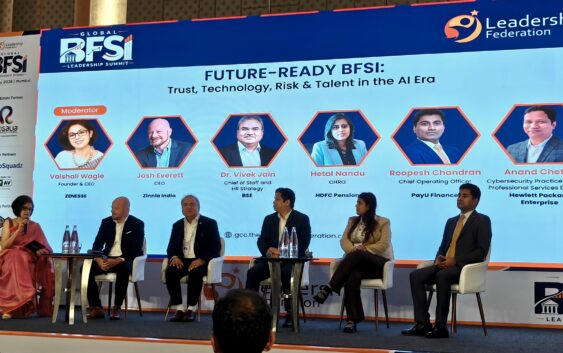

The Global BFSI Leadership Summit 2026 is shaping up as a key moment for leaders across banking, fintech, insurance, and tech to come together — not just to connect, but to navigate the real shifts happening now in AI, digital transformation, and customer expectations. It’s not just another event; it feels like a pulse check on where the entire ecosystem is headed. What’s your take on how leaders should be showing up differently in this moment?

At the Global BFSI GCC Leadership Summit, Vaishali Wagle (Founder & CEO of ZENESSE) delivered a compelling keynote address.Her presentation, titled “Intelligent Finance: Shaping the Future of Banking, Insurance & Digital Trust,” offered a sharp paradigm shift for industry executives. The core takeaways from her keynote include:
Redefining the Industry Purpose: Wagle asserted that the BFSI sector has never fundamentally been in the money business; rather, it has always been in the certainty business.
Evolution of the Industry Imperative: She outlined how different historical eras have taught finance unique structural lessons—moving from creating capital, to managing risk, to building trust, and finally arriving at the modern era where the ultimate goal is to exercise judgement.
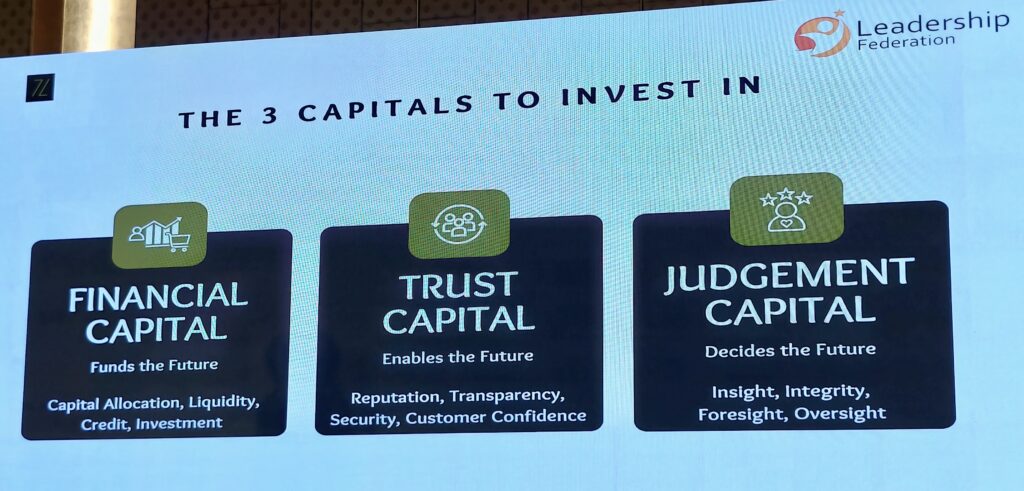
The Role of Technology & Judgement: While every previous industrial revolution transformed how the world created value, financial revolutions changed how the world reduced uncertainty. In the age of AI and intelligent automation, the focus of “intelligent finance” must be leveraging tech not just for speed, but for sharper human-machine collaborative judgement.
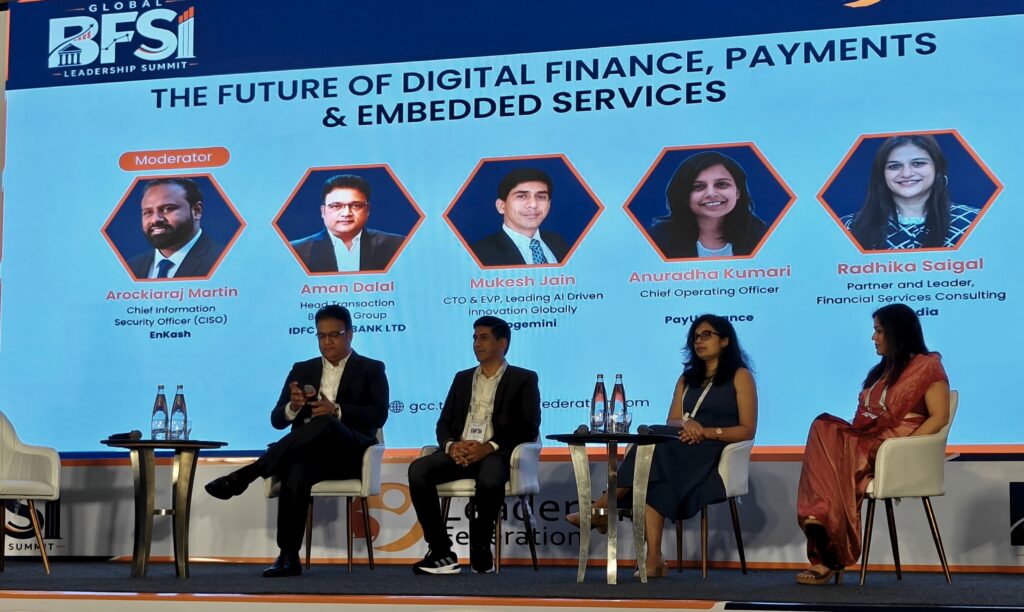
A distinguished panel of industry experts convened to discuss “The Future of Digital Finance, Payments & Embedded Services, “Moderated by Arockiaraj Martin (CISO, EnKash), the panel featured Aman Dalal (IDFC FIRST Bank), Mukesh Jain (Capgemini), Anuradha Kumari (PayU Finance), and Radhika Saigal (Partner and Leader, Financial Services Consulting at EY).
Key Takeaways –
Security & Compliance as a Foundation: As financial services fade into the background of everyday consumer applications, safety cannot be treated as an afterthought. Security, compliance, and regulatory frameworks must be built into the design architecture from day one to protect user data and maintain systemic integrity.
Scaling Through Trust: The expansion and ultimate viability of embedded finance depend entirely on trust. For non-banking platforms to successfully scale complex financial operations, they must ensure the same level of transparency and risk mitigation as traditional financial institutions.
The Rise of Invisible Finance: The panel highlighted a structural market shift where banking functions are rapidly decentralising. Through APIs and Banking-as-a-Service (BaaS) infrastructure, services like credit, payments, and insurance are now surfacing dynamically at the exact point of need within non-financial platforms.
AI-Native Innovations: Artificial intelligence is moving aggressively beyond front-end conversational interfaces. The discussion emphasised the deployment of production-level AI agents for deep operational roles—including real-time risk assessment, compliance automation, fraud detection, and merchant underwriting.
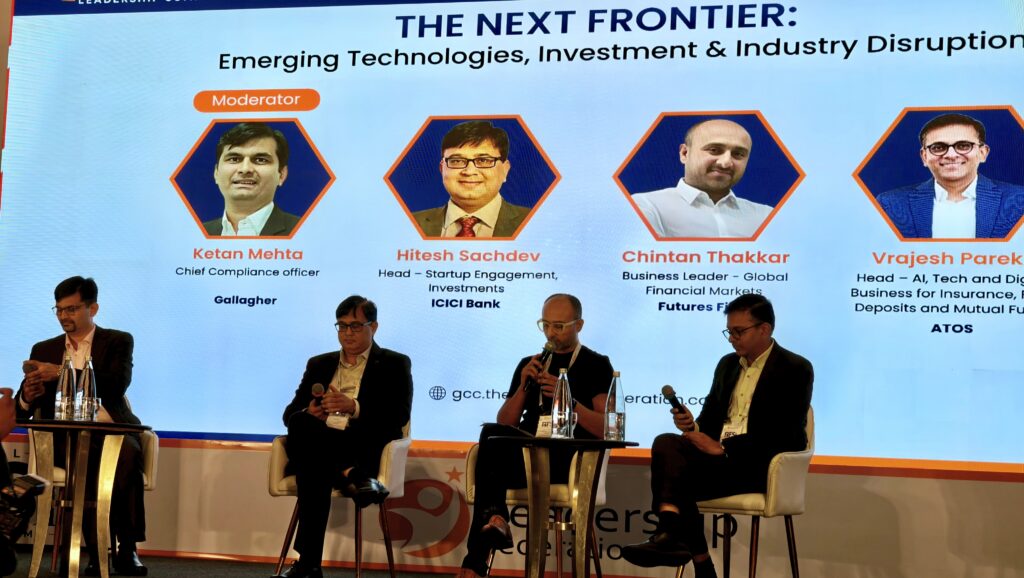
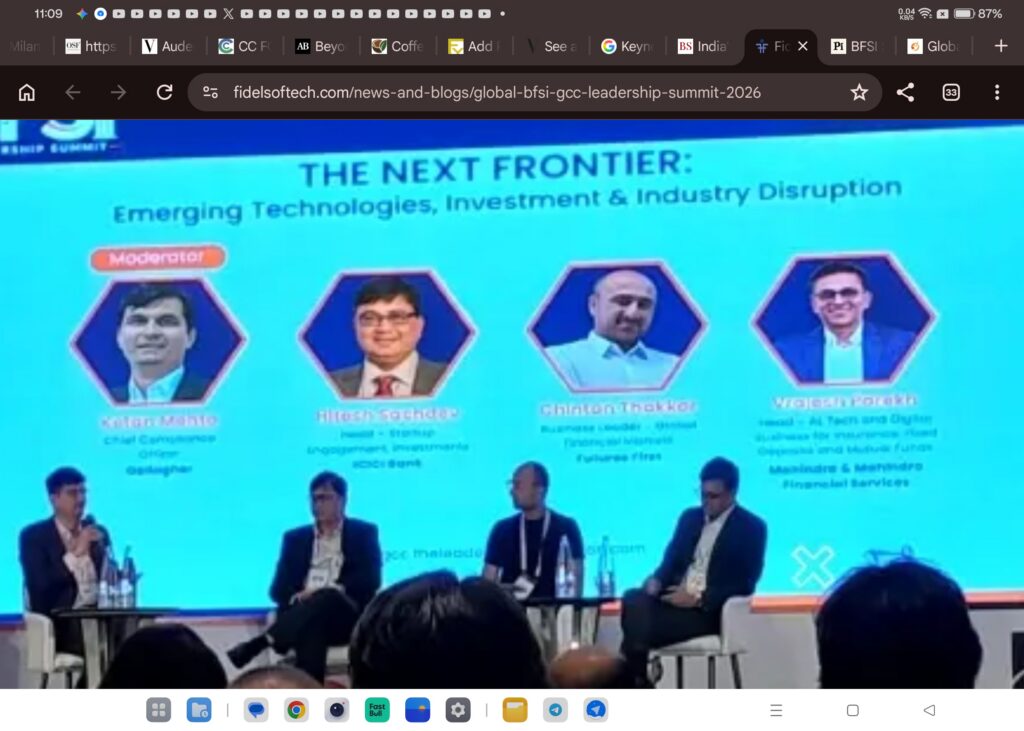
The panel session titled “THE NEXT FRONTIER: Emerging Technologies, Investment & Industry Disruption,” he discussion brought together a diverse range of decision-makers spanning banking-led startup investments, insurance and digital finance, compliance, global financial markets, and enterprise transformation.
Key Takeaways
The overarching consensus of the panel highlighted that the intersection of highly disruptive tech and heavy regulation requires a fundamental mindset shift in leadership:
Compliance Enables Speed: Strong compliance frameworks and rigorous governance are not anchors that slow an organization down. Instead, they function as the baseline safety mechanism that actually allows financial institutions to scale and adopt emerging technologies faster and with more confidence.
The Execution Bottleneck: Capital is no longer the primary hurdle preventing massive industry disruption. The real bottleneck facing the BFSI ecosystem rests on two critical factors: finding the right specialised talent and securing reliable execution partners capable of delivering on advanced technology frameworks.
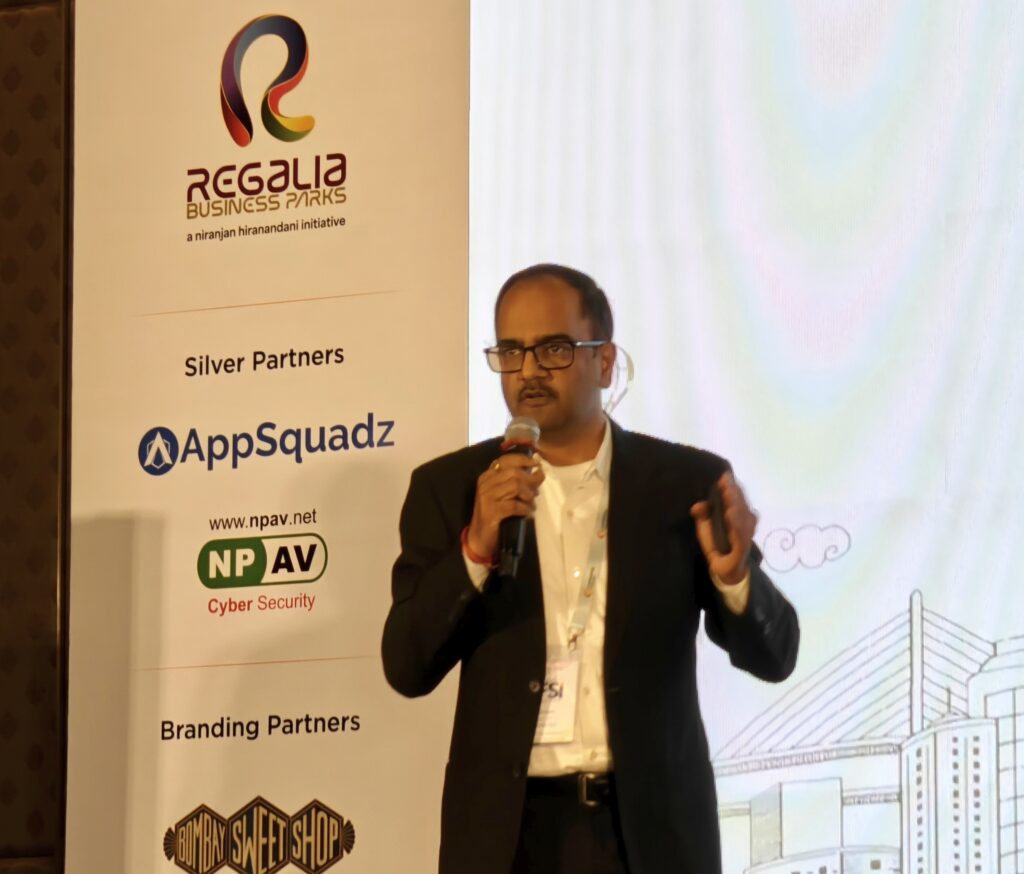
At the Global BFSI GCC Leadership Summit, Manish Gupta, Director of Commercial Real Estate at Regalia Business Parks (a Dr. Niranjan Hiranandani initiative), presented a partner session titled “Mumbai builds: India grows. Future has a Mumbai address”. The session offered a strategic look at how Mumbai’s aggressive infrastructure expansion serves as a core catalyst for India’s macroeconomic growth.
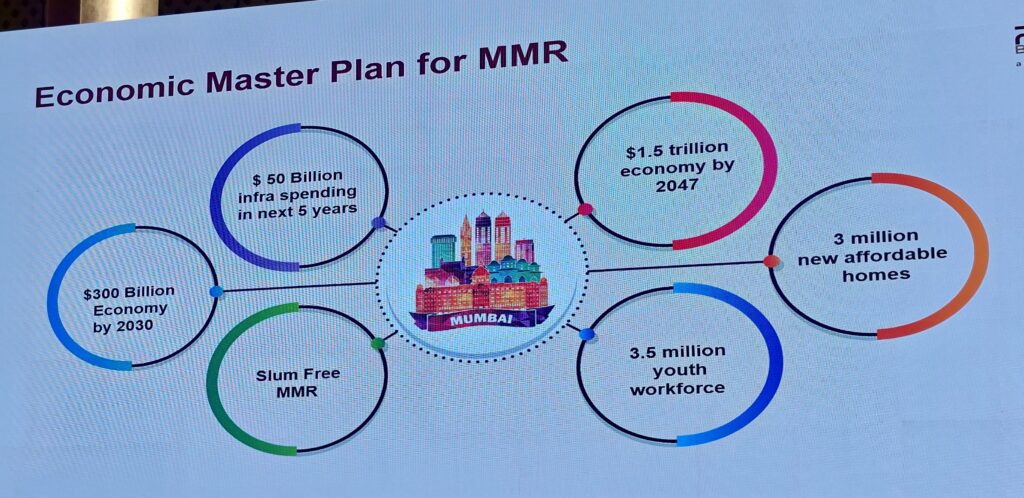
Key Takeaways
Unlocking New Business Corridors: Massive infrastructure projects like metro expansion, coastal roads, and improved airport connectivity are fundamentally altering the city’s geography. These developments are opening up entirely new commercial micro-markets and business corridors across the Mumbai Metropolitan Region (MMR).
BFSI and GCC Driven Demand: Global Capability Centres (GCCs) and Banking, Financial Services, and Insurance (BFSI) institutions have emerged as the primary engines driving the surging demand for Grade-A office spaces in the region.
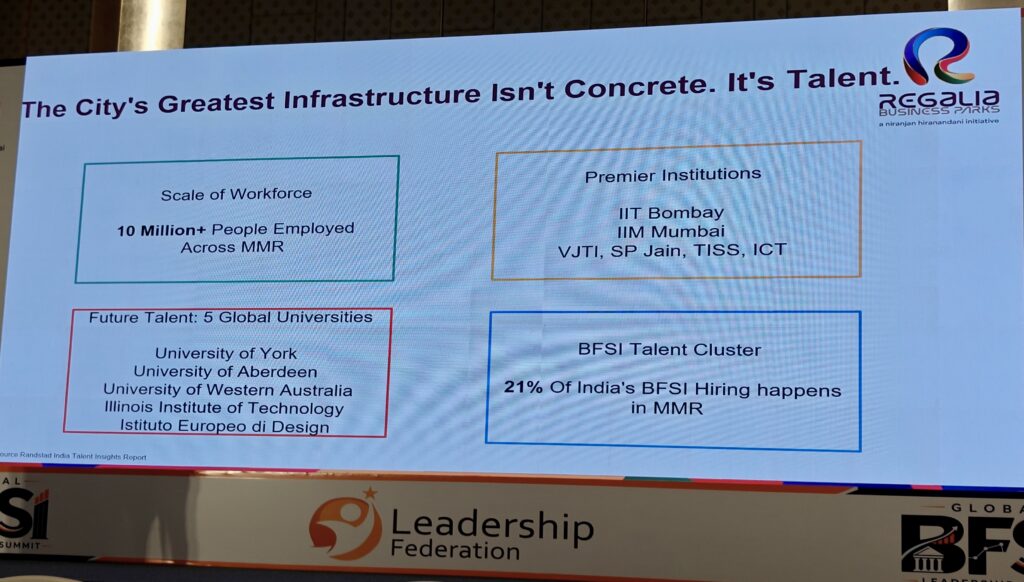
A Structural Real Estate Shift: Mumbai’s real estate trajectory is no longer experiencing its traditional cyclical ups and downs. Instead, it has entered a permanent structural phase that is directly intertwined with India’s long-term corporate growth story.
The “HQ2” Ecosystem Strategy: Rather than competing with other tech hubs or encouraging outright relocation, the MMR region is positioned as a premier destination for secondary corporate headquarters (“HQ2”). Purpose-built business parks focus on scalability, multimodal connectivity, and flexible infrastructure-layer partnerships to integrate seamlessly with global enterprises.
At the Global BFSI GCC Leadership Summit 2026 held in Mumbai on July 30, 2026, industry leaders gathered to deliberate on the panel topic: “Transforming the Financial Ecosystem: Designing AI-Augmented & Domain-Intelligent Workforces”.
Key Takeaways from the Discussion
Deeping Investor Participation: Despite the Indian markets experiencing phases of limited movement over prolonged periods, investor participation has continued to structuralize and deepen across the board.
Human-Centric Financial Futures: A central agreement among the leaders was that the trajectory of India’s financial evolution will not be carved out by technology or artificial intelligence alone. Trust, behavioral discipline, and domain expertise remain the core pillars.
Building AI-Augmented Teams: The panel highlighted that the next chapter of BFSI growth focuses on merging advanced AI workflows with deeply skilled domain professionals to create highly scalable, efficient, and intelligent advisory capabilities.
Shift toward Alternative & Bespoke Assets: With real estate private credit and asset allocation gaining massive traction, workforces need to understand complex, collateral-backed structures and multi-asset formulas to guide retail and institutional capital effectively.
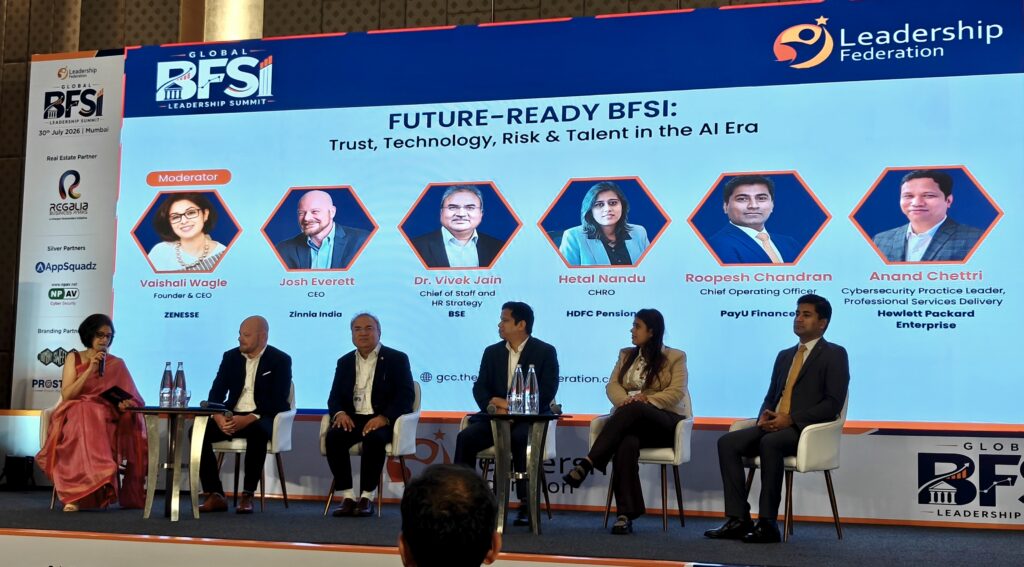
At the Global BFSI GCC Leadership Summit 2026 held in Mumbai, the panel titled “Future-Ready BFSI: Trust, Technology, Risk & Talent in the AI Era” brought together top minds to outline the roadmap for financial institutions. Moderated by Vaishali Wagle (Founder & CEO, ZENESSE), the discussion featured insights from industry leaders including Josh Everett (CEO, Zinnia India), Dr. Vivek Jain (Chief of Staff and HR Strategy, BSE), Hetal Nandu (CHRO, HDFC Pension), Roopesh Chandran (COO, BOB Card), and Anand Chettri (Cybersecurity Practice Leader, Hewlett Packard Enterprise).
At the Global BFSI GCC Leadership Summit 2026 in Mumbai, the panel “Future-Ready BFSI: Trust, Technology, Risk & Talent in the AI Era” highlighted how artificial intelligence has matured from an operational experiment into a foundational boardroom priority. Industry leaders emphasized that while AI enables unprecedented hyper-personalisation and real-time operations, trust remains the absolute foundation of financial services. As automated algorithms increasingly handle complex risk assessments and credit approvals, institutions must ensure strict transparency and proactive cyber resilience to defend against sophisticated threats like deepfakes and synthetic identities.
To successfully support this digital shift, the panel concluded that technology must not outpace human capability, requiring strategic workforce reskilling ahead of major AI rollouts. The future of BFSI belongs to cross-functional professionals who break the traditional specialist mold to operate fluently across technology, human resources, risk, and operations simultaneously. By integrating security and compliance into product design from day one and cultivating agile talent, financial organizations can safely navigate the complexities of the AI era.

At the Global BFSI Leadership Summit 2026 held on July 30, 2026 in Mumbai, Aparna Rawat (Chief Legal Officer at L&T Finance Limited) delivered a core session titled “Leadership Spotlight: AI Governance in the Era of Data Protection.”
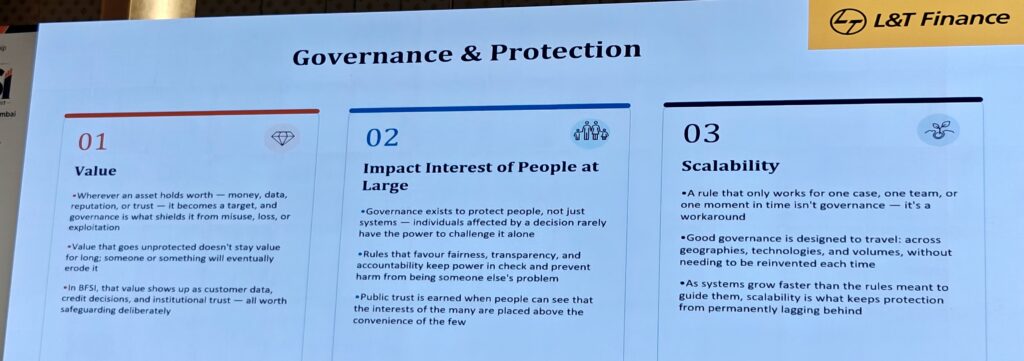
The key takeaways from her spotlight address centered on the structural shifts financial institutions must make as AI integrates deeply into core operations:
Governance at the Core of Decisions: As AI transitions from experimental pilot programs into foundational banking functions—such as direct retail lending and risk underwriting—robust governance protocols can no longer be delayed or treated as an afterthought.
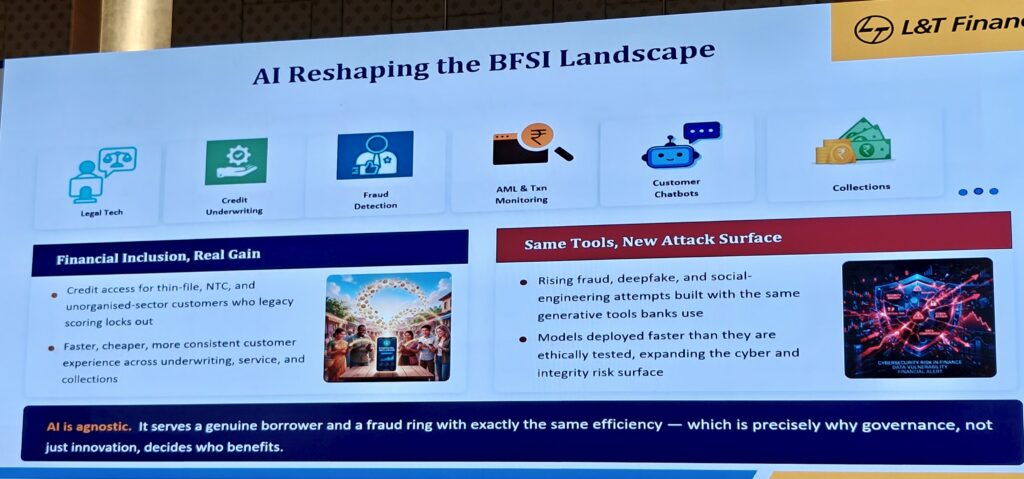
Mandatory Explainability and Auditability: Having transparent, reproducible, and verifiable AI models is quickly becoming the baseline operational and regulatory expectation for the financial services sector.
Privacy by Design: Data protection principles must be architected directly into AI frameworks from day one. “Bolting on” data compliance layers after an AI system is already built is highly ineffective.
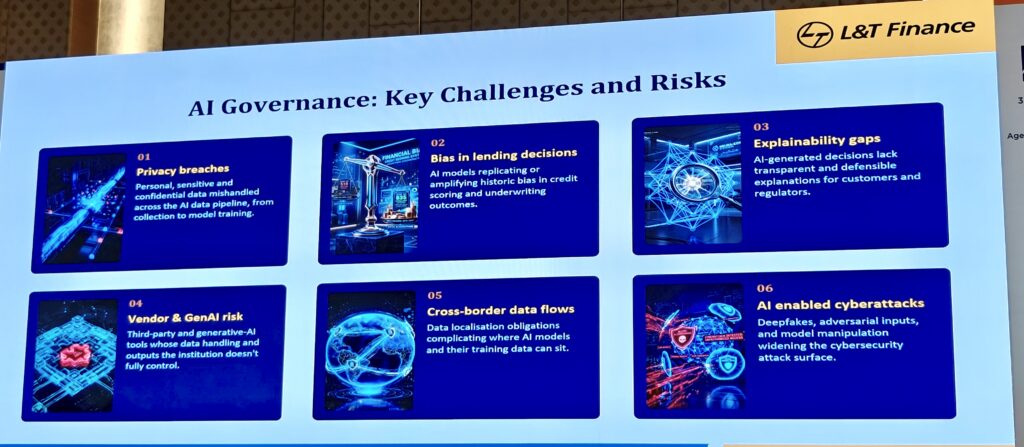
• Evolution of Compliance Roles: Legal, compliance, and risk officers are shedding their traditional reputations as institutional “gatekeepers.” Instead, they are transforming into essential “design partners” who work side-by-side with technology teams to co-create AI products.
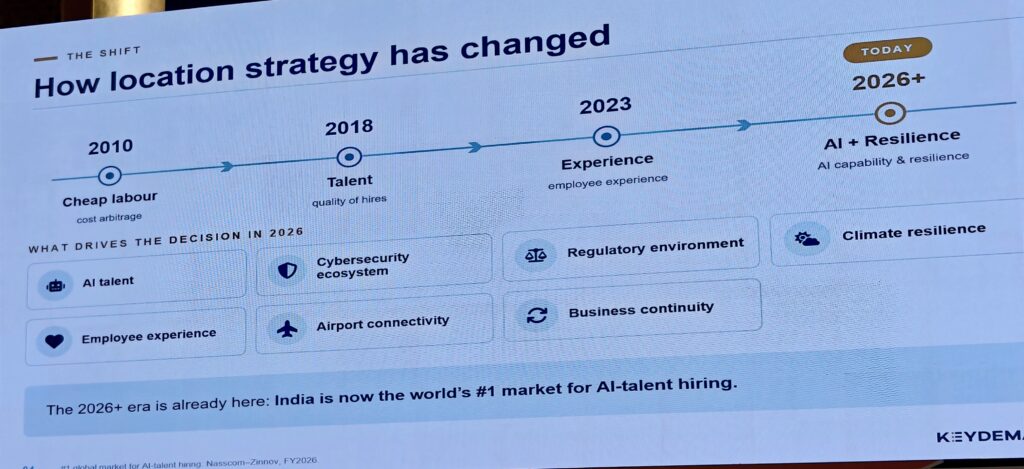
At the Global BFSI GCC Leadership Summit 2026 held in Mumbai on July 30, 2026, Sudhanshu Kejriwal, Co-Founder & Managing Director of Keydemand, delivered a highly insightful session on “Why Location is Now a CEO-Level Decision.” As the branding partner for the summit,
Key demand brought forward critical discussions on how commercial and non-residential real estate choices directly impact corporate strategy, risk, and growth.The key takeaways from the address outline why choosing a corporate location has shifted from a routine administrative or facilities function into a boardroom-level strategic mandate for financial institutions:
Sudhanshu Kejriwal, Co-Founder & Managing Director of Keydemand, highlighted that commercial location strategy has shifted from a routine administrative function into a boardroom-level strategic mandate due to its direct impact on talent and operations. In the rapidly expanding BFSI Global Capability Center (GCC) ecosystem, a premium corporate address acts as a vital recruitment tool, attracting elite professionals in AI and cybersecurity who prioritize accessibility and modern workplace ecosystems. Furthermore, selecting the right micro-market ensures infrastructure resilience and risk mitigation, protecting financial institutions against localized digital or environmental disruptions through robust business continuity planning.
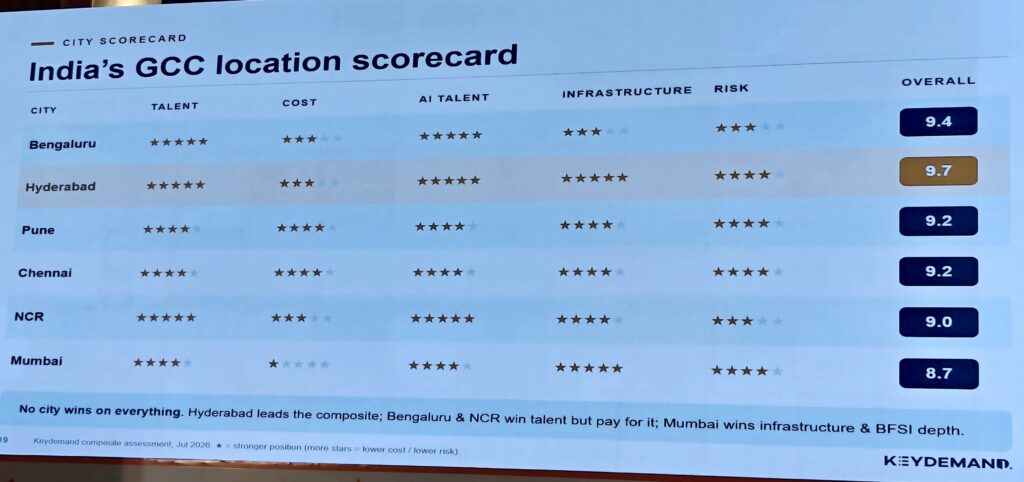
From a financial and ecosystem perspective, corporate real estate represents one of the largest fixed costs on a balance sheet, meaning data-led location choices directly influence a company’s ability to optimize capital vs. operational expenditure. Positioning offices within mature financial clusters, such as Mumbai’s BKC, accelerates cross-industry collaboration and provides hyper-local proximity to regulatory bodies and technology partners. Ultimately, these high-stakes spatial decisions allow CEOs to project brand equity and institutional stability while remaining agile enough to adapt to evolving hybrid workforce trends.

The Leadership Federation hosted the Global BFSI GCC Leadership Awards at the Holiday Inn Mumbai International Airport in Mumbai, India. The event brought together C-suite executives, technology architects, and strategic operational heads from across the Banking, Financial Services, and Insurance (BFSI) Global Capability Center (GCC) ecosystem to recognize excellence, digital transformation, and visionary leadership.
The event spotlighted leaders shaping the future of finance — not just through technology, but through vision, resilience, and a deep commitment to evolving the ecosystem.

Chintan Thakkar awarded As international BUSINESS TRANSFORMATION LEADERSHIP AWARD
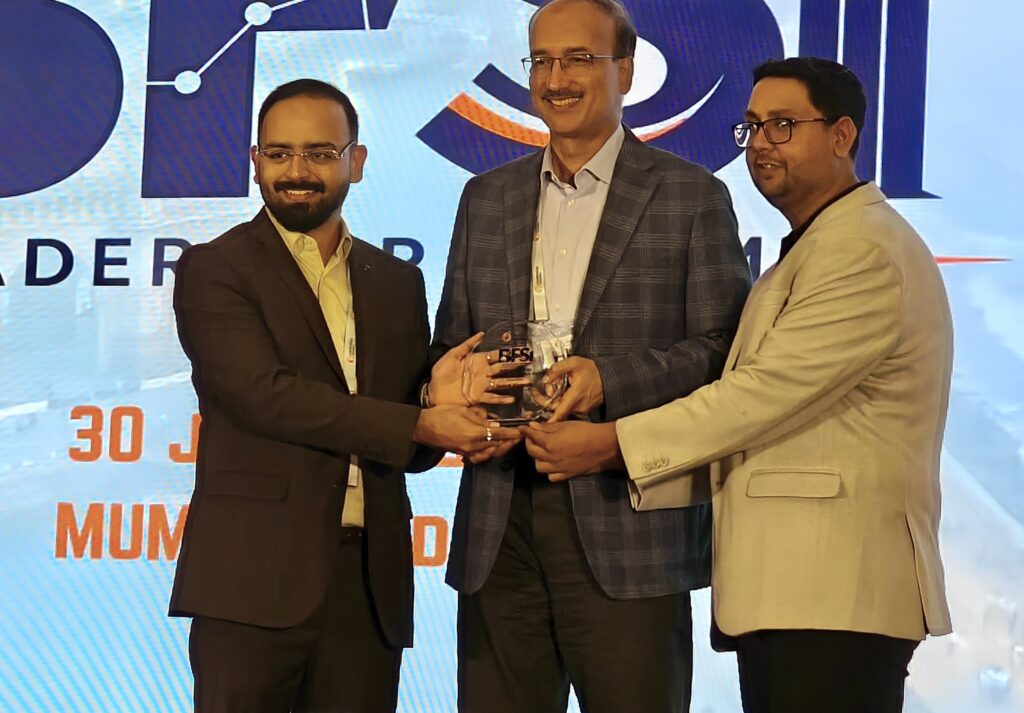
Satish Kamath Awarded as BFSI Technology leadership EXCELLENCE AWARD

Sanjay Gupta Awarded as STRATEGIC FINANCE LEADERSHIP EXCELLENCE AWARD

Josh Everett Awarded as DIGITAL INSURANCE TRANSFORMATION EXCELLENCE AWARD
4

Hitesh Sachdev Awarded as BFSI INNOVATION & FINTECH ECOSYSTEM LEADERSHIP AWARD

Hetal Nandu Awarded As future OF Work leadership AWARD – BFSI

Anuradha Kumari Awarded as FINTECH OPERATIONS LEADERSHIP EXCELLENCE AWARD
Awarded as
FUTURE OF WORK LEADERSHIP AWARD – BFSI