STRATEGIC INNOVATORS IN BFSI IT
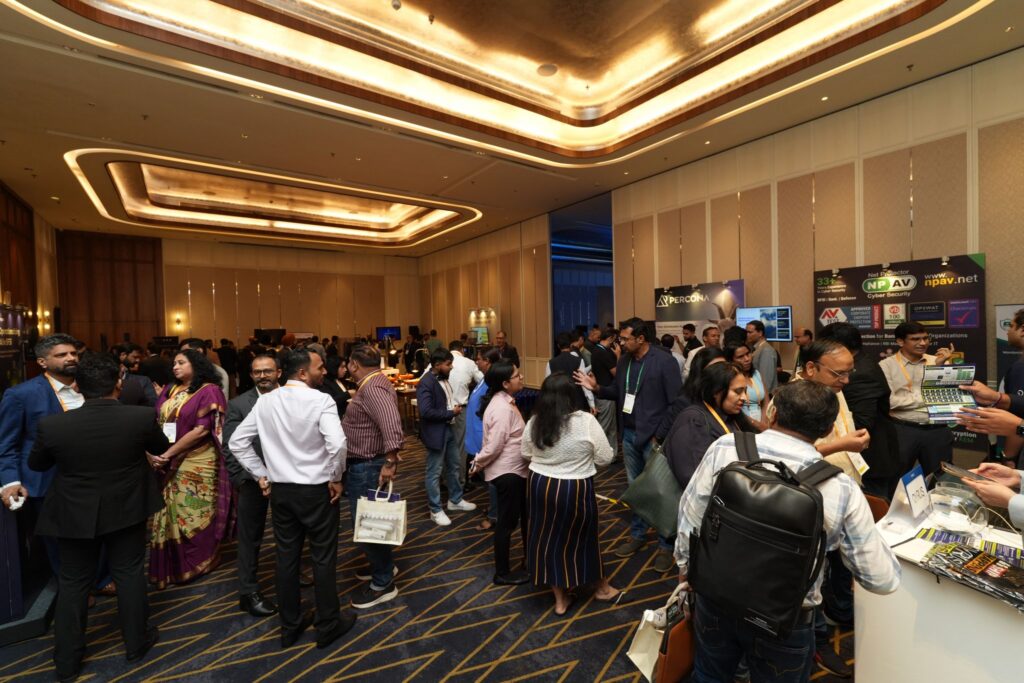
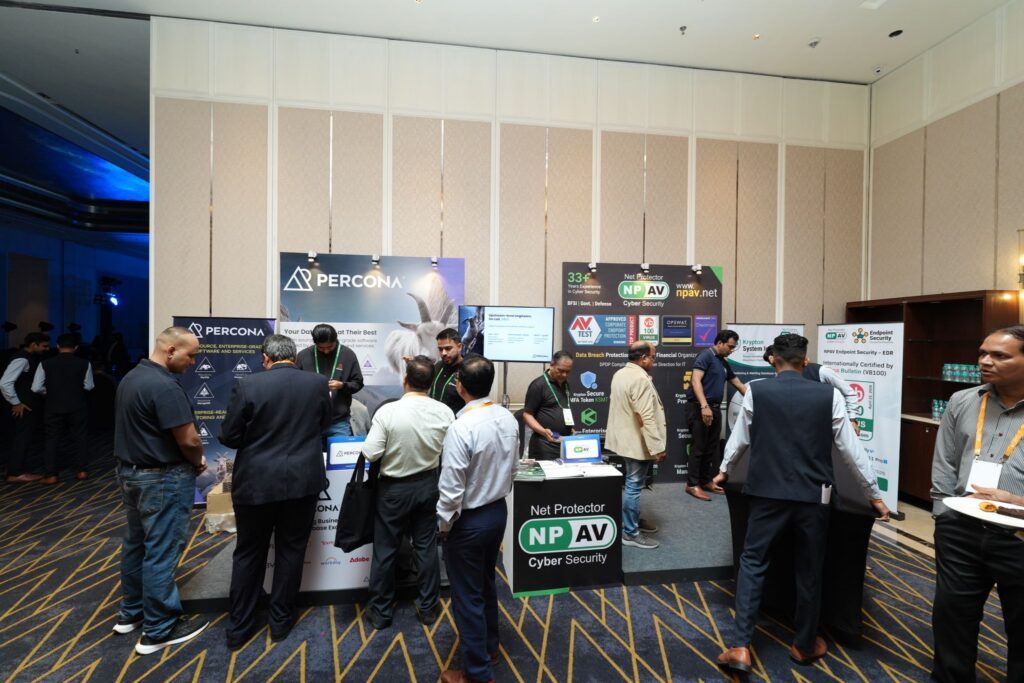
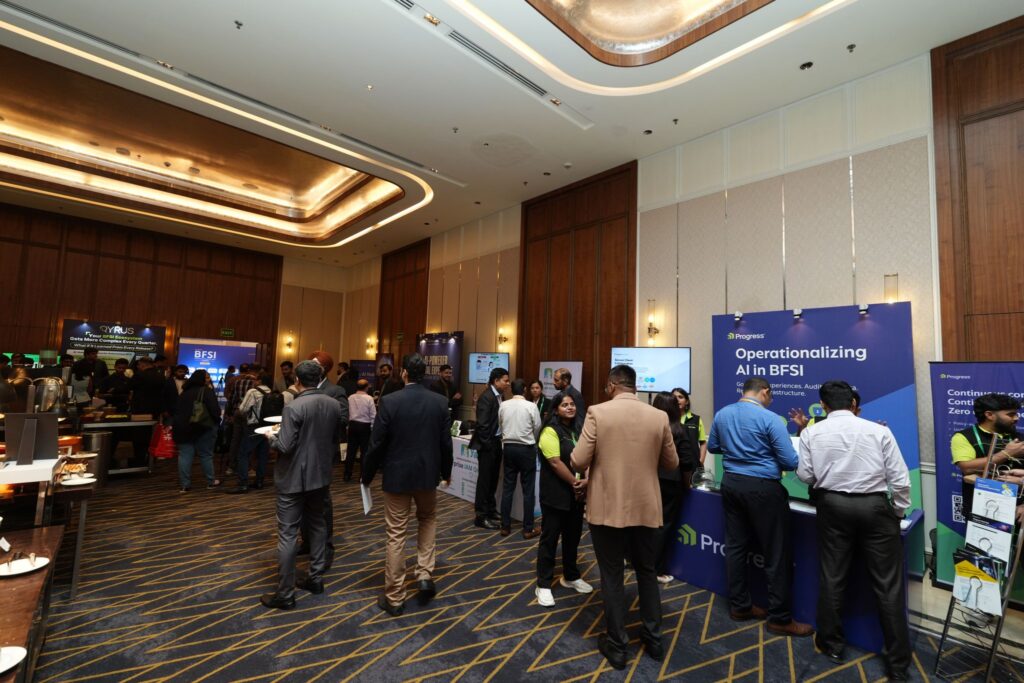
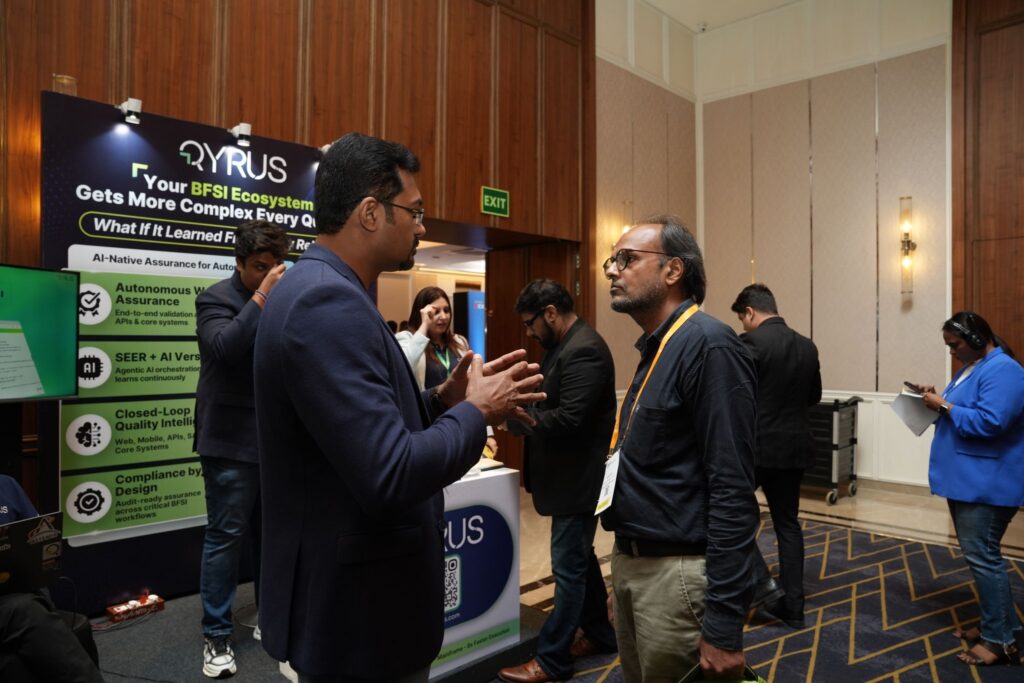
The 37th Edition of the BFSI IT Summit is part of a global series across 9+ cities, bringing together government leaders, industry experts, and innovators for insightful discussions, expert-led sessions, and high-impact networking.As the BFSI sector undergoes rapid transformation driven by digital disruption, evolving regulations, and changing customer expectations, the summit agenda is designed to address key trends and strategic priorities shaping the industry.The event also features an exclusive technology showcase, offering hands-on access to cutting-edge solutions driving innovation across banking, financial services, and insurance.
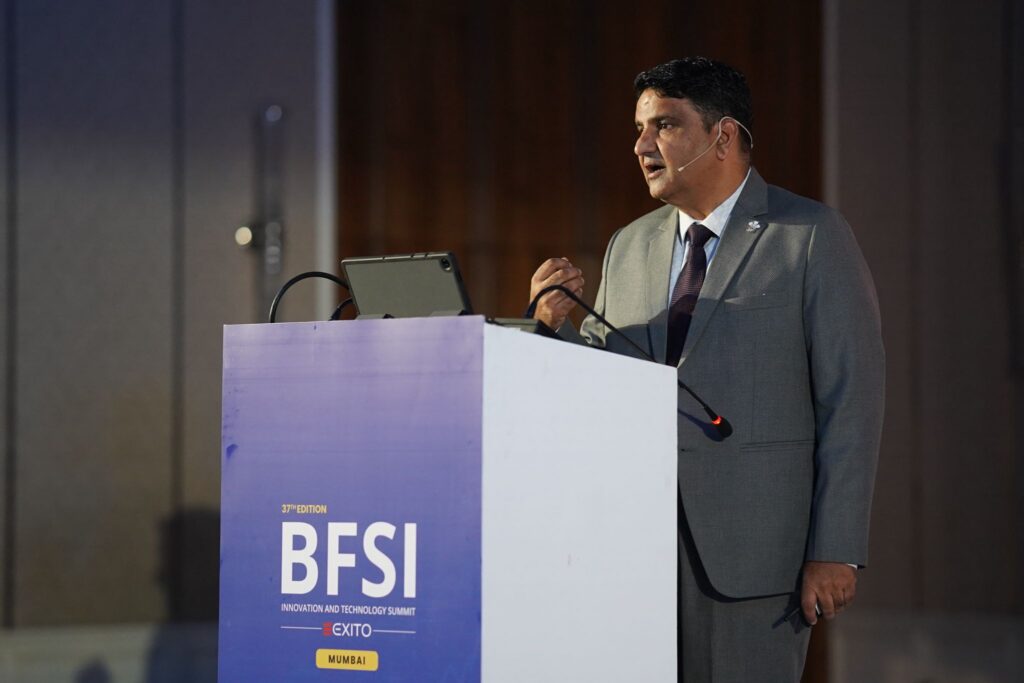
At the 37th Edition of the BFSI Innovation & Technology Summit India 2026, Lovekesh Thakur, Deputy Director General of the UIDAI, delivered a definitive keynote titled “Architecting India’s BFSI for 2030: The Technology Blueprint Every IT Leader Must Own.” The core message urged IT leaders across banking, insurance, and capital markets to transition from legacy, siloed setups to API-first, interoperable technology stacks. This shift requires seamlessly embedding next-generation digital frameworks—such as UPI 3.0, Account Aggregators, and BIMA Sugam—directly into production environments, while executing capital market trades via ISO 20022 standards to support native T+0 settlement cycles.
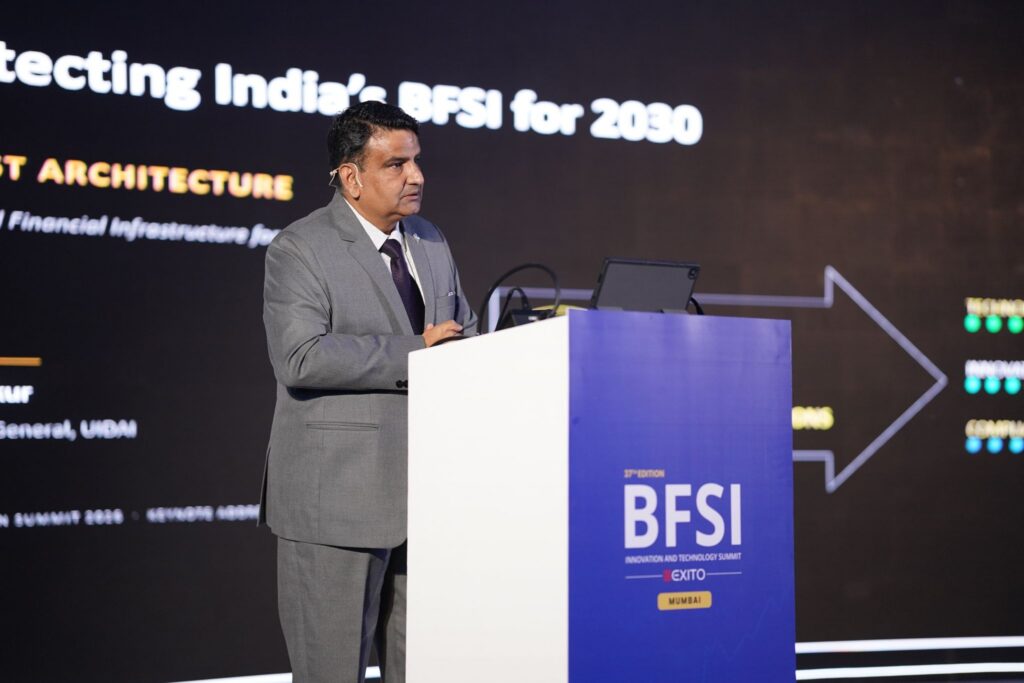
A critical takeaway from the address was the mandatory pivot toward compliance-by-design, forcing engineering teams to treat RBI, IRDAI, and SEBI regulations as foundational system inputs rather than post-build checkboxes. To withstand massive future transactional loads without facing disruptive re-platforming cycles by 2030, institutions must build infrastructure resilience into their core architectures from day one. By studying high-performing systems that decoupled processing layers before peak volume hit, BFSI leaders can construct elastic, containerised systems capable of scaling securely across diverse ecosystem partners and digital channels over the next decade.
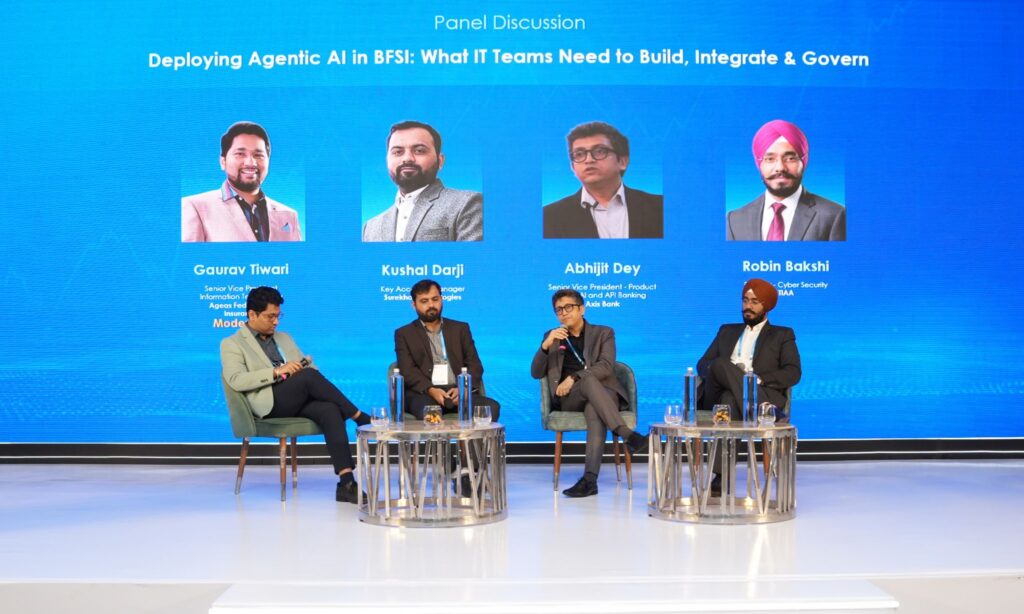
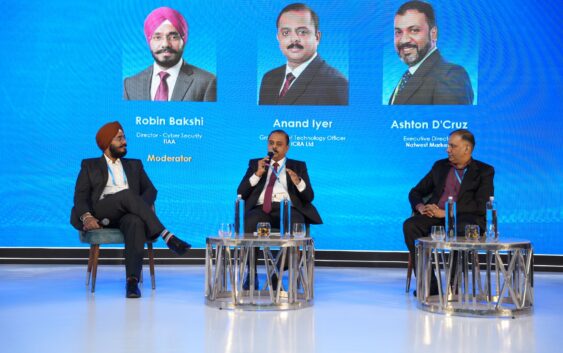
The panel on Deploying Agentic AI in BFSI at the 37th Edition BFSI Innovation & Technology Summit India 2026 outlined the technical reality of moving from conversational chatbots to autonomous execution systems across banking, insurance, and capital markets. Moderated by Gaurav Tiwari (Ageas Federal Life Insurance) alongside panelists Kushal Dharji (Surekha Tech x Liferay), Abhijit Dey (Axis Bank), and Robin Bakshi (TIAA), the discussion focused on the necessity of a deterministic control layer over raw model outputs. To connect AI agents safely to core banking and policy infrastructure, IT teams must build highly permissioned orchestration pipelines and strict enterprise wrappers that enforce explicit action boundaries, ensuring autonomous agents do not create vulnerable architectural failure points.
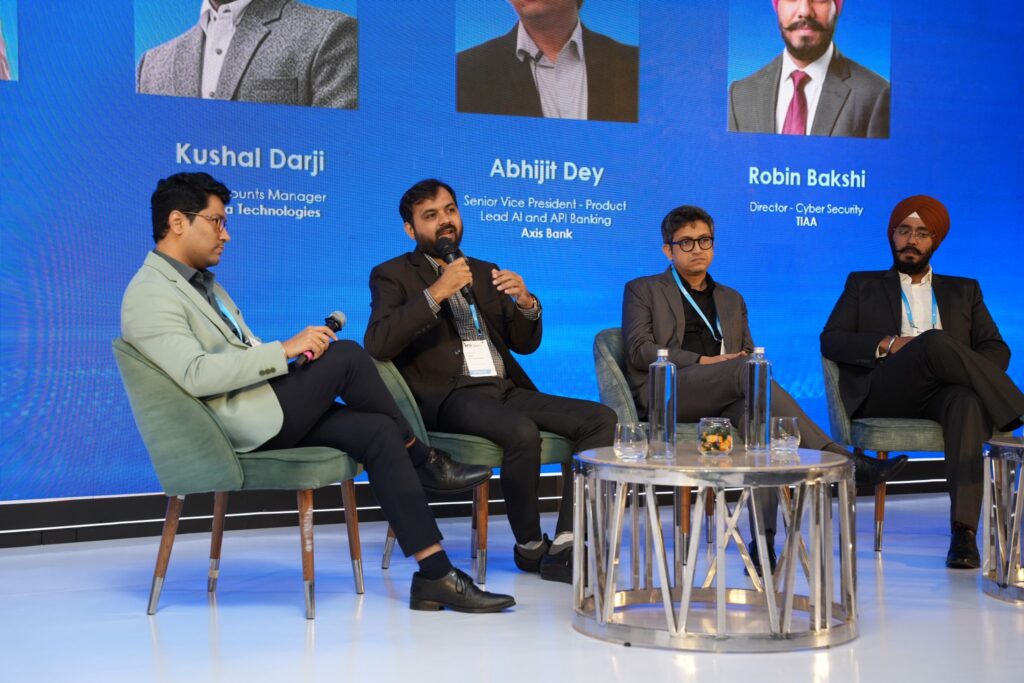
A primary focus was placed on hardcoding regulatory guardrails—such as RBI, IRDAI, and SEBI compliance—directly into CI/CD release pipelines rather than relying on soft prompt engineering. To combat the industry’s model visibility gap, the panel advocated for aggressive model governance consisting of continuous drift monitoring, scale-automated LLM evaluations, and extensive audit logging. Finally, to mitigate the “blast radius” of an AI system making a wrong call at scale, the practitioners emphasized treating AI failures like critical cybersecurity incidents, requiring instant-access centralized kill switches, automated rollbacks, and rapid fallback mechanisms to legacy systems.
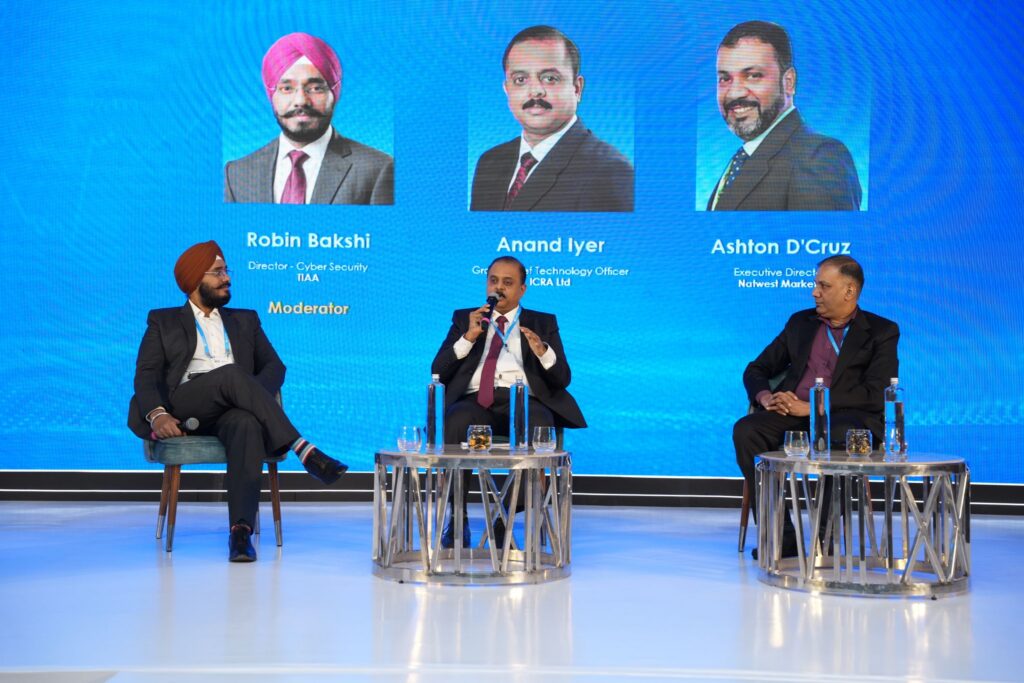
At the 37th Edition BFSI Innovation & Technology Summit India 2026, financial IT leaders revealed that moving AI past the pilot phase required massive structural re-engineering. Legacy monolithic architectures heavily restricted real-time capabilities, forcing teams mid-way to build API-first Systems of Intelligence and Orchestration (SoIO). Organizations also had to separate strict deterministic transactional systems from probabilistic AI workflows to ensure that unpredictable, unstructured model outputs did not cause critical core system crashes.
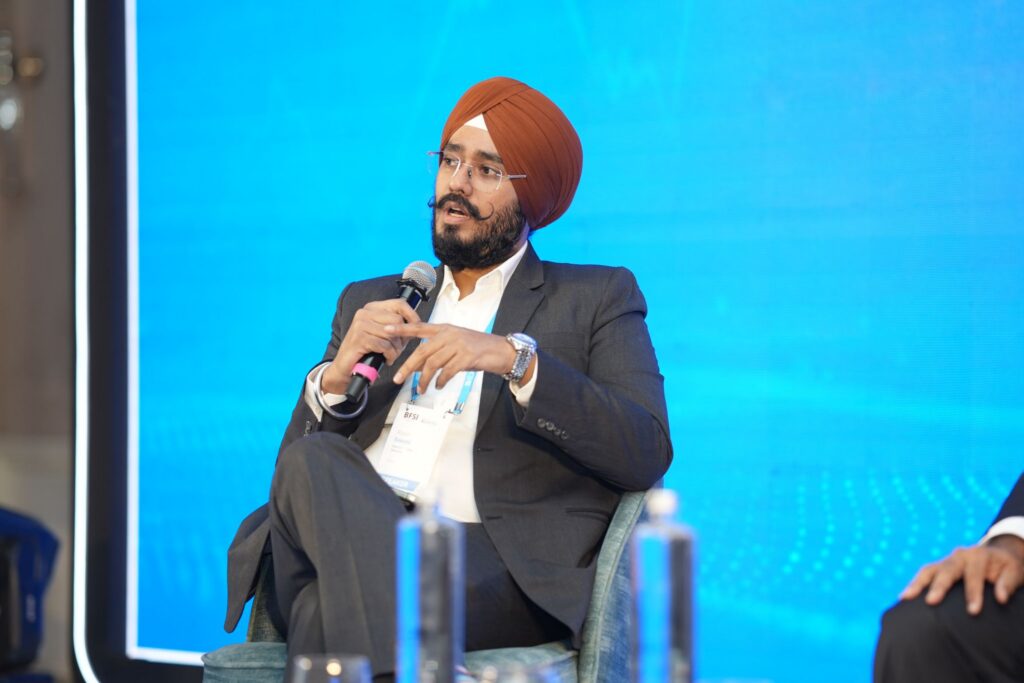
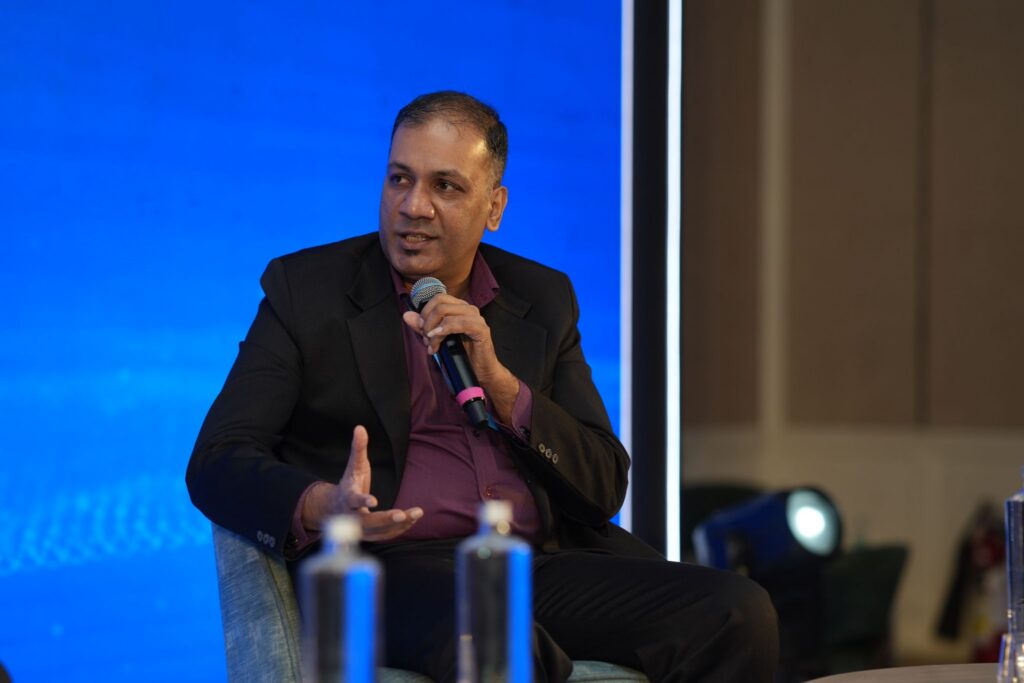
Data pipelines proved to be a massive bottleneck due to highly fragmented schemas and severe ingestion latencies across legacy environments. To resolve this, engineering teams shifted toward enterprise data lakehouses that unified decades of structured and unstructured customer records. They also implemented rigid data contracts and automated validation layers to cleanly synthesize incoming real-time feeds from internal databases, credit bureaus, and India’s Account Aggregator network.
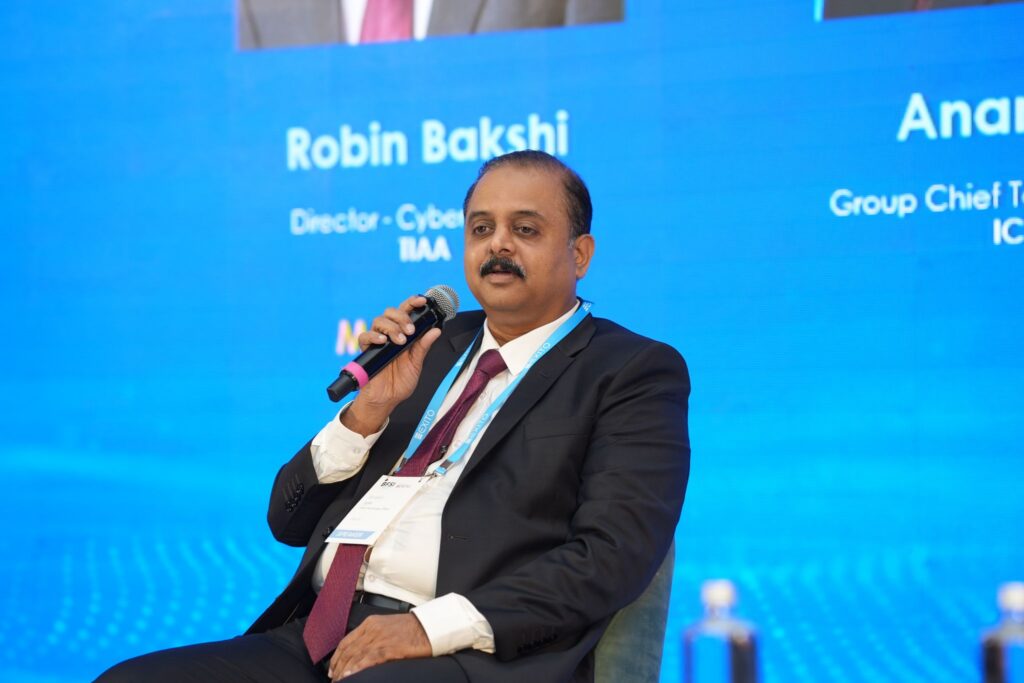
Operating within a strict regulatory environment meant that model drift represented an immediate financial and legal risk. IT teams deployed automated observability pipelines to track decision anomalies and maintain compliance with RBI guidelines and the DPDP Act. When model metrics degraded or demographic bias was detected, systems were built to instantly trigger human-in-the-loop overrides, execute automated rollbacks, and log comprehensive data lineages for regulatory audits.
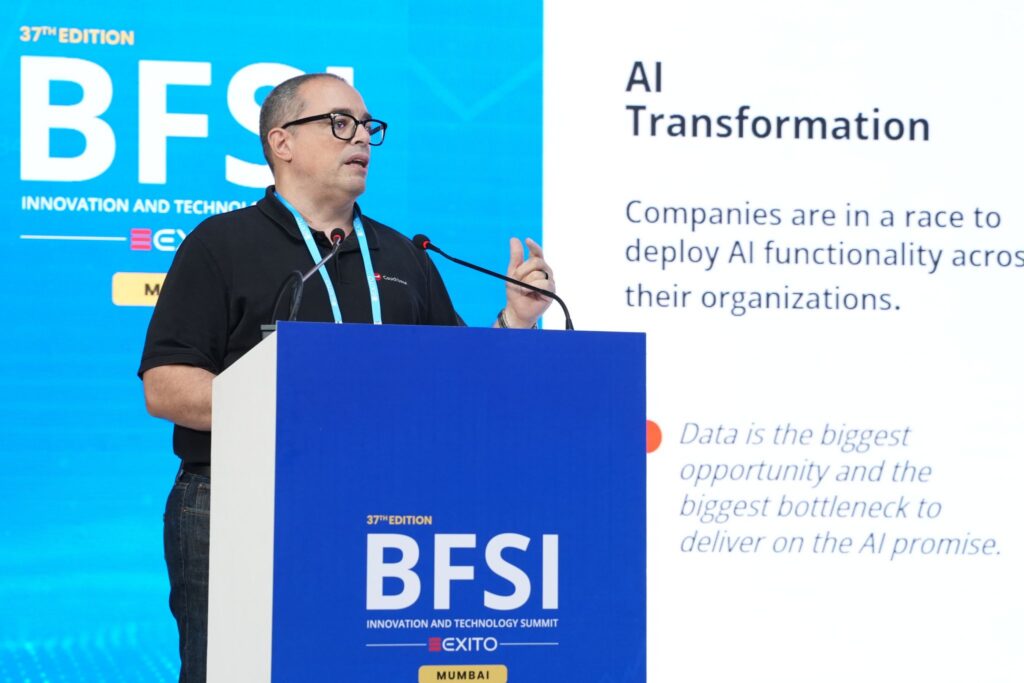
Michael Cronin, Vice President of Sales, APAC at Couchbase, delivered a compelling keynote titled “Data-Driven AI: Powering Autonomous Banking with Couchbase” at the 37th Edition BFSI Innovation & Technology Summit India 2026 on August 6, 2026. The presentation addressed a critical bottleneck in the financial sector: while advanced AI models are highly accessible, financial institutions struggle to scale them due to fragmented legacy core systems and data sprawl. Cronin emphasized that true autonomous banking is fundamentally a data infrastructure problem, noting that up to 80% of agentic AI use cases require immediate, real-time, and highly contextual data to make intelligent decisions.
r
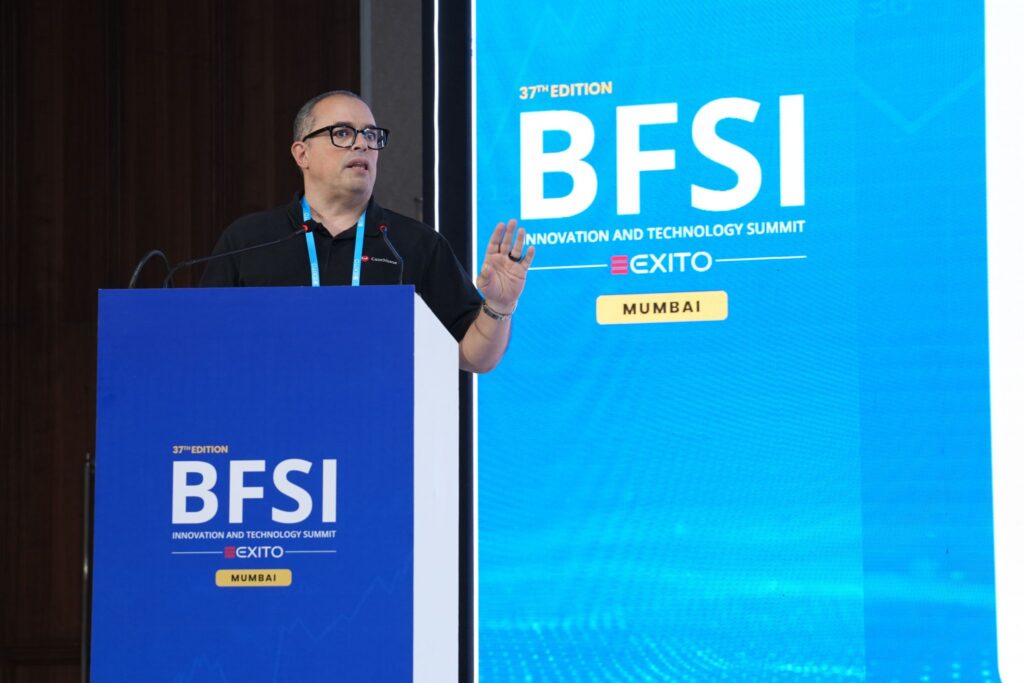
To bridge this gap, the session highlighted how a modern, unified data architecture—specifically leveraging Couchbase’s high-performance NoSQL capabilities—serves as the backbone for the next generation of banking innovation. By providing production AI agents with sub-millisecond vector search, conversational context, and long-term semantic memory directly at the database layer, banks can significantly reduce expensive third-party LLM model calls and lower their total cost of ownership. Ultimately, the keynote demonstrated that a memory-first data plane is essential for executing ultra-low latency operations like automated fraud defense and real-time customer personalization, all while maintaining the strict enterprise governance, traceability, and auditability required by APAC financial regulators.
8
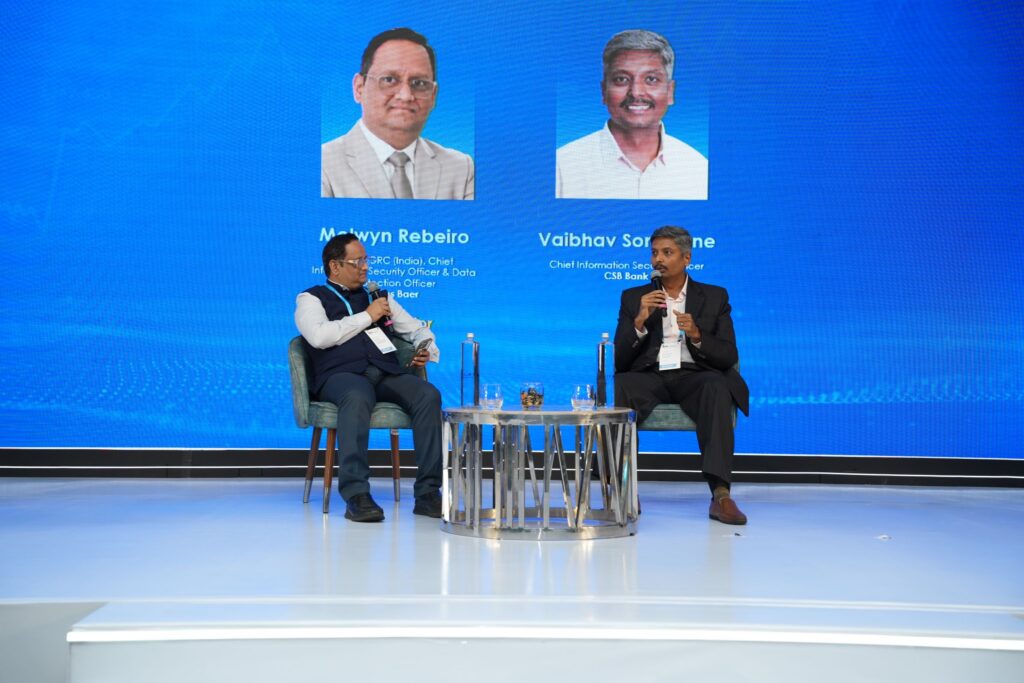
The 37th Edition BFSI Innovation & Technology Summit India 2026, held on 6 August 2026, featured a critical fireside chat on “Cyber Incident Response in BFSI: What IT Teams Must Be Ready For.” Moderated by Melwyn Rebeiro (Julius Baer) and featuring CISOs Vaibhav Sonavane (CSB Bank) and Giridhar Rangavajalla (Standard Chartered Bank), the session explored how cyber incidents unfold uniquely across the sector—ranging from payment fraud in banks to bulk data breaches in insurance and trading system compromises in capital markets. The panel candidly discussed what traditional security tools caught or missed, emphasizing the urgent need for teams to instrument their environments with deeper telemetry and stricter endpoint tracking to catch anomalous horizontal movement before it escalates.
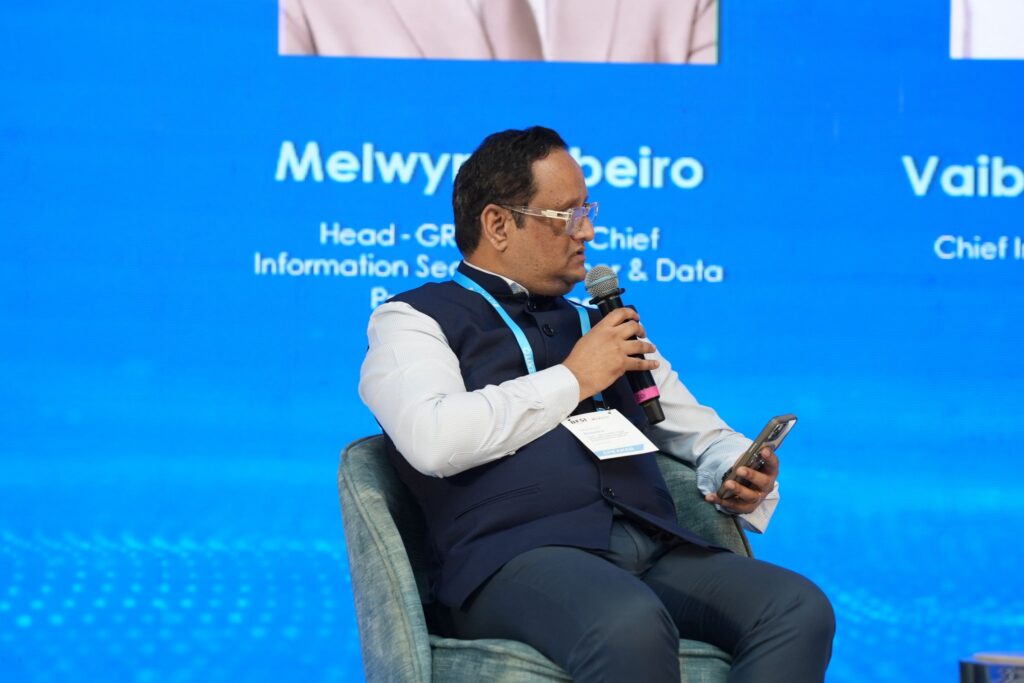
A major focus was placed on the operational strain of surgically containing a live compromise within core infrastructure without triggering wider business disruption, alongside the administrative pressure of meeting strict RBI, IRDAI, and SEBI notification mandates simultaneously. The speakers highlighted immediate post-incident infrastructure changes, such as adopting Zero Trust access and accelerated patch cadences, while openly sharing what they wished they had built beforehand. The definitive takeaway was that BFSI IT teams must shift from reactive mitigation to proactive resilience, engineering immutable backups and advanced identity boundaries well before a crisis strikes.
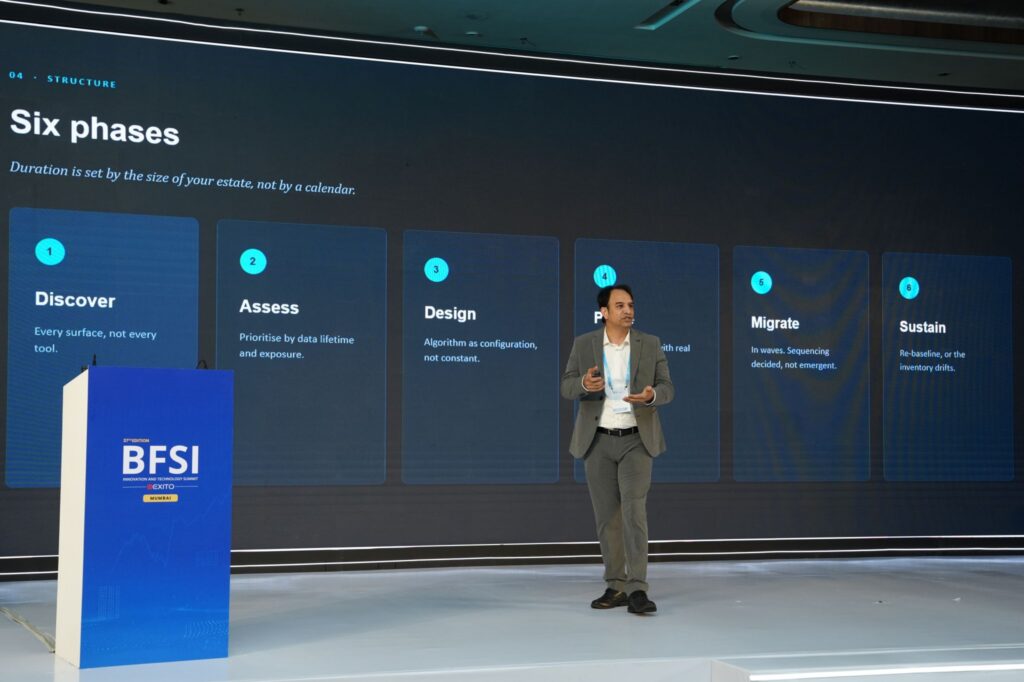
Here are the key takeaways from the Keynote Presentation on “Post-Quantum Cryptography Readiness: A Phased Approach” delivered by Nirajkumar Chhangani, Vice President at NSE India (NSE Clearing), during the 37th edition of the BFSI IT Summit organized by Exito Media.
The central theme of the presentation emphasizes that the quantum threat to modern encryption is an immediate risk, requiring action today rather than waiting for quantum machines to fully arrive. This urgency stems from “Harvest Now, Decrypt Later” tactics, where adversaries steal encrypted data now to unlock it in the future.
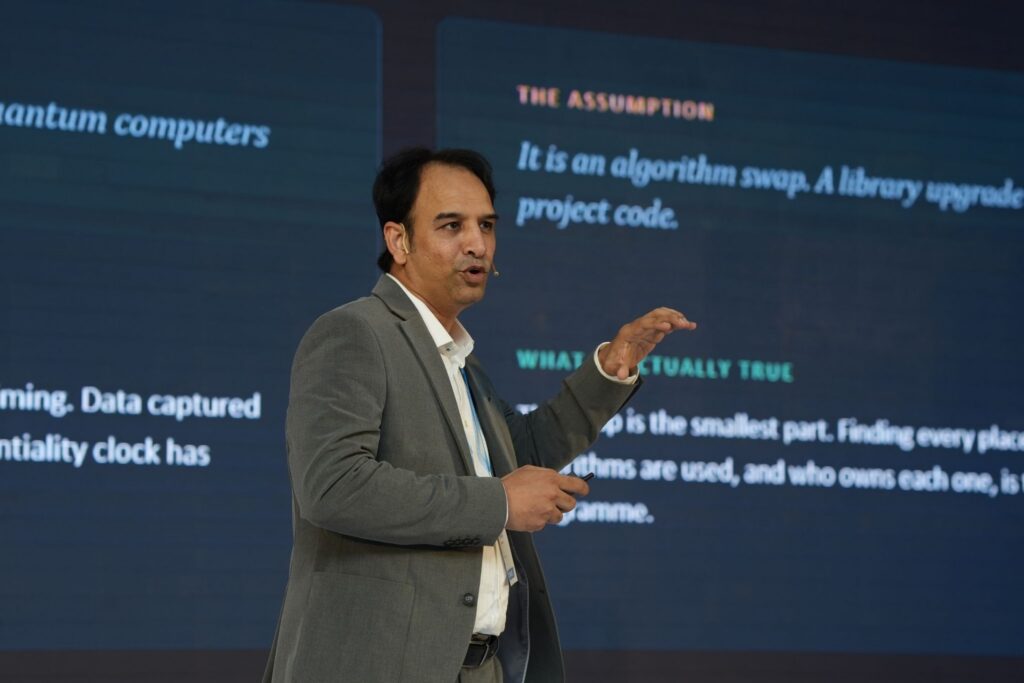
To combat this, BFSI organizations must prioritize identifying long-lived sensitive data and mapping out their current digital infrastructure. The presentation advocates for crypto-agility—building flexible systems capable of seamlessly upgrading to new post-quantum cryptographic standards without disrupting core banking and financial operations.
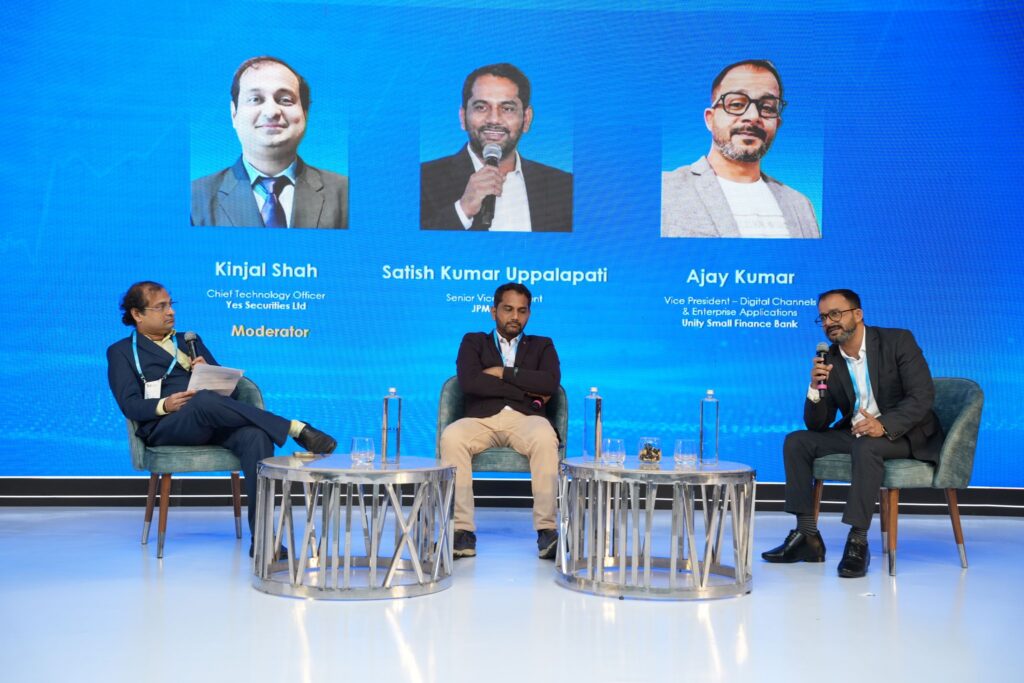
“Re-platforming the Engine While Flying the Plane” at the 37th BFSI IT Summit highlighted how IT leaders navigate the high-stakes modernisation of mission-critical systems across banking, insurance, and capital markets. Moderated by Kinjal Shah (CTO, Yes Securities Ltd) with insights from Satish Kumar Uppalapati (SVP, JPMorgan) and Ajay Kumar (VP, Unity), the panel emphasized tailored migration patterns: banks lean toward the strangler fig pattern to isolate core systems, insurers opt for phased cutovers by policy type, and capital markets rely on rigorous parallel runs to protect live trading volumes. The technical strategy centers on day-one architectural principles like rigid API-first decoupling, real-time data streaming (e.g., via Kafka) to ensure zero-error replication for millions of active accounts, and automated rollbacks to maintain operational resilience and business continuity.
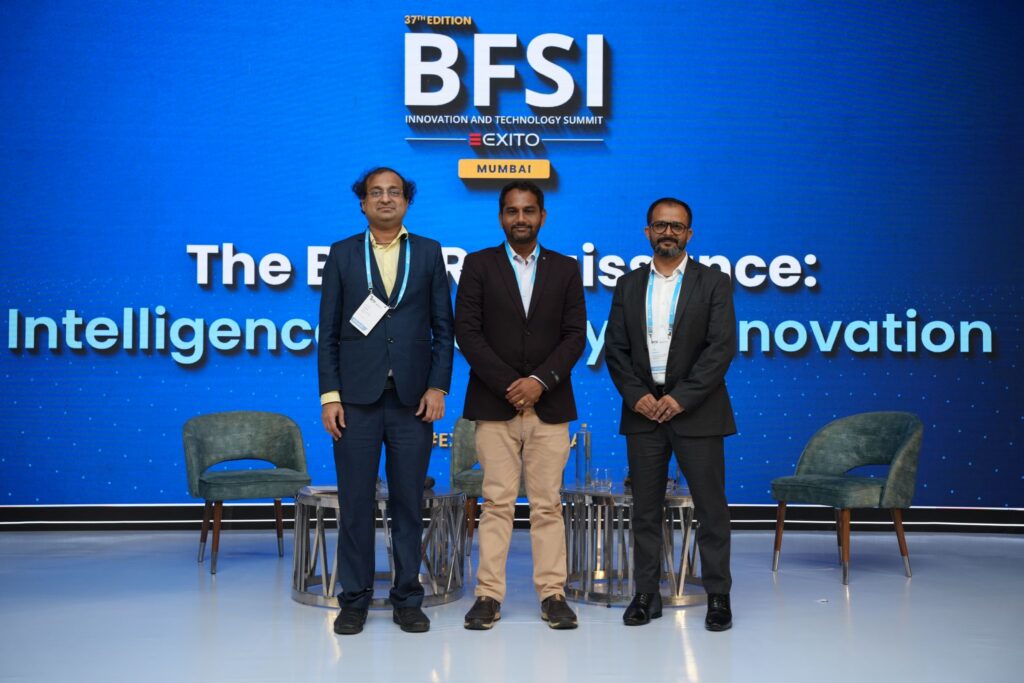
Successfully executing these transformations requires balancing technical execution with regulatory transparency and strict risk management. The panellists underscored that maintaining regulatory confidence demands proactive engagement, demonstrable data lineage, and proven failover protocols, rather than slowing down delivery timelines. By enforcing absolute event-driven consistency and treating migration as a continuous operational evolution rather than a single “big bang” event, IT leaders can mitigate integration complexity, satisfy compliance mandates, and deliver a modernized enterprise architecture without disrupting daily financial operations.