SCREENS, STORYTELLING & SCALE OF INDIA MEDIA ENTERTAINMENT
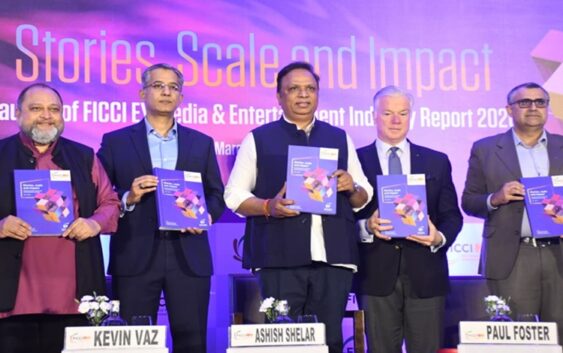
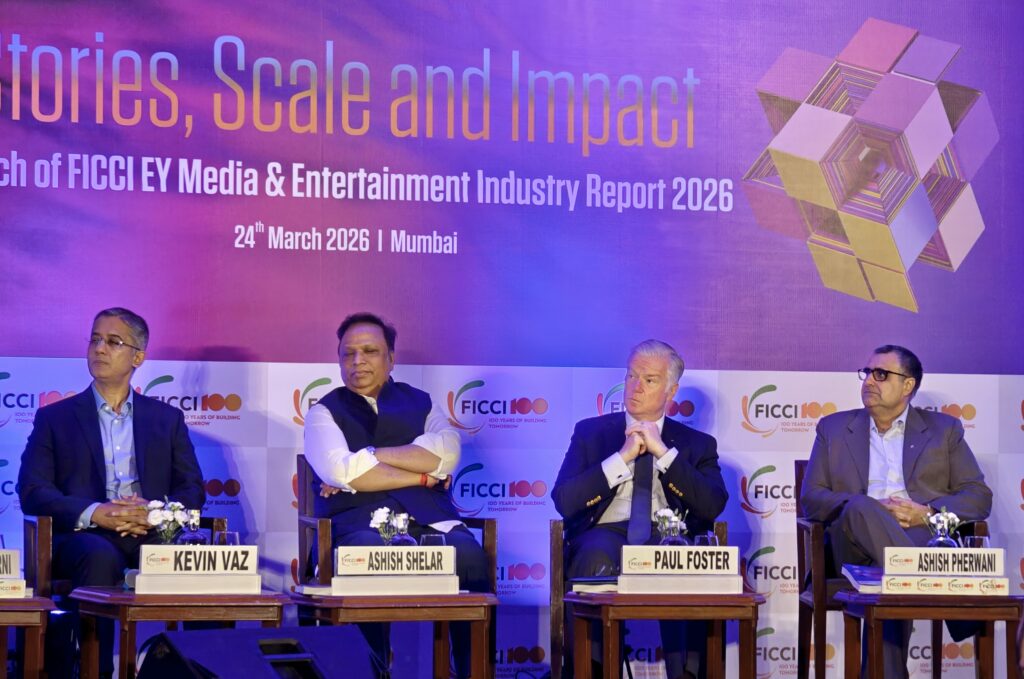
On March 24, 2026, FICCI launched the EY Media and Entertainment Industry Report 2026 at the Taj Lands End in Mumbai — a gathering focused on decoding the fast-evolving media landscape. The report spotlighted how technology, shifting consumer habits, and digital transformation are reshaping everything from content creation to distribution.
It wasn’t just about numbers — it was about direction. With traditional media adapting to new platforms and audience expectations, the event offered a clear-eyed look at what’s driving change, and what players across the industry need to watch in the year ahead.
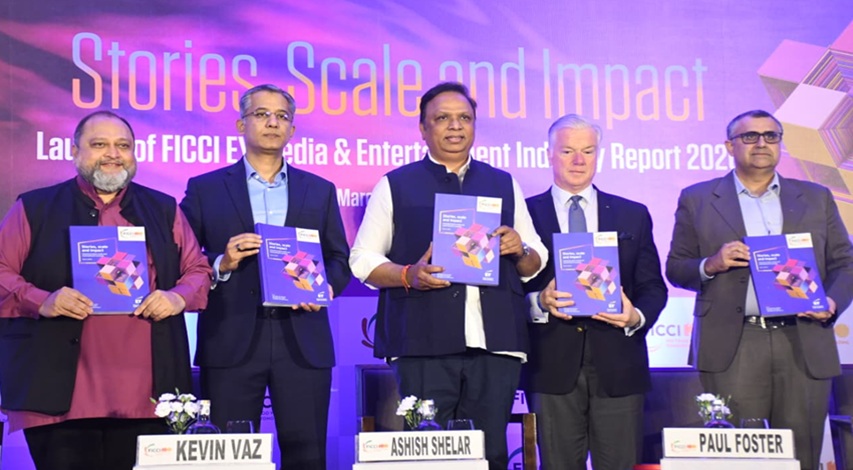
The EY report wasn’t just a snapshot — it was a roadmap, built for leaders, creators, and investors navigating a rapidly shifting industry. With data-driven insights and clear strategic guidance, it turned complexity into clarity, helping stakeholders spot opportunities in the noise.And by bringing together top voices in media and entertainment, the launch became more than a presentation — it sparked real dialogue. That kind of exchange, where experience meets vision, is how industries move forward. This event didn’t just reflect the future of Indian media — it helped shape it.
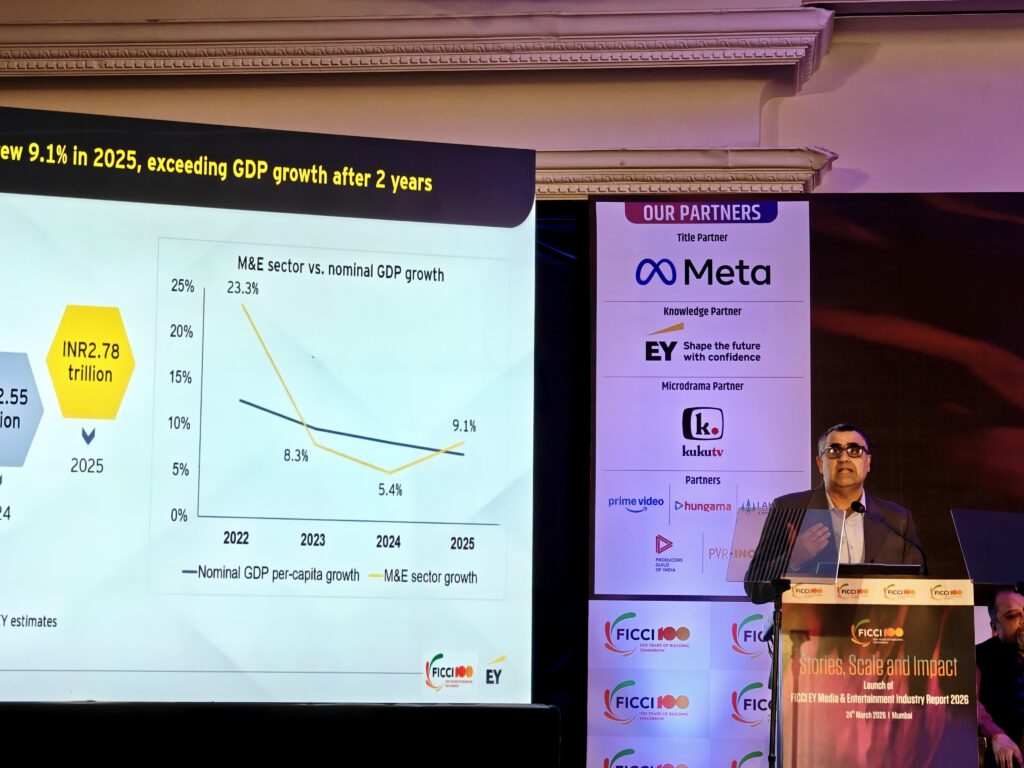
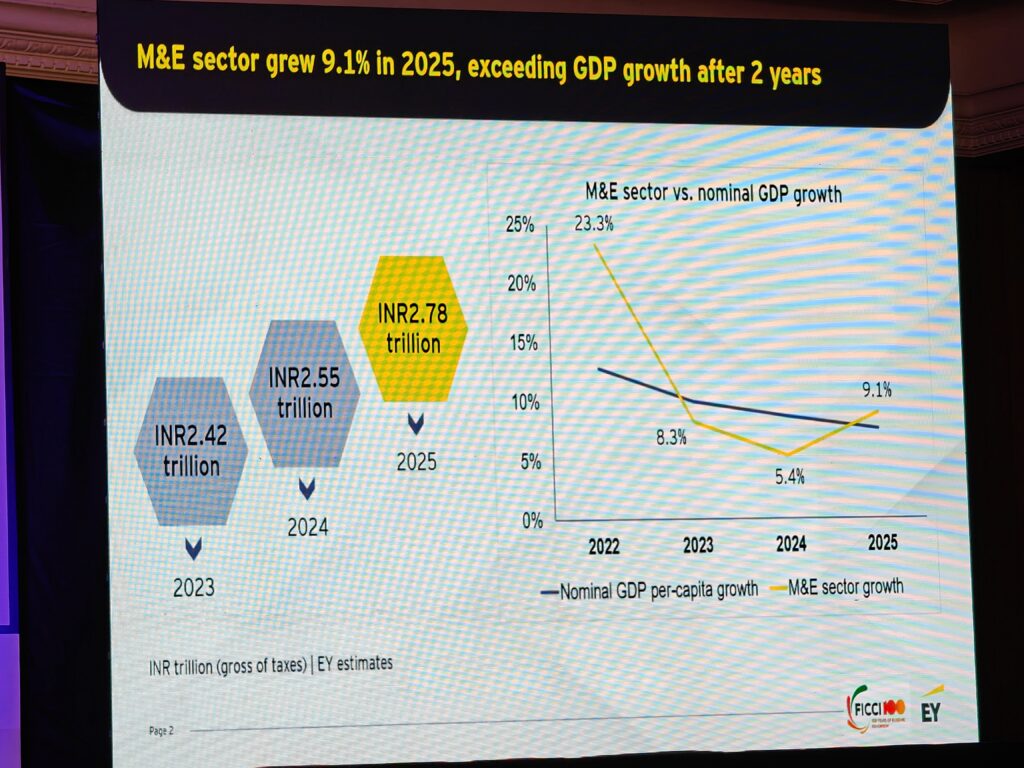
India’s media and entertainment sector is clearly riding a strong wave — 9% growth in 2025, hitting Rs 2.78 trillion, with digital media, advertising, and live experiences leading the charge. It’s impressive how those segments are scaling, even as others navigate tighter regulations and rising costs.The report’s title — “Stories, scale and impact: Unlocking India’s media and entertainment economy” — really captures it: this isn’t just about revenue. It’s about how stories are being told, who’s telling them, and how they’re reaching audiences in new ways.
Mr Ashish Pherwani, Partner and Leader, Media & Entertainment Sector, EY India, said, “India’s media and entertainment sector crossed a critical inflection point in 2025, with digital media, advertising and live experiences emerging as the primary growth engines. While consumption continues to scale rapidly across screens and formats, the next phase of growth will be defined by sustainable monetization models, disciplined investment and the ability of stakeholders to adapt to shifting consumer behaviour and regulatory realities.”
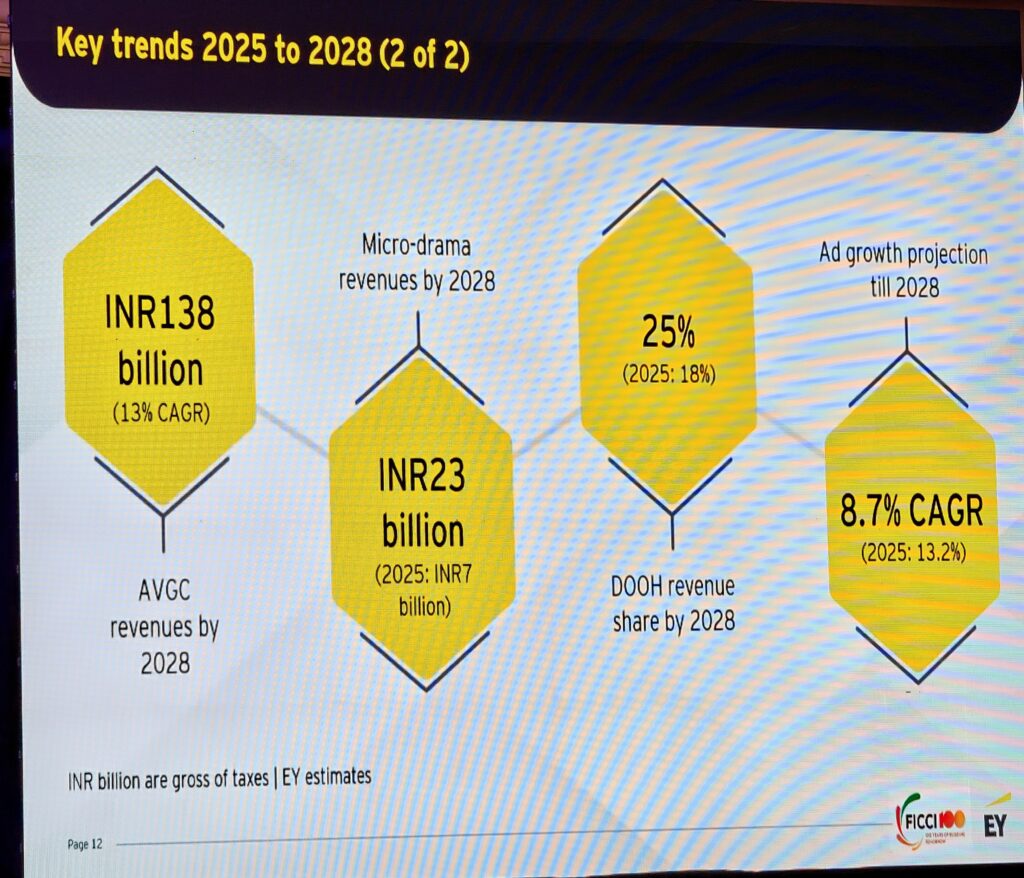
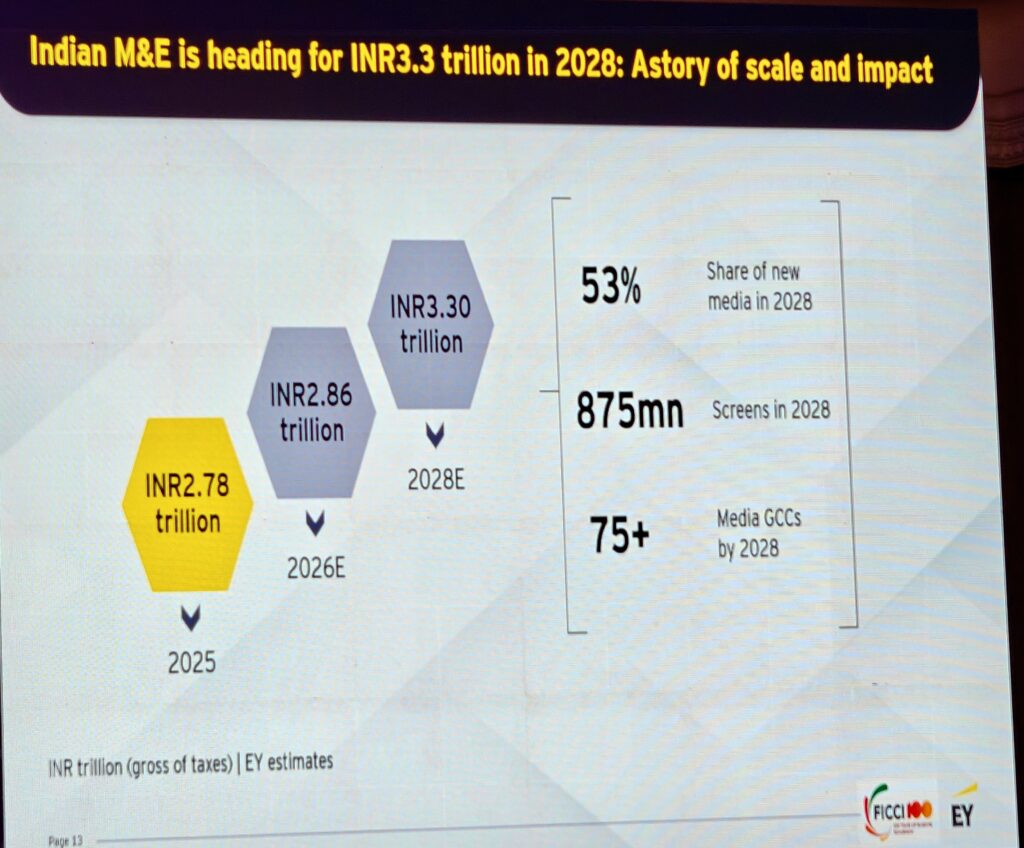
The momentum behind India’s M&E sector is only building — with a projected jump to ₹3.3 trillion by 2028, it’s clear that digital is no longer just a piece of the puzzle, it’s the main engine. What’s especially telling is that new media will make up over half of all revenue, driven by how people are actually consuming content now: on smartphones, on Connected TVs, and in regional languages that reflect how diverse and local this growth really is.
It’s not just about more screens — it’s about more connection. And with live events, animation, VFX, and experiential formats rising, the industry isn’t just growing. It’s evolving in real time. If you’re thinking about where to focus — whether it’s content, tech, or audience reach.
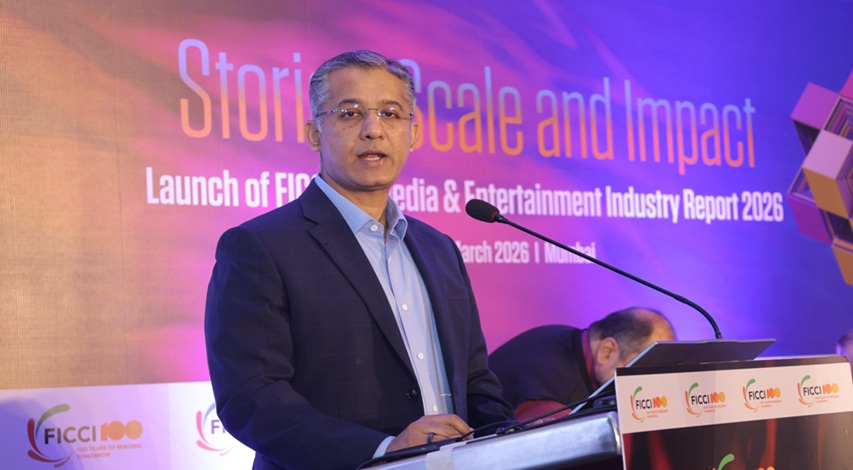
Vaz’s take on India as an “AND market” really nails it — this isn’t a story of one platform winning over another, but of everything growing together. Connected TV, mobile, linear TV, print, films — they’re not fighting for space, they’re expanding the space. And that’s rare. Most markets see digital eat everything, but here, it’s more like digital is pulling the rest forward.
And with digital now the biggest piece in advertising, subscriptions, and even commerce, it’s not just changing how we watch — it’s changing how content makes money. At the same time, AVGC isn’t just a buzzword anymore — it’s becoming a real export engine, with Indian studios shaping global storytelling in animation, gaming, and VFX.
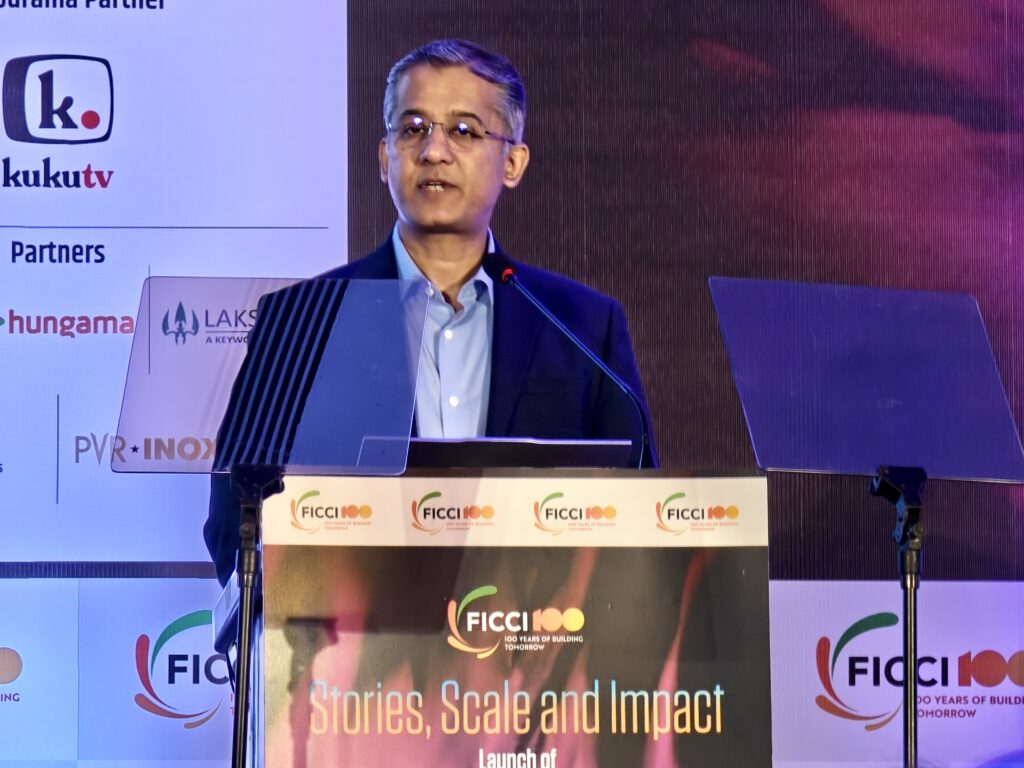
It’s a moment where scale, tech, and culture are all moving in sync. If you’re tracking any of these shifts — whether it’s how regional content is rising or how creators are monetizing now.
Mr Kevin Vaz, Chairman, FICCI, Media and Entertainment Committee said, “2025 emerged as a defining year for India’s Media & Entertainment industry, marking a new phase of scale, innovation and transformation. The industry not only surpassed last year’s estimates, reinforcing confidence in its long-term trajectory, but also reflected a fundamental shift in audience engagement, driven by the convergence of technology and storytelling. The digital segment crossing the INR 1 trillion mark is a highly encouraging milestone, underscoring the sector’s strong growth momentum. Television continues to remain a powerful and resilient medium, with Connected TV complementing it by enhancing large-screen experiences through more immersive, high-quality and shared viewing. As the industry evolves, measured regulatory forbearance, coupled with innovation, will be critical in sustaining long-term growth.”
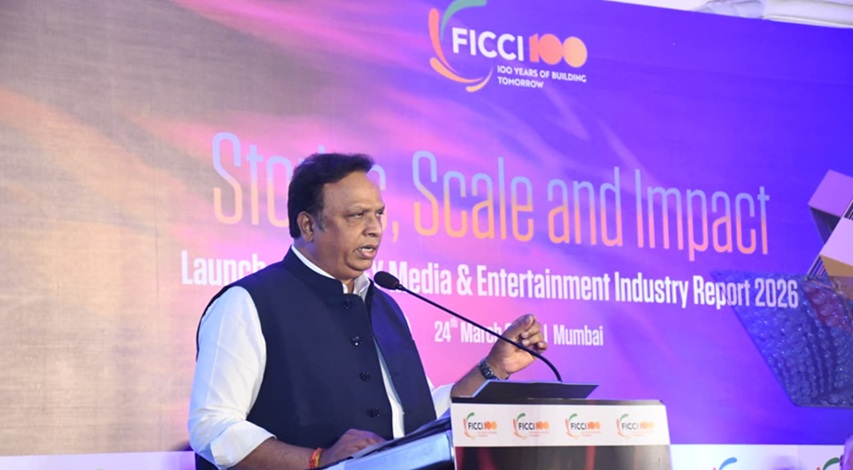
While releasing the report, Mr Ashish Shelar, Minister of Information Technology & Cultural Affairs, Government of Maharashtra said, “The FICCI–EY Media & Entertainment Report has, over the years, evolved into a definitive benchmark for the sector—guiding both industry and policymakers with credible insights and a forward-looking vision. Today, India’s media and entertainment industry stands at an impressive Rs 2.78 lakh crore in 2025, reflecting not just scale, but the sector’s growing strategic importance to the nation’s economy.”
“Mumbai continues to be the creative capital of India and the epicentre of our media and entertainment ecosystem. From films and television to music, advertising, and digital content, Maharashtra has consistently led from the front, driving innovation, investment, and talent development. Our government is committed to building a future-ready ecosystem that seamlessly integrates creativity with cutting-edge technology, ensuring sustainable and globally competitive growth, noted Mr Shelar.
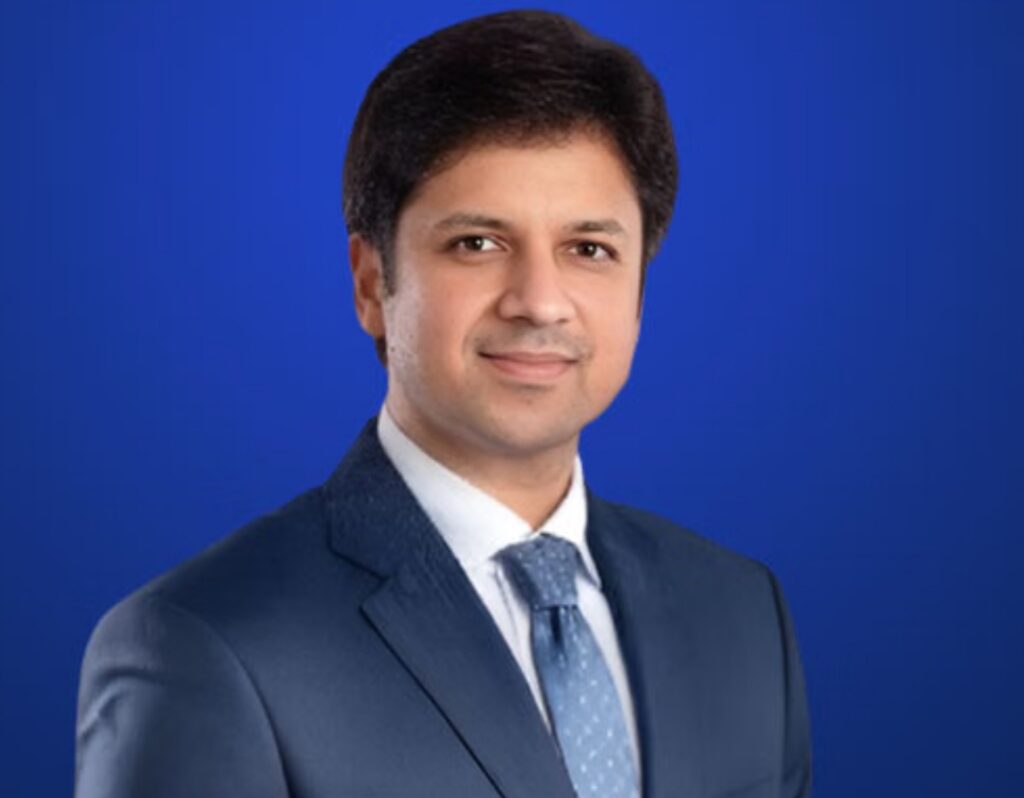
Mr Anant Goenka, President FICCI & Vice Chairman, RPG Group said “India’s media and entertainment economy is increasingly defined by the interplay of stories, scale and impact. As compelling stories scale seamlessly across platforms and screens, their value is amplified not just in terms of reach, but in economic contribution, job creation and cultural influence. Unlocking this potential will depend on how effectively the industry aligns storytelling, distribution and sustainable monetization across the ecosystem.”
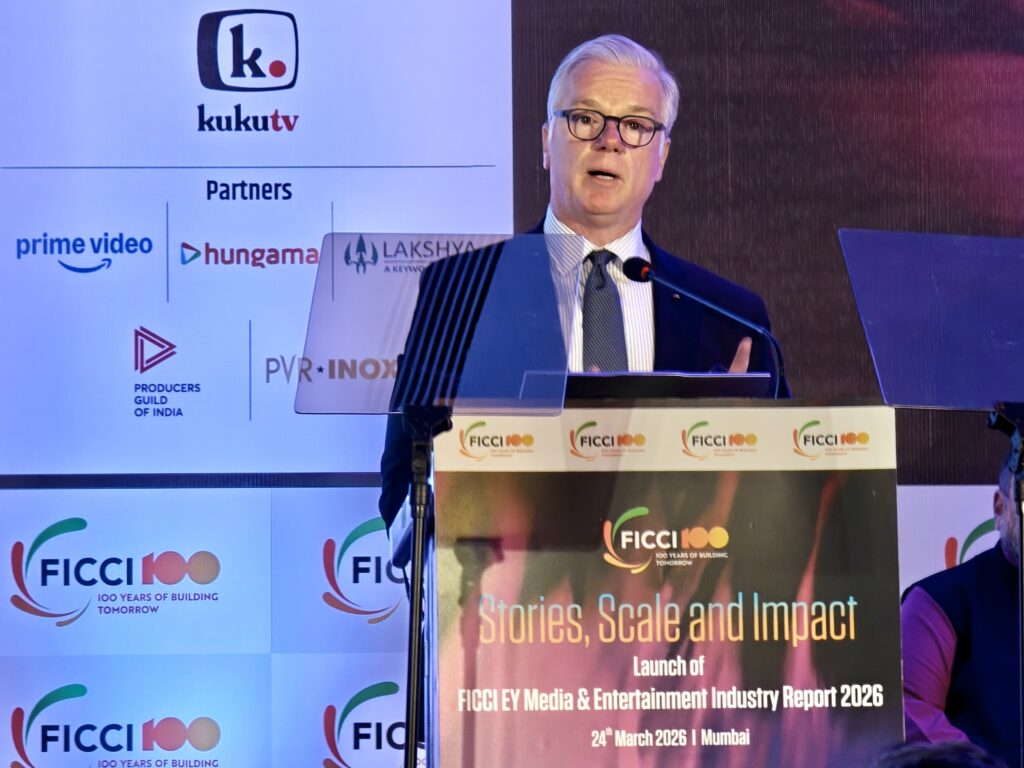
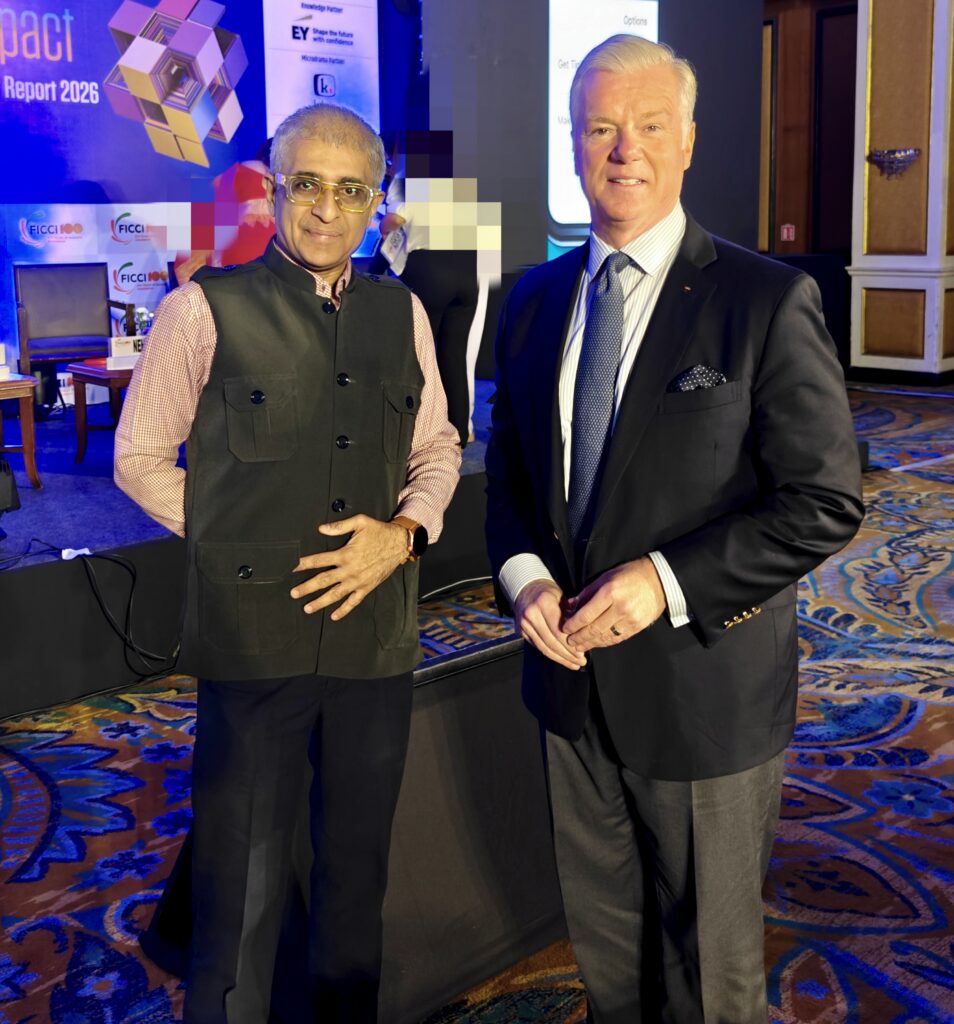
Paul J. Foster’s presence at FICCI Frames in March 2026 highlighted a powerful alliance between the Global Esports Federation (GEF) and India’s creative economy, marked by his high-profile launch of the FICCI-EY Media & Entertainment Report. Through this partnership, Foster bridges global esports with India’s booming AVGC (Animation, Visual Effects, Gaming, and Comics) sector, integrating competitive gaming into mainstream media and digital entertainment channels. By aligning GEF’s international network with FICCI’s platform, this collaboration establishes India as a global tech-entertainment hub while cultivating a modern, inclusive digital sports culture that elevates local storytelling to a worldwide audience.
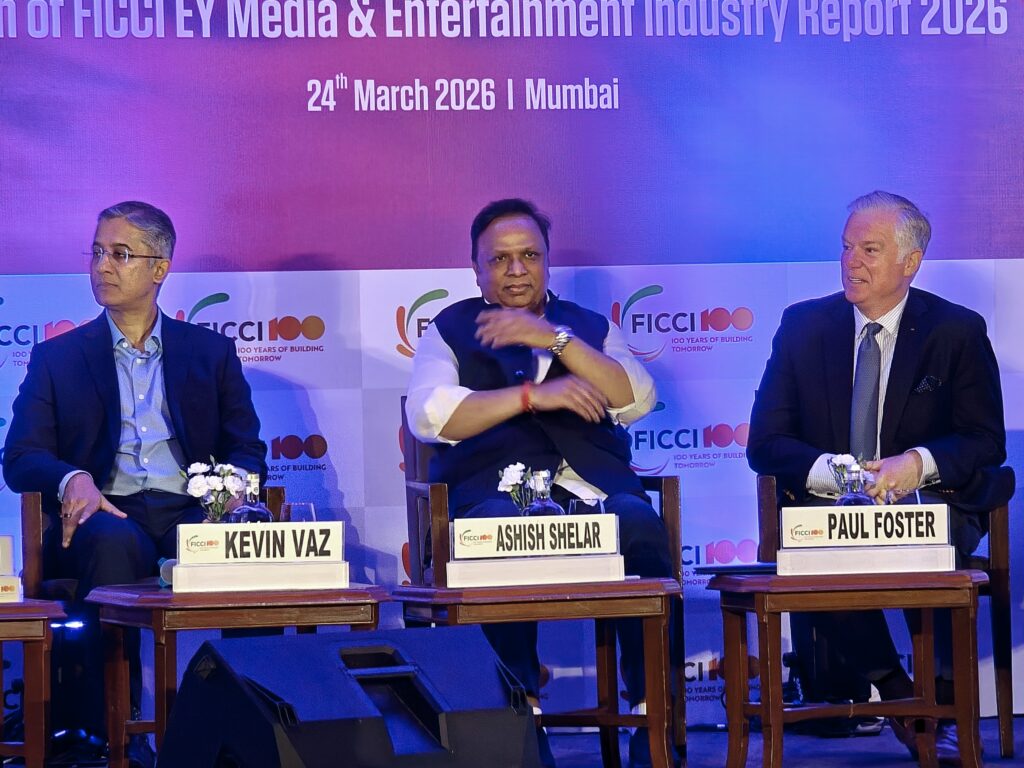
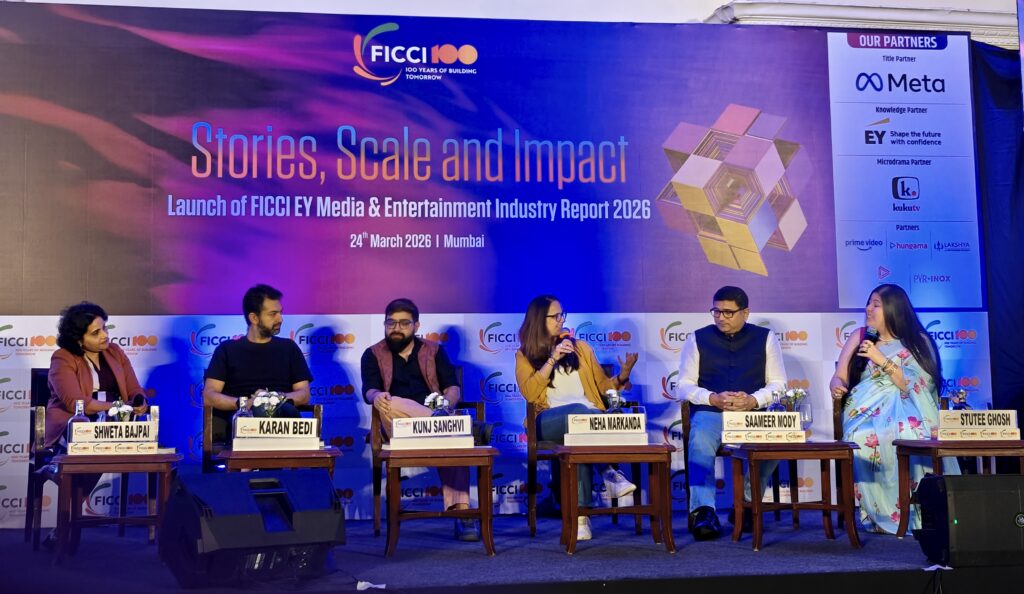
The FICCI FRAMES Curtain Raiser panel in Bombay examined the evolution of audience engagement and content distribution amid digital abundance, noting that the collapse of barriers to entry for independent creators has fueled micro-storytelling while triggering viewer fatigue. Panelists stressed that overcoming shorter attention spans requires an immediate narrative hook and data-driven marketing to foster genuine community loyalty.
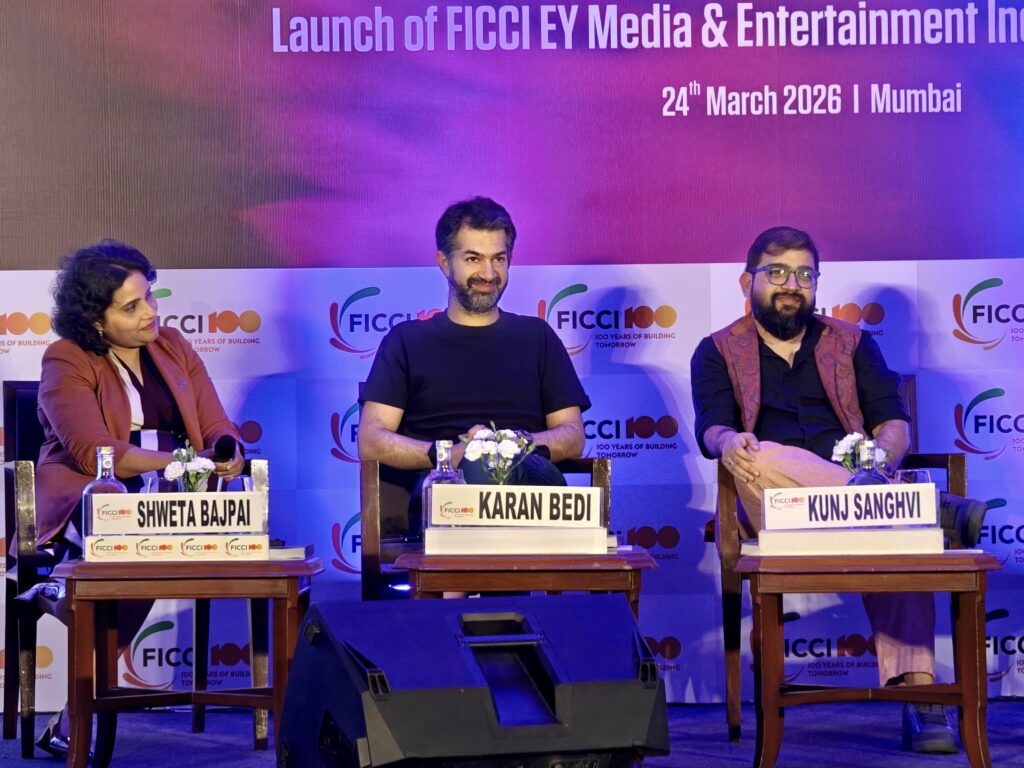
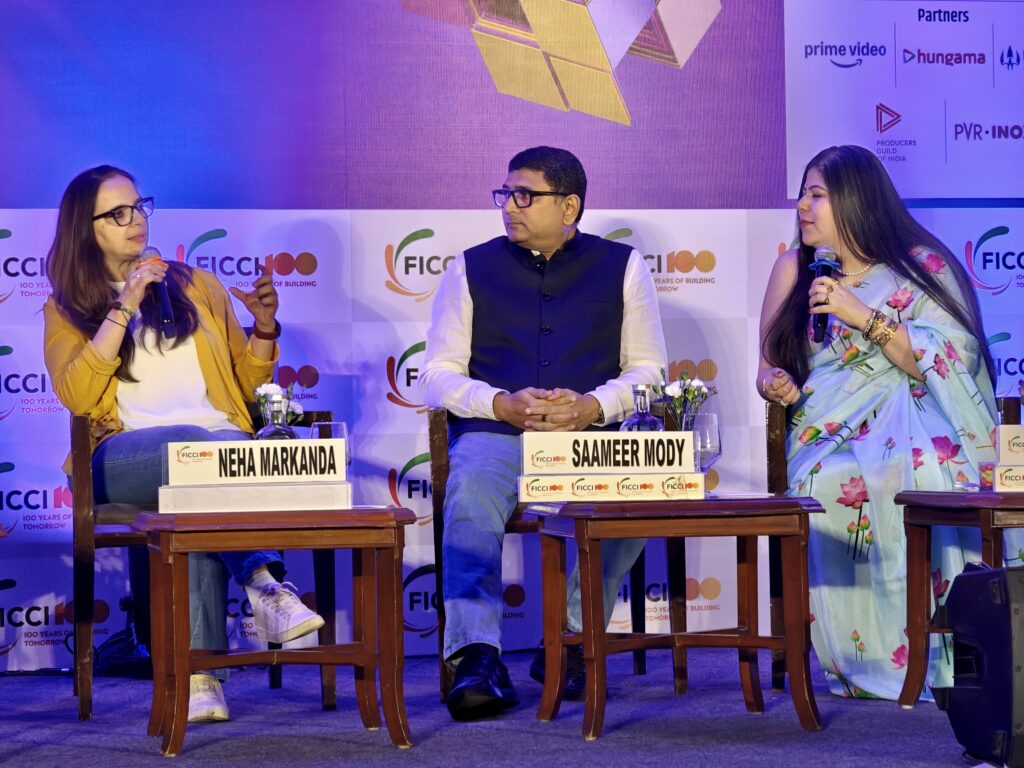
The discussion also addressed sustainable monetization and technology-driven production, emphasizing a necessary shift toward premium subscription models and the integration of AI workflows to meet rapid streaming demands. Executives concluded that India’s media future depends on balancing hyper-local regional content with secure, scalable commercial monetization strategies.